
Introducing new fish to an established aquarium can be exciting, but it’s also one of the most delicate operations in fishkeeping. A poorly executed introduction can lead to stress, disease outbreaks, aggression, or even fatalities among both new and resident fish. Stress weakens immune systems, alters behavior, and disrupts water chemistry—threatening the entire ecosystem. The key lies not in rushing the process, but in respecting the biological and behavioral dynamics at play. With careful planning, proper acclimation, and strategic observation, you can integrate newcomers seamlessly while preserving harmony in your aquatic community.
Why Fish Stress Matters in Aquariums
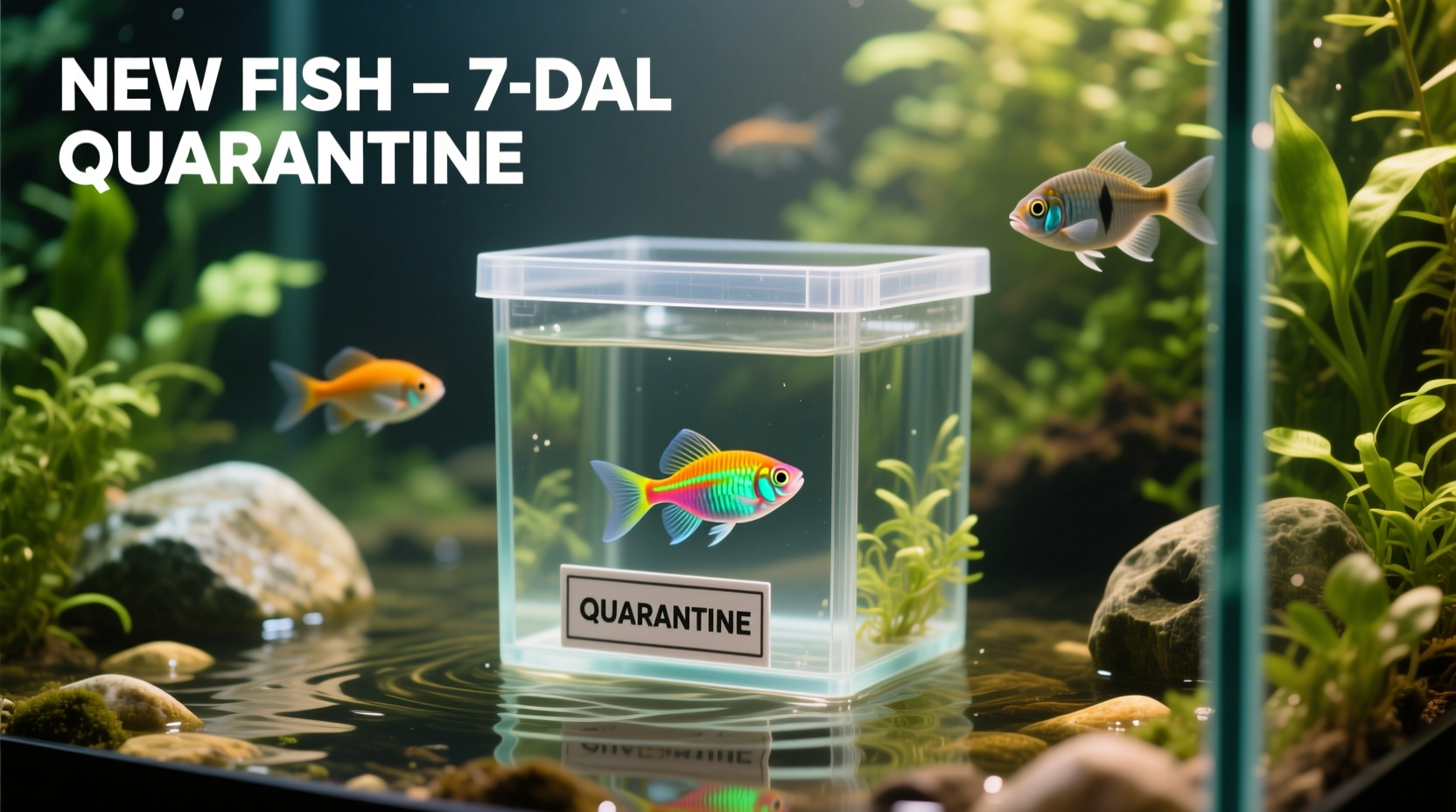
Fish are highly sensitive creatures. Unlike mammals, they cannot regulate their internal environment independently of the water around them. Changes in temperature, pH, salinity, or social structure trigger immediate physiological responses. Stress in fish manifests through rapid gill movement, loss of appetite, erratic swimming, clamped fins, or hiding. Chronically stressed fish become vulnerable to pathogens such as ich (white spot disease), fin rot, and bacterial infections.
When introducing new fish, two groups are at risk: the newcomers, who face unfamiliar surroundings and potential hostility, and the residents, whose territory and routine are disrupted. Minimizing this dual stress is essential for long-term tank stability. According to Dr. Jessie Sanders, a certified aquatic veterinarian, “The first 72 hours after introduction are critical. Up to 90% of post-purchase fish deaths occur within this window due to improper acclimation or undetected illness.”
“Stress is the number one contributor to fish mortality in home aquariums. Proper quarantine and slow acclimation aren’t optional—they’re non-negotiable.” — Dr. Jessie Sanders, Aquatic Veterinarian
The Step-by-Step Process for Safe Fish Introduction
Bringing new fish into your tank should never be rushed. Follow this structured timeline to ensure safety and compatibility.
- Quarantine First (7–14 Days): House new fish in a separate tank to monitor for signs of disease. This prevents exposing your main tank to parasites or infections.
- Match Water Parameters: Test temperature, pH, hardness, and salinity (if applicable) in both tanks. Differences greater than 0.2 pH units or 2°F in temperature require adjustment.
- Float the Bag (15–20 Minutes): Place the sealed transport bag on the surface of the main tank to equalize temperature gradually.
- Drip Acclimation (45–60 Minutes): Use airline tubing to slowly introduce main tank water into the bag or container at a rate of 2–3 drips per second.
- Net and Transfer: Gently net the fish and place it into the tank. Do not pour transport water into the aquarium—it may contain contaminants.
- Observe for 1–2 Hours: Watch for aggression, breathing issues, or unusual behavior. Turn off lights to reduce stimulation.
- Feed Established Fish First: Resume feeding after 24 hours, starting with the original inhabitants to reinforce their sense of security.
Quarantine: The Most Overlooked Step
Many hobbyists skip quarantine to save space or time, but this shortcut often leads to disaster. A dedicated quarantine tank doesn’t need to be large—a 10-gallon setup with basic filtration and heating suffices. Equip it with a sponge filter (pre-cycled from your main tank for beneficial bacteria) and minimal décor to simplify cleaning.
During quarantine, observe daily for symptoms like flashing (rubbing against objects), white spots, cloudy eyes, or lethargy. Treat any illness here before it spreads. Additionally, feed the fish your regular diet to ensure they accept it once introduced to the main tank.
Some species, such as angelfish and discus, are particularly prone to external parasites like Cryptocaryon and Oodinium. Quarantining allows early detection and treatment without risking other tank mates.
Compatibility and Tank Preparation
Before adding any fish, evaluate whether your tank can support them socially and environmentally. Consider these factors:
- Temperament: Aggressive species like cichlids may attack newcomers unless introduced at night or with visual barriers.
- Size: Large predators may see small fish as food, regardless of species.
- Territory: Bottom-dwellers like loaches or catfish defend specific zones; rearranging substrate before introduction can reset territorial claims.
- Water Flow & Habitat: Fast-swimming tetras prefer open areas, while shy fish like dwarf corydoras need dense plants and hiding spots.
| Species Type | Recommended Introduction Method | Special Considerations |
|---|---|---|
| Peaceful Community Fish (Neon Tetra, Guppy) | Drip acclimation + dimmed lighting | Add in groups; avoid pairing with fin-nippers |
| Semi-Aggressive (Betta, Dwarf Cichlid) | Nighttime release or partitioned view | Use plants or decorations as visual shields |
| Bottom Dwellers (Corydoras, Loach) | Match substrate type; acclimate slowly | Ensure smooth gravel to prevent barbel erosion |
| Shoaling Species (Cardinal Tetra, Rasbora) | Introduce entire group simultaneously | Minimum group size: 6–8 individuals |
| Large Predators (Oscars, Arowanas) | Size-appropriate tank only; no small tank mates | Monitor feeding response closely |
Real Example: Introducing Corydoras to a Planted Tank
Maria, a hobbyist with a mature 30-gallon planted aquarium housing cherry barbs and otocinclus, wanted to add a school of six emerald green corydoras. She knew corys were peaceful but sensitive to poor water conditions and sudden changes.
She set up a 10-gallon quarantine tank with a sponge filter seeded from her main tank. After confirming the corydoras were eating well and showing no signs of illness over 10 days, she began the introduction process. On the day of transfer, she turned off the aquarium lights and performed a 50% water change to optimize clarity and oxygen levels. Using drip acclimation over 50 minutes, she slowly adjusted the corys to her tank’s slightly softer water. She released them near a cluster of java ferns, where they immediately burrowed into the sand substrate.
Over the next three days, Maria observed no aggression from the barbs. Within a week, the corydoras were confidently foraging during daylight and integrating into the mid-bottom zone. Her attention to quarantine and gradual acclimation prevented stress-related complications and ensured a smooth transition.
Common Mistakes That Cause Stress
Even experienced aquarists sometimes make errors that compromise fish health. Avoid these pitfalls:
- Pouring Transport Water Into the Tank: This introduces unknown pathogens, excess ammonia, or pesticides used in breeding facilities.
- Skipping Acclimation Altogether: Sudden shifts in pH or temperature can cause osmotic shock, leading to organ failure.
- Adding One Fish at a Time to Shoaling Species: Isolated individuals become targets and experience extreme anxiety.
- Overfeeding After Introduction: Leftover food degrades water quality rapidly when fish are too stressed to eat.
- Using Netting That Damages Slime Coats: Rough nets can remove protective mucus, increasing infection risk.
Post-Introduction Monitoring Checklist
After releasing new fish, your job isn’t done. Use this checklist to ensure ongoing stability:
- ✅ Observe all fish for 1–2 hours post-release for signs of aggression or distress
- ✅ Keep aquarium lights off or dimmed for the first 24 hours
- ✅ Delay feeding for 24 hours to allow adjustment; then feed established fish first
- ✅ Test water parameters (ammonia, nitrite, pH) daily for the next 3 days
- ✅ Look for hiding, rapid gilling, or refusal to eat over the next 72 hours
- ✅ Avoid making additional changes (cleaning, rearranging) for at least 5 days
- ✅ Remove any deceased fish immediately to prevent ammonia spikes
Frequently Asked Questions
How long should I wait before adding more fish after a previous introduction?
Wait at least 2–3 weeks before introducing additional fish. This allows the biological filter to adjust to increased bioload and gives new arrivals time to settle into social hierarchies without further disruption.
Can I introduce fish during a water change?
Yes—and it’s actually ideal. Performing a partial water change (25–30%) shortly before introduction improves water quality and reduces stress hormones accumulated by resident fish. Just complete the change before starting the acclimation process.
What if my existing fish attacks the new one?
Minor chasing is normal as dominance is established. However, persistent aggression—biting, bleeding, or constant cornering—requires intervention. Separate the aggressor temporarily using a tank divider or move the new fish back to quarantine. Rearranging décor can also disrupt established territories and reduce targeted aggression.
Conclusion: Patience Builds a Thriving Aquarium
Successfully introducing new fish isn’t about speed—it’s about empathy for the animals’ needs and respect for the delicate balance of your aquatic environment. Every step, from quarantine to drip acclimation and post-introduction monitoring, serves to minimize stress and maximize survival. By following these science-backed practices, you protect not only individual fish but the long-term health of your entire tank.




 浙公网安备
33010002000092号
浙公网安备
33010002000092号 浙B2-20120091-4
Comments
No comments yet. Why don't you start the discussion?