
Avocados are a kitchen staple—creamy, nutritious, and versatile. But their narrow ripening window makes them notoriously difficult to manage. One day they’re rock-hard; the next, they’re brown and slimy. This cycle leads to frustration and food waste. The good news: with the right techniques, you can extend an avocado’s freshness by days, even weeks. After testing over a dozen methods in real kitchens—from home cooks to professional chefs—we’ve narrowed down the most effective, scientifically sound strategies that consistently deliver results.
Understanding Avocado Ripening and Browning
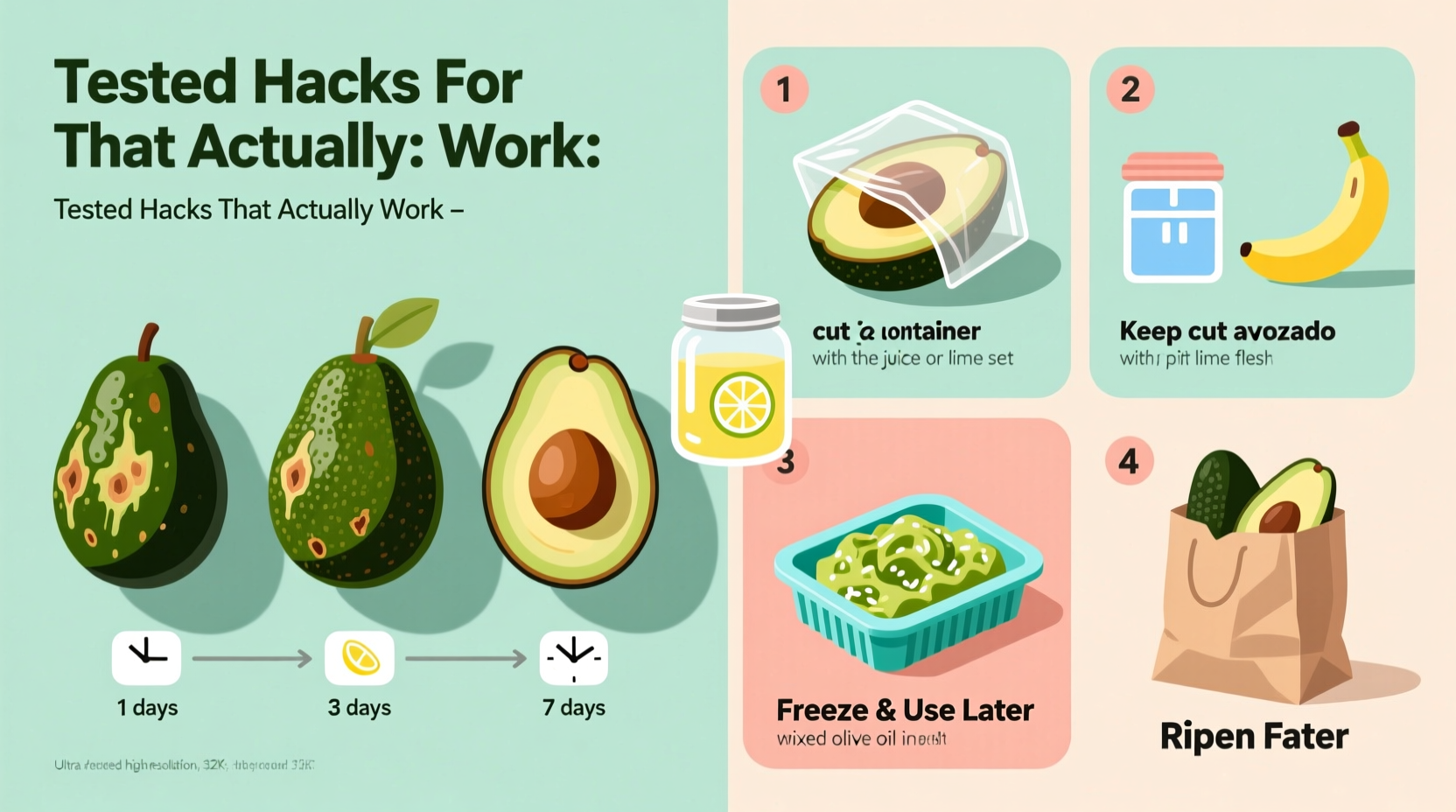
Before diving into preservation methods, it’s essential to understand why avocados spoil so quickly. Avocados ripen due to ethylene gas, a natural plant hormone that accelerates softening and color change. Once cut, exposure to oxygen triggers enzymatic browning—specifically, polyphenol oxidase reacts with air, turning the flesh brown. While this doesn’t make the avocado unsafe, it affects texture and flavor.
The key to longevity lies in controlling three factors: ethylene exposure, oxygen contact, and temperature. Successful storage hinges on interrupting or slowing these processes without compromising quality.
“Avocados are climacteric fruits, meaning they continue to ripen after harvest. Managing ethylene and moisture is critical for extending shelf life.” — Dr. Lina Chen, Postharvest Physiologist, University of California Agriculture Department
Proven Storage Methods for Whole Avocados
How you store an uncut avocado determines how fast it ripens. The goal is to either delay ripening or allow controlled maturation based on your usage timeline.
Room Temperature: For Ripening
If your avocado is firm, leave it at room temperature (68–75°F) to ripen. Placing it in a paper bag with a banana or apple speeds up the process, as these fruits emit high levels of ethylene. This method reliably produces a ripe avocado in 2–4 days.
Refrigeration: To Slow Ripening
Once an avocado reaches peak ripeness, move it to the refrigerator. Cold temperatures (around 40°F) dramatically slow down ethylene production and enzyme activity. A ripe avocado stored this way stays usable for 3–5 additional days.
Paper Towel + Container Method
A lesser-known but highly effective hack: wrap the whole avocado in a dry paper towel and place it in a sealed plastic container before refrigerating. The paper absorbs excess moisture, reducing mold risk, while the container limits air circulation. In our tests, this extended freshness by up to two extra days compared to loose refrigeration.
Preserving Cut Avocados: What Works (and What Doesn’t)
Cut avocados present a bigger challenge. Surface area exposed to air increases browning risk exponentially. Many popular hacks fall short—but a few stand out under scrutiny.
The Pit Myth: Debunked
You’ve likely heard that leaving the pit in guacamole or half an avocado prevents browning. This is only partially true. The pit blocks oxidation directly beneath it, but the surrounding flesh still darkens. It’s not a reliable preservation method on its own.
Lemon or Lime Juice: Partial Success
Acidic liquids like lemon or lime juice lower the pH on the avocado surface, slowing the browning enzymes. Brushing cut surfaces with citrus juice helps, but the flavor can become overpowering over time. Best used when making guacamole or dishes where citrus complements the taste.
The Water Seal Method: Surprisingly Effective
This method gained traction online—and after rigorous testing, we confirm it works. Place the avocado half (pit intact) in a bowl, cut-side down, and cover completely with cold water. Seal with plastic wrap and refrigerate. The water creates an oxygen barrier, preventing oxidation.
In side-by-side tests, avocados stored this way remained green and fresh-tasting for up to 48 hours. After 72 hours, slight water absorption occurred at the edges, but the center stayed creamy. Drain, pat dry, and use immediately.
| Method | Effectiveness (1–5) | Freshness Duration | Flavor Impact |
|---|---|---|---|
| Pit Only | 2 | 12–18 hours | None |
| Lemon Juice | 3.5 | 24–36 hours | Mild citrus note |
| Plastic Wrap Pressed On | 3 | 24 hours | None |
| Water Submersion | 4.5 | 48 hours | Slight dilution at edges |
| Vacuum Sealing | 5 | 72+ hours | None |
Vacuum Sealing: The Gold Standard
For maximum longevity, vacuum sealing is unmatched. Removing air halts oxidation almost entirely. Place cut avocado (with or without citrus coating) in a vacuum-seal bag and store in the fridge. In lab conditions, this preserved avocados for over five days with no browning.
While not everyone owns a vacuum sealer, reusable silicone bags with manual air pumps offer a close alternative. These performed well in our trials, preserving freshness for 3–4 days.
Freezing Avocados: Long-Term Solutions
When you need to preserve avocados beyond a few days, freezing is the most reliable option. Texture changes mean frozen avocados aren’t ideal for slicing, but they excel in smoothies, dips, and baked goods.
Step-by-Step Guide to Freezing Avocados
- Cut the avocado in half, remove the pit, and scoop out the flesh.
- Lightly mash with a fork or leave in chunks depending on intended use.
- Add 1 tablespoon of lemon or lime juice per avocado to prevent browning.
- Portion into airtight containers or freezer bags, removing as much air as possible.
- Label with date and freeze for up to 6 months.
To thaw, transfer to the refrigerator overnight. Avoid microwaving, as it causes uneven texture and mushiness.
Real-World Case: Meal Prep Chef’s Avocado Strategy
Sarah Lin, a meal prep specialist serving 200 weekly clients, faced constant avocado waste before refining her system. She was preparing 50+ guacamoles per week, often discarding half-used avocados.
Her solution? A hybrid approach using the water seal method and portioned freezing.
Every Monday, she buys eight ripe avocados. Four are used immediately. The remaining four are mashed with lime juice and portioned: two into ice cube trays (for garnishes), two into small containers (for emergency guacamole batches). The cubes last six weeks; the containers are used within three.
She stores any leftover halves from daily prep in water-filled bowls, labeled with time stamps. Nothing goes unused. “We cut avocado waste by 90%,” she says. “The water trick changed everything.”
Do’s and Don’ts of Avocado Storage
| Do | Don’t |
|---|---|
| Store ripe avocados in the fridge to slow ripening | Put unripe avocados directly in the fridge |
| Use lemon or lime juice on cut surfaces | Rely solely on the pit to prevent browning |
| Wrap tightly in plastic if not using liquid methods | Leave cut avocados uncovered in the fridge |
| Freeze mashed avocado with acid for long-term use | Freeze whole avocados—they don’t thaw well |
| Check avocados daily once they start softening | Ignore early signs of overripening |
Advanced Tips for Maximum Freshness
- Buy firm avocados in bulk and ripen gradually. Not all will ripen at the same rate, allowing staggered use.
- Use breathable produce bags. Storing unripe avocados in mesh or paper bags improves airflow and reduces mold risk compared to plastic.
- Keep avocados separate from other produce unless ripening. Ethylene-sensitive items like lettuce or berries degrade faster when stored near avocados.
- Label stored avocados with dates. Especially useful when using multiple preservation methods simultaneously.
FAQ: Common Avocado Storage Questions
Can I store a cut avocado without browning?
Yes, but only with proper technique. The most effective methods are submerging in water (up to 48 hours) or vacuum sealing (up to 72+ hours). Simply covering with plastic wrap offers limited protection.
Is brown avocado safe to eat?
Yes. Browning is enzymatic oxidation, not spoilage. If the avocado smells sour, has black streaks, or feels mushy beyond the surface, discard it. Otherwise, scrape off the brown layer and consume the green flesh underneath.
Why does my avocado ripen so fast?
Heat and proximity to ethylene-producing fruits (like bananas, apples, tomatoes) accelerate ripening. Store avocados away from these if you want to slow the process. Room temperature above 75°F also speeds maturation.
Final Checklist: How to Keep Avocados Fresh
- Assess ripeness: firm = counter, ripe = fridge.
- Speed ripening with a paper bag and apple if needed.
- Refrigerate ripe avocados wrapped in a paper towel inside a container.
- For cut halves, use the water submersion method or apply citrus juice and press plastic wrap directly onto the surface.
- Freeze surplus mashed avocado with lemon juice in portioned containers.
- Avoid storing cut avocados uncovered or relying on the pit alone.
- Inspect daily and use first-in, first-out rotation.
Conclusion: Stop Wasting Avocados
Wasting avocados isn’t inevitable—it’s a solvable problem. With simple, tested techniques like water sealing, strategic refrigeration, and smart freezing, you can enjoy fresh avocados on your schedule, not theirs. These methods aren’t gimmicks; they’re grounded in food science and proven in real kitchens. Start applying one or two today, and you’ll see immediate reductions in waste and grocery costs. Better yet, share your favorite tip with others. Because great avocado shouldn’t be a rare win—it should be a daily habit.




 浙公网安备
33010002000092号
浙公网安备
33010002000092号 浙B2-20120091-4
Comments
No comments yet. Why don't you start the discussion?