
Fresh herbs elevate dishes from ordinary to extraordinary. A sprig of basil can transform a tomato sauce, while cilantro adds brightness to salsas and curries. But too often, those vibrant green bunches wilt within days, turning slimy or brown before you’ve had a chance to use them. This isn’t just frustrating—it’s costly and wasteful. The good news is that with the right storage techniques, most herbs can stay crisp, aromatic, and usable for up to two or three weeks. The key lies in understanding the biology of herbs and tailoring your approach based on their type.
Herbs are delicate plant parts, mostly leaves, stems, and sometimes flowers. They continue to respire after harvest, losing moisture and nutrients over time. Cold temperatures slow this process, but improper handling in the fridge can accelerate decay. By adjusting humidity, airflow, and hydration, you can dramatically extend freshness. Whether you’re working with tender leafy herbs like parsley or woody varieties like rosemary, there’s a method that works best for each.
Understanding Herb Types: Tender vs. Woody
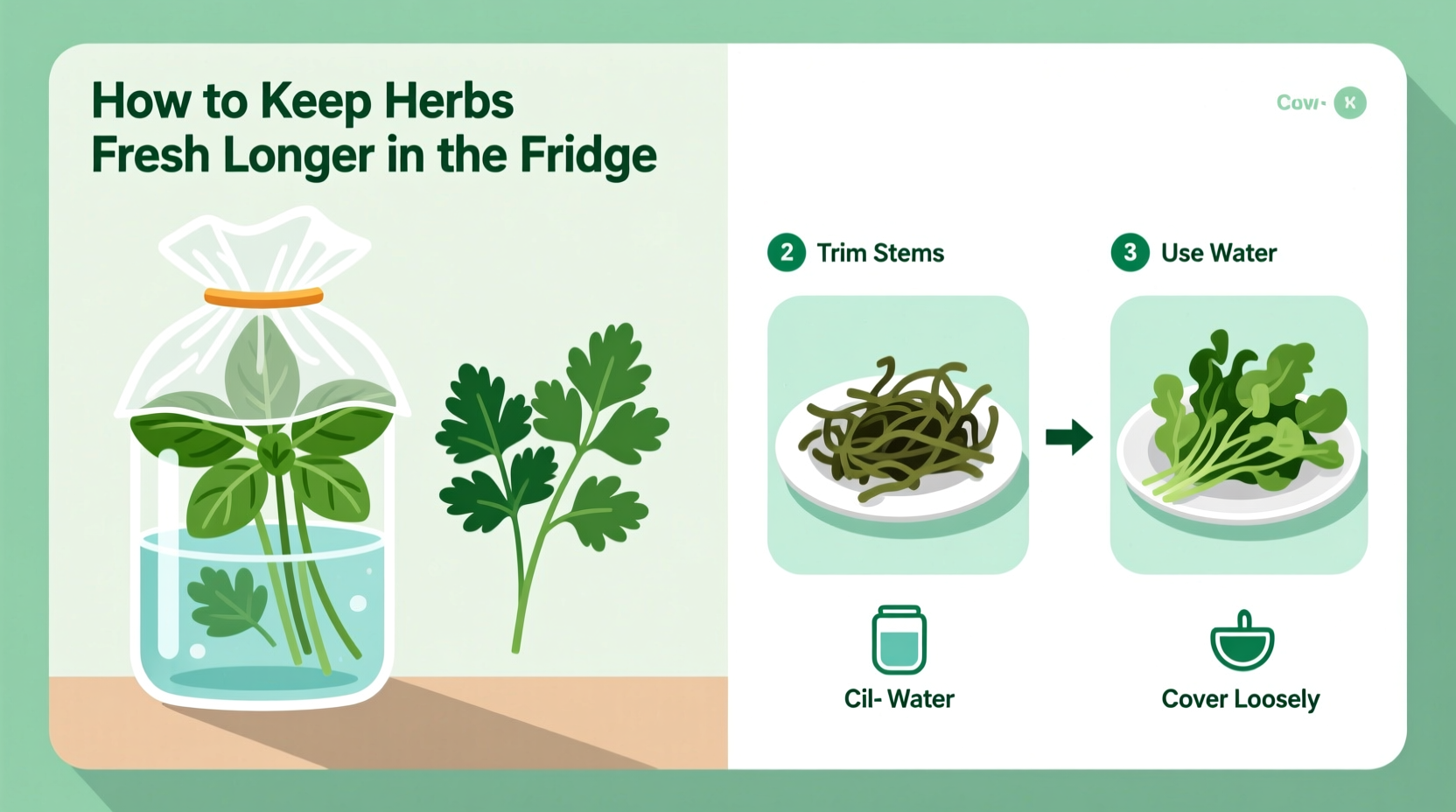
Not all herbs respond the same way to refrigeration. The first step in preserving them is categorizing them correctly. Herbs fall into two main groups: tender (soft-stemmed) and woody (hard-stemmed). Each group has different water and oxygen needs, which dictates how they should be stored.
- Tender herbs: Include basil, cilantro, parsley, dill, tarragon, and mint. These have thin stems and high surface-area-to-volume ratios, making them prone to drying out quickly. They benefit from hydration and moderate humidity.
- Woody herbs: Include rosemary, thyme, oregano, sage, and marjoram. Their thick, fibrous stems retain moisture better and make them more resilient. They prefer dry, cool environments with minimal moisture to prevent mold.
Mistreating one category can lead to rapid spoilage. For example, wrapping woody herbs in a damp paper towel may cause them to rot, while letting tender herbs dry out will make them brittle. Recognizing these differences ensures you apply the correct preservation strategy.
Step-by-Step Guide: How to Store Herbs by Type
The following timeline outlines the ideal preparation and storage process for both tender and woody herbs. Following these steps can extend shelf life significantly.
- Inspect upon arrival: As soon as you bring herbs home, check for damaged or yellowing leaves. Remove any spoiled parts to prevent ethylene gas from accelerating decay in healthy portions.
- Rinse only if necessary: Wash tender herbs if visibly dirty, using cold water. Avoid washing woody herbs unless heavily soiled—they absorb moisture easily, increasing mold risk.
- Trim the stems: Cut ½ inch off the bottom of each stem at an angle. This increases surface area for water absorption and prevents sealing against container bottoms.
- Choose the right storage method: Apply the appropriate technique based on herb type (see below).
- Label and date: Use masking tape to mark the storage date. Most herbs last 1–3 weeks when stored properly.
- Check every 3–4 days: Refresh water for hydrated herbs, replace paper towels if damp, and discard any decaying pieces.
Storing Tender Herbs (Basil, Cilantro, Parsley)
Tender herbs thrive with consistent hydration. The jar-and-water method mimics their natural growing conditions.
- Fill a glass or small jar with 1–2 inches of water.
- Place the trimmed herb stems into the water, like a bouquet.
- Cover loosely with a plastic bag or reusable produce cover to maintain humidity.
- Store upright in the refrigerator door or on a middle shelf.
- Change the water every 2–3 days to inhibit bacterial growth.
Basil is an exception—it’s tropical and sensitive to cold. If possible, store it at room temperature away from direct sunlight, changing the water daily. If refrigeration is unavoidable, wrap it lightly in a dry paper towel and place in a container to minimize chilling injury.
Storing Woody Herbs (Rosemary, Thyme, Oregano)
These herbs need ventilation and low moisture. The dry-wrap method works best.
- Wrap the herbs loosely in a slightly damp paper towel—just enough to feel cool to the touch, not wet.
- Place the bundle inside a resealable plastic bag or airtight container.
- Leave the bag partially open or poke a few small holes for airflow.
- Store in the crisper drawer, where humidity is controlled.
This method maintains just enough moisture to prevent desiccation without encouraging mold. Check weekly; replace the paper towel if it becomes damp or discolored.
Do’s and Don’ts of Herb Storage
| Do’s | Don’ts |
|---|---|
| Trim stems before storing | Leave herbs in original plastic clamshells (they trap moisture) |
| Use clean containers and tools | Wash herbs until ready to use (pre-washing speeds decay) |
| Store herbs away from ethylene-producing fruits (apples, bananas) | Crush or overcrowd herbs in tight containers |
| Refresh water every 2–3 days for hydrated herbs | Freeze tender herbs without blanching (leads to mushiness) |
| Label storage date for rotation | Assume all herbs can be treated the same way |
Expert Insight: What Food Scientists Recommend
Preserving herbs isn’t just kitchen wisdom—it’s backed by food science. Researchers at the University of California Cooperative Extension emphasize that post-harvest handling is critical for maintaining chlorophyll and essential oils in herbs.
“Maintaining turgor pressure through proper hydration and minimizing microbial growth via clean storage can extend the shelf life of parsley and cilantro by up to 14 days.” — Dr. Lena Torres, Postharvest Physiologist, UC Davis
Another key factor is temperature stability. Fluctuations in fridge temperature—especially when the door is opened frequently—can cause condensation inside containers, promoting mold. Keeping herbs in the main compartment rather than the door (except for hydrated jars) helps maintain consistency.
Mini Case Study: Reducing Waste in a Home Kitchen
Sophia, a home cook in Portland, used to throw away nearly half of her weekly herb purchases. After attending a local farmers’ market, she began buying fresh bunches of cilantro, dill, and thyme but struggled to use them before they spoiled. She tried leaving them in plastic bags, then wrapping them in foil, with little success.
After learning about the jar method, she started trimming cilantro stems and placing them in a water-filled mason jar, covered with a reusable silicone lid. For thyme, she adopted the damp paper towel technique. Within a month, her waste dropped by 80%. Her cilantro stayed vibrant for 18 days, and she was able to use thyme in multiple recipes over two weeks. “I didn’t realize such small changes could make such a big difference,” she said. “Now I actually look forward to using herbs because I know they’ll last.”
Alternative Preservation Methods
If you consistently find yourself with surplus herbs, consider long-term preservation options that lock in flavor and aroma.
Freezing Herbs
Freezing is ideal for cooking applications, though texture changes make frozen herbs unsuitable for garnishes.
- Whole leaves: Blanch tender herbs for 15 seconds, chill in ice water, pat dry, and freeze on a tray before transferring to a bag.
- Ice cube method: Chop herbs, place in ice cube trays, cover with water or olive oil, and freeze. Great for soups, stews, and sauces.
- Woody herbs: Freeze whole sprigs without blanching. Strip leaves when needed.
Drying Herbs
Drying concentrates flavor and is perfect for woody herbs.
- Bundle small bunches and hang upside down in a warm, dark, well-ventilated area.
- After 1–2 weeks, when leaves crumble easily, strip them from stems.
- Store in airtight jars away from light and heat.
Note: Basil and cilantro lose much of their character when dried. Freezing is preferable for these.
FAQ: Common Herb Storage Questions
Can I store all herbs together in the same container?
No. Mixing tender and woody herbs leads to compromised conditions—either too moist or too dry. Store them separately using the appropriate method for each type.
Why does my cilantro always go bad so fast?
Cilantro is highly perishable due to its thin stems and sensitivity to ethylene gas. It also attracts bacteria if stored in stagnant water. Trim stems, change water every two days, and remove any slimy parts immediately to prolong freshness.
Is it safe to eat herbs that have darkened or smell off?
No. Discoloration, slime, or sour odors indicate microbial growth. Discard any herbs showing these signs. When in doubt, throw it out.
Herb Storage Checklist
Follow this checklist to maximize freshness every time you buy herbs:
- ☐ Sort herbs into tender and woody categories
- ☐ Remove packaging and trim stems
- ☐ Wash only if visibly dirty (dry thoroughly)
- ☐ Use jar + water method for tender herbs
- ☐ Use damp paper towel + breathable bag for woody herbs
- ☐ Store away from ethylene-producing fruits
- ☐ Check and refresh every 3–4 days
- ☐ Label with purchase date
- ☐ Consider freezing surplus for future use
Conclusion: Fresh Herbs Within Reach
Keeping herbs fresh longer isn’t about perfection—it’s about practical adjustments rooted in plant biology and real-world experience. By categorizing your herbs, using targeted storage techniques, and staying attentive to moisture and contamination, you can enjoy vibrant flavors for weeks instead of days. The effort takes just minutes but pays off in reduced waste, better meals, and greater confidence in the kitchen.




 浙公网安备
33010002000092号
浙公网安备
33010002000092号 浙B2-20120091-4
Comments
No comments yet. Why don't you start the discussion?