
There’s nothing quite like returning from a relaxing vacation—except when you walk in the door to find your beloved houseplants wilted, brown, or worse, beyond saving. For indoor gardeners, this scenario is all too common. But it doesn’t have to be. With thoughtful preparation and smart self-watering techniques, your plants can thrive even when you’re away for days or weeks.
The key lies in understanding your plants’ needs and using low-tech, reliable systems that deliver moisture consistently. Whether you’re gone for five days or five weeks, there are practical solutions that don’t require expensive gadgets or complicated setups. From DIY bottle drip systems to wicking methods and humidity traps, this guide covers everything you need to ensure your green companions stay hydrated and healthy in your absence.
Assess Your Plants Before You Leave
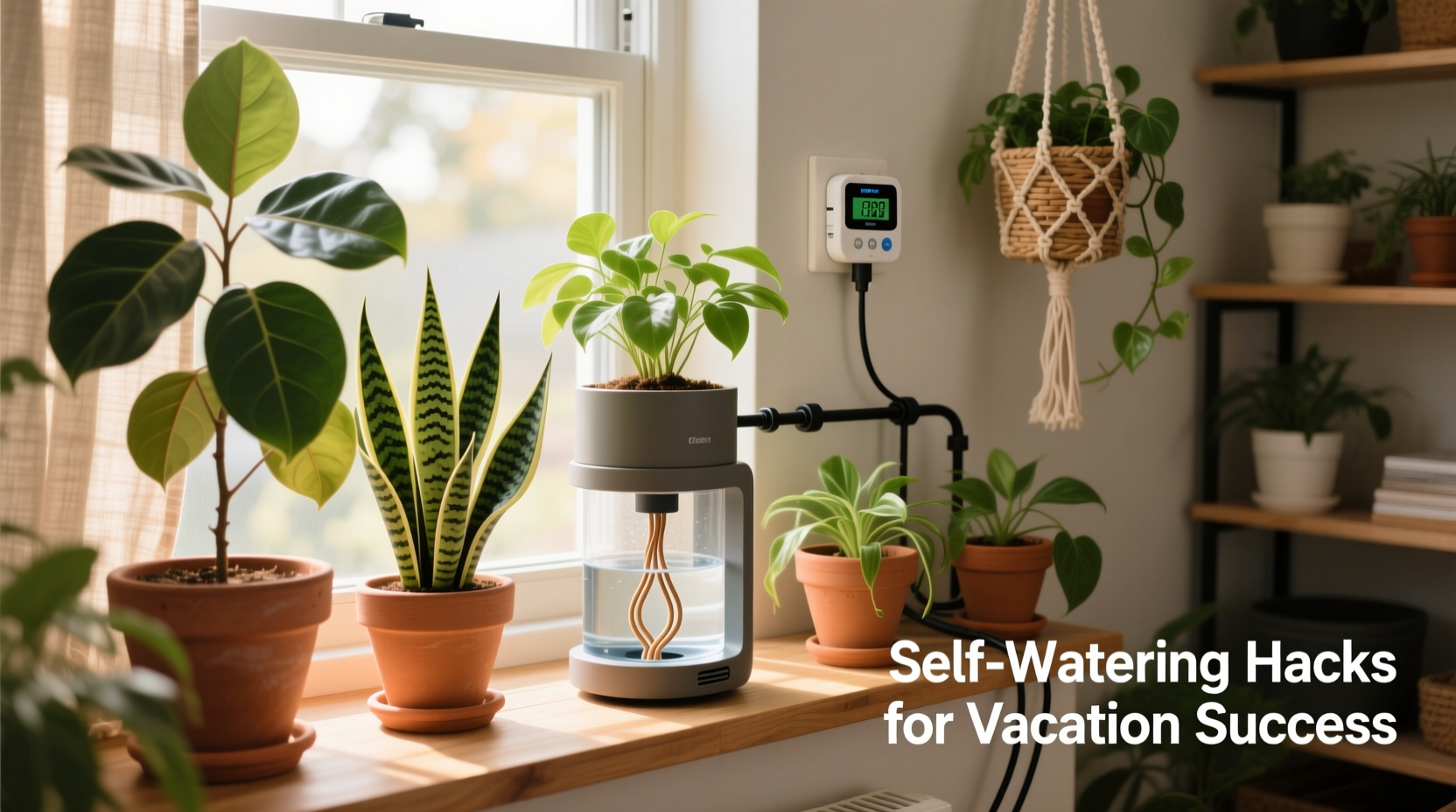
Not all houseplants respond the same way to extended periods without direct care. Succulents and cacti, for example, can go weeks without water, while ferns and calatheas dry out quickly and demand consistent moisture. The first step in protecting your collection is evaluating each plant’s individual requirements.
Begin by grouping your plants based on their water needs. This allows you to apply targeted watering strategies rather than treating every plant the same. Check soil moisture levels, inspect for pests, and prune any yellowing leaves before departure. A little pre-trip maintenance goes a long way in preventing stress-related decline.
Common Plant Categories by Water Needs
| Plant Type | Water Frequency | Suitable Self-Watering Method |
|---|---|---|
| Succulents & Cacti | Every 2–4 weeks | Bottle irrigation, minimal intervention |
| Snake Plants & ZZ Plants | Every 2–3 weeks | Wick system, bottom watering |
| Pothos & Philodendrons | Weekly | Bottle drip, capillary matting |
| Ferns & Calatheas | Twice weekly | Double potting, humidity tent + reservoir |
| Orchids | Bi-weekly (moisture-sensitive) | Transparent pots in water trays |
D.I.Y. Self-Watering Hacks That Actually Work
You don’t need to invest in smart planters or automated timers to keep your plants hydrated. Simple household items can be repurposed into effective self-watering systems. Below are several proven methods you can set up in under an hour.
1. Plastic Bottle Drip System
This low-cost solution uses recycled water bottles to deliver a slow, steady supply of water directly to the soil.
- Clean a plastic bottle (500ml–1L) and remove the label.
- Poke 2–3 small holes in the cap using a pin or nail.
- Fill the bottle with water and screw the cap back on.
- Bury the bottle neck-first into the soil near the plant’s base.
The water seeps out gradually over several days, depending on hole size and soil absorption rate. Larger plants may require two bottles.
2. Cotton Wick Irrigation
Ideal for smaller potted plants, this method uses capillary action to pull water from a reservoir into the soil.
- Cut a 12–18 inch piece of cotton rope or shoelace (natural fiber works best).
- Insert one end deep into the soil near the roots.
- Place the other end in a container of water positioned below the pot.
Gravity and wicking action move water upward as needed. Use a large enough reservoir to last your entire trip—typically 1–2 liters for a week-long absence.
3. Double Potting with Water Reservoir
Also known as the “semi-hydroponic” method, this setup involves nesting a porous pot (like unglazed terracotta) inside a watertight outer container filled with water.
The inner pot absorbs moisture through its walls, delivering it slowly to the soil. Monitor water levels to avoid root rot, especially in humid environments.
4. Capillary Matting
Lay a strip of absorbent material—such as a cotton towel or specialized capillary mat—between a water tray and the bottom of your plant pots. As the mat draws water upward, the pot absorbs it through drainage holes.
This method works best for multiple plants grouped together on a tray. Ensure the mat stays submerged at one end and makes contact with all pots.
“Plants don’t need daily attention—they need consistency. A simple wick or bottle system can maintain moisture equilibrium better than erratic hand-watering.” — Dr. Lena Reyes, Urban Horticulturist, Brooklyn Botanic Garden
Creating a Mini Greenhouse Effect
For humidity-loving plants like fittonias, marantas, and maidenhair ferns, dehydration isn’t just about soil dryness—it’s also about air moisture. These tropical species suffer quickly in dry indoor conditions, especially during winter travel months.
To combat this, create a microclimate that retains humidity around the plant. One effective method is the “plastic bag greenhouse”: place a clear plastic bag over the plant (supported by stakes or chopsticks to avoid leaf contact) and seal it loosely around the pot. Include a small cup of water inside the enclosure to boost humidity.
Position these tented plants in indirect light only—direct sun will cook them inside the sealed environment. While not suitable for succulents or cacti, this hack can be life-saving for delicate foliage.
Real Example: Sarah’s Two-Week Trip to Portugal
Sarah, a plant enthusiast from Portland, was anxious about leaving her 30+ houseplants unattended during a two-week Mediterranean getaway. Her collection included high-maintenance specimens like a variegated monstera and a rare peperomia.
She grouped plants by water needs, moved them to a bright but shaded bathroom, and implemented a hybrid system: bottle drips for medium-water users, wicks for snake plants, and capillary mats for pothos and philodendrons. Ferns were double-potted with extra water trays and covered in breathable mesh tents.
Upon return, every plant had survived—most showed new growth. Only one peace lily drooped slightly but revived within hours of rehydration. “I thought I’d lose half my jungle,” she said. “But planning ahead made all the difference.”
Step-by-Step Pre-Vacation Plant Care Routine
Follow this timeline to prepare your plants 3–7 days before departure:
- Day 7: Inspect all plants for pests, disease, or stress signs. Treat issues immediately.
- Day 5: Prune dead or yellowing leaves and rotate pots for even growth.
- Day 3: Clean leaves with a damp cloth to improve photosynthesis efficiency.
- Day 2: Water deeply to saturate root zones. Avoid soggy soil.
- Day 1: Set up self-watering systems and test flow rates. Group plants by light and moisture needs.
- Day 0: Move sensitive plants away from direct sun and drafty windows. Confirm reservoirs are full.
Consider labeling each plant with a sticky note indicating its watering method and any special instructions, especially if someone is checking in.
Do’s and Don’ts of Vacation Plant Care
| Do’s | Don’ts |
|---|---|
| Group plants with similar needs together | Overfill water reservoirs, risking root rot |
| Use filtered or distilled water in wicks and bottles | Leave plants in direct sunlight with plastic covers |
| Test systems at home before leaving | Rely solely on neighbors unless absolutely necessary |
| Trim weak growth to reduce stress | Apply fertilizer right before leaving |
| Choose opaque containers to prevent algae growth | Use metal wicks—these corrode and harm soil pH |
Frequently Asked Questions
How long can houseplants survive without water?
It depends on the species and environment. Most common houseplants can endure 1–2 weeks without water if properly prepared. Succulents and ZZ plants may last 4–6 weeks, while ferns and calatheas rarely survive more than 7–10 days without humidity support.
Can I use tap water in self-watering systems?
In most cases, yes—but if your tap water is heavily chlorinated or hard (high in minerals), it can build up in soil over time and damage sensitive roots. For long absences, filtered, rain, or distilled water is preferable, especially in wick and bottle systems where evaporation concentrates impurities.
Is it safe to leave plants in bathrooms with self-watering setups?
Bathrooms are often ideal due to higher ambient humidity and stable temperatures. Just ensure the space receives adequate indirect light. Avoid placing plants directly under vents or near frequently used showers unless protected from steam scalding.
Final Checklist Before You Go
- ✅ Water all plants 1–2 days before departure
- ✅ Install chosen self-watering system (bottle, wick, mat, etc.)
- ✅ Fill reservoirs and test flow/drip rates
- ✅ Group plants by light and moisture requirements
- ✅ Move plants away from direct sun and drafts
- ✅ Label systems for clarity and emergency reference
- ✅ Provide caretaker instructions if needed
Conclusion: Travel with Peace of Mind
Keeping houseplants alive while on vacation isn’t about luck—it’s about preparation. With a few simple tools and a bit of foresight, you can automate hydration and protect your indoor garden from drought stress. The self-watering methods outlined here are accessible, affordable, and highly effective when applied correctly.
Your plants contribute to your well-being year-round. Returning home to lush, vibrant greenery enhances the joy of being back. So before your next trip, take a few hours to implement these strategies. Your future self—and your leafy friends—will thank you.




 浙公网安备
33010002000092号
浙公网安备
33010002000092号 浙B2-20120091-4
Comments
No comments yet. Why don't you start the discussion?