
White bedding offers a timeless, clean aesthetic that elevates any bedroom. But maintaining its brightness without resorting to bleach or synthetic detergents can feel like a constant battle. Over time, sweat, body oils, dust, and detergent residue dull the fabric, leading to grayish tones and yellowing—especially in cotton and linen. The good news is that you don’t need aggressive chemicals to restore and preserve that fresh-from-the-factory glow. With thoughtful laundering techniques and natural ingredients already found in most kitchens, you can keep your linens looking crisp, bright, and inviting for years.
The Problem with Harsh Chemicals
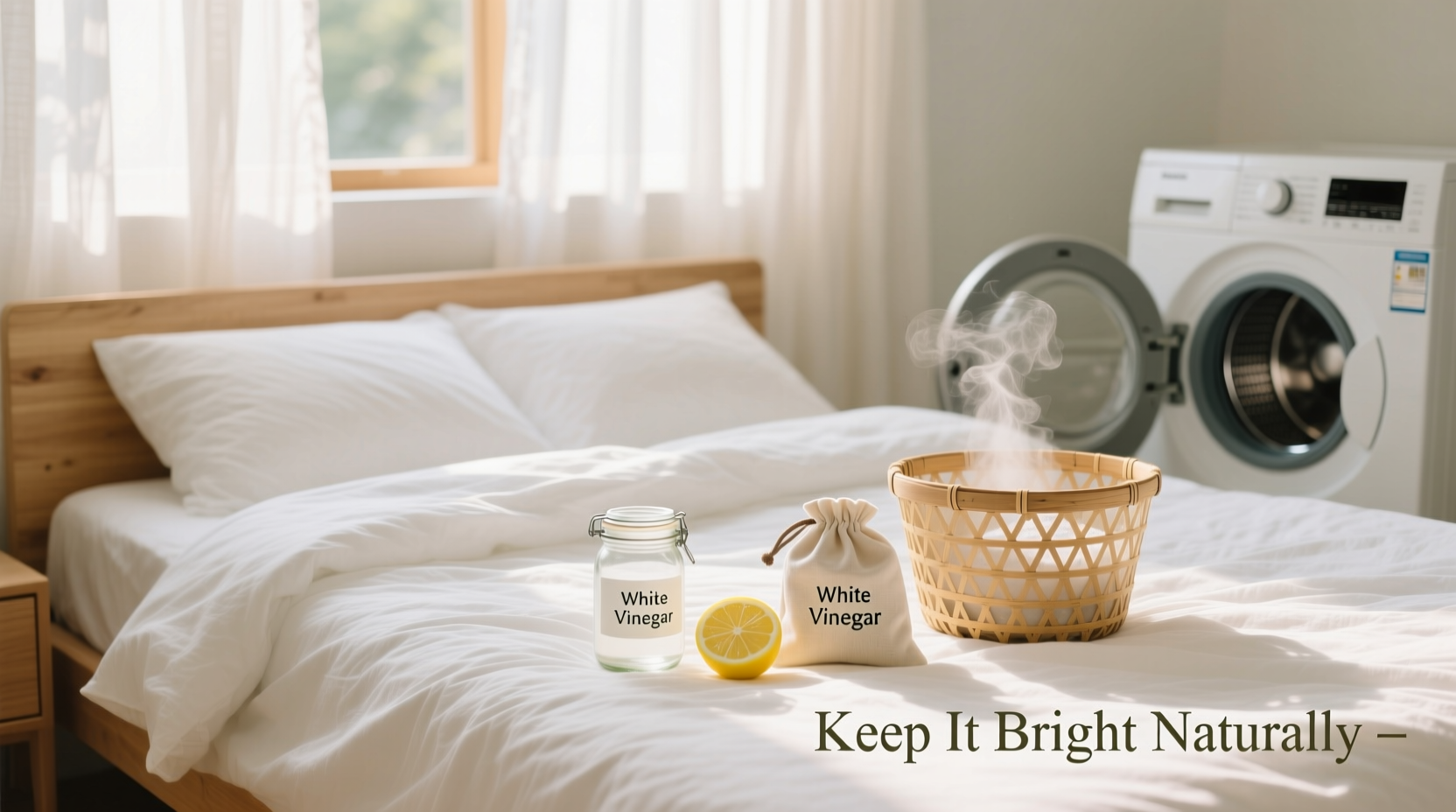
Bleach may deliver immediate whitening results, but it comes at a cost. Sodium hypochlorite, the active ingredient in household bleach, breaks down textile fibers over time, weakening sheets and shortening their lifespan. It also leaves behind chemical residues that can irritate sensitive skin and disrupt indoor air quality. Additionally, many conventional detergents contain optical brighteners—synthetic compounds that coat fabrics with a fluorescent layer to mimic brightness. These wear off after a few washes and contribute to environmental pollution.
Opting for non-toxic alternatives isn’t just safer for your health and the planet—it’s often more sustainable in the long run. Natural methods work gradually, preserving fabric integrity while delivering consistent results when applied regularly.
Natural Whitening Agents That Actually Work
Several pantry staples double as powerful, eco-friendly whitening agents. Unlike bleach, these ingredients lift stains and brighten fabric through oxidation or enzymatic action without damaging fibers.
- Baking soda (sodium bicarbonate): A mild alkali that neutralizes odors, softens water, and helps lift dirt from fabric. It enhances the cleaning power of your detergent and prevents graying.
- White vinegar (acetic acid): Breaks down mineral deposits, soap scum, and organic residues. Its acidity dissolves buildup that causes dinginess and restores softness.
- Hydrogen peroxide (3% solution): A gentle oxidizer that brightens without the toxicity of chlorine bleach. Effective on light stains and discoloration.
- Lemon juice: Contains citric acid and natural bleaching properties activated by sunlight. Ideal for spot treatments and sun-bleaching boosts.
- Oxygen-based cleaners (e.g., sodium percarbonate): Release hydrogen peroxide when dissolved in water. These are biodegradable and highly effective for soaking and pre-treating.
These substances are not only accessible and affordable—they’re also compatible with most machine-washable fabrics, including cotton, linen, bamboo, and microfiber.
Step-by-Step Guide to Brighter White Bedding
Maintaining bright whites requires consistency and proper technique. Follow this routine every 4–6 weeks—or more frequently if needed—to keep bedding luminous.
- Strip the bed and inspect: Check for stains, especially around pillowcases and fitted sheet edges. Treat spots immediately with a paste of baking soda and water or a drop of hydrogen peroxide.
- Pre-soak for deep cleaning: Fill your washing machine or a large tub with warm water (check fabric care labels). Add ½ cup oxygen-based cleaner and ½ cup baking soda. Soak sheets for 4–6 hours or overnight.
- Wash with natural boosters: After soaking, run a normal cycle using your regular plant-based detergent. Add ½ cup white vinegar to the rinse cycle to remove residue and soften fabric.
- Air-dry in sunlight: Hang sheets outside on a clothesline. UV rays naturally break down remaining stains and enhance brightness. Rotate sheets halfway through drying for even exposure.
- Store properly: Once dry, fold neatly and store in a cool, dry place away from direct sunlight to prevent premature fading.
Do’s and Don’ts of Non-Toxic Whitening
| Do’s | Don’ts |
|---|---|
| Use cold or warm water instead of hot to preserve fibers | Use hot water excessively—it can set stains and weaken threads |
| Add ½ cup baking soda to every wash cycle | Mix vinegar and hydrogen peroxide in the same cycle—they neutralize each other |
| Air-dry in direct sunlight for natural bleaching | Tumble dry on high heat regularly—it causes yellowing and shrinkage |
| Rotate between multiple sets to reduce wear | Leave damp sheets bunched up—it encourages mildew and odors |
| Spot treat with lemon juice + sunlight for tough stains | Apply undiluted essential oils directly—they can stain or degrade fibers |
“Natural brightening works best when integrated into a consistent routine. It’s not about one dramatic fix—it’s about daily choices that add up.” — Dr. Lena Torres, Textile Scientist & Sustainable Home Expert
Real Example: Reviving Years-Old Linens
Sarah, a homemaker in Portland, inherited a set of 100% cotton sheets from her grandmother. Though well-made, they had yellowed over decades of storage and occasional use. Unwilling to discard such sentimental items, she avoided bleach due to her children’s eczema. Instead, she soaked the sheets in a bathtub with ¾ cup oxygen-based powder and ½ cup baking soda in warm water for 8 hours. She then washed them with a castile soap detergent and added white vinegar to the rinse. After line-drying in afternoon sun for two consecutive days, the sheets emerged noticeably brighter and smelled fresh. After repeating the process monthly for three months, they regained nearly their original luster—proving that patience and natural methods can yield impressive results.
Checklist: Keep Your Whites Bright Naturally
Use this checklist to maintain your white bedding effortlessly:
- ☐ Wash sheets weekly in cold or warm water
- ☐ Add ½ cup baking soda to every wash load
- ☐ Use white vinegar in the rinse cycle monthly
- ☐ Pre-soak stained or dingy sets every 4–6 weeks
- ☐ Hang sheets outside in direct sunlight when possible
- ☐ Store clean linens in breathable cotton bags or drawers
- ☐ Replace detergent with a fragrance-free, plant-based formula
- ☐ Avoid fabric softeners—they leave a waxy coating that traps dirt
Frequently Asked Questions
Can I use apple cider vinegar instead of white vinegar?
It’s not recommended. Apple cider vinegar has pigments and sugars that may stain light fabrics or leave a faint color cast. Stick to clear distilled white vinegar for best results.
How often should I deep-clean my white bedding?
Every 4 to 6 weeks is ideal, depending on usage and climate. In humid environments or during allergy season, consider monthly soaking treatments to prevent mustiness and buildup.
Will sunlight damage my sheets over time?
While prolonged UV exposure can eventually degrade fibers, occasional sun-drying is beneficial and safe. Limit direct sun exposure to 2–3 hours per session, and rotate the fabric to avoid uneven fading.
Final Thoughts: Sustainability Meets Simplicity
Keeping white bedding bright doesn’t require toxic shortcuts. By embracing natural ingredients and mindful laundering habits, you protect both your linens and your home environment. The key lies in consistency—not intensity. Regular washing with baking soda, periodic soaking with oxygen cleaners, and harnessing the power of sunlight form a trifecta of effective, chemical-free care. Over time, these practices not only preserve brightness but also extend the life of your bedding, reducing waste and saving money.
You don’t need a laundry room full of specialty products. Often, the most powerful tools are already in your pantry. With a little attention and routine care, your white sheets can remain luminous, soft, and hygienic—naturally.




 浙公网安备
33010002000092号
浙公网安备
33010002000092号 浙B2-20120091-4
Comments
No comments yet. Why don't you start the discussion?