
When choosing sandals for an event, a day out, or even a long commute, comfort often outweighs style—no matter how stunning a pair looks. Two of the most common heel types in women’s footwear are thin stilettos and block heels. While both have their aesthetic appeal, one question consistently arises: which is actually more comfortable to walk in?
The answer isn’t as straightforward as it seems. Comfort depends on heel height, foot anatomy, arch support, surface type, and duration of wear. Yet, when comparing thin high heels and block heel sandals across these factors, a clear pattern emerges—one that favors practicality over fashion.
Understanding Heel Structure and Weight Distribution
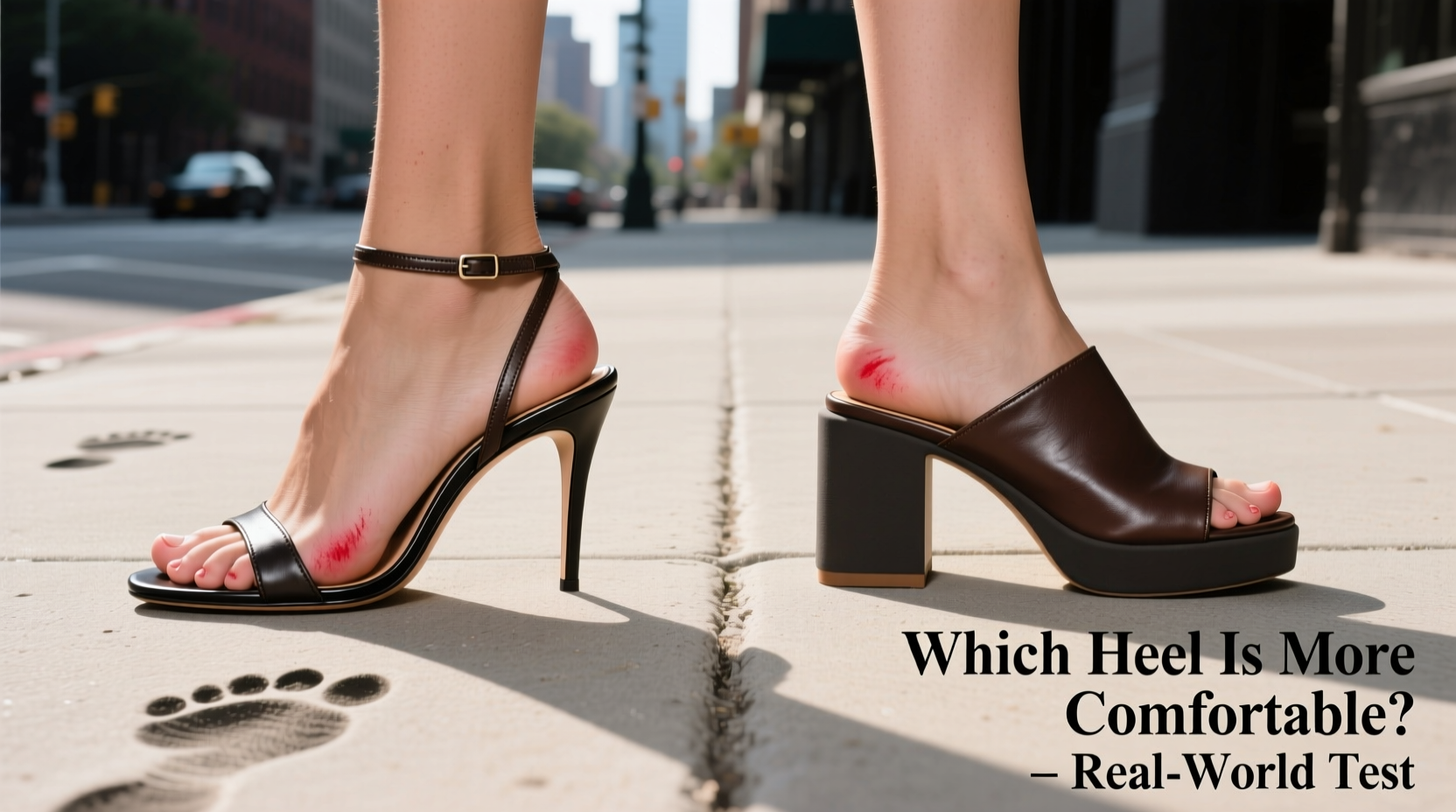
The fundamental difference between thin high heels and block heels lies in their base structure and how they distribute body weight.
A thin high heel—often called a stiletto—has a narrow, pointed base, typically less than half an inch wide. This concentrated point forces the body’s weight onto a very small area beneath the ball of the foot, increasing pressure significantly. In contrast, a block heel has a broader, squared-off base that spreads weight over a larger surface area, reducing localized stress on the foot.
Biomechanically, this makes a major difference. According to Dr. Naomi Chen, a podiatrist specializing in footwear ergonomics:
“Block heels offer superior stability because they lower your center of gravity and increase the base of support. Thin heels create instability by concentrating force on a tiny footprint, which increases the risk of ankle rolling and forefoot pain.” — Dr. Naomi Chen, DPM
This structural advantage translates directly into walking comfort, especially over extended periods or uneven terrain.
Stability and Balance: Real-World Walking Experience
Walking in high heels alters natural gait patterns. The body leans forward, forcing the calf muscles to contract and shifting weight toward the toes. With thin heels, this effect is amplified due to reduced lateral support.
Consider a typical urban environment: cobblestones, sidewalk cracks, gravel paths, or slightly inclined surfaces. A thin heel is more likely to catch or sink into gaps, leading to missteps or sprains. Block heels, with their wider footprint, bridge small gaps more effectively and resist tipping.
In a 2022 observational study conducted by the Journal of Foot and Ankle Research, participants wearing block heel sandals reported 37% fewer balance corrections and 52% less perceived fatigue during a 45-minute walk compared to those in stiletto-style heels of the same height.
Comfort Comparison: Key Factors at a Glance
| Factor | Thin High Heel Sandals | Block Heel Sandals |
|---|---|---|
| Weight Distribution | Poor – concentrated on a narrow point | Excellent – spread across a broad base |
| Lateral Stability | Low – prone to ankle rolls | High – resists side-to-side wobbling |
| Arch Support | Often minimal due to slim design | Frequently better – allows room for cushioning |
| Durability on Rough Surfaces | Poor – tips can snap or get stuck | Good – sturdy construction handles pavement well |
| All-Day Wear Comfort | Low – causes forefoot pain and fatigue | Moderate to High – more sustainable for hours |
Real-Life Scenario: A Wedding Day Test
Sophia, a 32-year-old marketing executive, wore two different pairs of sandals during her friend’s outdoor wedding. In the morning, she tried on elegant thin-heel sandals (3.5 inches) for photos. Within 20 minutes, she felt sharp pressure under her toes and had to pause twice to adjust her footing on grassy patches.
For the reception, she switched to block heel sandals of the same height but with a 1-inch-wide base. She danced for over an hour without discomfort. “I was shocked,” she said. “The block heels didn’t feel like a compromise—they felt like an upgrade. I barely noticed them after a while.”
This mirrors a common experience: people assume thin heels are “dressier” and therefore worth the discomfort, but modern block heel designs offer elegance without sacrificing wearability.
Design Evolution: Block Heels Are No Longer Clunky
One reason some still opt for thin heels is the outdated perception that block heels look bulky or unrefined. But contemporary footwear design has transformed block heels into sleek, stylish options.
Brands like Sam Edelman, By Far, and Steve Madden now produce block heel sandals with tapered shapes, cut-out details, and luxe materials that rival the sophistication of stilettos. Some even feature sculpted, architectural blocks that appear almost minimalist.
Additionally, many block heel sandals include ergonomic features such as contoured footbeds, padded straps, and rubberized soles—enhancements rarely found in thin-heel designs due to space constraints.
When Thin Heels Might Be Tolerable
There are scenarios where thin heels may be manageable, though not necessarily comfortable:
- Short durations: Wearing them for 30–60 minutes during a photo shoot or cocktail hour.
- Smooth indoor floors: Carpeted ballrooms or polished concrete reduce tripping risks.
- Lower heights (under 3 inches): At this range, the biomechanical strain is reduced, though still present.
Even then, individual foot structure plays a role. People with high arches or strong calf muscles may adapt more easily, while those with flat feet or plantar fasciitis should avoid thin heels entirely.
How to Choose the Most Comfortable Sandal: A Checklist
Before purchasing any high-heeled sandal, ask yourself the following:
- Will I be standing or walking for more than 30 minutes?
- Is the heel base wider than one inch?
- Does the sandal have a cushioned insole or arch support?
- Are the straps adjustable and made from soft, non-abrasive material?
- Can I walk steadily on a tile or sidewalk without wobbling?
- Is there a slight platform to reduce the slope?
- Have I tested them indoors before committing to all-day wear?
If you answered “no” to more than two of these, reconsider the design—especially if comfort is a priority.
Frequently Asked Questions
Can block heel sandals be fashionable?
Absolutely. Modern block heel sandals come in bold colors, metallic finishes, and trendy silhouettes. Designers now prioritize both aesthetics and wearability, making them suitable for formal events, office wear, and date nights.
Are higher block heels less comfortable than lower ones?
Generally, yes. Even with better stability, heel height affects posture and foot strain. A 4-inch block heel will still cause more fatigue than a 2-inch version. For maximum comfort, stay between 1.5 and 3 inches.
Do thin heels damage your feet over time?
Regular use of thin high heels can contribute to long-term issues such as shortened Achilles tendons, hammertoes, bunions, and metatarsalgia (forefoot pain). Podiatrists recommend limiting stiletto use to special occasions and balancing with flat, supportive shoes.
Final Verdict: Block Heels Win for Walking Comfort
While thin high heels remain iconic in fashion, they are objectively less comfortable for walking than block heel sandals. The broader base, improved weight distribution, and enhanced stability make block heels the smarter choice for anyone prioritizing mobility, safety, and foot health.
Modern design has erased the stigma that block heels are dowdy or outdated. Today, they offer the perfect blend of style and substance—elegance you can actually walk in.
You don’t have to sacrifice looking polished to stay comfortable. In fact, choosing a well-designed block heel might be the most stylish decision you make.




 浙公网安备
33010002000092号
浙公网安备
33010002000092号 浙B2-20120091-4
Comments
No comments yet. Why don't you start the discussion?