
White sneakers are a wardrobe staple—versatile, stylish, and perfect for any outfit. But they come with a notorious downside: they get dirty easily, especially when the skies open up. Most people assume that wearing white shoes in the rain means inevitable stains, mud splatters, and hours of scrubbing. That doesn’t have to be true. With the right approach, you can wear your white sneakers through downpours and puddles without lifting a brush. The secret isn’t constant cleaning—it’s smart prevention.
This guide reveals how to maintain spotless white sneakers in wet conditions using minimal effort. From protective treatments to daily habits and material-specific strategies, you’ll learn how to preserve their brightness with almost no ongoing maintenance.
Choose the Right Sneakers from the Start
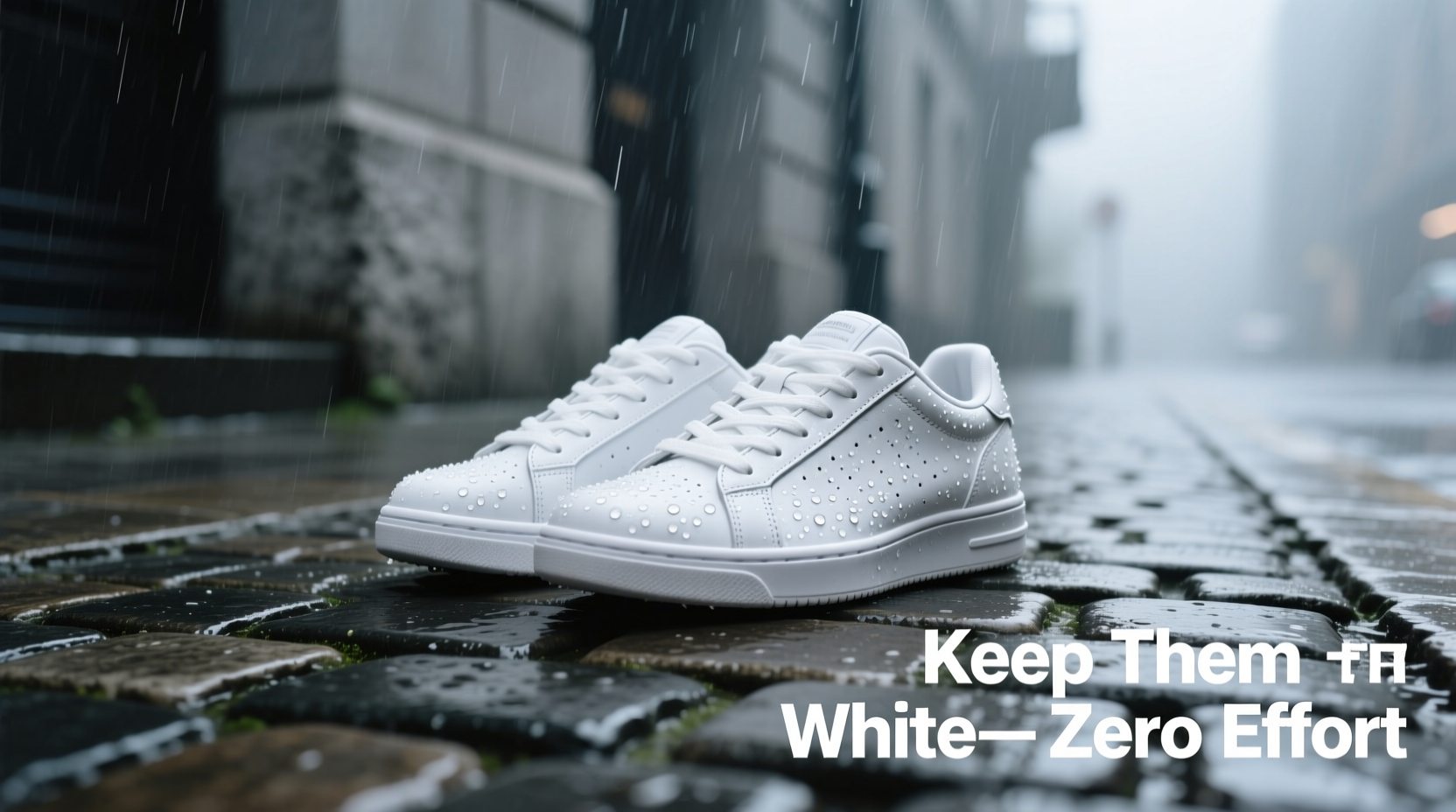
Not all white sneakers are created equal. Some materials resist water and dirt far better than others. Selecting the right pair is the first—and most important—step toward zero-effort cleanliness.
Synthetic fabrics like polyester or nylon blends tend to repel water more effectively than natural fibers such as canvas or untreated leather. Look for models labeled as “water-resistant” or those designed for urban environments. Brands like Adidas (with Primegreen uppers), Nike (using engineered mesh with coatings), and Allbirds (with merino wool treated for moisture resistance) now offer performance-focused white sneakers built for real-world conditions.
Apply a One-Time Protective Coating
The cornerstone of effortless sneaker care is applying a high-quality waterproofing spray. This step takes less than 15 minutes and lasts for months, forming an invisible shield that causes water and dirt to bead up and roll off.
Use a fluoropolymer-based protector (not silicone-based), which bonds at the molecular level and preserves breathability. Popular options include:
- Coleman Nano Protector – effective on fabric, leather, and mesh
- Jason Markk Repel – specifically formulated for sneakers
- Scotchgard Suede & Nubuck Protector – ideal for textured finishes
Follow this simple process once every 3–4 months, or after heavy exposure:
- Clean your sneakers thoroughly (first and only deep clean needed).
- Shake the spray well and apply from 6 inches away in a well-ventilated area.
- Cover all surfaces evenly, including seams and midsoles.
- Let dry for 24 hours before wearing.
“Water-repellent sprays don’t make sneakers invincible, but they dramatically reduce surface adhesion of grime—cutting cleaning time by over 90%.” — Dr. Lena Torres, Textile Durability Researcher, MIT Materials Lab
Maintain Cleanliness Between Wears with Passive Habits
Effortless maintenance relies on consistency, not intensity. Instead of waiting until your sneakers look grimy, adopt micro-habits that prevent buildup.
After each rainy use, remove laces and insoles and let the shoes air-dry naturally—never near direct heat. Place them sole-up on a breathable rack or windowsill. This prevents odor, mildew, and internal staining. If mud has splashed on, wait until it dries completely, then tap the shoes together outdoors. Dry mud often flakes off without wiping.
For quick touch-ups, keep a dry microfiber cloth by your door. A 10-second wipe-down removes surface dust and water marks before they set. No detergent, no sponge—just friction.
| Habit | Time Required | Benefit |
|---|---|---|
| Air-dry after rain | 0 extra effort | Prevents yellowing and odor |
| Dry brushing weekly | 30 seconds | Removes loose debris |
| Microfiber wipe post-wear | 10 seconds | Stops stains from setting |
| Rotate between two pairs | None | Allows full drying; extends life |
Real-Life Example: The Commuter Who Never Cleans His Sneakers
James, a software engineer in Seattle—one of the rainiest cities in the U.S.—wears white sneakers year-round. He walks 20 minutes to work daily, often through puddles and drizzle. Yet his sneakers look showroom-fresh months after purchase.
His routine? He applied Jason Markk Repel spray once when he bought them. He rotates between two identical pairs so each gets 48 hours to dry. After getting caught in the rain, he removes the insoles and lets them sit in his office cubicle overnight. Once a month, he wipes them with a dry cloth. That’s it.
“I used to spend Sundays scrubbing sneakers,” he says. “Now I don’t think about them at all. They just… stay clean.”
This isn’t magic—it’s system design. James eliminated the need for cleaning by focusing on protection and airflow, not scrubbing.
Do’s and Don’ts of Zero-Effort White Sneaker Care
To avoid common pitfalls, follow this straightforward guide tailored for low-maintenance upkeep in wet weather.
| Do | Don’t |
|---|---|
| Use a fluoropolymer protector every 3–4 months | Use shoe polish or wax on fabric sneakers |
| Store in a ventilated area, away from sunlight | Leave wet sneakers in a gym bag or plastic container |
| Tap off dried mud instead of wiping | Use bleach or harsh detergents—even diluted |
| Wipe with a dry microfiber cloth after each wear | Machine wash unless explicitly recommended by the brand |
| Replace laces if they yellow (cost: $3) | Ignore insole odor—replace or wash monthly |
Step-by-Step: The Zero-Effort Rainy Weather Routine
Here’s how to integrate effortless sneaker care into your lifestyle. This sequence requires no special tools beyond a spray bottle and cloth, and once set up, demands only passive attention.
- Week 1: Initial Protection
Clean new sneakers with a damp cloth and mild soap. Let dry 24 hours. Apply two light coats of waterproofing spray, waiting 2 hours between layers. Cure for 24 hours before first outdoor use. - Ongoing: Daily Micro-Habits
After each wear:- Remove laces and insoles.
- Place shoes sole-up in a dry, airy spot.
- Wipe upper with a dry microfiber cloth.
- Monthly: Passive Refresh
Inspect for water absorption. If droplets no longer bead, reapply protector. Otherwise, do nothing. Rotate laces if stained. - Every 3–6 Months: Insole Care
Wash insoles separately in cold water with gentle soap, or replace. This prevents odor and maintains cushioning without touching the shoe body.
No brushes. No soaking. No scrubbing. The goal isn’t perfection—it’s sustainability. These steps ensure your sneakers remain presentable with negligible input.
Frequently Asked Questions
Can I wear white sneakers in heavy rain?
Yes, provided they’ve been treated with a waterproofing spray and are made from synthetic or treated materials. Avoid deep puddles and extended submersion, but light to moderate rain won’t harm properly protected sneakers.
What if my sneakers already have stains?
If you’re starting with dirty shoes, one deep clean is necessary. Use a soft-bristled brush and a solution of 1 part vinegar to 2 parts water for fabric, or a dedicated sneaker cleaner for leather. Rinse with a damp cloth (don’t soak), dry fully, then apply protector. Afterward, return to zero-effort mode.
Do waterproof sprays damage sneaker materials?
High-quality fluoropolymer sprays are safe for most materials when used as directed. Avoid overspray on rubber soles or foam areas, as buildup can attract dust. Test on a small area first if using on suede or nubuck.
Final Thoughts: Clean Isn’t About Cleaning—It’s About Design
The idea of “zero effort” doesn’t mean neglect. It means designing a system where maintenance happens automatically through smart choices. Keeping white sneakers clean in rainy weather isn’t about diligence—it’s about strategy.
By choosing the right materials, applying long-lasting protection, and adopting passive habits, you remove the need for constant intervention. You stop fighting stains and start preventing them. Your sneakers stay cleaner not because you clean more, but because you clean less.
Imagine stepping out in a storm, walking through wet streets, and returning home with shoes that still look fresh—without having to do anything. That’s not luck. That’s intelligent care.




 浙公网安备
33010002000092号
浙公网安备
33010002000092号 浙B2-20120091-4
Comments
No comments yet. Why don't you start the discussion?