
White sneakers are a timeless staple in any wardrobe. Clean, bright whites elevate an outfit instantly. But maintaining that crisp look is easier said than done. Mud, grass, sidewalk scuffs, and daily wear quickly dull their shine. Most people reach for commercial cleaners or expensive sprays, but the truth is, your kitchen and bathroom already hold everything you need to restore and preserve your sneakers. With common household items like baking soda, vinegar, dish soap, and toothpaste, you can clean, protect, and prolong the life of your favorite kicks—without spending extra or introducing harsh chemicals.
Why Household Items Work Better Than You Think
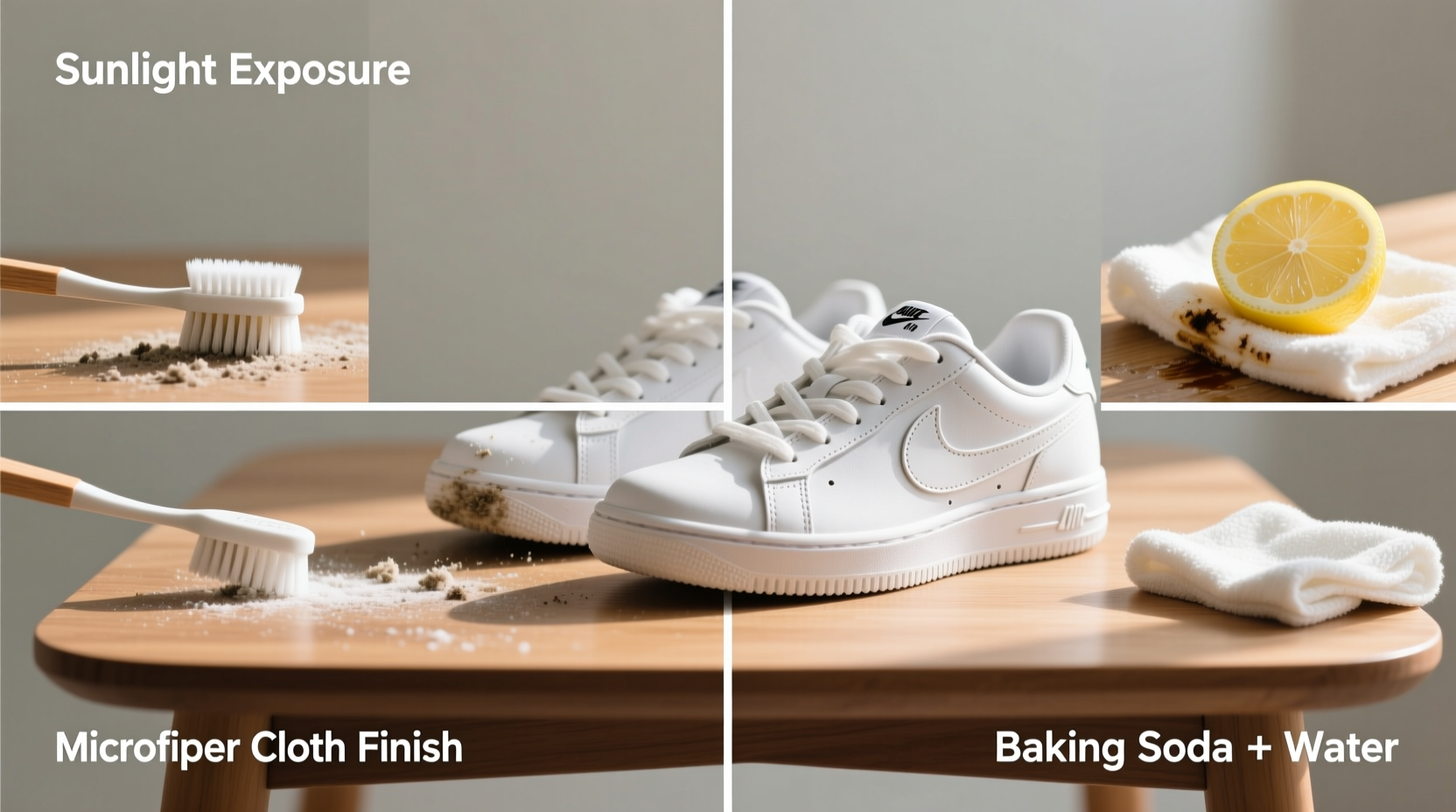
Commercial sneaker cleaners often contain solvents and synthetic fragrances that may damage delicate materials over time. In contrast, everyday household products offer gentle yet powerful cleaning action. Baking soda lifts stains and neutralizes odors. White vinegar breaks down grime and disinfects. Mild dish soap cuts through grease without harming fabric or rubber. Even old toothbrushes make ideal scrubbing tools. These ingredients are affordable, widely available, and environmentally friendlier than single-use plastic bottles of specialty sprays.
The key isn’t just what you use—it’s how you apply it. Understanding the composition of your sneakers helps determine the right method. Canvas, leather, mesh, and synthetic uppers all react differently to moisture and abrasion. Treating each material appropriately ensures cleaning removes dirt without causing discoloration, warping, or glue breakdown.
Step-by-Step Guide: Deep Cleaning Your White Sneakers at Home
A thorough cleaning restores brightness and eliminates embedded dirt. Follow this timeline-based process for best results. Allow 3–5 hours from start to finish, including drying time.
- Remove laces and insoles (10 minutes)
Take out the laces and pull up the insoles if possible. Soak laces separately in warm, soapy water. Wipe insoles with a damp cloth and mild soap, then air dry. - Dry brush loose debris (5 minutes)
Use a dry soft-bristle toothbrush or dedicated shoe brush to remove surface dust, mud, and lint from the upper, midsole, and tread. - Prepare cleaning paste (5 minutes)
Mix 1 tablespoon baking soda, 1 tablespoon hydrogen peroxide (3%), and 1 teaspoon dish soap into a thick paste. This combination gently whitens and lifts stains without chlorine bleach. - Scrub the soles and midsoles (15–20 minutes)
Apply paste directly to yellowed rubber or stained foam. Use circular motions with a toothbrush, focusing on edges where dirt accumulates. Let sit for 10 minutes before wiping with a damp microfiber cloth. - Clean the upper (15 minutes)
For canvas or mesh, dip a clean cloth in diluted dish soap (1 tsp per cup of water). Gently dab and wipe—never soak. For leather, use a vinegar-water mix (1:1) to avoid drying the material. - Rinse and blot (10 minutes)
Wipe cleaned areas with a damp cloth to remove residue. Do not rinse under running water—this weakens adhesives. Blot excess moisture with a dry towel. - Air dry properly (2–4 hours)
Stuff shoes with crumpled paper towels to maintain shape and absorb moisture. Place in a well-ventilated area away from direct sunlight or heat sources, which can warp soles and fade fabric.
“Improper drying is the most common mistake people make. Never put sneakers in the dryer or near a radiator. Moisture trapped inside breaks down cushioning and promotes odor.” — Marcus Tran, Footwear Restoration Technician
Do’s and Don’ts: What to Avoid When Cleaning White Sneakers
Even with natural ingredients, misuse can lead to irreversible damage. The following table outlines essential guidelines based on material type.
| Material | Do’s | Don’ts |
|---|---|---|
| Canvas/Mesh | Use baking soda paste; hand-wipe with damp cloth; air dry thoroughly | Soak in water; machine wash; expose to direct sun while drying |
| Leather/Synthetic Leather | Clean with vinegar-water mix; condition with coconut oil sparingly; wipe immediately after wear | Use baking soda paste (can scratch); apply too much moisture; store damp |
| Rubber Soles | Scrub with baking soda-hydrogen peroxide paste; use an old toothbrush for grooves | Use bleach (causes yellowing); abrasive scouring pads; leave dirty treads uncleaned |
Real Example: Reviving a Pair of Forgotten Kicks
Jamal, a college student in Chicago, wore his white canvas sneakers nearly every day during winter. By spring, they were grimy, smelly, and had turned a dingy gray. He assumed they were beyond saving and almost tossed them. Instead, he tried the baking soda–hydrogen peroxide method described above. After removing the laces and giving the soles a 20-minute scrub, he noticed immediate improvement. The midsole regained its whiteness, and the upper lost its muddy haze. He wiped the canvas carefully with soapy water, dried them overnight with newspaper inside, and was stunned by the result. “They looked 80% new,” he said. “I didn’t spend a dime, and now I clean them every two weeks to keep them fresh.”
This kind of transformation is common when proper technique meets consistent care. Jamal now keeps a small shoe-cleaning kit in his closet: an old toothbrush, baking soda, dish soap, and vinegar—all under $10 total.
Daily Maintenance Checklist for Long-Term Whiteness
Prevention is more effective than restoration. Incorporate these habits into your routine to minimize deep cleaning frequency.
- Wipe sneakers with a dry cloth after each wear to remove surface dust.
- Use a soft brush weekly to clean treads and midsole edges.
- Rotate between two pairs to reduce continuous wear and sweat buildup.
- Store in a breathable cotton bag or open shelf—never sealed plastic.
- Apply a light spray of vinegar-water mix (1:3 ratio) monthly to deter mold and odor.
- Reapply a protective barrier using a thin coat of diluted white glue (1 part glue to 3 parts water) on rubber edges to resist scuffing.
“Most people wait until sneakers look bad to clean them. But waiting accelerates degradation. A two-minute wipe-down after wearing prevents stains from setting and extends lifespan dramatically.” — Lila Nguyen, Sustainable Fashion Advocate
Frequently Asked Questions
Can I use toothpaste to clean white sneakers?
Yes, but with caution. Regular white toothpaste (not gel or whitening formulas with abrasives) can help lift minor scuffs on rubber soles. Apply a small amount to a toothbrush, scrub gently, then wipe clean. Avoid using on fabric uppers, as toothpaste may leave residue or cause stiffness.
Will baking soda and vinegar damage my sneakers?
When used correctly, no. Baking soda is mildly abrasive and excellent for scrubbing rubber. Vinegar is acidic but diluted (1:1 with water), it safely cleans leather and disinfects insoles. Never mix vinegar and hydrogen peroxide directly—they create peracetic acid, which is irritating. Use them in separate steps, not combined.
How often should I deep clean my white sneakers?
Every 3 to 4 weeks for daily wearers; once every 6–8 weeks for occasional use. If you notice visible grime, odor, or darkened midsoles, it’s time to clean. Frequent light maintenance reduces the need for aggressive treatments.
Protecting Your Sneakers Between Cleanings
Cleaning is only half the battle. Protection ensures longevity. While commercial sprays exist, you can create a breathable barrier at home. Mix equal parts water and white vinegar in a spray bottle. Lightly mist the upper (avoid oversaturation), then let dry completely. This lowers pH on the surface, making it less inviting for mold and bacteria. For added scuff resistance on rubber, rub a tiny amount of coconut oil onto the midsole with a cloth—this fills micro-scratches and adds a slight sheen.
Avoid walking through puddles or wet grass whenever possible. Waterlogged fabric takes longer to dry and promotes bacterial growth. If your sneakers do get soaked, remove insoles immediately, stuff with paper, and allow 24–48 hours of air drying. Never wear damp sneakers—they break down faster and harbor odor.
Conclusion: Simplicity Is the Ultimate Sophistication
Keeping white sneakers pristine doesn’t require expensive kits or trips to a sneaker spa. It requires consistency, the right techniques, and a few humble ingredients you likely already own. Baking soda, vinegar, dish soap, and a little elbow grease can achieve professional-level results. The real secret isn’t a magic formula—it’s routine. A quick wipe, a weekly brush, and a deep clean every month preserve both appearance and structural integrity.
Your sneakers reflect your effort. Whether you're commuting, traveling, or stepping out for coffee, clean whites speak volumes. Start today. Pull out that neglected pair, gather your household staples, and give them the refresh they deserve. You’ll be surprised how much life is left in them—and how good it feels to maintain something well with minimal waste and maximum impact.




 浙公网安备
33010002000092号
浙公网安备
33010002000092号 浙B2-20120091-4
Comments
No comments yet. Why don't you start the discussion?