
Stepping into a sweltering car on a hot summer day is more than uncomfortable—it can be dangerous. Interior temperatures can soar above 140°F (60°C) within an hour, even with outside temperatures in the 80s. While air conditioning offers relief, not all vehicles have reliable systems, and overuse increases fuel consumption and emissions. Fortunately, there’s a smarter, energy-efficient way to maintain a cooler cabin: reflective tools. These low-cost, high-impact solutions work by deflecting solar radiation before it turns into heat inside your vehicle. From sunshades to window tints and windshield reflectors, this guide explores how to use reflective technology effectively to keep your car cool—even without AC.
Why Reflective Tools Work: The Science of Solar Heat Rejection
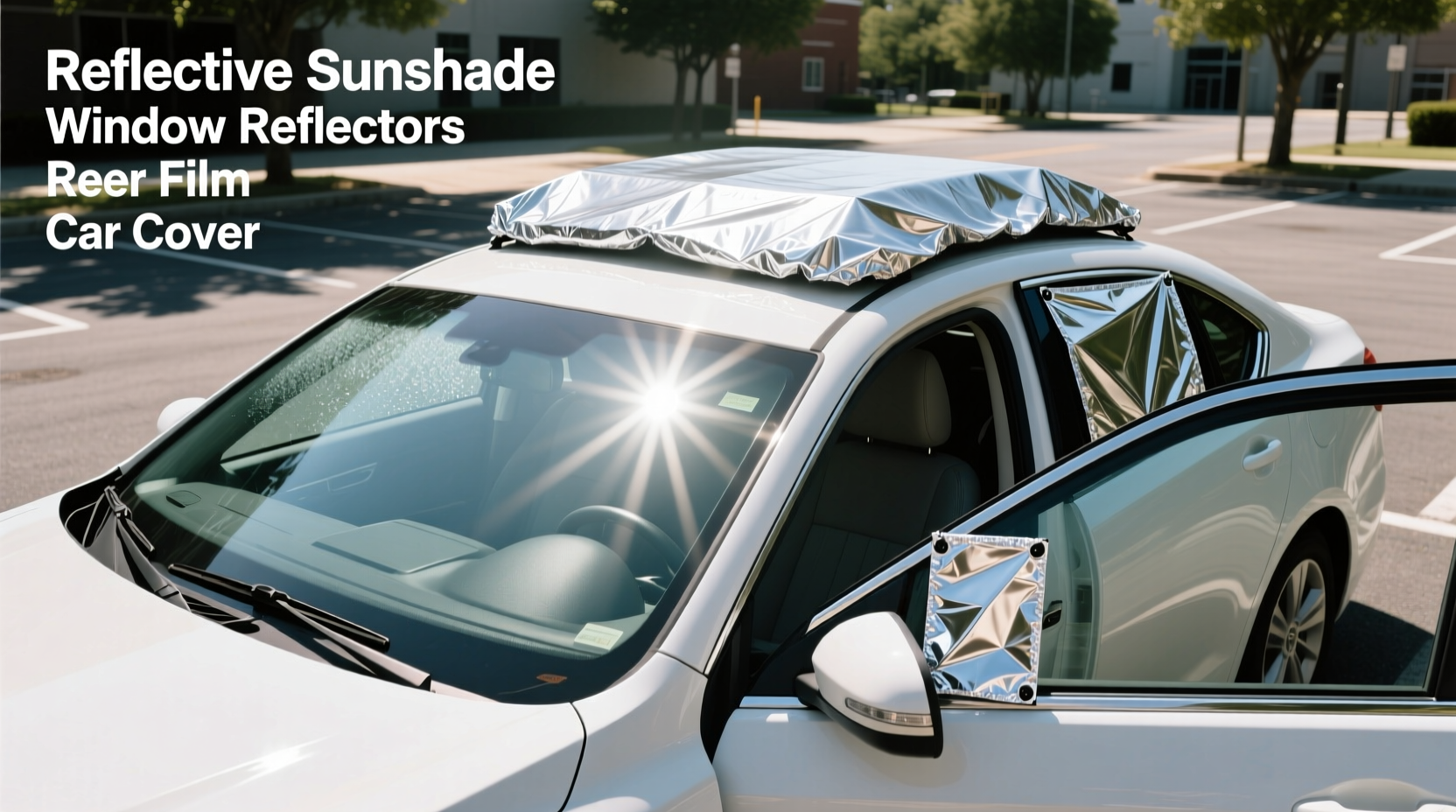
Solar energy enters your car primarily through glass surfaces—especially the windshield and side windows. Sunlight consists of visible light, infrared (heat), and ultraviolet (UV) radiation. When these rays strike interior surfaces like dashboards, seats, and steering wheels, they are absorbed and re-radiated as heat, raising the cabin temperature dramatically. This process is known as the greenhouse effect.
Reflective tools combat this by intercepting sunlight *before* it penetrates the glass or interior. High-albedo materials—those that reflect rather than absorb light—are key. For example, a white or silver surface can reflect up to 90% of incoming solar radiation, significantly reducing heat buildup.
According to the U.S. Department of Energy, using a reflective windshield shade can reduce interior temperatures by as much as 30°F (17°C). That difference transforms a scorching 150°F cabin into a still-warm but far more tolerable 120°F—giving you time to ventilate and drive comfortably without cranking the AC.
“Passive cooling strategies like reflective shading are among the most cost-effective ways to manage vehicle thermal load.” — Dr. Linda Chen, Senior Researcher at the National Renewable Energy Laboratory (NREL)
Top Reflective Tools to Keep Your Car Cool
Not all reflective tools are created equal. Some offer superior coverage, durability, and ease of use. Below are the most effective types backed by real-world performance and scientific testing.
1. Windshield Sunshades
Foldable, dome-shaped, or accordion-style shades made from reflective Mylar or aluminum-coated fabric fit snugly against the windshield. They block direct sunlight from entering the front cabin, where the largest glass surface resides. Look for custom-fit models that match your windshield dimensions for maximum coverage.
2. Side Window Shades
These retractable or static panels attach via suction cups or static cling and cover side windows. Particularly useful for parked cars in direct sunlight, they prevent radiant heat from reaching seats and door panels. Mesh versions allow visibility while still reflecting UV and infrared rays.
3. Rear Window Reflectors
Larger vehicles benefit from rear window shades, especially SUVs and vans. Magnetic or tension-mounted options provide full coverage and are easy to install and remove.
4. Reflective Windshield Covers (Full-Cover)
Unlike standard foldable shades, full-cover windshield protectors drape completely over the windshield and often extend slightly over the hood. Made with multi-layer insulation and reflective outer shells, they offer the highest level of protection. Ideal for long-term parking in exposed lots.
5. Solar-Reflective Paint or Vinyl Wraps
While not a temporary tool, applying light-colored or reflective wraps to your car’s exterior can reduce overall heat absorption. White, silver, or metallic finishes reflect more sunlight than dark paints, lowering surface temperatures by up to 20°F.
Step-by-Step Guide: How to Use Reflective Tools Effectively
Using reflective tools isn’t just about slapping on a sunshade and calling it a day. Strategic deployment maximizes their cooling potential. Follow this timeline-based approach for best results.
- Before Parking (Preparation): As you approach your destination, lower the tinted windows slightly (if safe) to release built-up heat. This reduces residual warmth before applying reflective barriers.
- Immediately After Parking: Open all doors for 30 seconds to create a cross-breeze and expel hot air. Then close them and deploy your reflective tools—starting with the windshield shade, followed by side and rear window covers.
- Daily Maintenance: Wipe down reflective surfaces monthly with a microfiber cloth to remove dust and grime that reduce reflectivity.
- Before Driving: Remove tools and store them properly. Ventilate the car by opening windows for the first few minutes of driving to let remaining heat escape before closing windows and relying on natural airflow.
- Seasonal Check: Inspect shades for creases, tears, or delamination. Replace any degraded materials before peak summer months.
Do’s and Don’ts of Using Reflective Cooling Tools
| Do’s | Don’ts |
|---|---|
| Use custom-fit shades for complete windshield coverage | Leave generic, too-small shades that expose edges to sunlight |
| Combine reflective tools with tinted windows for added effect | Rely solely on cheap, non-reflective fabric covers |
| Store shades flat or rolled to prevent permanent creasing | Fold shades aggressively, causing cracks in reflective coating |
| Choose UV-protective materials to safeguard interior plastics and leather | Use dark-colored covers that absorb heat instead of reflecting it |
| Clean reflective surfaces regularly to maintain efficiency | Ignore wear and tear—peeling layers drastically reduce performance |
Real-World Example: Beating the Heat in Phoenix
Carlos M., a delivery driver in Phoenix, Arizona, spends hours each day in his 2015 sedan parked under relentless sun. With a failing AC system, he faced unbearable cabin temperatures exceeding 145°F. After researching passive cooling methods, Carlos invested in a custom-fit reflective windshield shade, pair of magnetic side window covers, and applied ceramic-coated window tint.
Within a week, he noticed a dramatic difference. His dashboard temperature dropped from 180°F to 135°F after two hours of parking. He no longer needed to blast the AC for 15 minutes before feeling comfortable. Over three summer months, he reduced fuel consumption by nearly 8% due to less AC usage and extended the life of his aging cooling system.
“It’s not magic,” Carlos said. “It’s just smart reflection. I wish I’d done this years ago.”
Maximizing Results: Pair Reflective Tools with Complementary Strategies
While reflective tools are powerful on their own, combining them with other passive cooling techniques amplifies their effectiveness.
- Window Tinting: Legal, high-performance ceramic or carbon tints block up to 60% of solar heat while maintaining visibility. Paired with a reflective shade, they form a dual barrier.
- Ventilated Parking: Park in shaded areas whenever possible. Trees, covered lots, or east-facing spots reduce direct exposure during peak sun hours (10 a.m.–4 p.m.).
- Light Interior Surfaces: Use light-colored seat covers and floor mats. Dark interiors absorb heat; lighter ones reflect it internally.
- Crack Windows Slightly: In secure locations, leaving windows open a quarter-inch allows hot air to escape, reducing convection buildup. Use mesh inserts to deter insects and debris.
- Roof Covers: For trucks and SUVs, consider a removable reflective roof cap or tonneau cover to reduce overhead solar gain.
Checklist: Summer Heat Defense Plan for Your Car
Stay prepared with this actionable checklist to implement reflective cooling strategies before summer peaks.
- ✅ Assess your current sun protection tools (e.g., old sunshade, none at all)
- ✅ Measure your windshield and side windows for proper shade sizing
- ✅ Purchase a high-reflectivity, custom-fit windshield shade
- ✅ Install legal, heat-rejecting window tint (check local regulations)
- ✅ Get magnetic or static-cling side window shades
- ✅ Test ventilation routine: roll down windows, then apply shades immediately after parking
- ✅ Store all tools in a dedicated pouch in your trunk or backseat for easy access
- ✅ Schedule a mid-season inspection for wear and cleaning
Frequently Asked Questions
Can I leave a reflective sunshade in my car overnight?
Yes, most reflective shades are designed for temporary indoor storage and won’t damage your windshield. However, prolonged exposure to cold or damp conditions may promote condensation between the shade and glass. It’s best to remove and store them in a dry place when not in use for extended periods.
Do reflective tools really work on cloudy days?
Absolutely. Up to 80% of UV radiation penetrates cloud cover, and infrared heat still contributes to cabin warming. Using reflective tools on overcast days maintains consistent interior temperatures and protects upholstery from UV degradation.
Are there any safety concerns with using window covers?
Ensure that any side or rear window covers comply with local laws regarding visibility. Most states require at least 70% visible light transmission for front-side windows. Use only removable or partial covers that don’t obstruct your view while driving. Never drive with a windshield shade in place.
Conclusion: Stay Cool, Save Fuel, and Protect Your Vehicle
Keeping your car cool in summer doesn’t require expensive upgrades or constant reliance on air conditioning. By leveraging the power of reflection, you can significantly reduce interior heat, improve comfort, and extend the lifespan of your vehicle’s components. Reflective tools are simple, affordable, and scientifically proven to make a measurable difference. Whether you're commuting daily, running errands, or storing a vehicle long-term, integrating these strategies into your routine pays off in comfort, efficiency, and sustainability.




 浙公网安备
33010002000092号
浙公网安备
33010002000092号 浙B2-20120091-4
Comments
No comments yet. Why don't you start the discussion?