
Cats scratch. It’s not a behavior flaw—it’s a natural instinct deeply embedded in their biology. Scratching helps cats shed the outer layers of their claws, stretch their muscles, mark territory with scent glands in their paws, and relieve stress. But when that instinct collides with a brand-new sofa, frustration can set in—for both pet and owner.
The good news is that you don’t need to choose between a shredded couch and an unhappy cat. With thoughtful, humane deterrents and strategic environmental enrichment, you can redirect your cat’s scratching habits effectively and compassionately. This guide explores science-backed, non-punitive methods to protect your furniture while honoring your cat’s needs.
Understanding Why Cats Scratch Furniture
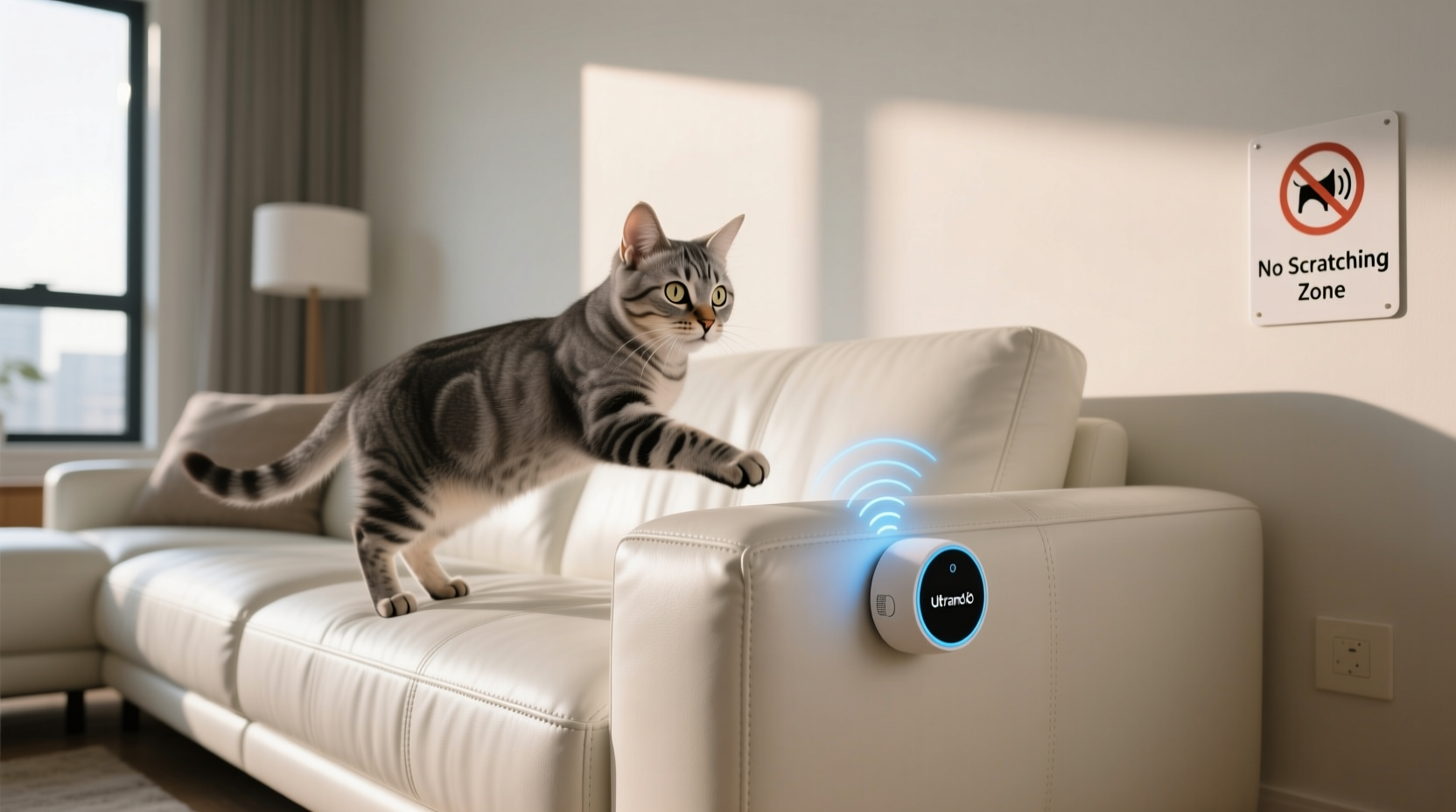
Before addressing how to stop unwanted scratching, it’s essential to understand why it happens. Many owners assume cats scratch out of spite or boredom, but this misinterprets feline behavior. Scratching serves multiple purposes:
- Physical maintenance: Cats shed old claw sheaths by scratching rough surfaces.
- Muscle stretching: The full-body extension during scratching supports joint health and flexibility.
- Scent marking: Paw pads contain scent glands; scratching leaves olfactory signals for other cats (or just for reassurance).
- Emotional regulation: Scratching releases endorphins, helping cats calm down or cope with anxiety.
When a cat chooses your sofa, it’s often because the fabric—especially tightly woven weaves like linen or microfiber—provides satisfying resistance. Additionally, prominent placement near windows or social areas makes it a prime spot for territorial marking.
“Scratching is not destructive behavior—it’s functional. Our job as caregivers is to channel it appropriately.” — Dr. Sarah Ellis, Feline Behavior Scientist, University of Lincoln
Humane Deterrents That Work Without Stressing Your Cat
Punishment-based approaches—like yelling, spraying water, or using shock mats—are not only ineffective but can damage trust and increase anxiety. Instead, focus on gentle, aversive-free deterrents that make the sofa less appealing while offering better alternatives.
1. Use Scent-Based Repellents
Cats have a powerful sense of smell and naturally avoid certain scents. Citrus, lavender, eucalyptus, and rosemary are typically unappealing to them. You can use these in safe, diluted forms:
- Spray a solution of water and a few drops of citrus essential oil (ensure it's non-toxic and well-diluted) on areas of the sofa most targeted.
- Place cotton balls infused with a drop of lavender oil in corners near the sofa (out of reach to prevent chewing).
- Use commercial sprays formulated with natural bitter scents, such as bitter orange or apple cider vinegar blends.
2. Modify Surface Texture
Cats dislike sticky, slippery, or crinkly textures under their paws. Temporary surface changes can discourage scratching without permanent alterations:
- Apply double-sided tape (non-toxic, pet-safe versions) to armrests and corners.
- Cover problem areas with aluminum foil or bubble wrap during training periods—cats generally avoid the sound and feel.
- Use vinyl carpet runners (nubby side up) placed over the sofa edges.
3. Leverage Motion-Activated Devices
Devices like motion-sensor air sprayers release a quick puff of unscented air when a cat approaches. They startle without causing harm and help break the habit through mild interruption.
These work best when paired with redirection—ensuring the cat has a nearby acceptable alternative. Over time, the cat learns to associate the sofa with unpredictability and opts for safer zones.
Provide Attractive Alternatives: The Key to Long-Term Success
Deterrence alone isn’t enough. To permanently shift behavior, you must offer a more appealing option. A scratching post or pad should meet your cat’s physical and psychological needs.
Choosing the Right Scratching Surface
Not all scratching posts are created equal. Consider these factors:
| Feature | Recommended | Avoid |
|---|---|---|
| Height | At least 30 inches tall (allows full stretch) | Short, wobbly models |
| Stability | Heavy base or wall-mounted | Posts that tip easily |
| Material | Sisal rope, corrugated cardboard, natural wood | Plush fabric (mimics upholstery, encourages sofa use) |
| Orientation | Vertical, horizontal, and angled options | Only one type |
Place the scratching post directly next to the sofa—within six inches of the preferred scratching spot. Once your cat uses it consistently, gradually move it a few inches per day to a more convenient location.
Step-by-Step Plan to Redirect Scratching Behavior
Changing ingrained habits takes consistency. Follow this 4-week timeline to gently guide your cat away from the sofa:
- Week 1: Assess & Block
Identify the most damaged areas. Apply double-sided tape or temporary covers. Spray deterrent scents daily. Place a high-quality sisal post adjacent to the sofa. - Week 2: Encourage & Reward
Whenever your cat approaches the post—even if they just sniff—offer a treat or praise. Gently place their paws on the post if needed. Continue blocking the sofa. - Week 3: Fade Deterrents, Reinforce Habits
Begin removing tape or foil if the cat is consistently using the post. Keep the scent deterrent active but reduce frequency. Introduce a second scratching station in another room. - Week 4: Monitor & Maintain
Remove all physical barriers. Observe for any relapse. If scratching resumes, repeat Week 1 steps briefly. Celebrate progress—most cats adapt within a month.
“It’s not about stopping scratching—it’s about guiding it. Think like a cat: what do they value? Stability, texture, location, and safety.” — Jackson Galaxy, Cat Behavior Consultant
Real Example: How the Thompson Family Saved Their Sofa
The Thompsons adopted Luna, a playful two-year-old tabby, who immediately took to their new sectional sofa. Within days, deep grooves appeared on the armrest. Initially, they tried clapping when she scratched, but Luna began avoiding them altogether.
After consulting a veterinary behaviorist, they implemented a humane plan:
- They placed a 36-inch sisal post right beside the sofa, secured with a wall anchor.
- Used citrus-scented spray on the armrest twice daily.
- Added a motion-activated air diffuser aimed at the corner Luna favored.
- Played with Luna near the post using a feather wand, ending each session with treats on the post.
Within three weeks, Luna was using the post exclusively. The air diffuser was removed, and the citrus spray phased out. Six months later, the sofa remains intact, and Luna even uses a second scratching pad by the bedroom window.
Common Mistakes to Avoid
Even well-intentioned efforts can backfire. Watch out for these pitfalls:
- Using punishment: Hissing, spraying water, or tapping the nose creates fear and erodes trust.
- Choosing the wrong scratching post: Flimsy or poorly textured posts won’t satisfy the cat’s needs.
- Placing alternatives too far away: If the post isn’t conveniently located, the cat won’t use it mid-stretch.
- Removing deterrents too soon: Premature removal can lead to relapse before the habit is fully redirected.
- Ignoring multi-cat dynamics: In homes with multiple cats, ensure each has access to preferred scratching spots to prevent competition.
Frequently Asked Questions
Can I trim my cat’s claws to reduce damage?
Yes. Regular nail trims (every 2–3 weeks) significantly reduce the depth of scratches. Use proper cat clippers and only cut the clear tip, avoiding the pink quick. If unsure, ask your vet or groomer to demonstrate. Trimming doesn’t eliminate the need to scratch but minimizes furniture damage.
Are soft paw caps a humane option?
Soft plastic nail caps, like Soft Paws, are a safe, temporary solution when applied correctly. They’re glued over trimmed nails and last 4–6 weeks. They prevent tearing while allowing normal scratching motion. Some cats tolerate them well; others remove them quickly. Always monitor for irritation.
What if my cat scratches the sofa only when left alone?
This may indicate separation anxiety or understimulation. Ensure your cat has plenty of enrichment—puzzle feeders, window perches, and interactive toys. Consider a calming diffuser (like Feliway) to reduce stress. Video monitoring can help identify triggers and refine your approach.
Final Checklist: Humane Sofa Protection Plan
- ✅ Identify primary scratching zones on the sofa
- ✅ Apply pet-safe deterrents (scent, texture, motion)
- ✅ Purchase a sturdy, tall scratching post with sisal or cardboard
- ✅ Position the post within 6 inches of the target area
- ✅ Reward all interactions with the post (treats, play, praise)
- ✅ Trim claws regularly to minimize damage
- ✅ Monitor progress weekly and adjust as needed
Conclusion: Harmony Between Cats and Couches Is Possible
Your new sofa doesn’t have to become a casualty of your cat’s instincts. By understanding the root causes of scratching and responding with empathy and strategy, you can protect your furniture without compromising your cat’s well-being. The goal isn’t obedience—it’s coexistence.
Humane deterrents, combined with enriching alternatives, create an environment where your cat feels secure and satisfied. With patience and consistency, most cats adapt quickly. The result? A beautiful living space and a confident, healthy feline companion.




 浙公网安备
33010002000092号
浙公网安备
33010002000092号 浙B2-20120091-4
Comments
No comments yet. Why don't you start the discussion?