
Summer brings longer days and more opportunities to enjoy the outdoors with your dog. But rising temperatures can quickly turn a pleasant walk into a dangerous situation. Dogs are especially vulnerable to heat because they primarily cool themselves through panting, not sweating like humans. Without proper precautions, even a short stroll in midday heat can lead to dehydration, heat exhaustion, or worse—heatstroke.
The good news? You don’t need high-tech cooling vests, refrigerated collars, or other pricey gadgets to keep your dog safe. With thoughtful planning and simple, low-cost strategies, you can ensure your dog stays cool, hydrated, and happy during summer walks. This guide covers science-backed, practical methods that any pet owner can implement—no special equipment required.
Walk at the Right Time of Day
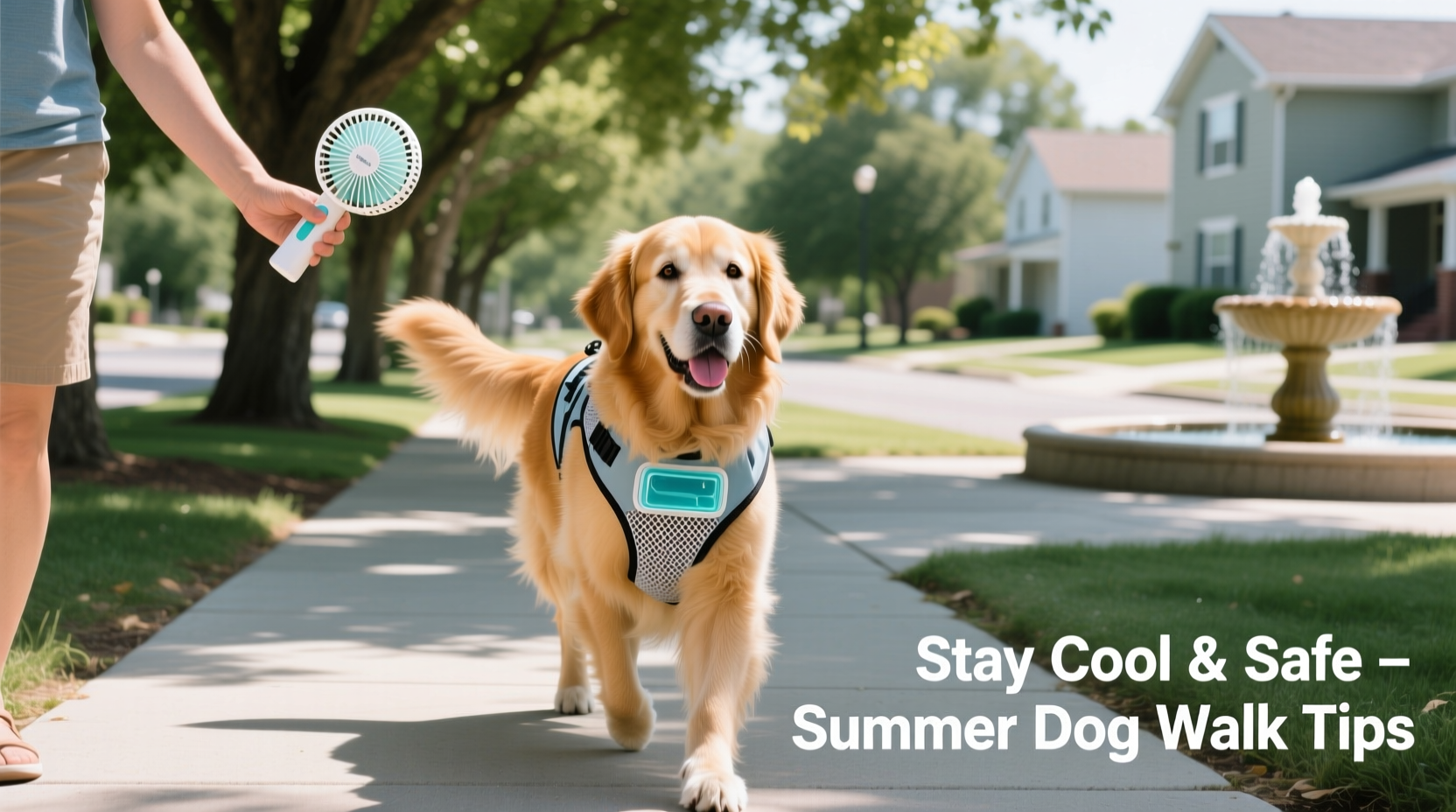
The single most effective way to avoid overheating is timing your walks correctly. Surface temperatures can be drastically higher than air temperatures, especially on asphalt or concrete. A sidewalk that feels warm to your hand can burn your dog’s paw pads and contribute to rapid body heat absorption.
Avoid walking between 10 a.m. and 4 p.m., when the sun is strongest and surfaces retain the most heat. Early morning or late evening walks are ideal. During these times, both air and ground temperatures are significantly lower.
Even if the air feels mild, dark pavement can exceed 140°F (60°C) on an 85°F (29°C) day—hot enough to cause burns in under a minute. Stick to grassy areas, dirt trails, or shaded sidewalks when possible.
Hydration Before, During, and After the Walk
Dogs lose moisture through panting, and physical activity accelerates this process. Dehydration impairs their ability to regulate body temperature, increasing the risk of heat-related illness.
Always offer fresh water before heading out. A well-hydrated dog starts the walk with better thermoregulation. For longer walks, bring water using a portable bowl or collapsible container. These are inexpensive, lightweight, and widely available at pet stores or online.
If your dog isn’t used to drinking on walks, encourage them by stopping in shaded areas and offering small amounts every 10–15 minutes. Watch for signs of thirst: excessive panting, dry gums, or lagging behind.
“Hydration is the foundation of heat safety for dogs. Even mild dehydration reduces a dog’s ability to cool itself effectively.” — Dr. Lena Patel, DVM, Canine Internal Medicine Specialist
Simple Hydration Checklist
- Fill your dog’s water bowl at home before leaving
- Bring a reusable water bottle and foldable bowl
- Plan routes near parks or fountains where water is accessible
- Offer water every 10–15 minutes on longer walks
- Rehydrate thoroughly upon returning home
Use Natural Cooling Methods
You don’t need a $50 cooling vest to help your dog stay cool. Everyday household items and natural elements can provide effective relief from heat.
One powerful method is wetting your dog’s coat before or during the walk. Use a damp towel or spray bottle to lightly mist your dog’s belly, ears, and legs—areas with less fur and closer blood vessels. As the water evaporates, it helps draw heat away from the body.
For dogs with thick coats, consider a summer trim—but never shave down to the skin. A dog’s fur provides insulation against both cold and heat. Shaving too close can increase sunburn risk and reduce natural thermal regulation. A moderate cut, leaving at least 1 inch of fur, allows airflow while reducing heat retention.
Another natural strategy is choosing shaded routes. Opt for tree-lined streets, wooded trails, or parks with ample canopy cover. Shade reduces direct sun exposure and lowers ambient temperature by several degrees—a significant difference for a dog struggling to cool down.
Recognize and Respond to Heat Stress
Knowing the signs of overheating can save your dog’s life. Unlike humans, dogs can’t communicate discomfort clearly until symptoms become severe.
Early warning signs include:
- Excessive, rapid panting
- Bright red or pale gums
- Lethargy or stumbling
- Vomiting or diarrhea
- Glazed eyes or unresponsiveness
If you notice any of these during a walk, stop immediately. Move your dog to a shaded or indoor area, offer water, and begin cooling them down. Apply cool (not cold) water to their paws, ears, and abdomen. Do not use ice—rapid cooling can cause shock.
In a real-life example, Sarah M., a dog owner in Phoenix, noticed her Border Collie, Max, was lagging behind and drooling excessively during a 6 p.m. walk. Though she thought the evening was cool enough, the pavement was still warm from daytime heat. She stopped, poured water from her bottle onto Max’s paws and chest, and sat with him under a tree. Within 10 minutes, his breathing slowed, and he perked up. At home, she offered water and let him rest in front of a fan. Max recovered fully—thanks to prompt action and basic cooling techniques.
Never ignore subtle signs. Heatstroke can progress rapidly and requires emergency veterinary care. If your dog collapses, has seizures, or stops responding, seek immediate medical help.
Smart Walking Strategies and Route Planning
Planning ahead makes a big difference in keeping your dog safe. Thoughtful route selection and pacing can prevent overheating before it starts.
Start with shorter walks during peak summer months. Gradually build tolerance as your dog acclimates to warmer conditions. Avoid strenuous activities like running or long hikes until early fall.
When mapping your route, prioritize access to shade, grassy areas, and water sources. Apps like AllTrails or Google Maps can help identify parks, wooded paths, or neighborhoods with mature trees. Avoid open fields, parking lots, or industrial zones with little cover.
| Walking Strategy | Benefit | Cost |
|---|---|---|
| Early morning or late evening walks | Lower ambient and surface temperatures | $0 |
| Grass or dirt paths instead of pavement | Reduces paw burns and heat absorption | $0 |
| Carry water and a collapsible bowl | Enables hydration on the go | $5–$10 |
| Cooling bandana (wet cloth) | Provides evaporative cooling | $0–$3 |
| Shorter, slower-paced walks | Reduces exertion and heat buildup | $0 |
Pace matters. Let your dog set the speed. Frequent breaks in the shade allow time to cool down and rehydrate. Rushing through a walk defeats the purpose—even if you start early, pushing too hard can still lead to overheating.
Step-by-Step Summer Walk Plan
- Check the weather: Ensure temperatures are below 80°F (27°C) and humidity is low.
- Test the pavement: Use the back-of-hand test to confirm it’s safe for paws.
- Pre-hydrate: Offer water at home 30 minutes before leaving.
- Prepare supplies: Pack water, a foldable bowl, and a damp bandana.
- Choose a shaded route: Prioritize grass, trees, and access to rest spots.
- Walk slowly: Allow frequent breaks every 10–15 minutes.
- Monitor behavior: Watch for panting, lagging, or disorientation.
- Rehydrate and rest: Offer water after returning and let your dog cool down indoors.
Frequently Asked Questions
Can I use ice cubes to cool my dog down?
While cool water is safe, avoid giving ice cubes or using ice-cold water directly on your dog. Sudden drops in body temperature can trigger shock or hypothermia. Instead, use room-temperature or slightly cool water for drinking and damp cloths for external cooling.
Are certain breeds more at risk in summer heat?
Yes. Brachycephalic breeds (like Bulldogs, Pugs, and Shih Tzus) are especially vulnerable due to shortened airways that impair efficient panting. Thick-coated breeds (such as Huskies or Malamutes), older dogs, overweight dogs, and those with heart or respiratory conditions also face higher risks. Adjust walk duration and intensity accordingly.
How long should summer walks be?
There’s no one-size-fits-all answer, but a general rule is to limit walks to 20–30 minutes during hot weather, especially if temperatures exceed 75°F (24°C). Active breeds may need mental stimulation alternatives like puzzle toys or indoor training sessions on extremely hot days.
Final Thoughts: Safety Over Routine
Your dog depends on you to make smart decisions when temperatures rise. The habits you adopt today—timing walks, carrying water, watching for signs of distress—can prevent emergencies tomorrow. You don’t need cutting-edge gear to protect your pet; you need awareness, preparation, and consistency.
Summer doesn’t have to mean sacrificing exercise or bonding time. By adjusting your routine and embracing simple, effective strategies, you can enjoy safe, comfortable walks all season long. Your dog will thank you with wagging tails and bright eyes—not heavy panting and exhaustion.




 浙公网安备
33010002000092号
浙公网安备
33010002000092号 浙B2-20120091-4
Comments
No comments yet. Why don't you start the discussion?