
For millions of people, brushing their teeth can be an uncomfortable experience due to gum sensitivity. Whether caused by gingivitis, aggressive brushing in the past, or natural tissue thinning, sensitive gums require special care. One of the most overlooked yet critical factors in maintaining oral comfort and hygiene is the texture—or more accurately, the bristle softness—of your toothbrush. Choosing the wrong texture can lead to bleeding, recession, and increased discomfort. The right one supports healing, plaque removal, and long-term gum health.
Dentists consistently emphasize that a gentle approach doesn’t mean ineffective cleaning. In fact, when it comes to gum sensitivity, softer often means smarter. This guide delivers practical, evidence-based insights from dental professionals on selecting the ideal toothbrush texture, avoiding common mistakes, and establishing a routine that protects and strengthens delicate gum tissue.
Understanding Gum Sensitivity: Causes and Warning Signs
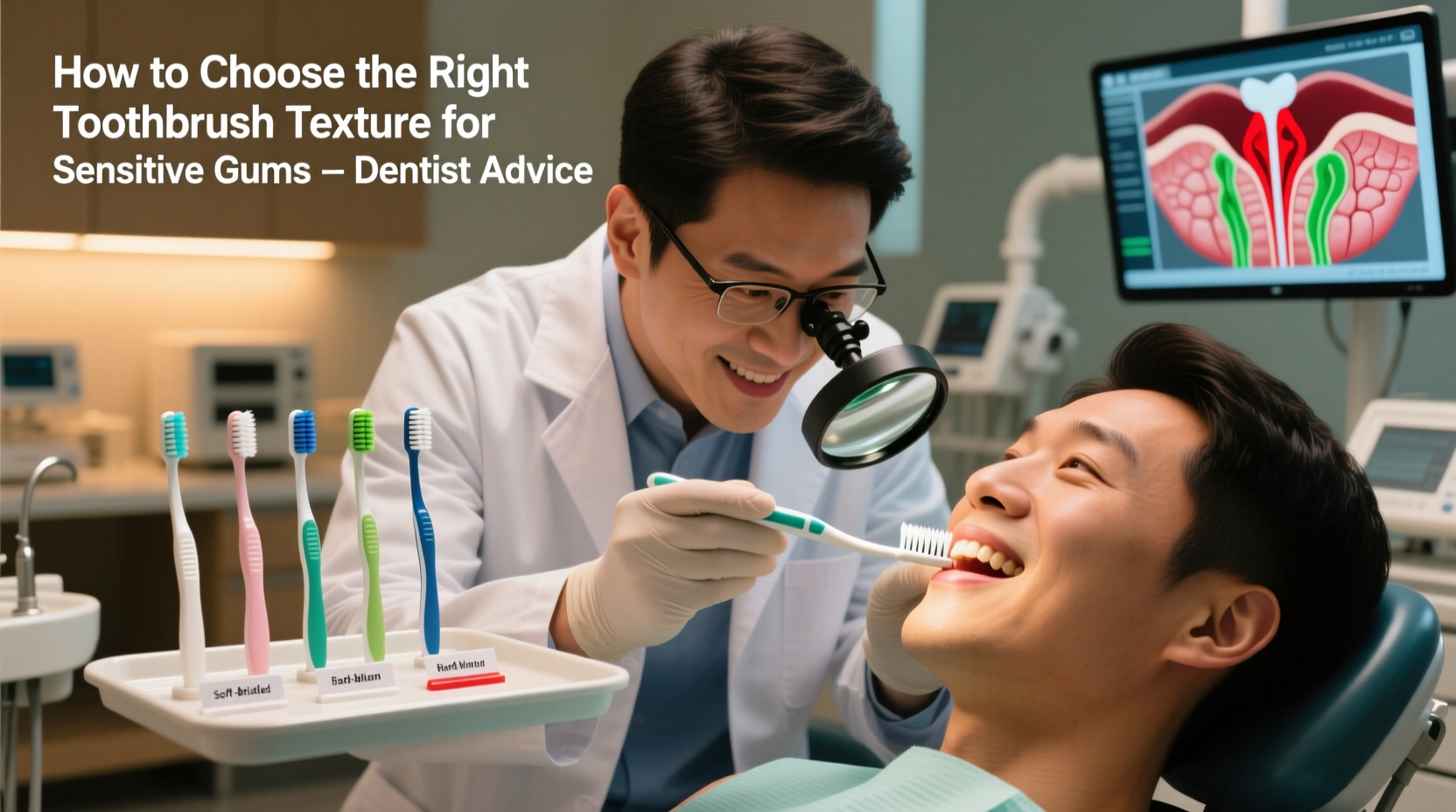
Gum sensitivity isn't just about momentary discomfort during brushing. It's often a symptom of underlying issues such as inflammation, early-stage periodontal disease, or enamel erosion exposing root surfaces. Common causes include:
- Aggressive brushing: Using hard bristles or excessive pressure damages gum tissue over time.
- Gingivitis: Plaque buildup leads to red, swollen, and tender gums.
- Receding gums: Exposed root surfaces are more sensitive to temperature and touch.
- Hormonal changes: Pregnancy, menstruation, or menopause can increase gum sensitivity.
- Teeth grinding (bruxism): Chronic clenching puts stress on gums and supporting structures.
If you notice any of the following signs, your gums may be signaling a need for gentler care:
- Bleeding during or after brushing
- Pain when consuming hot, cold, or sweet foods
- Visible gum recession (teeth appear longer)
- Tenderness or swelling along the gumline
“Patients with sensitive gums should never feel pain while brushing. If they do, the tool or technique needs to change.” — Dr. Lena Patel, Periodontist and Clinical Instructor at Columbia School of Dental Medicine
The Bristle Spectrum: How Toothbrush Textures Affect Gum Health
Toothbrushes are categorized by bristle softness: extra soft, soft, medium, and hard. While packaging may use terms like “gentle,” “sensitive,” or “deep clean,” understanding the actual texture level is key.
| Texture Level | Best For | Risks | Dentist Recommendation |
|---|---|---|---|
| Extra Soft | Post-surgery recovery, severe gum recession, orthodontic patients | May not remove heavy plaque without proper technique | Highly recommended for sensitive conditions |
| Soft | Most adults with mild to moderate sensitivity, general daily use | Overuse with pressure can still cause micro-abrasions | Preferred standard for gum health |
| Medium | Individuals with strong gums and no sensitivity | Increases risk of gum abrasion and enamel wear | Generally discouraged, especially for sensitive cases |
| Hard | Nearly obsolete; rarely recommended | High risk of gum damage, recession, and dentin exposure | Avoid entirely for sensitive gums |
Modern dental research shows that soft-bristled brushes remove plaque just as effectively as medium or hard ones—when used correctly. The American Dental Association (ADA) explicitly recommends soft bristles for nearly all individuals, particularly those with gum concerns.
How to Choose the Right Texture: A Step-by-Step Guide
Selecting the right toothbrush isn’t guesswork. Follow this dentist-approved process to ensure you’re making a safe, effective choice for sensitive gums.
- Assess your current symptoms. Are your gums bleeding? Do you wince when brushing near certain teeth? These are clear signals to step down in bristle firmness.
- Check the label for \"soft\" or \"extra soft.\" Look for ADA Seal of Acceptance, which verifies safety and efficacy claims.
- Evaluate the brush head size. A smaller head allows better access to back teeth and reduces the need for forceful angling.
- Feel the bristles gently with your fingertip. They should bend easily and not feel stiff or scratchy.
- Consider tapered or rounded bristle tips. These are engineered to be gentler on gum margins while still reaching below the gumline.
- Test for one week. Use the new brush with light pressure. If discomfort decreases, you’ve likely made a good match.
It’s important to note that texture isn’t the only factor. The shape, flexibility of the neck, and even handle design influence how much pressure you apply. Some electric toothbrushes offer pressure sensors that alert you when you're brushing too hard—a valuable feature for those prone to over-scrubbing.
Real-Life Example: Recovering from Over-Brushing Damage
Sarah, a 38-year-old teacher from Portland, had been using a medium-bristled toothbrush for years, believing it cleaned “better.” She brushed vigorously twice daily, often causing her gums to bleed. After noticing increasing sensitivity to cold drinks and visible gum recession near her front teeth, she visited her dentist.
Her hygienist explained that her brushing technique and brush choice were contributing to tissue loss. Sarah was advised to switch immediately to an extra-soft manual brush with tapered bristles and to adopt a 45-degree angle brushing method using circular motions. She also began using a non-alcoholic fluoride mouthwash.
Within six weeks, Sarah reported significantly less bleeding and reduced sensitivity. At her three-month checkup, her gums showed improved color and contour. Her dentist noted early signs of reattachment in areas previously affected by recession.
This case illustrates that even well-intentioned habits can harm gum health when the tools aren’t aligned with biological needs. Recovery is possible with the right adjustments.
Common Myths About Toothbrush Texture Debunked
Several misconceptions persist about what constitutes effective brushing, especially regarding bristle strength.
- Myth: Hard bristles clean better. Truth: Plaque is soft and can be removed with gentle friction. Hard bristles don’t remove more plaque but do remove more gum tissue.
- Myth: If it doesn’t hurt, it must be fine. Truth: Gum damage can be gradual and painless until significant recession occurs. Bleeding is an early warning sign often ignored.
- Myth: Electric brushes are too harsh for sensitive gums. Truth: Many electric models offer sensitive modes and soft heads designed specifically for delicate tissues. In fact, oscillating brushes can reduce required hand pressure.
- Myth: Children’s brushes are too weak for adults. Truth: Children’s toothbrushes are typically soft or extra soft and perfectly suitable for adults with gum sensitivity.
Essential Checklist: Selecting a Toothbrush for Sensitive Gums
Use this checklist before purchasing your next toothbrush to ensure it supports gum health:
- ✅ Bristles labeled \"soft\" or \"extra soft\"
- ✅ ADA Seal of Acceptance displayed
- ✅ Compact head size (about 1 inch long)
- ✅ Rounded or tapered bristle tips
- ✅ Comfortable, non-slip handle
- ✅ No abrasive additives (e.g., charcoal particles or stiff polishing cups)
- ✅ Replaced every 3–4 months
For electric options, add these criteria:
- ✅ Includes a sensitive mode
- ✅ Comes with soft replacement heads
- ✅ Has a built-in pressure sensor (optional but helpful)
Frequently Asked Questions
Can I use a hard toothbrush if I brush very lightly?
No. Even with minimal pressure, hard bristles have a higher risk of causing micro-tears in gum tissue and wearing down cementum—the protective layer on tooth roots. Dentists universally advise against hard bristles, regardless of brushing style.
Are natural bristle brushes (like boar hair) good for sensitive gums?
No. Natural bristles are often uneven, coarse, and harder to sanitize. They can harbor bacteria and are not recommended by dental professionals. Stick with soft, synthetic nylon bristles designed for oral use.
Should I switch to an electric toothbrush if I have sensitive gums?
Many patients benefit from electric toothbrushes because they provide consistent motion with less hand pressure. Models with soft heads and sensitive settings—such as those from Philips Sonicare or Oral-B—can be excellent choices. However, a properly used soft manual brush is equally effective when technique is correct.
Final Recommendations and Daily Care Tips
The foundation of gum health lies in consistency and gentleness. Once you’ve selected the appropriate toothbrush texture, pair it with proper technique:
- Brush at a 45-degree angle to the gumline.
- Use small, circular motions—not back-and-forth scrubbing.
- Apply minimal pressure—let the bristles do the work.
- Brush for two minutes, twice daily, including the tongue.
- Floss daily to remove plaque between teeth where brushes can’t reach.
Complement your brushing with a fluoride toothpaste formulated for sensitivity and a balanced diet low in acidic and sugary foods. Stay hydrated to support saliva production, which naturally protects gums and teeth.
“The best toothbrush for sensitive gums is the one that allows you to clean thoroughly without pain or trauma. That almost always means soft bristles and mindful technique.” — Dr. Marcus Tran, Board-Certified Periodontist
Take Action Today for Healthier Gums Tomorrow
Your gums are the foundation of your smile. Ignoring sensitivity or using tools that aggravate the issue only delays healing and increases long-term risks like periodontitis and tooth loss. By choosing a soft or extra-soft toothbrush, adjusting your technique, and staying consistent, you create the conditions for stronger, healthier gums.
Start today: examine your current toothbrush, compare it to the guidelines above, and make a change if needed. Your gums will respond—often within weeks—with less bleeding, reduced discomfort, and improved resilience. Share your experience or questions below; your journey might help someone else find relief too.




 浙公网安备
33010002000092号
浙公网安备
33010002000092号 浙B2-20120091-4
Comments
No comments yet. Why don't you start the discussion?