
Christmas lights have the power to transform any space into a winter wonderland. But achieving that dreamy, magazine-worthy glow isn’t just about stringing up as many bulbs as possible. In fact, overloading your display often leads to visual chaos rather than charm. The secret lies in thoughtful layering—combining different types, placements, and intensities of lighting to create depth, rhythm, and brilliance without overwhelming the eye or your electrical system.
When done right, layered lighting draws attention to architectural features, enhances seasonal decor, and creates a warm, inviting ambiance. Whether you're decorating a small porch or wrapping an entire home in light, this guide provides actionable strategies to help you build a luminous display that sparkles with intention—not excess.
Understanding Light Layering: Depth Over Density
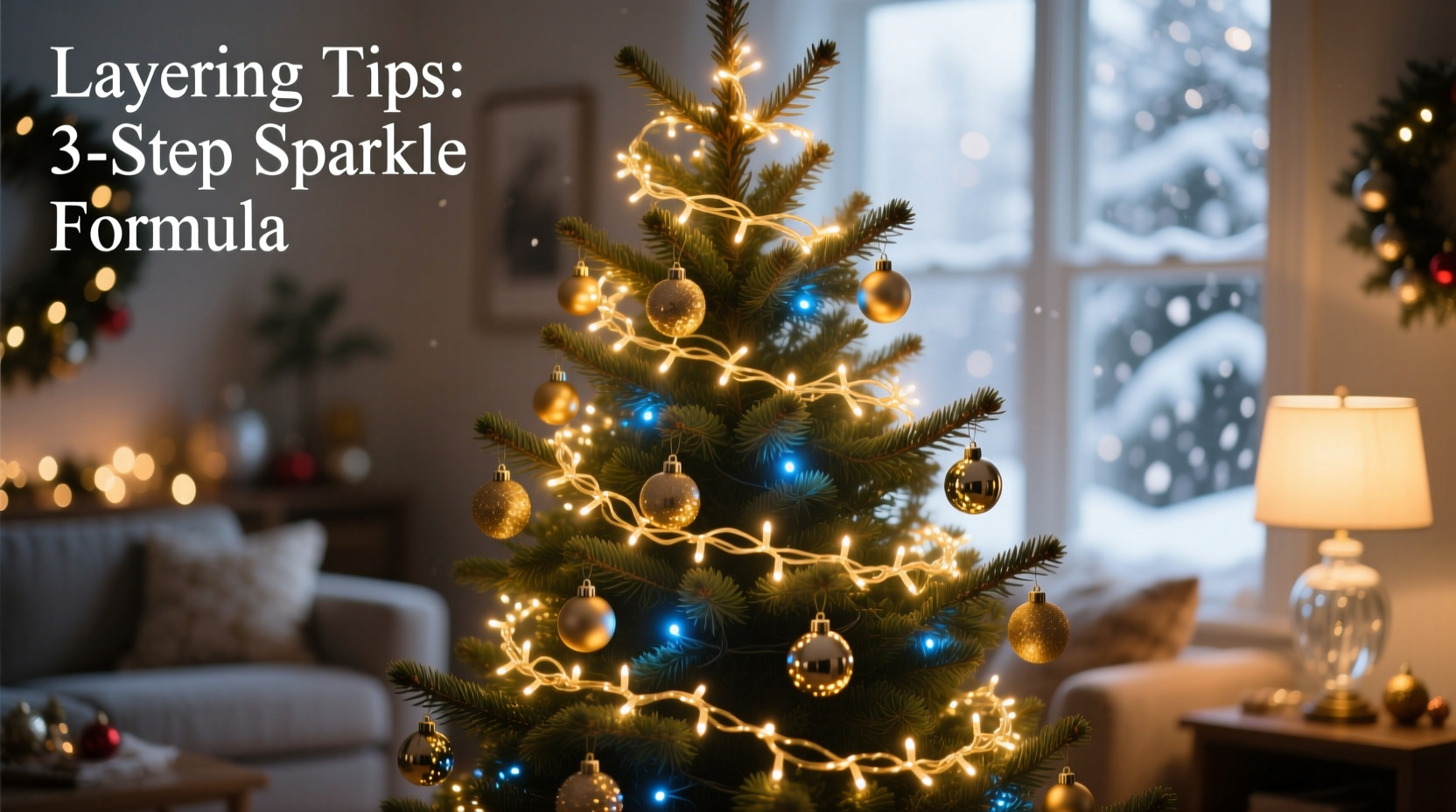
Layering Christmas lights is similar to layering clothing: each piece serves a purpose and contributes to the overall effect. Instead of covering every inch with a single type of bulb, think in terms of zones and functions—outline, fill, accent, and highlight.
- Outline layers define the structure—rooflines, windows, door frames.
- Fill layers add volume—draped across bushes, wrapped around trees, or filling in flat surfaces.
- Accent layers emphasize details—railings, columns, or wreaths.
- Highlight layers draw the eye—spotlighting a nativity scene, a Santa figure, or a glowing star atop the tree.
The goal is balance. A well-layered display uses fewer total lights but achieves greater visual impact by strategically placing them where they matter most.
Step-by-Step Guide to Layering Lights Safely and Effectively
Follow this five-phase approach to design a professional-quality lighting scheme that maximizes sparkle while minimizing clutter and electrical strain.
- Plan Your Layout (Before Buying a Single String)
Sketch a rough diagram of your home’s exterior or room layout. Mark key features you want to highlight—gutters, eaves, trees, archways. Assign each feature a layer type (outline, fill, etc.). This prevents random placement and helps calculate how many strings you’ll actually need. - Choose the Right Types of Lights
Not all bulbs are equal. Mix LED mini lights, C7/C9 bulbs, net lights, and rope lights based on function:- Mini LEDs: ideal for delicate outlining and indoor use.
- C7/C9: better for bold rooflines and large trees.
- Net lights: perfect for quick coverage of shrubs or hedges.
- Rope lights: excellent for railings and curved surfaces.
- Start with Outlines
Begin at the top—attach lights along roof ridges and work down to gutters and windows. Secure with plastic clips, not nails or staples, to avoid damage. Keep spacing consistent (every 6–12 inches) for a clean look. Avoid overlapping strings; instead, stagger end-to-end connections. - Add Fill and Texture
Drape lights loosely over evergreen shrubs or wrap tree trunks and branches. For pine trees, start at the base and spiral upward, tucking some bulbs inward to simulate inner glow. Use net lights for fast coverage of low bushes—just drape and plug in. - Finish with Accents and Highlights
Place smaller clusters around door handles, mailbox posts, or window planters. Use color-changing or twinkle-mode strings sparingly here for movement and interest. Consider adding a few battery-powered fairy lights inside lanterns or under eaves for subtle secondary glow.
Do’s and Don’ts: Lighting Layering Best Practices
| Do | Don't |
|---|---|
| Use timers – Set lights to turn on at dusk and off after midnight to save energy and extend bulb life. | Leave lights on 24/7 – Increases fire risk and wears out bulbs faster. |
| Mix color temperatures – Combine warm white (2700K) and daylight white (5000K) for dimension. | Mix too many colors – Clashes reduce elegance; limit to two or three hues max. |
| Test strings before installing – Check for dark sections or loose bulbs. | Plug too many together – Most mini lights allow only 3–5 connected; exceed this risks overheating. |
| Use GFCI outlets outdoors – Prevents shocks and meets safety code. | Daisy-chain across extension cords – Creates voltage drop and fire hazard. |
Real Example: A Suburban Porch Transformed
Sarah from Portland wanted to upgrade her modest front porch without turning it into a neighborhood spectacle. She started with a simple plan: enhance, not overwhelm.
She began by outlining the roofline and window frames with warm white mini LEDs. Then, she wrapped two potted evergreens flanking the door using a spiral technique—starting at the bottom and working up, allowing some gaps for natural shadow play. Next, she draped a single strand of cool white fairy lights across the railing, letting it cascade slightly at intervals. Finally, she placed a vintage-style lantern on the steps with a flickering LED candle inside.
The result? A layered, inviting glow that felt festive yet refined. Neighbors complimented the “cozy” vibe, and Sarah used less than 300 bulbs total—far fewer than the 1,000+ displays nearby. Her energy bill increased by just $8 for the season.
Expert Insight: What Professional Decorators Know
Industry veterans prioritize subtlety and rhythm over sheer quantity. According to Marcus Bell, a lighting designer who has worked on award-winning holiday displays in Chicago and Denver:
“Amateurs think more lights = more impressive. Pros know that the magic is in the negative space. Let the darkness frame the light. That’s what creates sparkle.” — Marcus Bell, Holiday Lighting Designer
Bell also emphasizes circuit management: “I never plug more than 80% of a circuit’s capacity. That means calculating wattage early. Most homeowners overlook that and end up tripping breakers—or worse.”
For residential setups, he recommends using no more than six strands of standard mini lights per outlet, and always grouping installations by zone (e.g., front porch, backyard, garage) with separate timers and surge protectors.
Checklist: Pre-Installation Planning
Before climbing the ladder or unboxing a single string, run through this checklist to ensure a smooth, safe, and effective installation:
- ✅ Survey your space and identify focal points (e.g., entryway, tree, chimney).
- ✅ Measure linear feet for outlines and estimate surface area for fills.
- ✅ Calculate total wattage needed and verify your outdoor circuits can handle the load.
- ✅ Choose 2–3 complementary light types (e.g., mini LEDs + rope lights + net lights).
- ✅ Purchase clips, timers, surge protectors, and GFCI adapters.
- ✅ Test all light strings indoors before installation.
- ✅ Create a simple sketch showing where each type of light will go.
- ✅ Schedule your install during mild weather—avoid icy or windy days.
FAQ: Common Questions About Layering Christmas Lights
Can I mix LED and incandescent lights?
Technically yes, but it’s not recommended. LEDs consume far less power and generate almost no heat, while incandescents can overheat when bundled. They also differ in brightness and color temperature, which can create visual inconsistency. Stick to one type per zone for best results.
How many lights do I need for my house?
A general rule is 100 mini lights per linear foot of roofline or 50 lights per cubic foot of tree volume. But layering reduces the need for high density. For example, a 6-foot tree might only need 300–400 well-placed LEDs instead of 600+ packed tightly. Focus on strategic placement over quantity.
Is it safe to layer lights on the same surface?
Only if using low-heat LEDs and proper spacing. Never wrap multiple strands tightly around a single branch or gutter section—this traps heat and increases fire risk. If layering on a tree, alternate between outer branches and inner depths, leaving air gaps. Always use UL-listed, outdoor-rated products.
Final Tips for a Sparkling, Sustainable Display
Maximum sparkle doesn’t come from maximum wattage—it comes from intelligent design. By treating your lighting plan like a composition, you can achieve a display that feels rich, dynamic, and effortlessly festive.
Invest in quality LEDs—they last 25,000+ hours, use up to 90% less energy, and stay cool to the touch. Store them properly after the season using spools or reels to prevent tangling. And remember: the most memorable displays aren’t the brightest—they’re the ones that feel intentional, welcoming, and full of joy.
“The best holiday lighting tells a story. It guides the eye, warms the heart, and makes people stop and smile.” — Lena Torres, Urban Landscape Designer
Conclusion: Shine Smart This Season
Layering Christmas lights isn’t about covering every inch in bulbs—it’s about creating moments of light and shadow that dance together. With careful planning, smart product choices, and a focus on balance, you can craft a display that dazzles without draining your outlets or your peace of mind.
This year, skip the overload. Embrace the art of layering. Let each strand serve a purpose, each glow contribute to a greater whole. Your home won’t just be lit up—it’ll be luminous with meaning.




 浙公网安备
33010002000092号
浙公网安备
33010002000092号 浙B2-20120091-4
Comments
No comments yet. Why don't you start the discussion?