
Turtlenecks are a winter wardrobe staple—sleek, warm, and effortlessly chic. But when it comes to accessorizing, they present a unique challenge: how do you style multiple necklaces over a high collar without turning your neckline into a knotted jungle of chains? The key lies in intentional layering, thoughtful length selection, and proper maintenance. With the right approach, you can elevate your turtleneck look from simple to sophisticated, all while avoiding the frustration of constant necklace tangles.
Understanding the Turtleneck’s Impact on Jewelry Styling
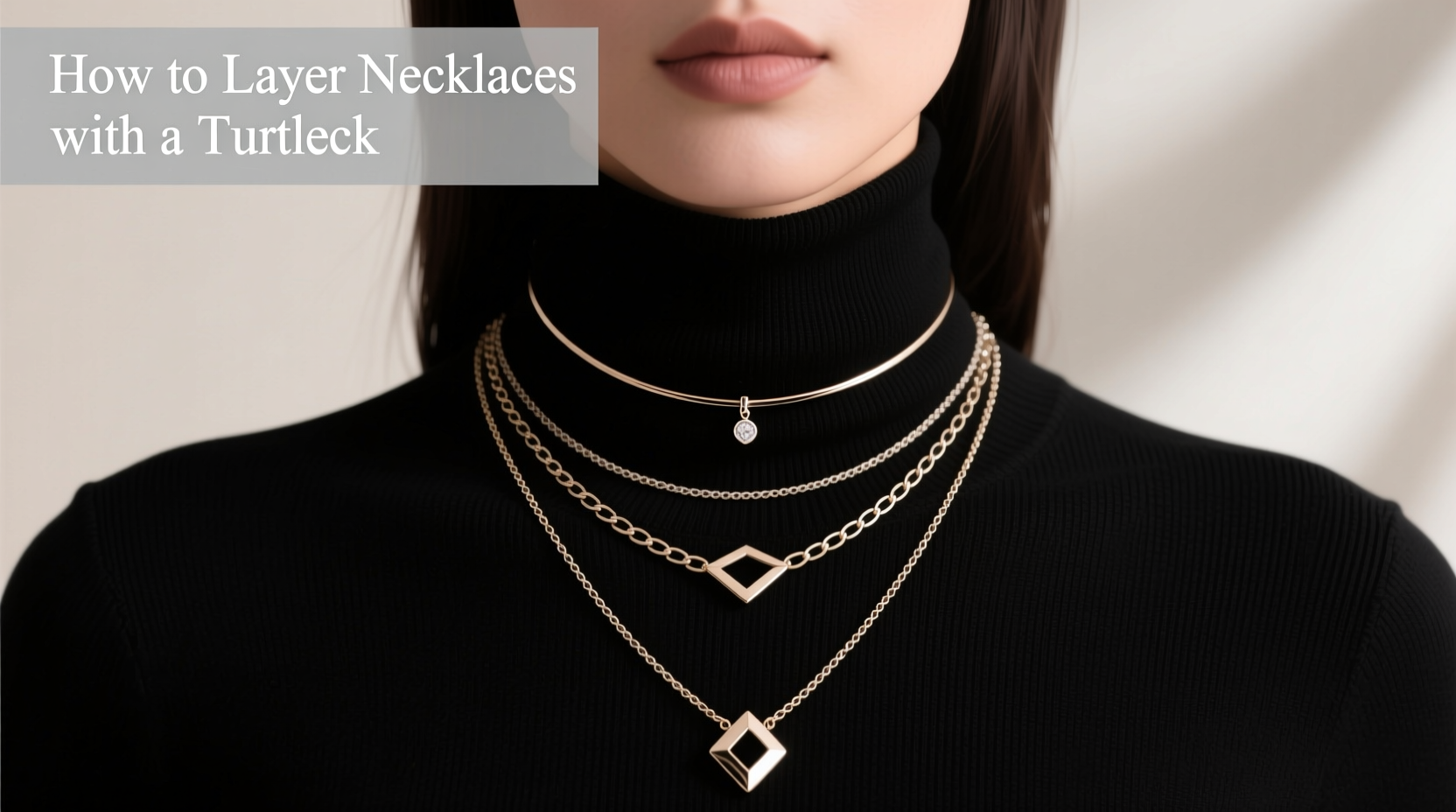
The high, snug neckline of a turtleneck covers more skin than most tops, which changes the visual balance of your jewelry. Unlike open collars or V-necks that draw attention downward, turtlenecks emphasize the upper chest and jawline. This means your accessories need to work with—not against—the garment’s structure.
When layering necklaces, the goal is to create a harmonious cascade that complements the turtleneck’s form without overcrowding it. Poorly chosen lengths or clasp types can lead to pieces piling up just above the collar, resulting in a cluttered appearance and increased friction between chains. Over time, this friction causes tangling, especially with delicate or fine-link styles.
The solution isn’t to avoid layering altogether—it’s to refine your technique. By selecting the right combination of lengths, materials, and fasteners, you can achieve a polished, tangle-resistant stack that enhances your outfit rather than complicating it.
Selecting the Right Necklace Lengths for Layering
Length is the most critical factor in successful necklace layering with turtlenecks. You want each piece to rest at a distinct level so they don’t overlap or rub excessively. A general rule is to space lengths by at least 2 inches to maintain visual separation.
For turtlenecks, consider starting your shortest necklace at 18 inches—a length that typically sits just above or slightly below the collarbone. From there, build outward with longer pieces: 20, 22, and 24 inches work well for intermediate layers. If you want a dramatic effect, include a 30-inch or longer chain as an anchor piece, but keep it minimal in design to avoid overwhelming the look.
| Necklace Length | Typical Resting Point | Suitability with Turtleneck |
|---|---|---|
| 14–16 inches | At or above collarbone | Risky—may get buried under fabric |
| 18 inches | Just below collarbone | Ideal starter length |
| 20–22 inches | Middle of sternum | Perfect for second layer |
| 24–26 inches | Lower sternum | Great for depth and contrast |
| 30+ inches | Below bust line | Best for single statement use |
Avoid stacking too many short pieces—they’ll cluster near the throat and increase tangling risk. Instead, opt for a staggered approach: one shorter pendant, one mid-length chain, and perhaps one longer, fluid piece. This creates dimension while minimizing contact points between necklaces.
Step-by-Step Guide to Tangle-Free Layering
Layering necklaces over a turtleneck doesn’t have to be chaotic. Follow this step-by-step process to ensure each piece stays in place and tangles are minimized.
- Start with the longest necklace. Put it on first and let it settle naturally. Longer chains are less likely to catch on the turtleneck’s edge.
- Secure the clasp carefully. Use a mirror or ask for help to avoid twisting the chain during fastening.
- Add the next shortest layer. Gently guide it over your head, ensuring it rests below the previous layer.
- Adjust positioning manually. Once both are on, use your fingers to separate the chains and align them symmetrically.
- Check movement. Turn your head side to side and simulate walking to see if chains pull or twist.
- Finalize with lightweight pieces. Save delicate chains or pendants for last—they’re more prone to snagging.
After putting everything on, take a moment to smooth out any kinks. Run your fingers along each chain to release minor twists. This small habit prevents micro-tangles from becoming full knots later in the day.
Choosing the Right Materials and Clasps
Not all metals and chain styles behave the same way when layered. Thinner, finer chains like cable or snake links are more prone to tangling than sturdier designs such as box chains, rope chains, or Figaro styles. When building a layered look, mix textures and weights strategically.
For example, pair a delicate 18-inch pendant necklace with a thicker 22-inch curb chain. The contrast in thickness reduces surface contact and makes each piece easier to adjust independently. Avoid combining multiple dainty chains—they’ll inevitably wind around each other.
Clasps also play a role. Lobster clasps are secure but can snag on knit fabrics. Spring ring clasps are smaller but may not hold heavier pieces. Magnetic clasps offer ease of use but can shift during wear. For turtleneck layering, consider using necklaces with toggle clasps—they lie flat and are less likely to catch on wool or cashmere.
“Layering success starts with construction. Chains with rigid links and secure, low-profile clasps perform best under high collars.” — Lena Torres, Jewelry Designer & Stylist
Real-World Example: Olivia’s Office-to-Evening Look
Olivia, a marketing executive based in Chicago, wears turtlenecks nearly every weekday during winter. She loves jewelry but used to dread untangling her favorite pieces after lunch. Her old routine involved throwing on three thin gold chains before leaving home, only to find them knotted by mid-morning.
After consulting a personal stylist, she revamped her approach. Now, she starts with a 24-inch wheat chain, adds an 18-inch solitaire pendant, and finishes with a 20-inch twisted rope chain. She puts on the longest first, adjusts each piece before stepping out, and stores them separately at night. The result? A polished, professional look that stays intact through meetings, commutes, and after-work dinners.
“I used to think layering was too high-maintenance,” Olivia says. “Now I realize it’s about strategy, not sacrifice.”
Do’s and Don’ts of Turtleneck Necklace Layering
| Do | Don’t |
|---|---|
| Space lengths by at least 2 inches | Stack multiple chokers |
| Mix chain thicknesses for contrast | Wear three or more fine chains together |
| Use a longer base chain as an anchor | Let necklaces drape unevenly without adjusting |
| Fasten clasps gently to avoid twisting | Yank chains over your head quickly |
| Store necklaces individually at night | Leave them tangled overnight |
Essential Checklist for Tangle-Free Necklace Layering
- Choose necklaces with staggered lengths (e.g., 18\", 22\", 26\")
- Prioritize one delicate piece per stack; others should be medium or bold
- Put on the longest necklace first, shortest last
- Smooth out each chain after fastening
- Test movement by turning head and shrugging shoulders
- Avoid excessive motion while dressing
- Remove necklaces before taking off the turtleneck
- Store each piece separately in a lined jewelry tray or pouch
Frequently Asked Questions
Can I wear a choker with a turtleneck?
Chokers (14–16 inches) often disappear beneath turtleneck fabric or press uncomfortably against the throat. If you love the choker look, opt for a slightly longer 17–18 inch style that rests just below the collar. Alternatively, choose a lariat or harness-style choker that wraps artistically around the neck without lying flat.
How do I untangle necklaces if they do knot?
First, lay the necklaces on a flat surface and secure the ends with tape. Use a fine crochet hook or earring back to gently loosen loops. Work from the outside inward, never pulling hard. For persistent tangles, apply a drop of olive oil to reduce friction, then wipe clean afterward. Prevention—through proper layering and storage—is always better than repair.
Should I avoid certain fabrics?
Wool and mohair turtlenecks have rougher textures that can catch on delicate chains. If wearing these, stick to fewer layers and bolder chains. Smoother fabrics like silk-blend, cashmere, or fine-gauge cotton are gentler on jewelry and reduce snagging risk.
Conclusion: Elevate Your Style with Confidence
Layering necklaces with a turtleneck doesn’t have to mean sacrificing style for practicality. With the right lengths, thoughtful material choices, and a consistent routine, you can create elegant, dynamic looks that stay tangle-free from morning to night. The secret isn’t complexity—it’s intentionality. Every choice, from clasp type to storage method, contributes to a seamless experience.
You don’t need dozens of necklaces to master this art. Start with two or three well-chosen pieces, practice the layering sequence, and refine your technique over time. Soon, you’ll reach for your favorite chains without hesitation, knowing your look will stay polished and your jewelry protected.




 浙公网安备
33010002000092号
浙公网安备
33010002000092号 浙B2-20120091-4
Comments
No comments yet. Why don't you start the discussion?