
Layering necklaces with pendants can elevate any outfit from simple to sophisticated. When done well, a layered necklace look adds depth, personality, and visual interest. But when executed poorly, it can result in a tangled mess or a chaotic clash of symbols, metals, and lengths. The key lies in thoughtful coordination—balancing proportion, material, and meaning. With the right approach, you can create elegant, intentional stacks that enhance your personal style without overwhelming it.
Understand the Anatomy of a Necklace Stack
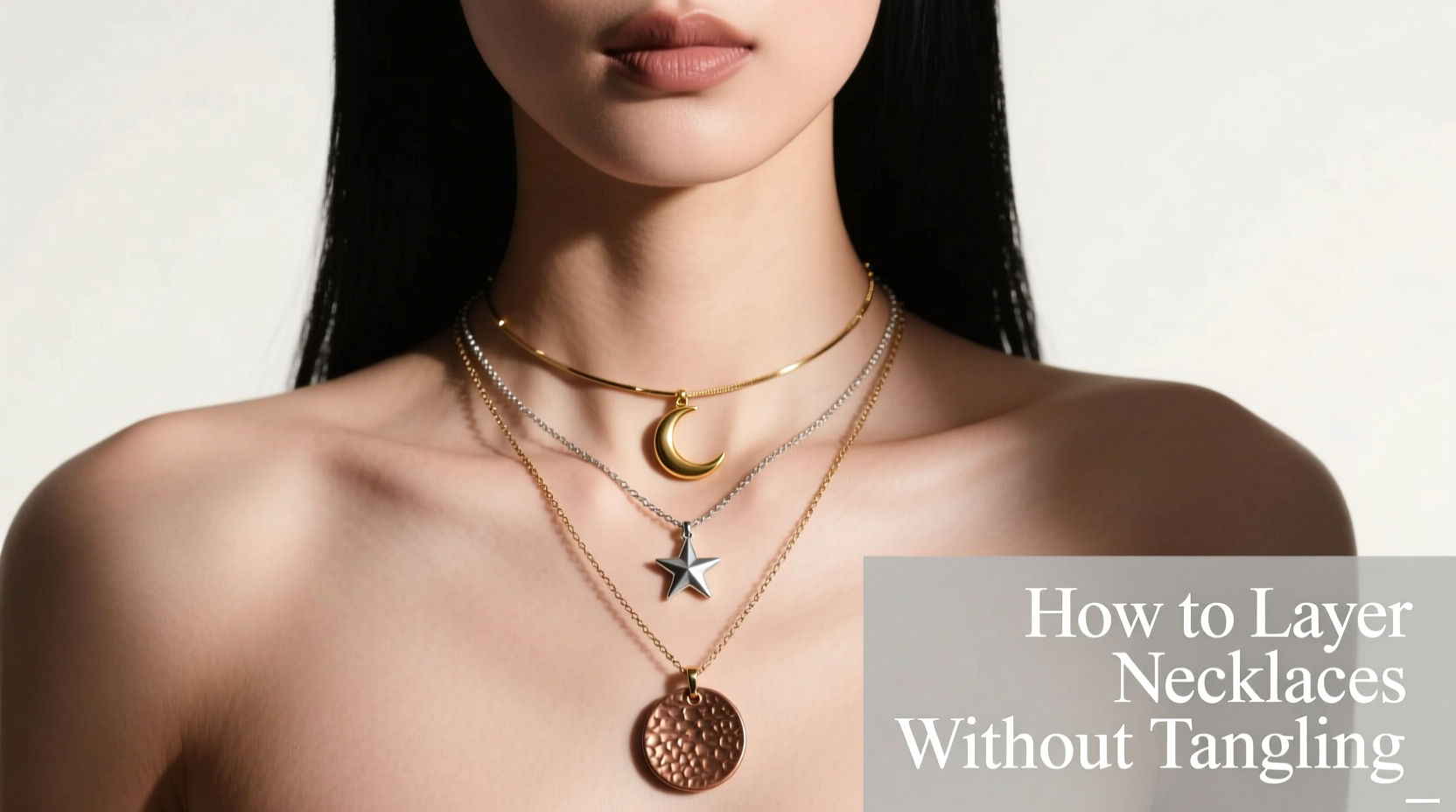
A successful pendant necklace stack isn’t random—it’s built on principles of hierarchy and harmony. Each piece should have a purpose: one as a focal point, others as supporting elements. Start by understanding the core components:
- Length: Measured from clasp to pendant base, necklace length determines where it rests on the body (collarbone, sternum, mid-chest).
- Pendant Size: Larger pendants command attention; smaller ones add subtle detail.
- Metal Tone: Mixing gold, silver, and rose gold requires intentionality to avoid visual noise.
- Chain Style: Delicate cable chains behave differently than chunky figaro or box chains.
The goal is not symmetry but balance. Think of layering like composing music—each note contributes to the whole, but no single instrument drowns out the rest.
Create a Balanced Length Hierarchy
One of the most common mistakes in necklace layering is stacking pieces of nearly identical lengths. When chains sit at the same level, they tangle easily and compete for attention. Instead, space them strategically.
Aim for at least a 2-inch difference between each chain length. For example:
- 16 inches – rests just below the collarbone
- 18 inches – sits at the top of the sternum
- 20–22 inches – falls comfortably in the center of the chest
This staggered approach creates natural separation, allowing each pendant to be seen clearly. If all three were within an inch of each other, they’d bunch up and twist together throughout the day.
To test spacing, hold the necklaces around your neck before clasping. Adjust until each pendant lands in its own “zone.” You should be able to see each charm distinctly without overlap.
Table: Recommended Necklace Lengths & Visual Impact
| Length (inches) | Resting Position | Ideal Pendant Size | Best For |
|---|---|---|---|
| 14–16 | Base of neck / collarbone | Small to medium | Delicacy, choker effect |
| 18 | Top of sternum | Medium | Versatile daily wear |
| 20–22 | Middle of chest | Medium to large | Focal point layer |
| 24+ | Below bust line | Large statement | Bold fashion statements |
Choose Pendants with Intention, Not Impulse
Pendants carry meaning—whether sentimental, spiritual, or stylistic. When layering, treat them like words in a sentence. A jumbled mix of symbols (cross, evil eye, initial, zodiac, heart) can read as confusing rather than expressive.
Select pendants that share a theme or story. Examples include:
- Minimalist elegance: Small geometric shapes in matching metals.
- Spiritual symbolism: Hamsa, lotus, Om—all representing protection or mindfulness.
- Personal identity: Initials, birthstones, coordinates of a meaningful location.
If mixing themes, anchor the look with one dominant pendant and use others as accents. For instance, pair a bold cross pendant at 20 inches with two thin chains (16” and 18”) featuring tiny stars and a delicate dove charm—symbols that complement the overarching theme of faith and peace.
“Less is more when it comes to symbolic jewelry. One strong message resonates louder than five competing ones.” — Lena Torres, Jewelry Designer & Stylist
Prevent Tangling with Smart Selection and Storage
Tangling isn’t just annoying—it can damage delicate chains and weaken solder points on pendants. Prevention starts before you even wear the pieces.
Chain Type Matters: Some chains are inherently more prone to knotting. Curb and rope chains tend to twist easily, while box or snake chains lie flatter and resist tangling. For layering, opt for smoother, stiffer chains when possible.
Clasp Weight: Heavier clasps help chains settle naturally and reduce twisting. Lobster clasps are generally better than spring rings for stability.
Storage Strategy: Never toss multiple necklaces into a pile. Store them individually in soft pouches or hang them on a jewelry tree. If traveling, use a travel roll with separate slots or wrap each necklace in tissue paper.
Step-by-Step Guide: How to Layer Necklaces Without Tangles or Clashes
- Start with a clean canvas: Wear a simple top with a neutral neckline to assess visibility and balance.
- Select 2–3 necklaces max: Begin conservatively. More than three often leads to clutter.
- Check lengths: Ensure at least a 2-inch gap between each. Use a measuring tape if unsure.
- Match metal tones: Stick to one primary metal. Accent with a second tone only if finishes are intentionally mixed (e.g., \"tonal layering\" with warm white gold and yellow gold).
- Put on longest first: Drape the longest chain over your head, then add shorter ones in descending order.
- Adjust pendants: Position each charm so it hangs forward, not twisted to the side.
- Move and observe: Turn your head, bend slightly, walk around. Check for tangling or uneven hanging.
- Secure and set: Once arranged, avoid pulling or adjusting frequently during wear.
Avoid Common Style Clashes
Even perfectly spaced necklaces can clash due to mismatched aesthetics. Here’s how to maintain cohesion:
- Scale mismatch: Don’t pair a thick 2-inch medallion with a dainty 1mm chain. Proportions should align—chunky chains support bold pendants; fine chains suit small charms.
- Over-accessorizing: If your earrings or bracelets are bold, keep necklaces minimal. Let one feature dominate.
- Inconsistent finish: Mixing high-polish shine with matte brushed textures without reason can feel disjointed. Choose a dominant finish and use contrast sparingly.
When in doubt, edit ruthlessly. Remove one piece and see if the look improves. Often, subtraction enhances impact.
Do’s and Don’ts of Pendant Layering
| Do | Don’t |
|---|---|
| Space lengths by at least 2 inches | Stack chains of nearly identical length |
| Use a dominant pendant as anchor | Mix too many large focal points |
| Stick to one primary metal tone | Randomly mix gold, silver, and platinum |
| Choose pendants with shared meaning | Combine conflicting symbols (e.g., skull + angel) |
| Store necklaces separately | Throw layered sets into a drawer loose |
Real Example: From Tangled Mess to Polished Stack
Sophie, a 32-year-old marketing consultant, loved her collection of pendant necklaces—one inherited locket, a modern bar necklace with her initials, and a vintage-inspired sun charm. She’d often wear all three together, but they constantly twisted and overlapped, making the locket disappear behind the others.
After consulting a stylist, she restructured her stack:
- Kept the 18-inch locket (medium size, yellow gold) as her centerpiece.
- Added a 16-inch delicate chain with a tiny sun charm to sit just above it.
- Replaced the bulky bar necklace with a 22-inch fine chain featuring a minimalist “S” pendant, letting it fall lower and avoid interference.
The new arrangement created vertical flow. Each pendant had its own space, and the design told a clearer story: heritage (locket), identity (initial), and energy (sun). Tangling dropped by 90%, and colleagues began complimenting her “effortless elegance.”
Expert Tips for Long-Term Success
Sustaining a beautiful layered look goes beyond daily styling—it involves maintenance and mindful choices.
- Clean regularly: Oils from skin accumulate on chains. Wipe with a microfiber cloth after wearing.
- Inspect clasps monthly: Loose clasps lead to lost pendants. Tighten or replace as needed.
- Rotate pieces seasonally: Just like clothing, rotate necklaces to prevent overuse and give designs fresh context.
“The best layered necklaces feel personal, not performative. They should reflect who you are—not what trends say you should wear.” — Marcus Reed, Editorial Director at *Jewelry Quarterly*
Frequently Asked Questions
Can I mix gold and silver pendants in one layer?
Yes, but do it intentionally. Limit mixed metals to one accent piece unless you’re going for an edgy, modern aesthetic. Pair them with neutral tones (black, white, gray) to let the contrast shine. Avoid equal amounts of both metals, which can look unbalanced.
How many pendants is too many?
For most outfits, three is the practical limit. Beyond that, the neckline becomes crowded, especially with varying lengths and sizes. In formal settings, even two well-chosen pendants are often sufficient.
What if my necklaces still tangle?
Try adding a lightweight extender chain or spacer bead between layers to create physical separation. Alternatively, use a necklace separator charm—a small decorative piece that slides between chains to keep them apart.
Final Thoughts: Craft Your Signature Look
Layering necklaces with pendants is both an art and a discipline. It rewards patience, planning, and personal insight. By focusing on length variation, thematic consistency, and anti-tangle practices, you transform potential chaos into curated elegance.
Your jewelry should tell a story—of where you’ve been, what you value, and how you wish to present yourself. A well-layered pendant stack does exactly that: quietly powerful, thoughtfully composed, effortlessly striking.




 浙公网安备
33010002000092号
浙公网安备
33010002000092号 浙B2-20120091-4
Comments
No comments yet. Why don't you start the discussion?