
A well-scented room can transform the way you feel in your home. But most commercial sprays rely on synthetic fragrances, alcohol bases, and undisclosed chemicals that do little more than mask odors temporarily—and sometimes worsen indoor air quality. A better solution exists: crafting your own DIY room spray using essential oils. When done right, these natural sprays eliminate odors at the source, uplift your mood, and leave behind a clean, lasting fragrance. The key is knowing which oils to use, how to formulate them effectively, and what ingredients truly work—not just smell nice.
This guide walks through the science-backed method of making a room spray that doesn’t just perfume the air but actively purifies it. From selecting antimicrobial essential oils to ensuring proper dispersion and longevity, every step matters. Whether you're refreshing a musty bathroom, calming a busy living room, or deodorizing a pet area, this approach delivers real results.
The Science Behind Effective Natural Room Sprays
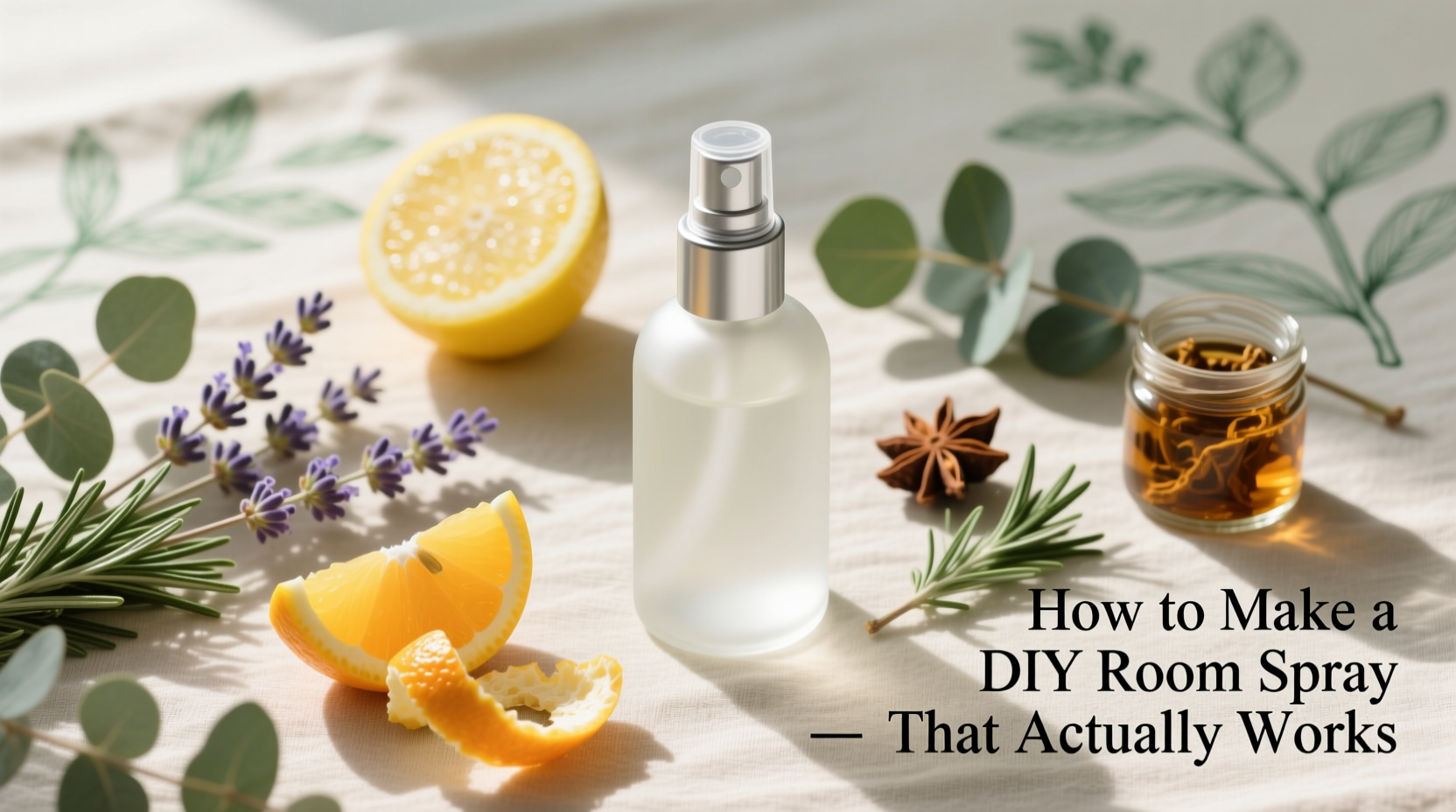
Not all essential oil blends are created equal. Many DIY recipes found online use arbitrary combinations of oils based solely on scent preference, ignoring their functional properties. For a spray that \"actually works,\" you need oils with proven antimicrobial, antifungal, and odor-neutralizing capabilities.
Research shows that certain essential oils—like tea tree, eucalyptus, and citrus varieties—contain compounds such as terpenes and phenols that disrupt the cell membranes of bacteria and mold spores. This means they don’t just cover up smells; they reduce the microbial sources of those odors. A 2019 study published in *Molecules* confirmed that essential oils from lemon, lavender, and thyme exhibit strong antibacterial activity against common indoor pathogens like *E. coli* and *Staphylococcus aureus*.
In addition to microbial action, some essential oils naturally absorb volatile organic compounds (VOCs) released by cleaning products, furniture, and carpets. Activated charcoal is often used for this purpose, but specific essential oils—particularly those high in limonene, like orange and grapefruit—have demonstrated VOC-scavenging effects in controlled environments.
“Essential oils aren’t just about aroma—they’re bioactive agents. When formulated correctly, they contribute to cleaner indoor air.” — Dr. Lena Patel, Environmental Health Researcher at the Institute for Holistic Living
Choosing the Right Ingredients for Maximum Effectiveness
The foundation of an effective DIY room spray lies in four core components: essential oils, a dispersant, a solvent, and water. Each plays a critical role in performance and shelf life.
Essential Oils: Function Over Fragrance
Select oils based on both therapeutic properties and compatibility. Here’s a breakdown of top-performing options:
- Tea Tree (Melaleuca): Powerful antimicrobial; ideal for bathrooms and kitchens.
- Lemon or Sweet Orange: High in limonene; cuts through grease and neutralizes stale air.
- Eucalyptus: Clears stuffy rooms and inhibits airborne microbes.
- Lavender: Calming and mild antiseptic; great for bedrooms.
- Pine or Fir: Contains natural terpenes that mimic forest air and combat mold.
A balanced blend typically includes one oil from each category: cleansing (e.g., tea tree), freshening (e.g., lemon), and soothing (e.g., lavender). Avoid single-note sprays unless targeting a specific issue, like smoke removal (where cedarwood excels).
Dispersant: Why Alcohol Matters
Essential oils don’t mix with water. Without a dispersant, they float on top and clog the spray nozzle. While some tutorials suggest using witch hazel or vodka alternatives, only high-proof alcohol ensures even distribution and preservation.
Use **everclear (190 proof)** or **vodka (at least 80 proof)**. Higher alcohol content improves solubility and prevents microbial growth in the bottle. Vodka is accessible and safe; everclear offers superior dispersion for long-term storage.
Distilled Water: Prevent Contamination
Tap water contains minerals and microbes that can cloud your spray or promote bacterial growth. Always use distilled water to maintain clarity and safety over time.
Optional Additives
- Vegetable glycerin (¼ tsp per cup): Helps the scent linger longer on fabrics and surfaces.
- Hydrogen peroxide (3%, a few drops): Boosts disinfecting power, especially useful in pet areas or after illness.
Step-by-Step Guide to Making Your Spray
Follow this precise process to ensure effectiveness, stability, and safety.
- Gather Supplies: 4 oz glass spray bottle (amber or cobalt preferred), funnel, measuring tools, labels.
- Add Essential Oils: Use 30–45 drops total per 4 oz batch. Example blend:
- 15 drops lemon
- 12 drops tea tree
- 10 drops lavender
- 8 drops eucalyptus
- Pour Alcohol: Add ½ oz (1 tablespoon + 1 teaspoon) of high-proof alcohol. Swirl gently to combine with oils.
- Add Glycerin (Optional): If using, add now and shake lightly.
- Top with Distilled Water: Fill the rest of the bottle, leaving a small headspace.
- Shake Well & Label: Shake vigorously for 30 seconds. Label with date and ingredients.
- Rest Before Use: Let sit for 24 hours to allow full infusion of oils.
Shake before each use. Spray 3–5 times into the air or onto washable fabrics (test first). Avoid wood finishes, electronics, and delicate textiles.
Do’s and Don’ts of DIY Room Sprays
| Do’s | Don’ts |
|---|---|
| Use dark glass bottles to protect oils from light degradation | Use plastic containers—essential oils degrade plastic over time |
| Label bottles clearly with ingredients and date | Mix incompatible oils (e.g., avoid combining photosensitizing citrus oils with direct sun exposure on surfaces) |
| Store in a cool, dark place (lasts up to 3 months) | Spray near open flames—alcohol is flammable |
| Shake well before each application | Use tap water—it introduces contaminants and shortens shelf life |
| Test on small fabric areas first | Apply to varnished wood or leather without testing—oils may stain or dry materials |
Real-World Application: A Case Study in Odor Elimination
Jamie, a parent of two young children and owner of a rescue dog, struggled with persistent odors in her basement playroom. Despite frequent cleaning, a damp, musky smell lingered, especially after rainy days. Commercial sprays only masked the scent briefly and triggered her son’s mild asthma.
She decided to try a custom DIY spray using 4 oz of distilled water, 1 tbsp of everclear, and 40 drops of essential oils: 15 tea tree, 15 lemon, 10 eucalyptus. She added ¼ tsp of vegetable glycerin to help the scent adhere to carpet fibers. After applying the spray twice daily for three days—focusing on corners, under furniture, and baseboards—the musty odor significantly diminished. Within a week, family members noticed improved air quality and no respiratory irritation.
Two months later, she continues using the spray weekly as part of her cleaning routine. “It’s not just about smelling good,” she said. “The room feels cleaner, lighter. I can tell the air is different.”
Frequently Asked Questions
Can I use this spray on fabrics?
Yes, but always test on an inconspicuous area first. Some dyes may react to citrus oils. Avoid silk, velvet, or antique textiles. Never saturate fabric—light misting is sufficient.
How long does the scent last in the air?
Typically 1–3 hours, depending on room size and ventilation. The lingering effect can be extended by spraying near curtains, rugs, or upholstery (if safe for the material). Glycerin helps anchor the fragrance molecules.
Are essential oil sprays safe around pets?
Certain oils—especially tea tree, eucalyptus, and citrus—are toxic to cats and some dogs when inhaled in high concentrations. If you have pets, consult your veterinarian before use. For pet-safe options, consider diluted lavender or chamomile, and always ventilate the room after spraying.
Checklist: Building Your First Effective Room Spray
- ☐ Choose a 4 oz amber glass spray bottle
- ☐ Gather essential oils with functional benefits (cleansing, freshening, calming)
- ☐ Measure 30–45 drops of combined oils
- ☐ Add ½ oz high-proof alcohol (vodka or everclear)
- ☐ Optional: Add ¼ tsp vegetable glycerin for longevity
- ☐ Top off with distilled water
- ☐ Shake well and label with date and ingredients
- ☐ Wait 24 hours before first use
- ☐ Store in a cool, dark cabinet
- ☐ Shake before each application
Why Most DIY Sprays Fail (And How to Avoid It)
The reason many homemade sprays disappoint isn’t poor ingredients—it’s improper formulation. Common pitfalls include:
- Too few essential oils: Under 30 drops per 4 oz lacks potency.
- No alcohol or inadequate dispersant: Causes separation and inconsistent spraying.
- Using tap water: Introduces bacteria and reduces shelf life.
- Ignoring oil synergy: Random blends lack functional balance.
- Improper storage: Clear bottles exposed to sunlight degrade oils within weeks.
To avoid failure, treat your spray like a functional product, not just a craft project. Precision matters. Stick to tested ratios and understand what each ingredient contributes.
Conclusion: Turn Scent Into Science
Creating a DIY room spray that actually works isn’t about guesswork—it’s about intention. By selecting essential oils for their biological activity, using proper solvents, and following a repeatable process, you can produce a spray that cleans the air as much as it perfumes it. This isn’t just a pleasant luxury; it’s a tool for healthier indoor environments.
You don’t need expensive equipment or obscure ingredients. What you need is knowledge, consistency, and respect for the chemistry behind natural solutions. Start with one effective blend, test it in a problem area, and refine from there. Once you experience air that’s truly fresh—not just covered up—you’ll never go back to artificial fragrances.




 浙公网安备
33010002000092号
浙公网安备
33010002000092号 浙B2-20120091-4
Comments
No comments yet. Why don't you start the discussion?