
The holiday season is as much about scent as it is about sight. The crisp pine of your Christmas tree, the warmth of cinnamon in the air, or the citrusy spark of orange peel—these aromas define memory and mood. While scented candles and plug-ins are common, they often rely on synthetic fragrances and artificial diffusers. A more natural, sustainable, and creative alternative? A fragrance ladder for your tree made with pure essential oils.
A fragrance ladder isn’t a physical structure but a layered aromatic experience—different scents introduced at various heights and zones of your tree to create depth, balance, and seasonal storytelling through smell. By using natural oils, you avoid harmful chemicals, support well-being, and personalize your space with therapeutic-grade aromas.
This guide walks you through building your own fragrance ladder using essential oils, offering practical steps, material recommendations, and expert-backed insights for an immersive sensory experience.
Understanding the Fragrance Ladder Concept
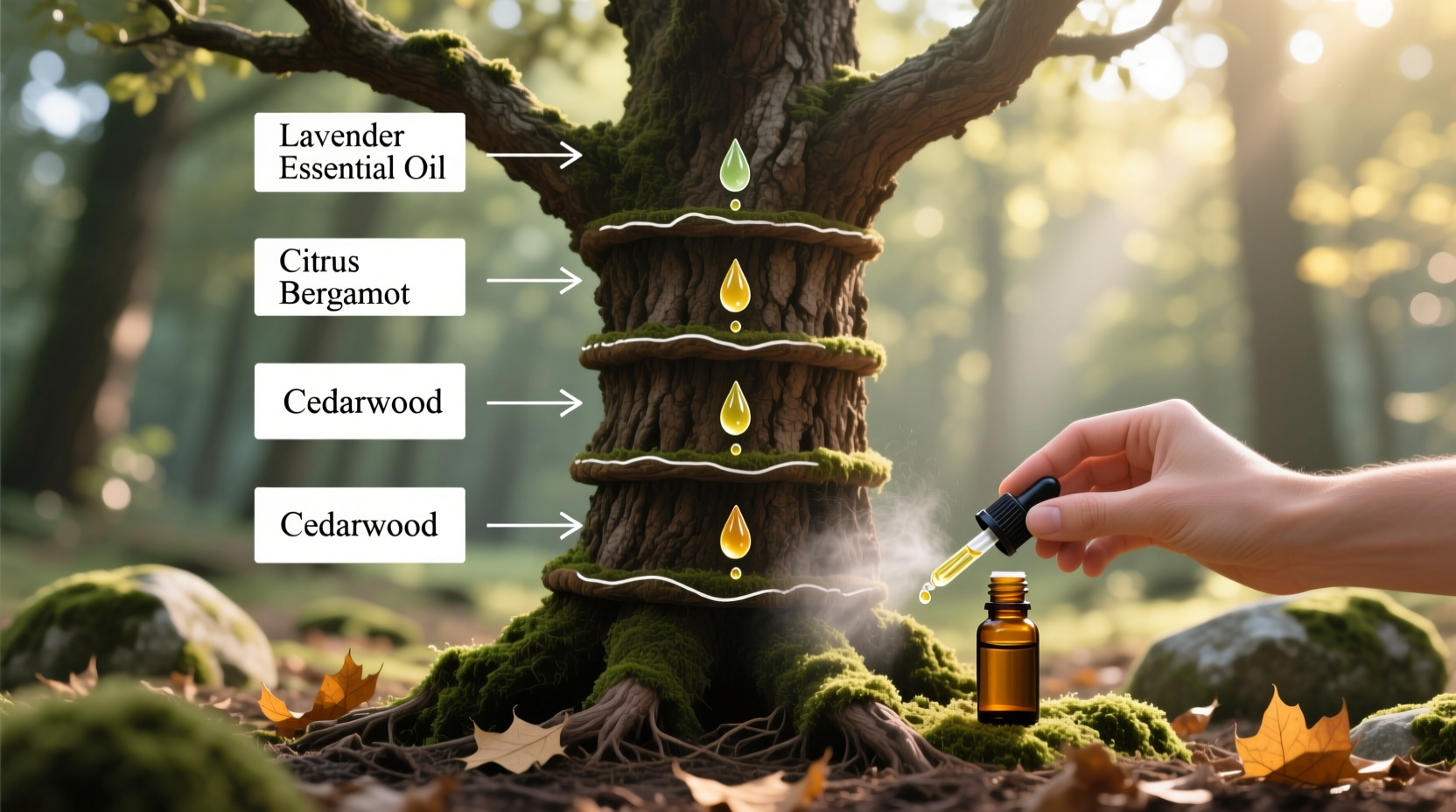
In perfumery, a “scent pyramid” describes how a fragrance unfolds over time: top notes (first impression), middle (heart) notes (core character), and base notes (long-lasting depth). A fragrance ladder applies this idea spatially rather than temporally—layering different scents at various levels of your tree to engage the senses from floor to tip.
Imagine standing near your tree: at the base, earthy vetiver and cedarwood rise like forest roots; mid-level, spiced clove and orange evoke mulled cider; higher up, fresh pine and eucalyptus offer crispness and clarity. This vertical layering creates a dynamic, evolving experience that mimics walking through a winter woodland.
Unlike overpowering sprays or static diffusers, a fragrance ladder uses passive diffusion methods—such as oil-soaked wood slices, fabric ribbons, or clay ornaments—to release aroma gently and sustainably.
“Scent has profound psychological effects. When layered thoughtfully, it can evoke nostalgia, reduce stress, and enhance seasonal joy.” — Dr. Lena Torres, Aromatherapy Researcher, Institute of Holistic Wellness
Materials You’ll Need
Creating a fragrance ladder requires minimal tools and readily available natural materials. Choose items that absorb and slowly release essential oils without degrading or posing fire risks near lights.
| Material | Purpose | Fragrance Compatibility |
|---|---|---|
| Wood slices (pine, birch, or cork) | Base-level diffusers; sit at tree bottom | Earthy oils: cedarwood, patchouli, vetiver |
| Cotton ribbons or muslin bags | Mid-level carriers; tie onto branches | Spicy & warm oils: cinnamon, clove, cardamom |
| Baking soda + cornstarch sachets | Neutral base for strong oils; place on lower shelf | Citrus: orange, lemon, grapefruit |
| Unfired clay ornaments | Hanging diffusers; drill small holes for wicking | Fresh/resinous oils: pine, fir, frankincense, eucalyptus |
| Dried citrus wheels | Decorative + aromatic; hang mid to upper | Pair with cinnamon sticks or cloves |
Step-by-Step Guide to Building Your Fragrance Ladder
Follow this timeline to assemble your fragrance ladder over one weekend. The process takes under three hours, with drying and curing adding two additional days for optimal results.
- Day 1 – Prepare Materials (30–60 min)
Create or source wooden bases, cut cotton ribbons (12–18 inches), fill muslin bags with baking soda blend, and pre-drill small holes in clay ornaments for hanging. - Day 1 – Apply Base Notes (Lower Zone)
Soak wood slices in a mix of 10 drops cedarwood + 5 drops vetiver + 1 oz carrier oil. Let dry flat for 24 hours. Place around the tree stand. These anchor the scent profile with deep, grounding warmth. - Day 2 – Add Heart Notes (Mid Zone)
Prepare ribbons: mix 8 drops cinnamon bark, 6 drops clove, and 1 oz witch hazel. Lightly spray or brush onto cotton ribbons. Tie them to mid-level branches, spaced evenly. Also hang dried orange wheels studded with whole cloves. - Day 2 – Install Fresh Notes (Upper Zone)
Fill clay ornaments with 3–4 drops each of Douglas fir, blue spruce, or black spruce oil. Insert a small cotton wick if desired to extend release. Hang near the top third of the tree. - Day 3 – Evaluate & Balance
Stand back and walk around the tree. Is one scent dominating? Adjust by reducing oil volume on stronger elements or adding complementary notes. Reapply oils every 7–10 days as needed.
Why This Layering Works
Cooler air sinks, so heavier base notes (like woods and resins) naturally stay grounded. Mid-level spices diffuse easily at breathing height, engaging guests directly. Lighter citrus and evergreen oils rise subtly, enhancing air quality and mental clarity. This mimics natural atmospheric behavior, making the experience feel organic rather than forced.
Do’s and Don’ts of Natural Tree Fragrancing
To ensure safety, longevity, and effectiveness, follow these best practices when working with essential oils and live trees.
| Do | Don’t |
|---|---|
| Use non-flammable carriers like witch hazel or water-based gels | Apply undiluted oils directly to dry needles or lights |
| Refresh oils weekly with small top-ups | Over-saturate materials—this causes dripping and mold |
| Choose therapeutic-grade essential oils | Use fragrance oils—they lack therapeutic benefits and may off-gas VOCs |
| Keep diffusing elements away from direct heat sources | Place oil-treated items near LED or incandescent lights (heat accelerates evaporation) |
| Store extra supplies in amber glass bottles, away from sunlight | Leave wet oil rags bunched together—they can self-ignite due to oxidation |
Real Example: Sarah’s Scented Spruce Story
Sarah, a holistic living blogger in Vermont, wanted her family’s holiday decor to reflect both tradition and wellness. Her real fir tree stood in the living room, but she disliked commercial sprays filled with unpronounceable ingredients.
She decided to build a fragrance ladder using materials from her craft pantry. At the base, she arranged five large birch slices soaked in cedarwood and vanilla-infused jojoba oil. Mid-tree, she tied burgundy cotton ribbons treated with a blend of cinnamon, clove, and orange oil. Near the top, she hung handmade salt dough ornaments infused with Douglas fir and a drop of lavender.
Within hours, guests commented on the “cozy forest lodge” vibe. Her youngest daughter, who usually complains of stuffiness during holidays, slept better. Over two weeks, Sarah refreshed the ribbons once and added a single drop of fir oil to each ornament. The entire setup cost under $25 and lasted the full season.
“It wasn’t just about smelling nice,” Sarah wrote in her journal. “It felt intentional—like we were honoring the tree not just as decoration, but as a living part of our home.”
Essential Oil Blends for Every Holiday Mood
Your fragrance ladder can adapt to different themes—calming, festive, nostalgic, or invigorating. Here are four proven blends, tested for compatibility and diffusion strength.
- Winter Forest Walk: 6 parts spruce, 3 parts cypress, 1 part peppermint (refreshing and grounding)
- Grandma’s Kitchen: 5 parts sweet orange, 3 parts cinnamon leaf, 2 parts clove bud (warm and nostalgic)
- Peaceful Hearth: 4 parts lavender, 3 parts frankincense, 2 parts vanilla absolute (calming and meditative)
- Frosted Citrus: 5 parts grapefruit, 3 parts bergamot, 2 parts juniper berry (bright and uplifting)
Always perform a patch test on a small area of material first. Some oils, like cinnamon bark or oregano, are potent and may discolor light fabrics.
Checklist: Build Your Fragrance Ladder in 5 Steps
- ☐ Gather natural diffusing materials (wood, cloth, clay, citrus)
- ☐ Select 3–4 essential oils representing base, heart, and top notes
- ☐ Prepare diluted oil blends using safe carriers
- ☐ Apply scents to designated zones: base (wood), mid (ribbons), top (ornaments)
- ☐ Monitor scent balance and refresh every 7–10 days
Frequently Asked Questions
Can I use this method on an artificial tree?
Absolutely. In fact, artificial trees benefit more from added scent since they lack natural aroma. Use the same materials and placement strategy. Just avoid spraying oils directly onto plastic needles, which may degrade over time. Instead, rely on indirect diffusion via nearby ribbons or ornaments.
How long do essential oils last on tree decorations?
Most natural carriers release scent for 7–14 days, depending on airflow and temperature. Cotton and wood retain oils longer than paper or thin fabric. To extend longevity, store unused scented pieces in airtight glass jars between seasons. Most can be recharged with a few fresh drops.
Are there any fire hazards with essential oils near Christmas lights?
Pure essential oils are flammable, but risk is low when used correctly. Never pour oils into water reservoirs or apply them directly to hot bulbs. Use passive diffusion only, keep materials at least 6 inches from light sources, and avoid synthetic fragrance oils, which have lower flash points.
Conclusion: Elevate Your Holidays with Intentional Scent
A fragrance ladder transforms your tree from a visual centerpiece into a multi-sensory sanctuary. Using natural oils, you craft an atmosphere that supports emotional well-being, honors seasonal traditions, and avoids the pitfalls of synthetic air fresheners. More than decoration, it becomes a ritual—a way to slow down, breathe deeply, and connect with the essence of the season.
Start small: one scented wood slice, one ribbon, one drop of oil. Observe how it changes the mood of your space. Then expand, experiment, and refine. Your perfect aromatic balance is waiting—not in a factory-made spray, but in the quiet alchemy of nature, intention, and care.




 浙公网安备
33010002000092号
浙公网安备
33010002000092号 浙B2-20120091-4
Comments
No comments yet. Why don't you start the discussion?