
In compact living spaces, perception is everything. A small room doesn’t have to feel cramped or claustrophobic—strategic use of paint and mirrors can dramatically alter the visual dimensions of any space. These two tools are among the most effective and affordable solutions in interior design for creating an illusion of depth, brightness, and openness. When used correctly, they don’t just enhance aesthetics—they transform how a room feels. This guide explores the science and art behind making a small room appear larger, focusing exclusively on paint selection and mirror placement.
Choose the Right Paint Color and Finish
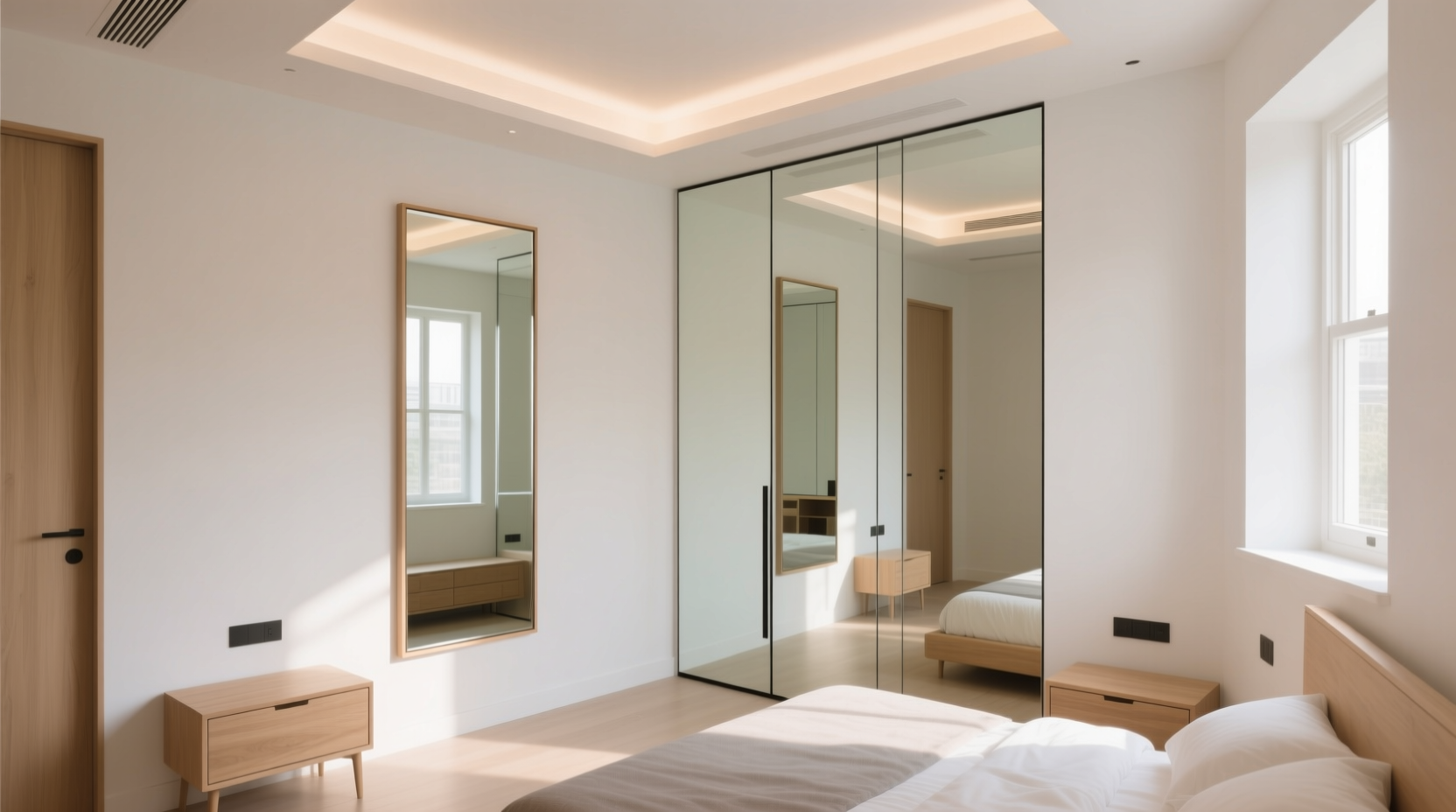
The color of your walls plays a pivotal role in shaping spatial perception. Light colors reflect more light, making a room feel airy and open. White, soft gray, pale blue, and warm beige are classic choices that help expand the sense of space. But it's not just about hue—finish matters too. A satin or eggshell finish adds subtle sheen, reflecting ambient light without the glare of high-gloss paints.
Dark colors absorb light and tend to make walls feel closer, which is generally counterproductive in tight quarters. However, there’s a nuanced exception: using a single dark accent wall behind a reflective mirror can create a striking depth effect when balanced with lighter surrounding surfaces.
Avoiding Common Paint Mistakes
One frequent error is assuming all white paints are the same. In reality, whites vary significantly in undertone—some lean cool (blue or gray), others warm (yellow or pink). A cool-toned white in a north-facing room may feel sterile, while a warm white can add comfort without sacrificing brightness. Always sample multiple shades directly on your walls before committing.
Use Mirrors Strategically to Amplify Space
Mirrors are optical illusions in physical form. They reflect light and imagery, effectively doubling what’s visible and tricking the eye into perceiving extended boundaries. The key isn’t just having a mirror—it’s placing it where it maximizes reflection and minimizes cluttered visuals.
Positioning a large mirror opposite a window is one of the most effective techniques. Natural light enters the room, bounces off the mirror, and travels back across the space, illuminating corners that would otherwise remain dim. This double exposure of light makes ceilings seem higher and floors stretch further.
“Mirrors don’t just reflect—they redefine space. A well-placed mirror can turn a 10-foot wall into a perceived 20-foot vista.” — Lena Torres, Interior Designer & Spatial Perception Specialist
Types of Mirrors That Work Best
- Floor-to-ceiling mirrors: Ideal for narrow rooms; vertically elongates the space.
- Oversized wall mirrors: Create a bold statement and simulate windows or additional openings.
- Arranged mirror clusters: Use multiple smaller mirrors in a symmetrical layout to mimic a single large reflective surface.
- Decorative mirrored furniture: Chests, shelves, or side tables with mirrored surfaces contribute reflection without dominating the wall space.
Step-by-Step Guide: Transform Your Room in 5 Stages
Follow this structured approach to achieve maximum impact from paint and mirrors.
- Assess natural light sources: Identify where sunlight enters during the day. Mark these zones as primary reflection targets.
- Select paint with reflective qualities: Choose light, neutral tones with a semi-reflective finish. Consider painting ceiling and trim the same color to erase visual boundaries.
- Paint the room uniformly: Apply the same color to all walls and ceiling to eliminate visual breaks that make rooms feel segmented.
- Install a large mirror opposite the main light source: If no window exists, place it opposite the brightest artificial light or a focal point like artwork or a plant.
- Add secondary reflective elements: Incorporate glass-top tables, metallic accents, or mirrored closet doors to sustain the reflective theme.
Do’s and Don’ts: Paint and Mirror Application Table
| Category | Do | Don't |
|---|---|---|
| Paint Color | Use light neutrals like ivory, mist gray, or sky blue | Use deep reds, navy, or charcoal on all walls |
| Paint Finish | Opt for eggshell or satin for gentle light reflection | Use flat/matte finishes that absorb light |
| Mirror Placement | Place opposite windows or light fixtures | Face mirrors toward cluttered or dark corners |
| Mirror Size | Use one large mirror or a cohesive group | Scatter multiple small mismatched mirrors randomly |
| Ceiling Treatment | Paint ceiling same color as walls for continuity | Contrast ceiling with much darker or brighter color |
Real Example: Transforming a 10x12 Bedroom
Sarah, a graphic designer living in a downtown apartment, struggled with her bedroom feeling boxed-in despite its modest size. The room measured only 10 by 12 feet, with a single east-facing window. She repainted the entire space—including walls, ceiling, and trim—in a warm, off-white paint with a satin finish. She then installed a 36x48-inch frameless mirror directly opposite the window.
Within hours of completion, guests commented that the room “felt twice as big.” The morning sunlight flooded in, bounced off the mirror, and washed across the far wall, eliminating shadows. Sarah added a mirrored nightstand and replaced heavy curtains with sheer linen panels to maintain unobstructed light flow. The transformation cost under $200 but yielded a dramatic psychological shift—she now enjoys spending time in the room instead of avoiding it.
Advanced Techniques: Beyond Basic Paint and Mirrors
Once foundational strategies are in place, consider layering advanced methods for even greater effect.
Continuity Through Color Flow
Extend the same paint color into adjacent rooms or hallways. When similar hues connect spaces visually, thresholds become less pronounced. This technique works especially well in open-plan studios or apartments with minimal internal doors.
Vertical Mirror Strips
Narrow vertical mirrors installed along one wall can simulate height, drawing the eye upward and making ceilings appear taller. These are ideal in rooms with low clearance (under 8 feet).
Painted Illusions
Some designers use faux finishes or painted murals on walls facing mirrors. For example, painting a realistic sky or garden scene on a wall—and reflecting it in a mirror—can create the illusion of an outdoor extension. While bold, this method requires precision to avoid looking kitschy.
Checklist: Quick Actions to Make Your Room Feel Bigger
Use this concise checklist to implement changes efficiently:
- ☐ Paint all walls and ceiling in a light, uniform color
- ☐ Choose a paint with eggshell or satin finish
- ☐ Identify the primary light source (window or lamp)
- ☐ Install a large mirror directly opposite the light source
- ☐ Remove clutter from the area being reflected
- ☐ Add secondary reflective surfaces (glass, metal, mirrored furniture)
- ☐ Use sheer or minimal window treatments
- ☐ Re-evaluate after 48 hours under different lighting conditions
FAQ: Common Questions About Expanding Small Rooms
Can I use colored paint and still make the room look bigger?
Yes, but carefully. Soft pastels like powder blue, blush pink, or sage green can work if they have high light reflectance. Avoid saturated or deep tones unless used sparingly as accents. Always test the paint under real lighting conditions before full application.
What if my room has no windows?
In windowless rooms, maximize artificial light. Use layered lighting—overhead, floor lamps, and wall sconces—and position a mirror to face the brightest fixture. Combine with light-colored walls and glossy finishes to amplify every photon. Consider LED mirrors with built-in lighting for dual functionality.
Is it okay to use multiple mirrors?
Yes, but with intention. Multiple mirrors can create infinite reflections if aligned properly. However, misaligned or cluttered placements cause visual chaos. Stick to one dominant mirror and supplement with smaller reflective decor rather than competing large mirrors.
Conclusion: Redefine Your Space with Simple Changes
Transforming a small room doesn’t require demolition or renovation. With thoughtful paint choices and strategic mirror placement, you can manipulate perception, light, and space to create an environment that feels expansive, bright, and inviting. These techniques are backed by both design principles and psychological responses to light and depth. Whether you're working with a studio apartment, a compact home office, or a cozy bedroom, the power of reflection and color is within reach.




 浙公网安备
33010002000092号
浙公网安备
33010002000092号 浙B2-20120091-4
Comments
No comments yet. Why don't you start the discussion?