
Color has power. A single swipe of emerald green or a hint of violet on the lids can transform a look from ordinary to unforgettable. Yet, many hesitate to embrace colored eyeshadow, fearing it will appear too loud, costumey, or out of place. The truth is, bold color doesn’t have to mean excess. When applied with intention and restraint, colored eyeshadow can elevate your everyday makeup into a subtle but undeniable statement.
The key lies not in avoiding color, but in mastering its use. Whether you're dressing up for a night out or adding flair to your daytime routine, understanding how to balance vibrancy with elegance ensures your look remains polished—not overwhelming. This guide breaks down practical techniques, shade selection strategies, and real-world applications that let you wear color confidently, without crossing the line into theatrical territory.
Choose Your Color Wisely
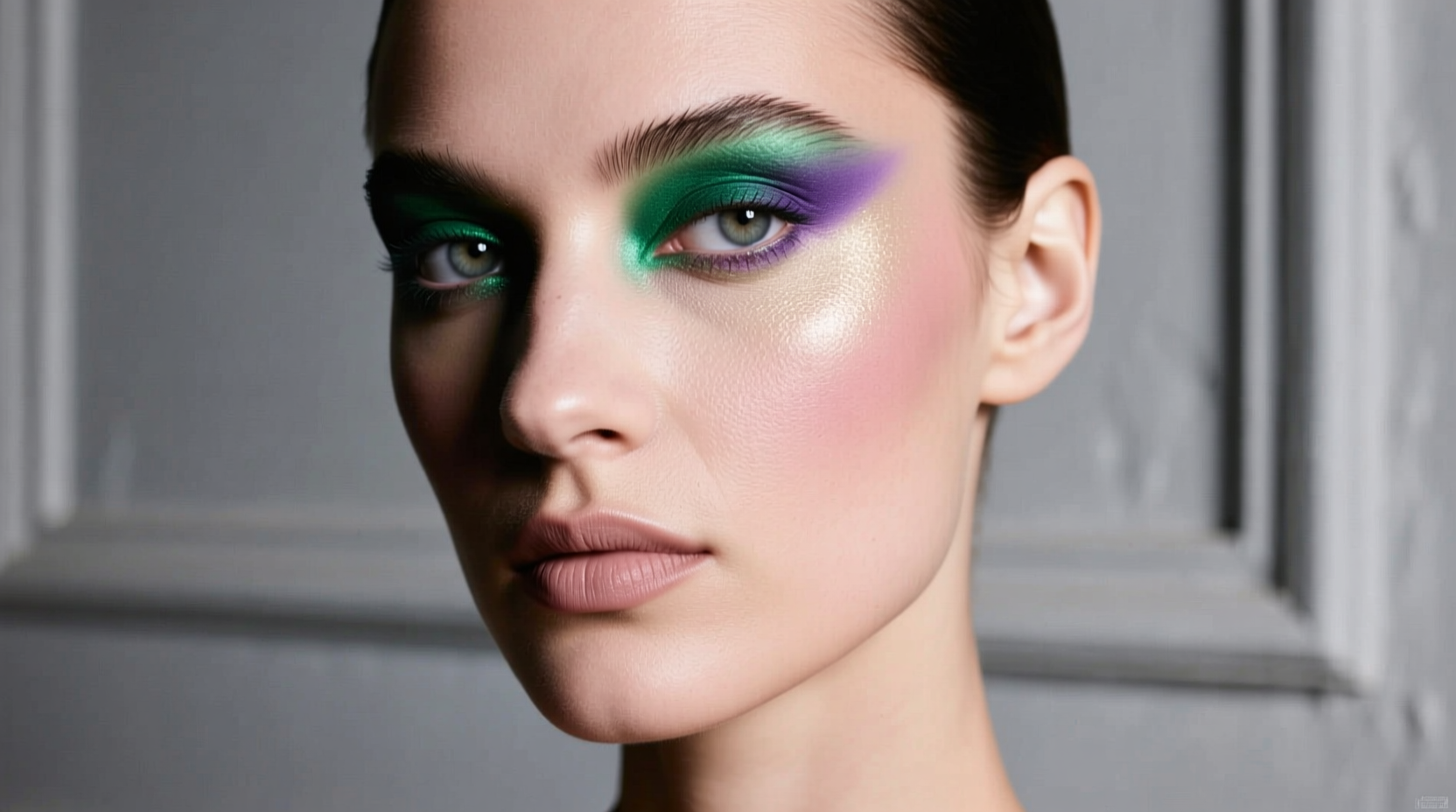
Not all colors behave the same way on the eye. Some command attention instantly; others whisper their presence. To make a statement without going overboard, start by selecting hues that align with your skin tone, eye color, and the occasion.
Warm-toned individuals often shine in corals, burnt oranges, and golden teals. Cooler complexions pair beautifully with plum, cobalt, or icy lavender. Those with neutral undertones have more flexibility—consider muted terracotta, sage green, or soft magenta as transitional shades that add interest without shock value.
Consider pigmentation levels too. Highly saturated shadows deliver impact quickly, so use them sparingly. Cream-based formulas blend seamlessly and are ideal for beginners aiming for soft diffusion. Pressed powders offer buildable coverage—start sheer, then layer only where needed.
Apply with Precision, Not Coverage
One of the most common mistakes with colored shadow is applying it across the entire lid. While dramatic, this approach often dominates the face. Instead, focus on strategic placement to create emphasis without saturation.
Try using color as an accent rather than a base. Apply a neutral matte (like beige, taupe, or soft gray) over the lid and brow bone, then press a pop of color along the outer V or lower lash line. This draws attention subtly, enhancing your eye shape while keeping the rest of the face grounded.
“Less is more when it comes to color. A concentrated hit in the right place speaks louder than full-lid saturation.” — Lena Reyes, Celebrity Makeup Artist
You can also use color as a liner substitute. With a damp angled brush, apply a jewel-toned shadow like deep sapphire or wine directly along the upper lash line. It mimics eyeliner but adds depth and personality. Pair this with neutral shimmer on the center of the lid for dimension.
Step-by-Step: Subtle Color Statement Routine
- Prime your lids with an eyeshadow base to ensure even application and prevent creasing.
- Apply a matte transition shade (light brown or warm beige) into the crease to create depth.
- Sweep a neutral base (ivory or champagne) across the lid using a flat shader brush.
- Dampen a small brush and pick up a vibrant pigment—such as teal or rose gold.
- Press the color onto the outer third of the lid or along the lower lash line.
- Blend gently at the edges to avoid harsh lines.
- Finish with mascara or subtle liner to complete the eye without competing elements.
Balance the Rest of Your Face
A colored eye commands attention—so keep the rest of your makeup balanced. Overloading cheeks or lips with bold tones competes for focus and risks visual clutter.
Opt for a monochromatic flush: use a cream blush in a similar tone to your eyeshadow—say, a dusty rose with mauve shadow—for harmony. Alternatively, stick to nude or soft pink lips and groomed brows to let the eyes remain the centerpiece.
| If Your Eyeshadow Is… | Recommended Lip Shade | Recommended Cheek Tone |
|---|---|---|
| Emerald Green | Sheer peach or nude gloss | Warm coral or bronze |
| Violet or Plum | Mauve or berry stain | Soft rose or lilac |
| Copper or Terracotta | Brick red or honey brown | Golden amber or apricot |
| Aquamarine or Teal | Pinky-nude or clear balm | Champagne highlight only |
Real-Life Example: The Office-to-Dinner Transition
Sophia, a marketing executive in her early 30s, wanted to express more personality through her makeup without appearing unprofessional during work hours. She started experimenting with a deep rust-colored shadow during meetings. Her method?
She applied a thin line of the color along her upper lash line using a smudging brush, blending it softly upward into the crease. During the day, it read as a sophisticated alternative to black liner. After work, she added a second layer and paired it with winged liner and fuller lashes. The transformation was instant—a vibrant, intentional look perfect for dinner with friends.
No one commented that she looked “too much.” Instead, colleagues asked, “You always look so put together—what’s your secret?” Sophia’s answer: precision, proportion, and knowing where to place the color.
Master the Art of Color Pairing
Even the most stunning hue can fall flat if mismatched with surrounding tones. Complementary colors—those opposite on the color wheel—create dynamic contrast when used thoughtfully.
- Pair orange-based shadows with cool blue liners for striking contrast.
- Use purple shadows to make green eyes pop.
- Teal enhances brown eyes by introducing unexpected depth.
But don’t feel confined to opposites. Analogous colors—those adjacent on the wheel—offer subtler drama. Think burgundy transitioning into plum, or golden yellow melting into soft green. These combinations feel modern and cohesive, especially when blended with a clean gradient effect.
To test compatibility, swatch two shades side by side on your arm first. If they clash under natural light, they’ll likely do the same on your lids.
Checklist: How to Wear Colored Shadow Without Overdoing It
- ✔ Choose one focal point—eyes, lips, or cheeks—and let it lead.
- ✔ Use color as an accent, not a full-lid wash (unless intended).
- ✔ Blend edges thoroughly to avoid harsh borders.
- ✔ Match undertones of your shadow to your skin for seamless integration.
- ✔ Opt for satin or matte finishes over heavy glitter for daily wear.
- ✔ Limit additional shimmer to the inner corner or brow bone.
- ✔ Keep brows well-groomed to frame the look professionally.
Frequently Asked Questions
Can I wear colored eyeshadow if I have hooded eyes?
Absolutely. Focus the color on the outer corner and slightly below the crease to create lift. Avoid placing bright hues on the mobile lid, where they may get lost. Instead, use them as lower lash line accents or tightliners.
How do I stop colored shadow from staining my lids?
Always use an eyeshadow primer. Silicone-based primers create a barrier that prevents pigment migration. Additionally, set your primer with a translucent powder before applying color—this reduces grip and makes cleanup easier.
What if I regret the color I applied?
Don’t panic. Dampen a pointed cotton swab with micellar water and gently roll it over the area. Follow with a clean concealer to neutralize any remaining tint. Prevention is best: build color gradually and check progress every few layers.
Final Thoughts: Confidence Is the Ultimate Accessory
Wearing colored eyeshadow isn’t about following trends—it’s about self-expression. The goal isn’t to disappear behind bold pigment, nor to play it so safe that the color loses meaning. It’s about finding the sweet spot where intention meets refinement.
Start small. Try a moss green liner one day, a dusty rose sweep the next. Observe how people respond—not just verbally, but in their gaze. You’ll notice shifts in confidence, engagement, and personal satisfaction. That’s the real statement: not the color itself, but what it unlocks in you.
Makeup is art, and your face is the canvas. But unlike a painting, it moves, lives, and interacts with the world. When you wear color with control and clarity, you’re not shouting—you’re speaking with purpose.




 浙公网安备
33010002000092号
浙公网安备
33010002000092号 浙B2-20120091-4
Comments
No comments yet. Why don't you start the discussion?