
In bustling environments—subway platforms, music festivals, city markets, or busy tourist attractions—a tote bag’s open design and casual style can become a liability. While totes are beloved for their spaciousness and effortless elegance, they often lack built-in security features, making them prime targets for opportunistic thieves. The reality is that most bag thefts in urban settings happen not through violence, but through distraction and quick hands in dense crowds. Fortunately, with the right techniques, modifications, and awareness, you can significantly reduce risk and carry your tote with confidence.
Understand the Risks of Open Tote Bags in Crowds
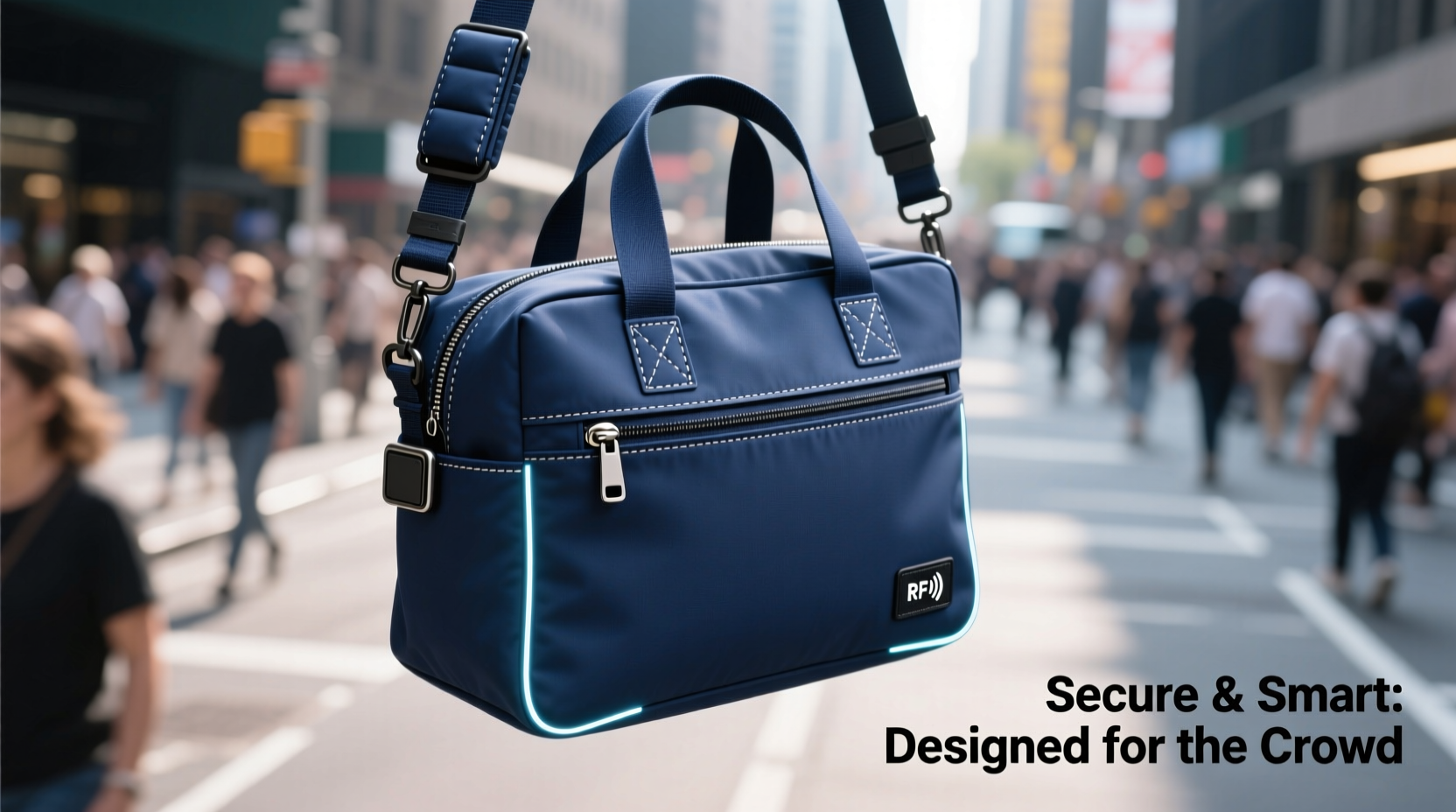
Tote bags are typically designed with accessibility in mind: wide openings, minimal closures, and soft materials that expand easily. These traits make them convenient for daily use but vulnerable when surrounded by people. In high-density areas, pickpockets exploit brief moments of inattention—when you're checking your phone, adjusting your coat, or stepping off a train. A tote with loose straps and no closure gives direct access to wallets, phones, and keys.
According to a 2023 report by the Urban Safety Initiative, over 60% of personal item thefts in cities involved unsecured shoulder or tote bags. Most incidents occurred during peak commuting hours or at large public events. The common factor? Victims were unaware until after the fact, often because nothing felt amiss during the theft.
The solution isn’t to abandon your favorite tote—it’s to adapt it to the environment. Awareness, physical adjustments, and simple upgrades can transform an insecure bag into a reliable companion, even in the busiest spaces.
Choose the Right Tote Design for Security
Not all tote bags are created equal. When selecting or upgrading your tote, prioritize structural features that enhance protection without sacrificing utility. Look beyond aesthetics and consider functionality as a core requirement.
- Top zippers or magnetic snaps: A fully enclosed top prevents items from being lifted out and deters casual tampering.
- Interior compartments: Secure pockets with zippers keep valuables like phones and passports out of plain sight.
- Reinforced straps: Thick, durable straps are harder to slash and less likely to break under tension.
- Anti-theft materials: Some modern totes incorporate slash-resistant fabrics or RFID-blocking linings to protect against digital theft.
If you already own a favorite tote without these features, don’t discard it—modify it. Aftermarket accessories like zipper conversion kits allow you to retrofit older bags with secure closures. Sew-on zipper strips or Velcro panels can be installed at home with basic tools.
“Security doesn’t have to mean sacrificing style. The best protective bags integrate safety seamlessly—like a hidden zipper pocket or cut-proof mesh lining.” — Marcus Lin, Urban Gear Designer
Adopt Smart Carrying Habits in Public
Your behavior has a greater impact on bag security than the bag itself. Even the most fortified tote can be compromised if carried carelessly. Adopting consistent habits reduces vulnerability dramatically.
Position Matters
Always wear your tote across your body rather than hanging loosely from one shoulder. Cross-body positioning keeps the bag in front of you, within your field of vision, and makes it physically harder for someone to grab and run. If your tote doesn’t have an adjustable strap, consider adding a detachable crossbody strap with a locking clip.
Keep It Close
In crowds, pull your bag in front of your torso when standing still—especially in queues or packed transit cars. Never place it on the floor beside you; instead, rest it between your feet or loop the strap around your wrist or forearm.
Avoid Overloading
An overstuffed tote gapes open and draws attention. It also makes it harder to notice when something is missing. Pack only essentials and use smaller pouches inside to organize contents neatly.
| Habit | Secure Approach | Risky Behavior |
|---|---|---|
| Carrying position | Front-facing, cross-body | Hanging off shoulder behind back |
| Bag placement while seated | On lap or between legs | On adjacent seat or floor |
| Access frequency | Minimize opening in crowds | Frequent phone/wallet checks |
| Strap security | Locked carabiner or anti-slash clip | Loose, dangling straps |
Upgrade Your Tote with Security Accessories
Modern travel gear includes numerous small, effective tools that can be added to existing bags. These upgrades are affordable, discreet, and highly effective in deterring theft.
Locking Clips and Strap Anchors
Attach a small luggage lock or locking carabiner to connect both ends of your tote’s handles. This prevents the bag from being opened widely and signals to potential thieves that you’re security-conscious. For crossbody styles, use a strap anchor that loops around your arm or belt loop, making snatching nearly impossible.
RFID-Blocking Pouches
Slip credit cards and passports into RFID-blocking sleeves. These block electronic scanning devices used by digital pickpockets in crowded areas. Many come in slim designs that fit inside wallets or passport holders.
Alarm Devices
Mini motion alarms can be clipped inside your tote. If the bag is moved abruptly or opened without your knowledge, the device emits a loud alert. While not suitable for quiet environments, these are excellent in stations, markets, or festival grounds.
Slash-Resistant Straps
Replace standard fabric or leather straps with ones woven with steel fibers or Kevlar. These resist cutting attempts and are especially useful for overnight travel or international trips.
Real-World Scenario: Avoiding Theft at a Music Festival
Sophia attended a weekend music festival in Chicago with her favorite canvas tote—roomy enough for sunscreen, a water bottle, and her phone. On the first day, she wore it over one shoulder while dancing near the stage. Midway through a set, she reached for her phone and discovered her wallet was gone. No one had bumped her violently; surveillance later showed a thief simply slid his hand into the open bag during a crowd surge.
For the second day, Sophia adapted. She transferred her essentials to a smaller zip-top tote, placed her phone and ID in an RFID pouch, and attached a locking clip across the top. She wore the bag cross-body, kept it in front of her, and avoided placing it on the ground. Despite similar crowd density, nothing was lost. More importantly, she felt more confident and present throughout the event.
This case illustrates a key truth: theft often exploits complacency, not strength. Simple changes in preparation and posture disrupted the opportunity entirely.
Step-by-Step Guide to Securing Your Tote Before Entering a Crowd
Follow this routine every time you enter a high-risk environment. Consistency builds muscle memory and reduces decision fatigue when you’re distracted.
- Assess contents: Remove non-essentials. Keep only what you need for the next hour.
- Organize internally: Place valuables in innermost, zipped pockets. Use a dedicated pouch for cards and cash.
- Close all compartments: Zip, snap, or fold the top shut. Add a locking clip if available.
- Adjust the strap: Convert to cross-body carry. Shorten the length so the bag rests snugly against your chest or hip.
- Scan surroundings: As you enter the crowd, note emergency exits, lighting, and areas with heavy congestion.
- Maintain vigilance: Check your bag periodically. Keep it in front when standing, on your lap when seated.
- Exit strategy: When leaving, do a final inventory in a safe space—like a restroom or quiet corner—before re-entering traffic.
“Most thefts occur in the first five minutes of entering a crowded zone. That’s when people are distracted by navigation and environment.” — Detective Elena Ruiz, City Transit Security Unit
Checklist: Secure Tote Bag Essentials
Use this checklist before heading into any busy public space:
- ✅ Valuables stored in interior zip pockets
- ✅ Top of bag securely closed (zipper, snap, or lock)
- ✅ Worn cross-body, not over one shoulder
- ✅ Strap length adjusted for tight fit
- ✅ RFID-blocking sleeve used for cards/passport
- ✅ Motion alarm or locking clip attached (if applicable)
- ✅ Bag never placed on the ground
- ✅ Phone and wallet accounted for before and after transit
Frequently Asked Questions
Can I make my existing tote bag secure without buying a new one?
Yes. You can add zipper inserts, use locking clips, insert RFID pouches, and switch to a crossbody strap. Many security upgrades are affordable and non-permanent, allowing you to customize without replacing the bag.
Are anti-theft totes worth the extra cost?
For frequent travelers or city dwellers, yes. Features like cut-proof straps, locking zippers, and hidden pockets provide real protection. However, behavioral habits matter just as much as hardware. A high-tech bag used carelessly is still vulnerable.
What should I do if my tote is stolen?
Report the incident to local authorities immediately. Provide descriptions of the bag and contents. If your phone or credit cards were inside, disable them remotely using tracking apps or bank services. Consider using GPS trackers in future bags for recovery options.
Final Thoughts: Confidence Starts with Preparation
Your tote bag doesn’t have to be a liability. With thoughtful design choices, practical accessories, and mindful habits, it can remain both stylish and secure. The goal isn’t paranoia—it’s preparedness. By integrating simple routines into your daily life, you reclaim peace of mind in crowded spaces.




 浙公网安备
33010002000092号
浙公网安备
33010002000092号 浙B2-20120091-4
Comments
No comments yet. Why don't you start the discussion?