
A bold, aromatic blend of heat and pungency, chilli and garlic paste is a cornerstone ingredient in kitchens across Asia, the Middle East, the Caribbean, and beyond. While store-bought versions are widely available, they often contain preservatives, fillers, or inconsistent spice levels. Making chilli and garlic paste at home allows complete control over flavor intensity, freshness, and quality. This simple preparation transforms two humble ingredients into a culinary powerhouse—elevating stir-fries, marinades, sauces, soups, and grilled dishes with minimal effort. With just fresh red chillies, garlic, salt, and optional oil or vinegar, you can create a condiment that outperforms commercial alternatives in both taste and versatility.
Definition & Overview
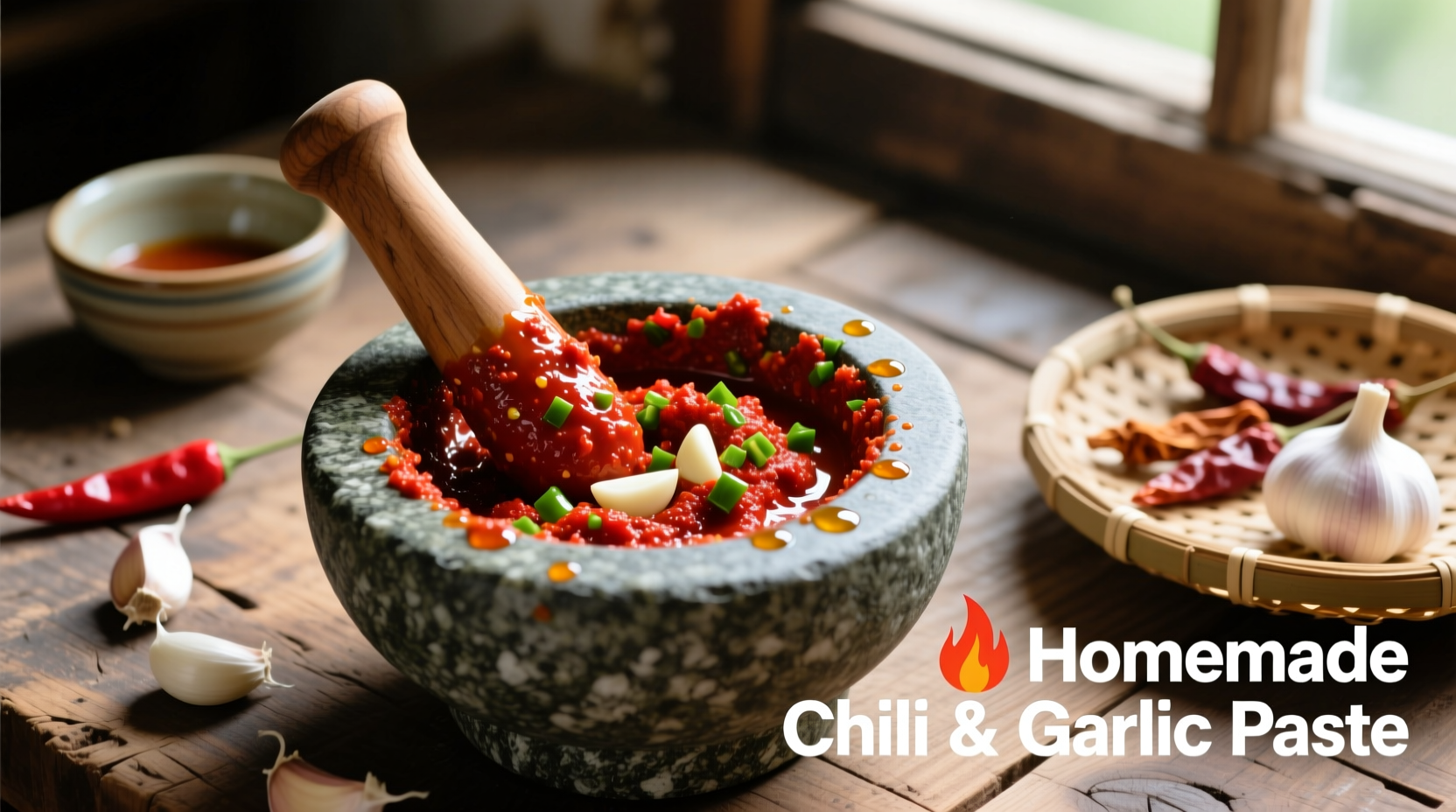
Chilli and garlic paste is a concentrated blend of ground fresh red chillies and garlic, typically seasoned with salt and sometimes preserved with vinegar, citrus juice, or oil. It functions as a flavor base or finishing condiment, depending on regional style and application. Unlike single-ingredient pastes such as harissa (primarily chilli-based) or toum (pure garlic), this hybrid balances the fiery depth of chillies with the sharp, savory bite of raw garlic. The result is a deeply umami-rich paste capable of transforming neutral dishes into vibrant, complex meals.
The paste originates from multiple culinary traditions. In Southeast Asia, versions appear in Thai nam prik and Indonesian sambal; in China, it resembles chilli oil bases used in Sichuan cuisine; in the Middle East, it aligns with shatta or daqqa blends. Despite regional differences, the core principle remains: intensify the natural flavors of chilli and garlic through grinding and seasoning, then use as a dynamic flavor catalyst.
Key Characteristics
| Characteristic | Description |
|---|---|
| Flavor Profile | Spicy, pungent, garlicky, with underlying sweetness from ripe chillies; may have tang if acidified |
| Aroma | Sharp, earthy, with volatile garlic compounds and warm chilli notes |
| Color | Bright red to deep crimson, depending on chilli ripeness and variety |
| Heat Level | Mild to extreme (2,000–100,000+ Scoville units), adjustable by chilli choice |
| Texture | Smooth to coarse, depending on preparation method |
| Culinary Function | Flavor base, marinade booster, sauce enhancer, condiment |
| Shelf Life (refrigerated) | 3–6 weeks unacidified; up to 6 months with vinegar or oil preservation |
Practical Usage: How to Use Chilli and Garlic Paste in Cooking
Homemade chilli and garlic paste is remarkably adaptable. Its potency means a little goes a long way—typically 1 to 2 teaspoons per serving for most dishes. Because it combines two foundational aromatics, it reduces prep time while amplifying depth in both quick weeknight meals and slow-cooked specialties.
As a Flavor Base
Incorporate 1–2 tablespoons into hot oil at the beginning of cooking to bloom the flavours before adding onions, ginger, or protein. This technique is common in Chinese stir-fries, Indian curries, and Thai curries. The oil helps extract capsaicin and allicin, distributing heat and aroma evenly throughout the dish.
In Marinades
Combine with soy sauce, lime juice, honey, or yogurt to tenderize and season meats, seafood, or tofu. For chicken skewers, mix 2 tablespoons paste with 3 tablespoons yogurt, 1 tablespoon lemon juice, and 1 teaspoon cumin. Marinate for 2–4 hours before grilling.
For Sauces and Dressings
Whisk into vinaigrettes, noodle sauces, or dipping condiments. A spoonful stirred into peanut sauce adds dimension; blending with tahini creates a smoky Middle Eastern-inspired spread. For an instant ramen upgrade, stir ½ teaspoon into broth along with miso or soy sauce.
As a Finishing Condiment
Serve alongside grilled fish, roasted vegetables, or scrambled eggs. Its raw edge brightens rich or fatty foods. A small dollop complements hummus, avocado toast, or flatbreads.
Pro Tip: When using in high-heat applications, add early to mellow the raw garlic bite. For fresh, punchy heat, stir in during the last minute of cooking or as a garnish.
Variants & Types
While the basic formula remains consistent, regional and personal variations reflect diverse palates and preservation needs. Understanding these types helps match the paste to specific dishes.
- Thai-Style: Uses bird’s eye chillies, garlic, shrimp paste, and palm sugar. Fermented slightly for complexity. Ideal for curries and dips.
- Sichuan-Inspired: Combines dried red chillies (soaked) with garlic and Sichuan peppercorns. Often infused in oil to create *chilli crisp*.
- Levantine Shatta: Features green or red chillies, garlic, coriander, and vinegar. Tangier and herbaceous, served with mezze or falafel.
- Caribbean Scotch Bonnet-Garlic Paste: Made with super-hot scotch bonnets, garlic, thyme, and allspice. Used in jerk marinades and pepper sauces.
- Indian Green Chilli-Garlic Paste: Blends fresh green chillies, garlic, and sometimes ginger. Found in butter chicken, biryanis, and dals.
Comparison of Common Variants
| Variant | Chilli Type | Garlic Level | Additional Ingredients | Best Used In |
|---|---|---|---|---|
| Basic Red Paste | Red jalapeño, cayenne | High | Salt, vinegar (optional) | Stir-fries, marinades |
| Thai Nam Prik | Bird’s eye chilli | Medium | Shrimp paste, sugar, fish sauce | Dips, curry pastes |
| Sichuan Oil-Infused | Dried red chilli flakes | Low-Medium | Sichuan pepper, oil | Noodles, dumplings, hot pot |
| Levantine Shatta | Fresno or serrano | High | Vinegar, coriander seed | Mezze, grilled meats |
| Caribbean Hot Paste | Scotch bonnet | High | Thyme, onion, allspice | Jerk chicken, rice dishes |
Comparison with Similar Ingredients
Several commercially available products resemble homemade chilli and garlic paste but differ significantly in composition and function.
| Ingredient | Primary Components | Key Differences | Substitution Notes |
|---|---|---|---|
| Chilli Garlic Sauce (Sriracha-style) | Chilli, garlic, sugar, vinegar, thickener | Sweeter, thinner, less intense; contains stabilizers | Use ¾ amount; reduce added sugar elsewhere |
| Harissa | Roasted red peppers, chilli, garlic, caraway | Smoother, smokier, more complex spice profile | Add extra garlic if substituting |
| Toum | Garlic, oil, lemon juice, salt | Pure garlic focus; no chilli; emulsified texture | Not interchangeable; use separately for garlic boost |
| Gochujang | Fermented soybean, glutinous rice, chilli powder | Sweet, fermented, umami-rich; not fresh or raw | Not a direct substitute; lacks fresh garlic note |
| Crushed Red Pepper Flakes | Dried ground chilli | No garlic; dry texture; slower heat release | Soak in oil with minced garlic to mimic effect |
“Freshly made chilli-garlic paste captures the volatile aromas lost in commercial processing. That first grind releases a fragrance that’s alive—it changes the way you cook.”
— Chef Mei Ling, Culinary Instructor, Institute of Asian Gastronomy
Practical Tips & FAQs
What type of chillies should I use?
Choose based on desired heat and color. For medium heat and bright red hue, use red jalapeños or cayenne. For extreme heat, opt for habanero or scotch bonnet. For milder versions, red bell peppers can be blended in to dilute intensity while maintaining color.
Can I use dried chillies?
Yes. Soak dried arbol, guajillo, or pasilla chillies in hot water for 20 minutes until soft, then drain and blend with garlic. Dried chillies offer deeper, smokier notes but less fresh brightness.
Do I need a food processor?
A mini food processor or blender yields the smoothest texture. However, a mortar and pestle produce superior results by preserving essential oils and avoiding oxidation. For rustic applications, finely mince by hand.
How do I adjust the heat level?
Remove seeds and inner membranes from chillies to reduce heat. For incremental control, blend mild and hot chillies together—e.g., 3 parts red jalapeño to 1 part habanero for balanced fire.
Should I add oil or vinegar?
Adding 1–2 tablespoons of neutral oil (like grapeseed) or vinegar (white or rice) extends shelf life and prevents mold. Vinegar also brightens flavor, making it ideal for condiments. Oil-infused versions are better for cooking bases.
How long does it last?
Stored in an airtight jar in the refrigerator:
- Without acid/oil: 3–4 weeks
- With vinegar or oil: 4–6 months
Can I freeze it?
Yes. Freeze in ice cube trays (1 tablespoon per cube), then transfer to a sealed bag. Thaw as needed. Freezing preserves flavor for up to 9 months.
Is it safe to can this paste?
Home canning of low-acid pastes like this carries botulism risk unless properly acidified and pressure-canned. Refrigeration or freezing is strongly recommended for safety.
What dishes pair best with this paste?
It excels in:
- Stir-fried noodles and vegetables
- Grilled meats and seafood
- Bean stews and lentil soups
- Ramen, pho, and other broths
- Egg dishes and roasted potatoes
- Homemade pizza and flatbreads
Can I add ginger or other aromatics?
Yes. Adding 1–2 teaspoons of grated ginger creates a trinity of heat, garlic, and warmth—ideal for Asian-inspired dishes. Lemongrass, cilantro stems, or kaffir lime zest can also be incorporated for regional flair.
Storage Checklist:
- Use sterilized glass jar with tight lid
- Press surface smooth and cover with thin oil layer if desired
- Label with date and chilli type
- Store below 40°F (4°C)
- Inspect weekly for mold or off smells
Step-by-Step: How to Make Basic Chilli and Garlic Paste
This foundational recipe yields approximately 1 cup and takes 15 minutes.
Ingredients
- 1 cup fresh red chillies (e.g., red jalapeño, cayenne), stemmed and roughly chopped
- 8–10 large garlic cloves, peeled
- 1½ tsp sea salt
- 1 tbsp rice vinegar or lemon juice (optional, for preservation)
- 1–2 tbsp neutral oil (optional)
Instructions
- Prepare chillies: Wear gloves. Remove stems and roughly chop. For milder paste, scrape out seeds and white membranes.
- Combine chillies, garlic, and salt in a food processor. Pulse until finely ground.
- Scrape down sides. Continue blending, drizzling in vinegar and oil (if using), until smooth paste forms—about 2–3 minutes.
- Transfer to clean glass jar. Smooth top and optionally pour a ¼-inch layer of oil over the surface to limit oxidation.
- Refrigerate for at least 1 hour before use to allow flavors to meld.
Variation: For roasted flavor, broil chillies and garlic on a baking sheet for 8–10 minutes until blistered, then proceed with blending. Roasting mellows heat and adds smoky depth.
Summary & Key Takeaways
Homemade chilli and garlic paste is a transformative condiment that bridges global cuisines with minimal ingredients. By combining fresh red chillies and garlic with salt—and optionally vinegar or oil—you create a versatile flavor accelerator suitable for marinades, sauces, stir-fries, and more. Unlike commercial versions, the homemade paste avoids additives, offers customizable heat, and delivers unmatched freshness.
The key advantages include:
- Total control over ingredient quality and spice level
- Extended usability through refrigeration or freezing
- Adaptability across culinary traditions—from Thai to Middle Eastern to Caribbean
- Cost-effective preservation of seasonal chillies
Whether used as a foundational element in complex dishes or as a bold finishing touch, this paste exemplifies how simplicity, when executed with care, produces extraordinary results. Once integrated into a kitchen routine, it becomes indispensable—a testament to the power of two ingredients, perfectly balanced.
Ready to elevate your cooking? Make a batch this weekend, store it properly, and experiment across three different dishes—one stir-fry, one marinade, one sauce. Notice how it streamlines prep and deepens flavor. Once you experience the difference, there’s no going back.




 浙公网安备
33010002000092号
浙公网安备
33010002000092号 浙B2-20120091-4
Comments
No comments yet. Why don't you start the discussion?