
Being a \"player\" isn’t just about charm or charisma—it’s about cultivating an unshakable inner confidence, emotional intelligence, and strategic self-awareness. It means navigating social dynamics with authenticity, purpose, and control. This isn’t about manipulation or superficial tactics; it’s about becoming someone who commands presence, builds meaningful connections, and thrives in high-pressure situations—whether in relationships, business, or personal growth.
True players don’t rely on luck. They engineer their success through disciplined mindset training, consistent skill-building, and relentless self-improvement. The foundation of this identity lies not in what you do, but in who you become.
The Foundation: Rewiring Your Mindset
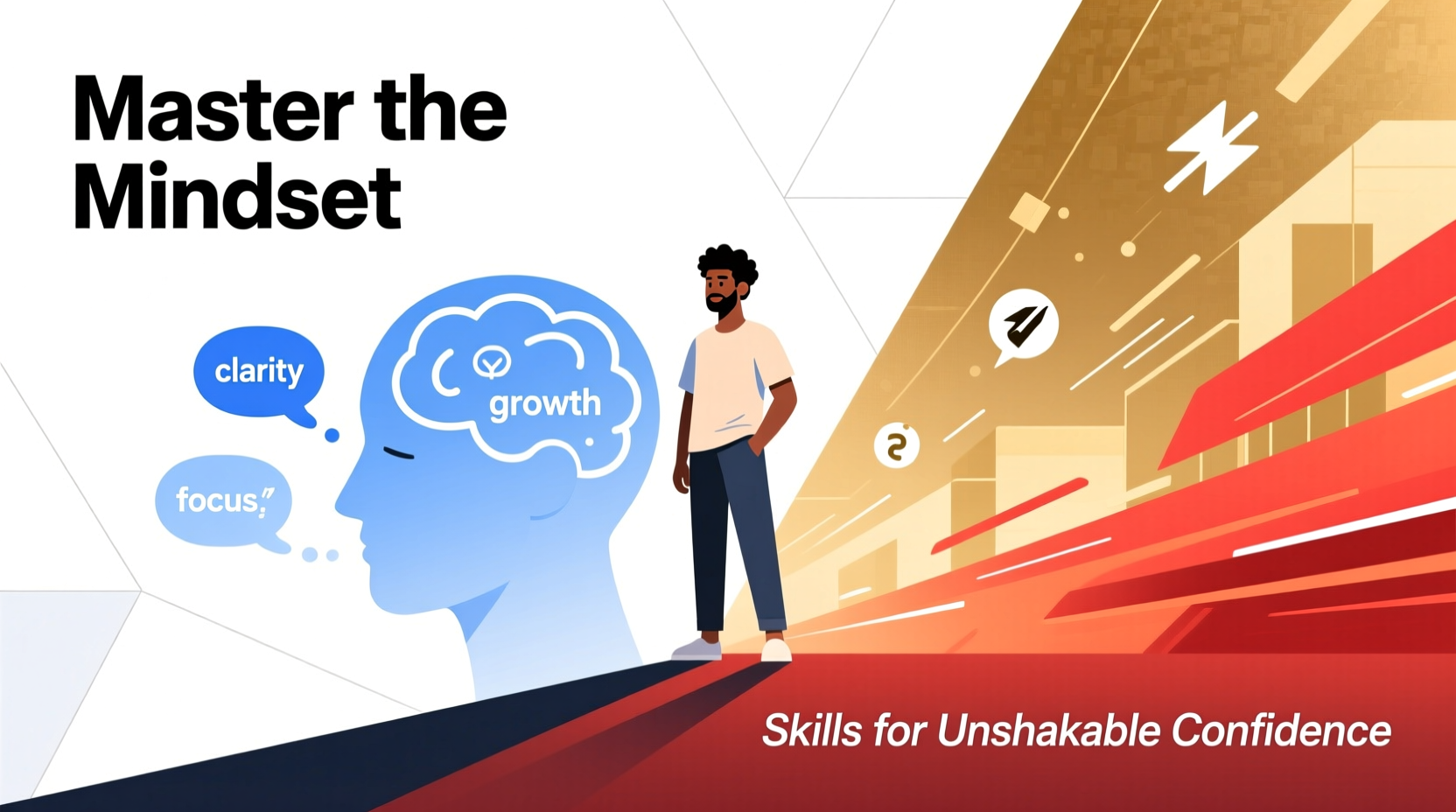
Confidence isn’t something you fake until you make it—it’s something you build by changing your internal narrative. Most people struggle not because they lack ability, but because they carry limiting beliefs about rejection, worthiness, or performance.
A player doesn’t fear judgment because he has detached his self-worth from external validation. He understands that every interaction is neutral until meaning is assigned. Rejection isn't failure—it's filtering. Every “no” brings him closer to the right “yes.”
To rewire your mindset:
- Practice daily affirmations rooted in action: “I am confident because I prepare.”
- Journal setbacks without emotion—analyze them like a coach reviewing game footage.
- Adopt a growth-oriented identity: You’re not trying to be confident—you already are, and you’re refining it.
“Confidence is the result of repeated exposure to discomfort. Do the thing you fear, and the fear diminishes.” — Dr. Alan Watkins, Neuroscientist & Performance Expert
Skill Development: The Core Competencies of a Player
Mindset sets the stage, but skill executes the play. A true player masters three core areas: communication, emotional intelligence, and situational awareness.
1. Communication That Commands Attention
It’s not what you say—it’s how you say it. Tone, pacing, eye contact, and silence are more powerful than words. Speak with intention. Pause before responding. Let your presence fill the space.
2. Emotional Intelligence (EQ)
Read the room. Detect shifts in mood. Respond with empathy, not reaction. High-EQ individuals don’t just listen—they observe micro-expressions, body language, and energy levels. They adjust their approach in real time.
3. Situational Awareness
A player knows when to lead, when to follow, and when to withdraw. He reads power dynamics, identifies influencers, and positions himself strategically. This isn’t manipulation—it’s social navigation at a high level.
| Skill | How to Practice | Common Pitfall |
|---|---|---|
| Active Listening | Repeat key phrases back in conversation: “So what you’re saying is…” | Talking over others to impress |
| Body Language | Stand tall, uncross arms, mirror subtly | Over-mirroring or appearing robotic |
| Voice Control | Record yourself speaking; aim for calm, low pitch | Speaking too fast when nervous |
Step-by-Step Guide to Becoming a Player in 90 Days
This timeline provides a structured path from self-doubt to confident mastery. Follow it consistently, and the transformation will be undeniable.
- Weeks 1–2: Self-Audit & Foundation
Track your thoughts, fears, and social behaviors. Identify triggers that cause insecurity. Begin a daily 5-minute mindfulness practice. - Weeks 3–4: Exposure Training
Initiate conversations with strangers (cashiers, colleagues, neighbors). Focus on staying relaxed, not outcomes. Record your anxiety level before and after. - Weeks 5–6: Skill Drills
Practice storytelling, humor, and active listening with friends. Ask for honest feedback. Watch recordings of charismatic speakers and mimic their delivery. - Weeks 7–8: Real-World Application
Attend networking events, parties, or public speaking groups. Set micro-goals: “I will speak first in the meeting,” or “I’ll compliment two people today.” - Weeks 9–10: Refinement
Review interactions. What worked? What felt forced? Adjust tone, timing, and approach. Eliminate filler words (“um,” “like”). - Weeks 11–12: Mastery & Identity Shift
Act as if you are already the person you want to become. Dress, speak, and move with that version in mind. Confidence becomes second nature.
Real Example: From Anxiety to Influence
James, a 29-year-old project manager, avoided team meetings despite being qualified to lead. He feared sounding unsure or being challenged. After committing to the 90-day plan, he started small—asking one question per meeting. By week six, he volunteered to present a quarterly update. He practiced daily, recorded himself, and focused on breathing techniques.
By week ten, his boss asked him to mentor new hires. His clarity, calm demeanor, and ability to connect made him a natural leader. James didn’t change his personality—he amplified his authentic strengths through deliberate practice. He became the “go-to” guy not by trying to impress, but by showing up consistently and confidently.
Avoid These Common Traps
Becoming a player doesn’t mean adopting arrogance or playing games. Many fail by misunderstanding the goal. Here’s what to avoid:
- Faking confidence – Overcompensation leads to distrust. True confidence is quiet, not loud.
- Neglecting authenticity – People detect insincerity quickly. Build skills, but stay grounded in who you are.
- Seeking approval – If you need everyone to like you, you lose authority. Aim for respect, not popularity.
- Isolating skill from character – Charisma without integrity is short-lived. Align your behavior with strong values.
Essential Checklist: Daily Habits of a Confident Player
Consistency beats intensity. Integrate these actions into your routine:
- ✅ Wake up with a clear intention: “Today, I will remain calm under pressure.”
- ✅ Spend 5 minutes visualizing successful interactions.
- ✅ Practice power posture for 2 minutes upon waking.
- ✅ Initiate one genuine conversation (not transactional).
- ✅ Reflect at night: “Where did I show confidence? Where did I hesitate?”
- ✅ Avoid negative self-talk—replace it with constructive observation.
FAQ
Isn’t being a “player” manipulative?
Not if done with integrity. A true player uses influence ethically. He builds trust, listens deeply, and adds value. Manipulation exploits; mastery elevates both self and others.
Can introverts become players?
Absolutely. Introverts often excel as players because they listen better, think before speaking, and radiate calm presence. Confidence isn’t extroversion—it’s self-assuredness, which anyone can develop.
How long does it take to see results?
Noticeable shifts occur within 30 days with consistent effort. Lasting identity change takes 60–90 days. The key is repetition, not perfection.
Conclusion: Step Into Your Power
Becoming a player isn’t about chasing status or approval. It’s about mastering yourself—your thoughts, emotions, and actions—so you can engage with the world from a place of strength and clarity. The skills are learnable. The mindset is trainable. The only requirement is commitment.
You don’t need permission to step into your power. Start today: speak with conviction, stand with purpose, and act as the person you’re becoming. Confidence isn’t reserved for the few—it’s built by the brave who choose growth over comfort.




 浙公网安备
33010002000092号
浙公网安备
33010002000092号 浙B2-20120091-4
Comments
No comments yet. Why don't you start the discussion?