
Cut flowers bring beauty, fragrance, and emotional warmth into homes and events. But their fleeting nature often disappoints—wilting within days despite careful placement. The truth is, most premature flower death isn’t inevitable. It’s preventable. Professional florists use specific, science-backed techniques to extend the life of cut blooms, turning a 3-day bouquet into one that thrives for two weeks or more.
These methods go beyond adding aspirin or pennies to water. They involve understanding how flowers drink, breathe, and respond to stress after being severed from their roots. By mimicking ideal post-harvest conditions, you can dramatically slow decay and keep petals vibrant and stems strong. Whether you're displaying roses from the farmers market or lilies from a gift bouquet, these florist-approved strategies will maximize longevity and visual impact.
The Science Behind Flower Longevity
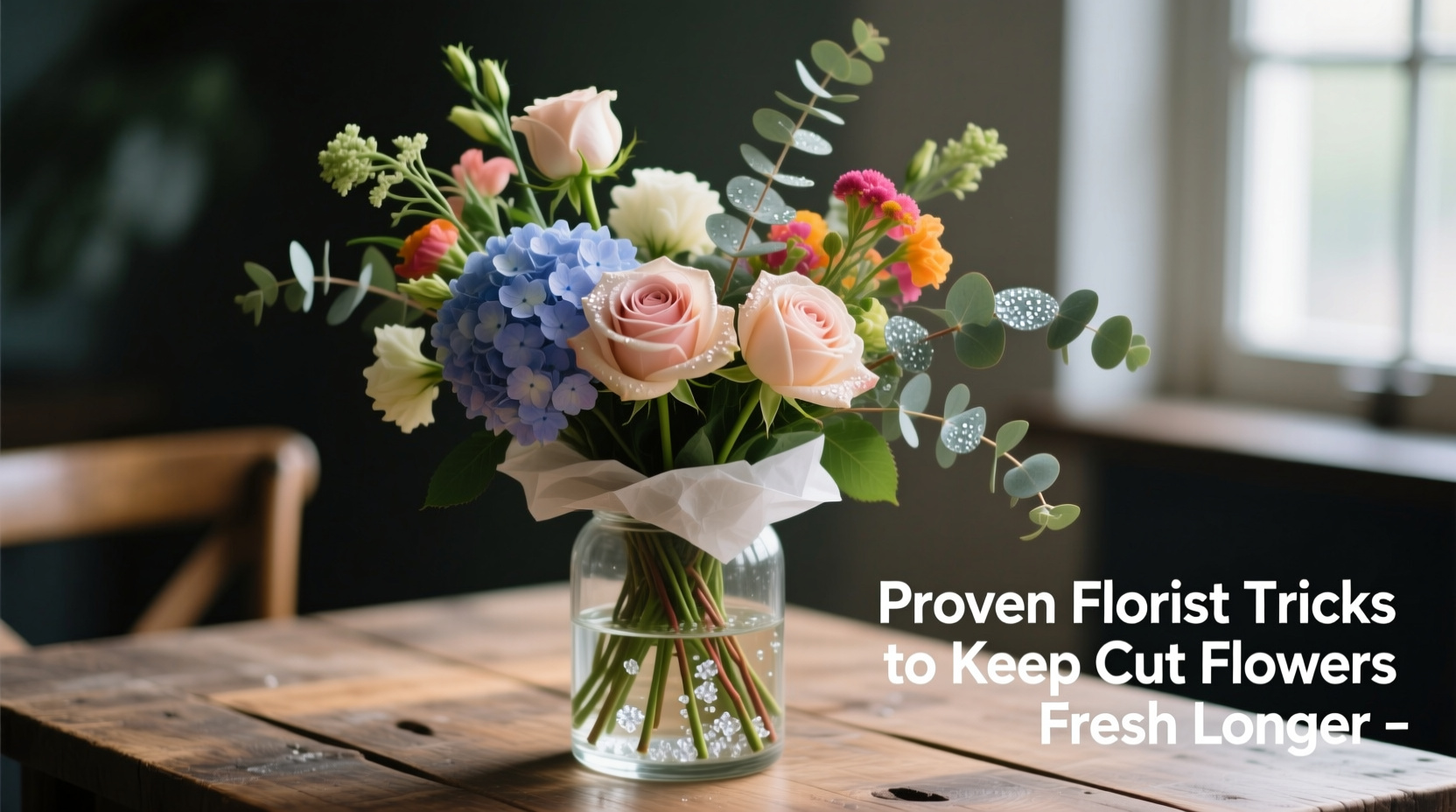
Once a stem is cut, the plant can no longer draw nutrients from the soil. Instead, it relies entirely on stored energy and what it can absorb through the cut end. Over time, bacteria build up in the vase water, clogging the xylem—the vascular tissue responsible for water transport. When this happens, even fresh water can't reach the petals, leading to drooping and browning.
Flowers also produce ethylene gas, a natural hormone that accelerates aging. Exposure to fruit, heat, or poor air circulation increases ethylene levels, speeding up senescence. Additionally, dehydration begins immediately after cutting. Without proper hydration techniques, air embolisms form in the stem, blocking water uptake permanently.
Professional florists combat these issues systematically: sanitizing tools, optimizing water chemistry, managing temperature, and removing sources of decay. Their goal isn’t just aesthetics—it’s preserving biological function as long as possible.
“Most people treat flowers like decorations, but they’re still alive. Treat them like patients in recovery, and they’ll reward you with lasting beauty.” — Lila Torres, Master Florist & Owner of Bloom & Stem Studio
Step-by-Step Guide to Maximizing Vase Life
Extending the life of cut flowers requires immediate action upon bringing them home. Delayed processing reduces effectiveness. Follow this timeline-based protocol for optimal results:
- Unwrap and inspect (Day 0, immediately): Remove any plastic or paper wrapping. Check for damaged or slimy leaves. Trim off discolored petals gently.
- Prepare clean tools and container (Day 0): Wash the vase with hot, soapy water—or better, a 1:10 bleach-to-water solution—to kill bacteria. Use sharp shears or a knife sanitized with rubbing alcohol.
- Re-cut stems at an angle (Day 0): Cut 1–2 inches off each stem underwater if possible, using a 45-degree angle. This increases surface area for water absorption and prevents flat ends from sealing against the vase bottom.
- Remove submerged foliage (Day 0): Strip any leaves that would sit below the waterline. Organic matter in water decomposes quickly, feeding bacteria.
- Use treated water (Day 0): Fill the vase with lukewarm water and add floral preservative according to package instructions. If unavailable, use a homemade solution (see Tips Box).
- Place in a cool location (Day 0): Keep the arrangement away from direct sunlight, heating vents, and ripening fruit for the first 4 hours to allow rehydration.
- Maintain daily (Days 1–14): Change water every two days, re-trimming stems slightly each time. Top up preservative if needed.
- Monitor and remove (Ongoing): As soon as a flower shows signs of mold or excessive droop, remove it to protect others.
Essential Do’s and Don’ts for Flower Care
Small habits make a big difference. Below is a summary of best practices versus common mistakes that shorten bloom life.
| Do’s | Don’ts |
|---|---|
| Use floral preservatives or DIY alternatives (sugar + acid + bleach) | Use plain tap water without treatment |
| Cut stems at a 45° angle | Cut stems straight across or crush them |
| Change water every 2–3 days | Top off water without changing it |
| Keep flowers in a cool room (65–72°F / 18–22°C) | Place near windows, stoves, or electronics that emit heat |
| Display away from ripening fruit | Set bouquet next to bananas, apples, or tomatoes |
| Remove wilted blooms promptly | Leave decaying flowers in the vase |
Proven Preservative Formulas and Alternatives
Commercial floral food packets contain three key ingredients: sugar (energy source), citric acid (stabilizes pH), and biocide (kills bacteria). You can replicate this at home with pantry staples.
- Basic DIY Preservative: Mix 1 teaspoon sugar, 2 teaspoons lemon juice or white vinegar, and 1/4 teaspoon chlorine bleach per quart (liter) of water.
- Aspirin Myth Debunked: While aspirin (acetylsalicylic acid) lowers water pH slightly, it lacks sugar and antimicrobial agents. Used alone, it offers minimal benefit.
- Vodka Trick: A few drops of vodka inhibit ethylene production. Combine with sugar and lemon juice for enhanced effect—0.5 tsp vodka per quart works well.
Some florists swear by Sprite or 7-Up due to their citric acid and sugar content. However, the high sugar concentration can feed bacteria if not balanced with a disinfectant. Always add a drop of bleach when using soda-based solutions.
Real Example: Reviving a Wilting Bouquet
Sarah received a beautiful mixed bouquet for her birthday. By day three, the tulips were drooping, and the carnations had brown edges. She almost discarded it—until she recalled a florist’s advice from a local workshop.
She emptied the cloudy water, washed the vase with soapy water and a splash of bleach, and filled it with fresh lukewarm water mixed with her DIY preservative (sugar, vinegar, and a drop of bleach). Each stem was re-cut at a sharp angle under running water. She removed all submerged leaves and placed the vase in a cooler part of the living room, away from the south-facing window.
Within 24 hours, the remaining healthy stems stood upright. Over the next week, she changed the water every other day and removed wilting blooms. The bouquet lasted 11 days total—nearly double its original trajectory. Sarah now applies the same method to every floral gift she receives.
Expert Checklist for Lasting Flowers
Follow this concise checklist every time you arrange cut flowers:
- ☐ Clean the vase with soap and hot water (or diluted bleach)
- ☐ Use sharp, sanitized shears or knife
- ☐ Cut 1–2 inches off each stem at a 45° angle
- ☐ Remove all leaves below water level
- ☐ Use treated water (commercial preservative or DIY mix)
- ☐ Place in a cool spot, away from direct sun and fruit
- ☐ Change water and re-trim stems every 2–3 days
- ☐ Remove dead or decaying flowers promptly
Frequently Asked Questions
Can I revive completely wilted flowers?
Sometimes. If the stems are still firm and not slimy, re-cut them under water and place in fresh preservative solution. Lay the entire bouquet flat in a sink or bathtub filled with cool water for 30 minutes to allow capillary rehydration. Most flowers will perk up within a few hours if the damage isn’t irreversible.
Is cold water better than warm?
Lukewarm water (around 100°F / 38°C) is generally best because it dissolves oxygen and allows faster uptake. However, some delicate flowers like tulips prefer cooler water. Avoid icy water, which can shock stems and reduce absorption.
Do different flowers need special care?
Yes. For example:
- Roses: Remove guard petals and re-cut stems every few days.
- Tulips: Continue growing and bending toward light; keep away from other flowers to avoid ethylene exposure.
- Hydrangeas: Prone to dehydration; mist heads lightly and use the split-stem method.
- Orchids: Prefer less water; display in shallow vases with minimal submersion.
Final Thoughts: Small Steps, Big Results
Making cut flowers last longer doesn’t require expensive products or advanced skills. It demands attention to detail—clean tools, proper cutting, smart placement, and consistent maintenance. These are not secrets, but time-tested practices used daily by professionals who depend on long-lasting arrangements.
Every step, from sanitizing the vase to removing submerged leaves, contributes to a healthier environment for your blooms. When combined, these actions disrupt bacterial growth, maintain hydration, and delay aging. The result? Flowers that stay vibrant, fragrant, and upright for over a week—sometimes two.
Next time you bring home a bouquet, treat it with the precision it deserves. Apply these florist tricks from day one, and you’ll see the difference in both appearance and lifespan. Your flowers worked hard to reach you; honor that journey by giving them the best chance to shine.




 浙公网安备
33010002000092号
浙公网安备
33010002000092号 浙B2-20120091-4
Comments
No comments yet. Why don't you start the discussion?