
Crafting DIY snow globe ornaments brings the magic of winter indoors—especially during the holiday season. These miniature scenes, swirling with glitter and charm, make thoughtful gifts or festive decorations. But one common frustration derails many handmade attempts: leaks. A snow globe that seeps water not only damages surfaces but also shortens the ornament’s lifespan. The good news is that with the right materials, preparation, and sealing methods, you can create beautiful, watertight snow globes at home. This guide walks through every step to ensure your creations stay dry, durable, and dazzling for years.
Choosing the Right Materials for a Leak-Proof Build
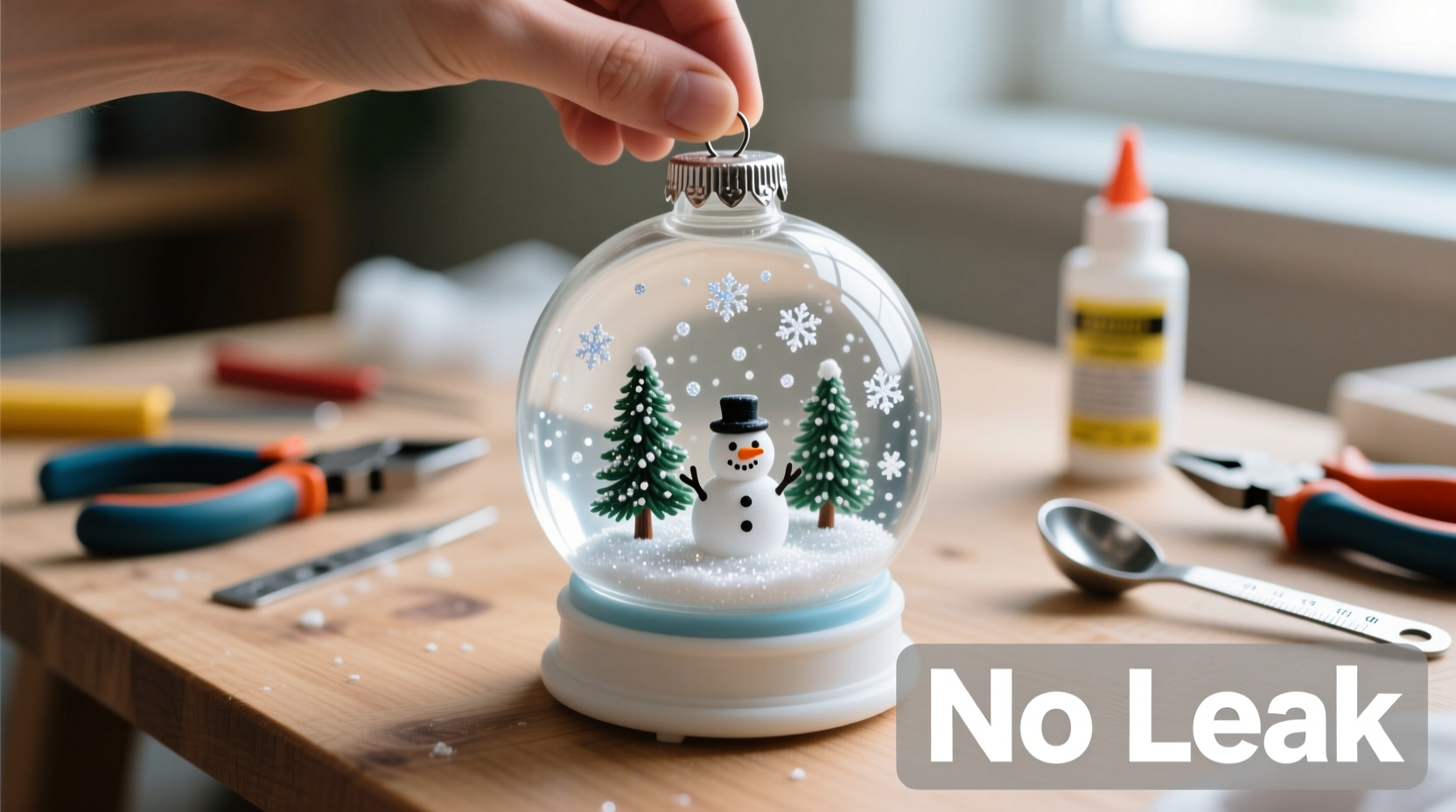
The foundation of a non-leaking snow globe lies in material selection. Not all containers or adhesives are created equal when exposed to water over time. Opting for components designed to resist moisture ensures long-term integrity.
Glass jars with wide mouths work best—think baby food jars, spice containers, or small mason jars. Their smooth rims provide an ideal surface for sealant adhesion. Avoid plastic lids unless they’re specifically labeled as waterproof and chemically resistant. Metal lids may corrode when in contact with glycerin-water mixtures, so if using metal, apply a protective coating like clear nail polish on the underside.
For figurines, use items made from ceramic, plastic, or resin. Avoid paper, fabric, or untreated wood, which absorb water and degrade. Glue choice is equally critical. Standard craft glue dissolves in water, leading to detachment and contamination. Instead, use waterproof epoxy or silicone-based adhesive, both known for strong bonding and resistance to moisture.
Step-by-Step Guide to Building a Non-Leaking Snow Globe
Creating a leak-proof snow globe requires precision and patience. Follow this timeline-tested process to minimize risks and maximize results.
- Prepare Your Container: Wash the jar and lid thoroughly with soap and water. Dry completely with a lint-free cloth. Any residue or moisture can interfere with sealant performance.
- Select and Attach the Figurine: Choose a small, waterproof decoration. Apply a generous dab of two-part epoxy to its base and press it firmly onto the inside of the lid. Let cure for at least 6–8 hours—or as directed—on a level surface to prevent shifting.
- Mix the Liquid Solution: Fill the jar with distilled water (to prevent algae), leaving about half an inch of space at the top. Add 1–2 teaspoons of glycerin per cup of water. Glycerin slows the fall of glitter, creating a gentle snowfall effect. Too little and the glitter drops too fast; too much and it clumps.
- Add Glitter and Preservatives: Use fine, iridescent glitter sparingly—one pinch is usually enough. For added protection against mold, include a tiny pinch of aquarium-safe algaecide or a drop of glycerin-based preservative.
- Seal the Lid: Apply a continuous bead of clear silicone sealant around the inner rim of the lid. Carefully screw the lid onto the jar while holding the figurine upright. Tighten fully, then wipe away any excess sealant that squeezes out.
- Cure and Test: Allow the sealant to cure for 48–72 hours in a warm, dry place. After curing, turn the globe upside down and shake gently. Place it on a paper towel for 24 hours to check for seepage.
This method prioritizes structural integrity at every stage. Rushing the drying or curing phases is the most common cause of failure—even if the seal looks solid, incomplete polymerization leaves microscopic gaps.
Do’s and Don’ts of Sealing Techniques
Even experienced crafters can fall into traps when sealing their snow globes. The following table outlines key practices to follow—and avoid—for lasting results.
| Do | Don’t |
|---|---|
| Use 100% clear silicone sealant labeled for aquariums or plumbing | Use hot glue or school glue to seal the rim |
| Let epoxy and silicone cure fully before testing | Assemble in humid or damp environments |
| Fill with distilled water to prevent mineral buildup | Overfill the jar—leave headspace for expansion |
| Wipe excess sealant before it dries for a clean finish | Touch the seal area during curing |
| Test for leaks over 24–48 hours | Assume a tight screw means it’s watertight |
Silicone forms a flexible, impermeable barrier when cured, adapting to minor temperature shifts without cracking. Hot glue, though convenient, becomes brittle and pulls away from glass under prolonged water exposure.
Real Example: A Holiday Craft Fiasco Turned Success
Sarah, a teacher from Vermont, began making snow globes with her students each December. One year, nearly half the globes leaked within a week, staining desks and disappointing children. She reviewed her process and realized she had used hot glue to secure the figurines and relied on fingertip-tightened lids without additional sealing.
The following year, she switched to epoxy for bonding and introduced a classroom rule: “No shaking until Day Three.” She applied silicone sealant around the lid threads and let each globe cure overnight on a wire rack. Students monitored their projects with a leak log, noting observations daily. By the end of the week, all 24 globes passed the soak test. Some even survived being packed in gift bags and mailed across states.
Sarah’s experience underscores a broader truth: education and proper materials matter more than artistic flair when preventing leaks.
“Water will find the smallest weakness. A successful snow globe isn’t just about aesthetics—it’s an exercise in material science.” — Dr. Lena Park, Polymer Chemist and DIY Craft Consultant
Tips for Long-Term Durability and Display
Once your snow globe is sealed and tested, longevity depends on care and environment. Direct sunlight accelerates UV degradation, fading colors and weakening adhesives. Store or display your ornaments in shaded areas, away from radiators or windowsills where temperatures fluctuate.
If you plan to hang the globe as an ornament, reinforce the cap with a ribbon or wire loop secured *above* the lid, not drilled through it. Piercing the lid compromises the seal. Alternatively, glue a decorative bail or loop to the outside of the jar’s neck using waterproof adhesive.
Over time, some evaporation may occur, especially in low-humidity climates. If the liquid level drops noticeably after months, carefully unscrew the lid, top off with distilled water-glycerin mix, reapply sealant, and recure. Do this sparingly—each disassembly increases risk.
Frequently Asked Questions
Can I use a glue gun instead of silicone sealant?
No. While hot glue sets quickly, it does not form a true waterproof bond with glass over time. It shrinks slightly as it cools, creating micro-gaps. In contrast, silicone expands slightly and maintains elasticity, forming a reliable moisture barrier. Save hot glue for temporary prototypes only.
Why did my snow globe develop cloudiness after a few weeks?
Cloudiness usually stems from one of three causes: tap water (which contains minerals and microbes), non-distilled glycerin, or residual soap film inside the jar. Always rinse components thoroughly and use distilled ingredients. If cloudiness appears, the seal may have failed, allowing contaminants to enter.
Is it safe to use baby oil instead of water?
Some crafters substitute baby oil or mineral oil for water to eliminate leakage concerns entirely. While this prevents leaks, it changes the aesthetic—glitter sinks slowly but doesn’t swirl dynamically. Oil also degrades certain plastics and rubber seals over time. For traditional snowfall motion, stick with water-glycerin and focus on perfecting the seal.
Checklist: Leak-Proof Snow Globe Assembly
Use this checklist before, during, and after construction to ensure success:
- ☐ Clean and dry jar and lid completely
- ☐ Select waterproof figurine (resin, ceramic, plastic)
- ☐ Attach figurine to lid with epoxy; cure 8+ hours
- ☐ Mix distilled water + glycerin (1–2 tsp per cup)
- ☐ Add pinch of fine glitter and optional preservative
- ☐ Apply 100% silicone sealant to inner lid rim
- ☐ Screw lid tightly onto filled jar
- ☐ Wipe excess sealant immediately
- ☐ Cure upright for 48–72 hours in dry area
- ☐ Test for leaks on absorbent surface for 24 hours
- ☐ Reinforce hanging mechanism without piercing seal
- ☐ Store or display away from heat and sunlight
Conclusion
Creating DIY snow globe ornaments without leaking is entirely achievable with attention to detail and the right approach. From selecting compatible materials to allowing adequate curing time, each step plays a role in ensuring durability. Leaks aren’t inevitable—they’re preventable with knowledge. Whether you're crafting alone, teaching a class, or preparing personalized gifts, mastering this technique elevates your projects from charming novelties to cherished keepsakes.




 浙公网安备
33010002000092号
浙公网安备
33010002000092号 浙B2-20120091-4
Comments
No comments yet. Why don't you start the discussion?