
Festive gatherings during the holiday season are elevated by thoughtful details—none more impactful than a well-designed centerpiece. Floating candle arrangements nestled in natural greenery offer a timeless, enchanting presence on any dining or coffee table. They combine soft flickering light with organic textures, creating warmth and elegance without overwhelming the space. Unlike traditional floral displays, these minimalist yet richly atmospheric pieces are easy to assemble, customizable, and surprisingly durable throughout the season.
The appeal lies not just in their beauty but in their simplicity. With basic supplies from craft stores or even your own backyard, you can create stunning centerpieces that reflect your personal style—whether rustic woodland, modern minimalist, or classic Victorian. More importantly, they’re versatile enough to suit formal dinners or casual family get-togethers. This guide walks through every step of crafting safe, visually balanced floating centerpieces using candles, water, and seasonal greenery.
Materials You’ll Need
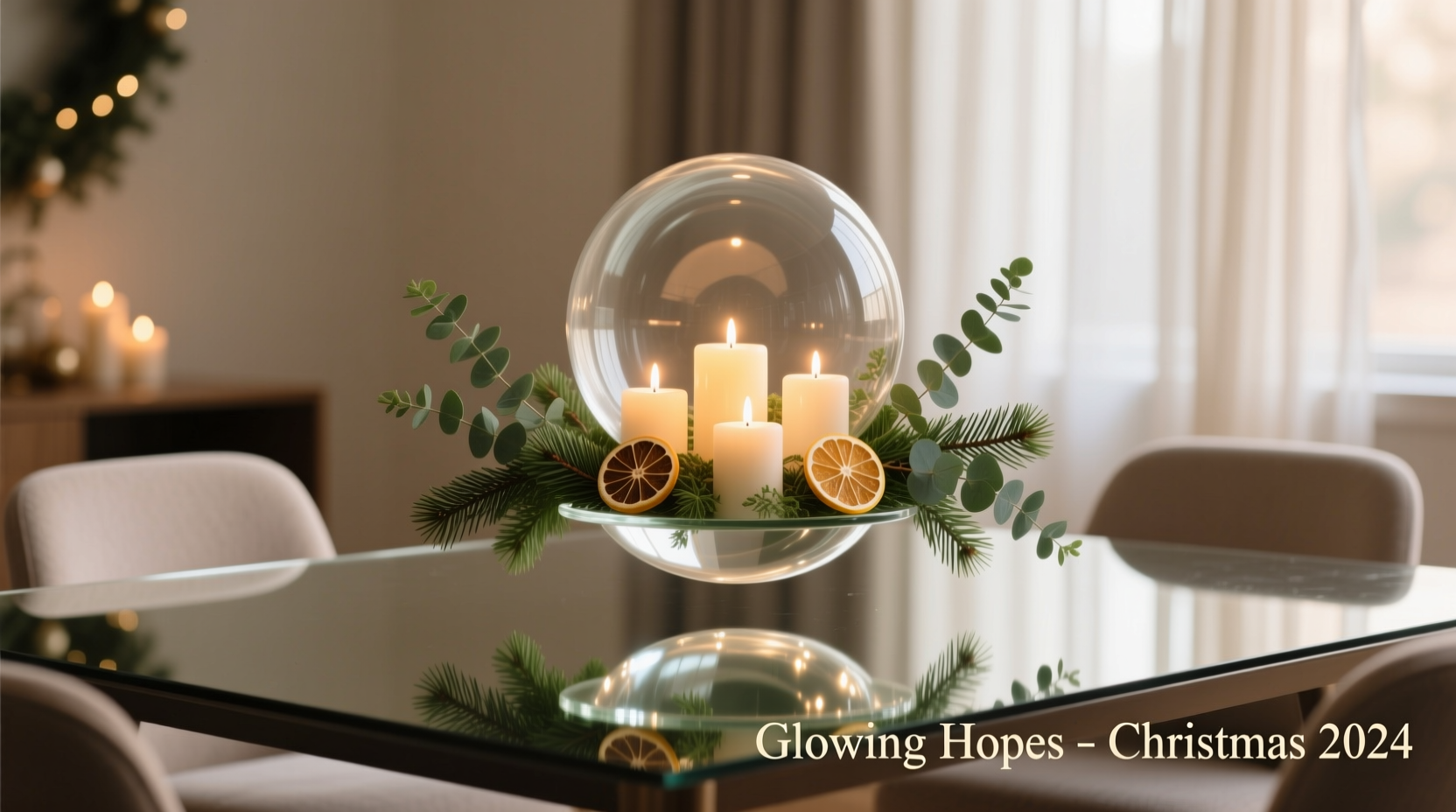
Before beginning assembly, gather all necessary components. Having everything ready ensures a smooth workflow and helps maintain creative momentum. Most items are reusable year after year if stored properly.
- Clear glass vases, bowls, or hurricane jars (varying heights add dimension)
- Floating candles (unscented white or ivory recommended for purity of light)
- Fresh evergreen cuttings (pine, cedar, fir, or spruce work best)
- Optional: cranberries, rosehips, pinecones, or cinnamon sticks for accent
- Distilled water (slows algae growth compared to tap water)
- A pair of sharp pruning shears or floral scissors
- Floral adhesive putty (optional, for securing candles)
- Tealight holders or small floating platforms (if using non-floating candles)
Step-by-Step Assembly Guide
Creating a balanced, long-lasting floating centerpiece requires attention to proportion, placement, and preservation. Follow this timeline-based process for reliable results.
- Clean and dry your container thoroughly. Any residue can cloud the water or encourage bacterial growth. Use vinegar and water if needed, then rinse and air-dry completely.
- Trim greenery into short sprigs (3–5 inches). Cut at an angle to increase surface area for water absorption. Remove any needles or leaves that would fall below the waterline once placed.
- Arrange base layer of greenery face-up on a flat surface. Overlap sprigs slightly to mimic a natural forest floor. Avoid overcrowding—leave room for candles and movement.
- Fill the container two-thirds full with distilled water. Add a few drops of bleach (about ¼ teaspoon per quart) to inhibit mold and keep water clear for up to two weeks.
- Gently place greenery onto the water’s surface. Start from the outer edge and work inward, letting some pieces drape over the rim for a spilling effect. Rotate sprigs so tips point outward.
- Center the floating candle(s). If using multiple candles, space them evenly—at least 2 inches apart to prevent heat buildup. For added stability, use a pea-sized dab of waterproof floral putty beneath the candle base. <7> Add decorative accents sparingly. Scatter whole cranberries or small pinecones around the perimeter. Too many heavy elements will sink the arrangement.
- Top off with water as needed due to evaporation. Check daily when burning candles, as heat accelerates water loss.
“Balance is key—let negative space breathe between elements. A cluttered centerpiece distracts from conversation.” — Clara Mendez, Seasonal Stylist & Tabletop Designer
Design Variations for Different Aesthetics
One of the strengths of floating centerpieces is their adaptability. By changing greenery types, vessel shapes, or accent colors, you can tailor the look to match your décor theme.
| Style | Greenery Choice | Vessel Type | Accents | Best For |
|---|---|---|---|---|
| Rustic Woodland | Fir, cedar, eucalyptus | Wooden trays with glass inserts | Pinecones, birch logs, dried oranges | Cabin dinners, outdoor parties |
| Modern Minimalist | Sleek juniper, boxwood | Geometric glass cubes | Silver beads, mirrored discs | Urban lofts, contemporary homes |
| Classic Holiday | Pine, holly, ivy | Crystal bowl or silver-rimmed vase | Cranberries, red ribbon, gold-dipped twigs | Formal Christmas Eve dinner |
| Eco-Natural | Moss-covered branches, seeded eucalyptus | Recycled glass jars | Pressed leaves, acorns | Sustainable celebrations, zero-waste events |
For cohesive table settings, repeat one dominant color or texture across napkins, plates, or linens. A deep green centerpiece pairs beautifully with cream linen and matte black flatware, while a crimson-accented version complements gold-rimmed china.
Safety and Maintenance Best Practices
While visually captivating, candle-based centerpieces require responsible handling. Open flames near flammable materials like dried foliage or paper decor pose risks if unattended. Adhering to safety protocols protects both guests and property.
Use only real wax floating candles designed to burn safely on water. Avoid gel candles or those with metal cores unless explicitly labeled as floating-safe. Keep flames at least 12 inches away from ceilings, drapes, or low-hanging decorations.
To extend the life of fresh greenery:
- Keep the arrangement out of direct sunlight and away from heating vents.
- Replace water entirely every 5–7 days, especially if cloudy or developing odor.
- Remove any discolored or slimy foliage immediately to prevent contamination.
- Store unused cuttings in a sealed bag in the refrigerator until assembly.
If hosting a multi-day event, consider battery-operated LED flameless candles. Modern versions convincingly mimic real flicker and eliminate fire risk entirely—ideal for homes with children or pets.
Real Example: A Cozy Family Christmas Dinner
Jessica R., a homeowner in Vermont, wanted to elevate her annual Christmas Eve dinner without spending hours decorating. She collected cedar clippings from her yard after trimming trees, filled three recycled apothecary jars with distilled water, and added unscented floating candles from a local craft store. To introduce subtle color, she floated six cranberries around each candle.
The result was understated yet striking. Guests commented on the soothing glow and woodsy aroma. Jessica lit the candles two hours before dinner and extinguished them after dessert. The arrangements lasted five days with minimal maintenance—just topping off evaporated water and removing one yellowing sprig. She plans to reuse the jars next year with rosemary and lemon slices for a spring variation.
Checklist: Build Your Centerpiece in Under 30 Minutes
Follow this concise action list to complete your project efficiently:
- ☐ Gather all materials and tools
- ☐ Clean and dry containers
- ☐ Trim greenery into uniform sprigs
- ☐ Fill container ⅔ full with treated water
- ☐ Arrange greenery on surface starting from edges
- ☐ Place candle securely in center
- ☐ Add accents sparingly <8>☐ Position on stable, heat-resistant surface
- ☐ Light candle only during supervised use
- ☐ Monitor water level daily
Frequently Asked Questions
Can I use dried greenery instead of fresh?
No—dried foliage absorbs water poorly and tends to sink quickly. It also becomes brittle and may catch fire if too close to the flame. Fresh-cut evergreens stay buoyant longer and release a pleasant natural scent.
How long do these centerpieces last?
With proper care, expect 7–10 days of freshness. Refrigerating unused greenery beforehand extends viability. Replace water regularly and remove decaying pieces promptly to maximize lifespan.
Are scented candles appropriate?
Generally not recommended. Scented waxes can alter the water chemistry and overpower food aromas during meals. Unscented candles preserve air quality and allow greenery’s natural fragrance to shine.
Final Thoughts and Creative Encouragement
A floating Christmas centerpiece isn’t just decoration—it’s an invitation to slow down, appreciate nature’s quiet beauty, and embrace the reflective spirit of the season. The gentle dance of light on water, framed by evergreen, creates a focal point that fosters connection and calm. What makes this project truly special is its accessibility: no advanced skills required, just intention and care.
Don’t hesitate to experiment. Try incorporating herbs like rosemary or thyme for aromatic depth. Swap cranberries for pomegranate seeds or edible flowers in warmer climates. Mix vessel heights across a long table for dynamic rhythm. Each iteration teaches you more about balance, proportion, and seasonal aesthetics.




 浙公网安备
33010002000092号
浙公网安备
33010002000092号 浙B2-20120091-4
Comments
No comments yet. Why don't you start the discussion?