
A freshly cut real Christmas tree brings unmatched fragrance, beauty, and tradition to the holiday season. But without proper care, it can dry out quickly, shedding needles and becoming a fire hazard within days. While commercial tree preservatives are available, many contain synthetic chemicals or unproven additives. A better alternative? Making your own natural, effective tree preservative at home using common kitchen ingredients. This guide walks you through the science, recipes, and best practices for keeping your tree vibrant and hydrated throughout the holidays—safely and sustainably.
The Science Behind Tree Hydration
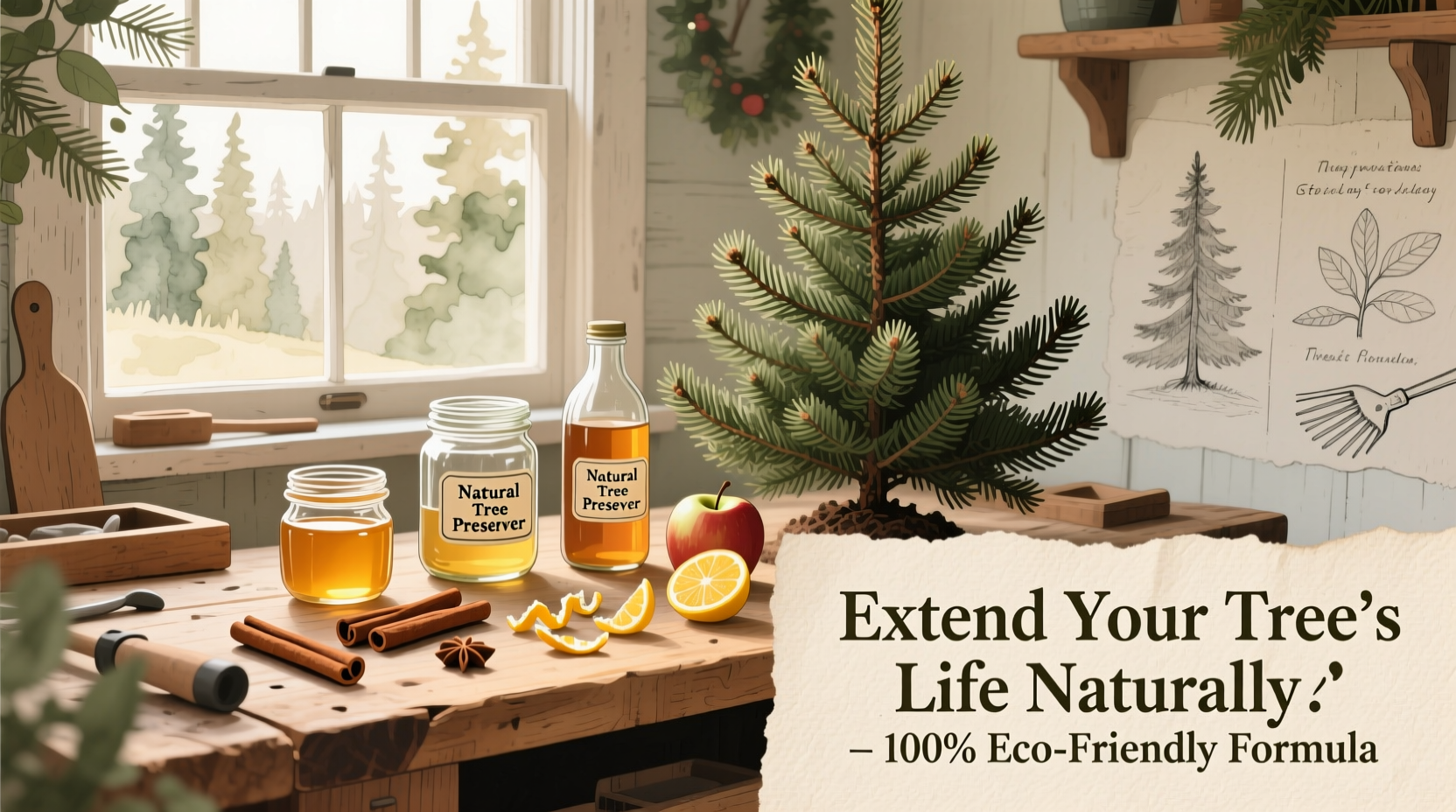
Once a tree is cut, its ability to draw water from the soil is severed. However, the xylem—the vascular tissue in the trunk—can still absorb water if kept open and functional. The key challenge is preventing sap buildup, bacterial growth, and dehydration at the cut surface. When exposed to air, the cut end seals over within hours, drastically reducing water uptake. That’s why immediate placement in water is critical.
Natural preservatives work by doing three things: improving water absorption, inhibiting microbial growth in the stand, and maintaining the pH balance of the water to keep the xylem open. Unlike sugary commercial mixes that may feed bacteria instead of the tree, a well-balanced homemade solution supports longevity without unintended consequences.
“Keeping a tree hydrated is more about consistent water access than any miracle additive. But a properly formulated natural preservative can extend freshness by 30–50%.” — Dr. Alan Finch, Urban Forestry Specialist, University of Vermont Extension
Ingredients That Work—and Why
Not all DIY recipes are created equal. Many viral hacks suggest adding aspirin, soda, or sugar to tree water, but research shows mixed or even negative results. Here's what actually helps—and what to avoid:
- Water – The foundation. Fresh, room-temperature water is absorbed more efficiently than cold water.
- Lemon Juice or White Vinegar – Slightly acidifies the water (pH 3–4), which mimics the tree’s natural sap environment and slows bacterial growth. Acidic conditions also help keep the xylem open.
- Honey or Maple Syrup (small amounts) – Natural sugars can provide energy to living cells in the trunk, but only in moderation. Too much promotes mold and bacterial blooms.
- Aspirin (acetylsalicylic acid) – May help reduce stress responses in plant tissues, though evidence for cut trees is limited. Use sparingly.
- Baking Soda – Not recommended. It raises pH and can encourage algae formation.
- Soda or Sports Drinks – Avoid. High sugar content feeds microbes, accelerating decay.
Step-by-Step Guide: How to Make and Use Your Natural Preservative
Follow this practical process to prepare and maintain your tree with a safe, effective homemade solution.
- Cut the Base – Before placing the tree in the stand, make a fresh ½-inch diagonal cut off the bottom of the trunk. This exposes unclogged xylem and improves water uptake. Do this within four hours of bringing the tree indoors.
- Prepare the Stand – Ensure your tree stand holds at least one quart of water per inch of trunk diameter. Clean it thoroughly with soapy water and rinse before use.
- Mix the Preservative Solution – Combine:
- 1 gallon (4 liters) of warm water
- 2 tablespoons lemon juice or white vinegar
- 1 tablespoon pure maple syrup or raw honey (optional)
- One crushed aspirin tablet (81 mg, optional)
- Fill the Stand Immediately – Place the tree in the stand and fill it with the solution right away. Never let the cut end go dry.
- Monitor Daily – Check water levels twice a day, especially during the first week when water uptake is highest. Refill with the same mixture each time. If the water becomes cloudy, empty the stand, rinse it, and refill with fresh solution.
- Keep Away from Heat Sources – Position the tree away from radiators, fireplaces, and vents. Warm, dry air accelerates moisture loss.
Do’s and Don’ts of Natural Tree Preservation
| Do | Don’t |
|---|---|
| Make a fresh cut before placing in water | Let the cut end dry out before watering |
| Use a large-capacity stand with daily refills | Rely on a small stand that dries quickly |
| Add vinegar or lemon juice to stabilize pH | Pour soda, bleach, or alcohol into the water |
| Keep the tree away from heat sources | Place near a fireplace or heating vent |
| Refresh the solution every 2–3 days | Let water become slimy or foul-smelling |
Real Example: A Family’s Experience with Homemade Preservative
The Reynolds family in Portland, Oregon, switched to a homemade preservative after their tree dried out in just eight days two years in a row. In 2023, they followed the vinegar-honey method described here. They cut ¾ inch off the base of their Fraser fir, used a 2-gallon stand, and mixed warm water with 2 tablespoons of apple cider vinegar and 1 tablespoon of local honey. They checked water levels every morning and evening.
Their tree remained fresh, fragrant, and needle-retentive for 27 days—from December 1 to January 27, well beyond New Year’s. “We were shocked,” said Sarah Reynolds. “Even in mid-January, the branches were springy, and the scent filled the house. We’ll never go back to plain water.”
This case illustrates how a small change in care routine, backed by sound principles, can significantly extend a tree’s lifespan without chemicals.
Expert-Approved Natural Recipe Variations
Depending on what you have on hand, you can adjust the formula slightly while staying within safe, effective parameters. Below are three vetted variations:
Basic Vinegar Solution (Best for First-Time Users)
- 1 gallon warm water
- 2 tbsp white vinegar or lemon juice
Simple, effective, and widely accessible. Ideal for those avoiding sugars or aspirin.
Maple Boost Blend (For Maximum Longevity)
- 1 gallon warm water
- 2 tbsp apple cider vinegar
- 1 tbsp pure maple syrup
- One crushed aspirin (81mg)
The combination of mild acidity, natural sugar, and salicylic acid offers layered support. Best for larger trees or dry indoor climates.
Low-Sugar Option (For Hot or Dry Homes)
- 1 gallon warm water
- 3 tbsp lemon juice
- 1 tsp baking powder (only if using well water with high mineral content)
Avoids sugars entirely, minimizing microbial risk in overheated rooms. Baking powder neutralizes excess acidity if needed.
Frequently Asked Questions
Can I use tap water for my tree?
Yes, most tap water is suitable. However, if your water is heavily chlorinated or softened with salt, consider using filtered or bottled water. Chlorine breaks down quickly and isn’t harmful in small amounts, but salt can dehydrate plant tissues and should be avoided.
Is sugar good or bad for Christmas trees?
In moderation, natural sugars like honey or maple syrup can provide energy to living cells in the trunk, potentially delaying senescence. However, excessive sugar feeds bacteria and fungi, leading to clogged water uptake. Stick to no more than 1 tablespoon per gallon.
How often should I change the preservative solution?
Refill daily with fresh mix as needed. Fully replace the solution every 2–3 days or whenever it appears cloudy, slimy, or smells sour. Clean the stand each time to prevent biofilm buildup.
Final Checklist: Keep Your Tree Alive All Season
- ☐ Buy the freshest tree possible (bend a needle—it should snap, not bend).
- ☐ Cut ½–1 inch off the base before placing in the stand.
- ☐ Fill the stand immediately with warm water + preservative.
- ☐ Use a stand that holds plenty of water (minimum 1 quart per inch of trunk).
- ☐ Mix preservative: 1 gallon water + 2 tbsp vinegar + 1 tbsp honey (optional) + 1 aspirin (optional).
- ☐ Check water levels twice daily—morning and night.
- ☐ Keep the tree away from heat sources and direct sunlight.
- ☐ Empty, rinse, and refill the stand every 2–3 days.
- ☐ Mist branches lightly every few days to boost humidity.
- ☐ Enjoy a fresh, fragrant tree through the holidays!
Conclusion: Extend Joy, Naturally
A real Christmas tree is a living symbol of the season, deserving of thoughtful care. By making your own natural preservative, you’re not only protecting your investment—you’re honoring the tree’s biology with respect and simplicity. This method avoids harsh chemicals, reduces waste, and delivers proven results. With a little daily attention and the right blend of vinegar, warmth, and care, your tree can stay lush and aromatic for weeks.




 浙公网安备
33010002000092号
浙公网安备
33010002000092号 浙B2-20120091-4
Comments
No comments yet. Why don't you start the discussion?