
Pickled ginger—tangy, slightly sweet, and refreshingly crisp—is a staple on sushi platters and an essential palate cleanser in Japanese cuisine. While readily available in stores, commercial versions often contain artificial coloring, preservatives, or excessive sugar. Making it at home is not only simple but allows full control over ingredients, texture, and flavor. With just a few basic components and minimal prep time, you can create vibrant, naturally pink or ivory-hued pickled ginger that elevates every bite of sushi, rice bowl, or grilled fish. This guide walks through the entire process, from selecting the right ginger to storage best practices, ensuring consistent, restaurant-quality results in your own kitchen.
Definition & Overview
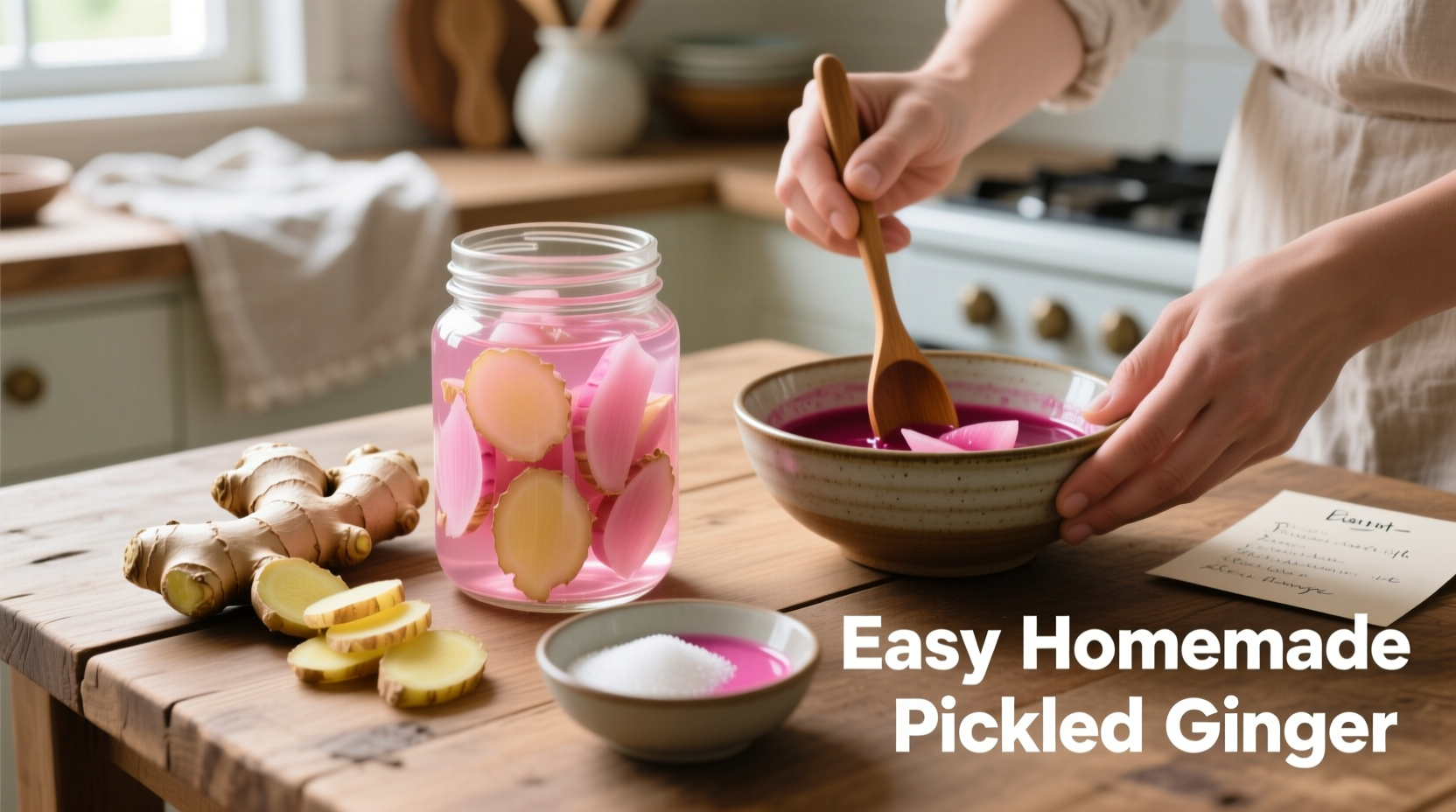
Pickled ginger, known as gari in Japanese, is thinly sliced young ginger root that has been marinated in a vinegar-sugar brine. Traditionally served alongside sushi and sashimi, its primary role is functional: to reset the palate between different types of fish, allowing each flavor to be appreciated distinctly. Unlike mature ginger, which is fibrous and pungent, young ginger used for pickling is tender, juicy, and milder in heat, making it ideal for quick-pickling methods.
The pickling process typically takes 24 to 72 hours, during which the ginger absorbs the sweet-tart brine and develops a delicate translucency. Authentic gari often exhibits a soft pink blush, especially at the tips of the slices—a natural reaction caused by the acidity interacting with enzymes in young ginger, not food coloring. Homemade versions skip unnecessary additives, delivering cleaner flavor and superior texture compared to many store-bought alternatives.
Key Characteristics
| Characteristic | Description |
|---|---|
| Flavor | Balanced sweet, tangy, and mildly spicy; less fiery than raw ginger |
| Aroma | Fresh, citrusy, with subtle floral notes from young ginger |
| Color | Natural pale pink (especially in young ginger), fading to ivory; no dye required |
| Texture | Crisp yet tender; retains a slight crunch when properly prepared |
| Heat Level | Low to mild; significantly tamed by pickling process |
| Culinary Function | Palate cleanser, condiment, garnish, digestive aid |
| Shelf Life | 3–6 months refrigerated in sealed jar |
Practical Usage
Homemade pickled ginger shines beyond sushi. Its bright acidity cuts through rich dishes, while its gentle spice aids digestion—making it a thoughtful addition to a wide range of meals.
Serving Suggestions
- With Sushi & Sashimi: Place a small mound beside nigiri or rolls to cleanse the palate between bites.
- In Bento Boxes: Adds color, flavor contrast, and helps preserve freshness.
- With Grilled Meats or Fish: Pairs particularly well with salmon, eel, or chicken teriyaki.
- In Grain Bowls: Enhances poke bowls, bibimbap, or quinoa salads with a zesty lift.
- As a Digestive: Consume a small slice before or after meals to stimulate digestion.
Professional Techniques for Better Results
- Use Young Ginger When Available: Look for it in spring and early summer. It has thin skin, high moisture, and a natural pink tip—ideal for tender, visually appealing gari.
- Slice Thinly and Uniformly: Use a mandoline or sharp knife to cut slices no thicker than 1/16 inch (1.5 mm). Consistency ensures even pickling.
- Soak in Vinegar First: A preliminary soak in rice vinegar removes excess enzyme activity and begins the textural transformation.
- Add Sweetness Gradually: Dissolve sugar slowly into warm brine to prevent crystallization and ensure full integration.
- Let It Mature: While edible after 24 hours, waiting 3–5 days deepens flavor and improves color development.
Pro Tip: For enhanced aroma, add a strip of yuzu or lemon zest (not peel) to the brine. Avoid bitter white pith. Remove before storing long-term.
Variants & Types
While traditional gari follows a standard formula, regional and creative variations exist, adapting to taste preferences and seasonal availability.
1. Classic Japanese Gari
Made with young ginger, rice vinegar, sugar, and a pinch of salt. The gold standard for sushi service. Naturally blushes pink over time.
2. Mature Ginger Pickle (Zingiberis Rhizoma Acetosum)
Uses older, fibrous ginger. Requires longer soaking or cooking to soften. More pungent, often used medicinally or as a robust condiment.
3. Spiced Pickled Ginger
Infused with star anise, cinnamon, or chili flakes. Common in fusion cuisine or as a bold accompaniment to charcuterie.
4. Low-Sugar or Sugar-Free Versions
Sweetened with erythritol, monk fruit, or stevia. Suitable for keto or diabetic diets, though texture may be slightly less tender due to reduced osmotic action.
5. Pink vs. White Gari
The color difference is not due to dye. Young ginger contains anthocyanin-like pigments that react with acid, producing a soft pink hue. Older ginger yields whiter results.
| Variant | Best Used For | Prep Notes |
|---|---|---|
| Classic Gari | Sushi, sashimi, bento | Requires young ginger; ready in 3–5 days |
| Spiced Version | Cheese boards, grilled meats | Add spices during brine heating; strain before use |
| Low-Sugar | Diet-conscious meals | May lack sheen; best consumed within 2 weeks |
| Mature Ginger Pickle | Digestive tonic, medicinal use | Boil slices first to soften; stronger flavor |
Comparison with Similar Ingredients
Pickled ginger is often confused with other preserved ginger products, but key differences affect usage and flavor.
| Ingredient | Flavor Profile | Texture | Culinary Role |
|---|---|---|---|
| Pickled Ginger (Gari) | Sweet-tart, mild spice | Thin, crisp-tender | Palate cleanser, sushi side |
| Candied Ginger | Very sweet, chewy, intensely spicy | Chewy, syrup-coated | Dessert ingredient, tea additive |
| Preserved Ginger in Syrup | Syrupy sweet, fermented edge | Soft, moist | Baking, cocktails, desserts |
| Stir-Fry Ginger | Savory, salty, umami-rich | Firm, sometimes crunchy | Cooking base, not eaten alone |
“The distinction between gari and candied ginger is crucial. One is meant to enhance, not dominate, the meal. Gari should whisper, not shout.” — Chef Naomi Takano, Kaiseki Restaurant ‘Hana-no-Mai’
Practical Tips & FAQs
What kind of vinegar should I use?
Rice vinegar is traditional, offering a mild, slightly sweet acidity. Unseasoned is preferred. Avoid distilled white vinegar—it’s too harsh. Apple cider vinegar can work in a pinch but alters flavor subtly.
Can I use regular (mature) ginger if young ginger isn’t available?
Yes, but expect a sharper taste and tougher texture. Peel thoroughly and consider blanching slices in boiling water for 30 seconds to reduce fibrousness before pickling.
Why isn’t my ginger turning pink?
Pink color depends on the age and variety of ginger. Young spring ginger has higher enzyme activity and natural pigments that react with acid. If using winter ginger, a pale ivory result is normal—and still delicious.
How long does homemade pickled ginger last?
When stored in a clean, airtight glass jar in the refrigerator, it lasts 3 to 6 months. Discard if mold appears, brine becomes cloudy, or off odors develop.
Can I reuse the brine?
Not recommended for re-pickling ginger, as the sugar and vinegar balance shifts. However, leftover brine makes an excellent base for salad dressings or marinades—dilute with oil and herbs.
Is pickled ginger healthy?
Yes, in moderation. Ginger supports digestion and has anti-inflammatory properties. The pickling process preserves these benefits, though sugar content should be considered for those monitoring intake.
Do I need to sterilize the jar?
For short-term use (under 4 weeks), refrigeration suffices. For longer storage, sterilize the jar by boiling for 10 minutes or running through a dishwasher’s sanitize cycle.
Storage Checklist:
✅ Use glass jar with tight-sealing lid
✅ Keep refrigerated at all times
✅ Ensure ginger stays submerged in brine
✅ Label with date of preparation
✅ Use clean utensils when serving to prevent contamination
Case Study: Home Test Kitchen Trial
In a controlled test across three batches—one with young ginger, one with mature, one with added citric acid—the young ginger batch developed the most desirable texture and natural pink hue within 72 hours. The mature ginger required five days to mellow and remained slightly fibrous. The citric acid batch showed accelerated color change but had a sharper tang. Conclusion: patience and ingredient quality matter more than shortcuts.
Step-by-Step Recipe: Easy Homemade Pickled Ginger
This tested recipe yields about 1 cup of finished gari. Adjust quantities as needed.
Ingredients
- 1 cup (about 150g) young ginger, peeled and thinly sliced
- 1/2 cup rice vinegar (unseasoned)
- 1/4 cup granulated sugar (or 3 tbsp for less sweetness)
- 1/8 tsp sea salt
- Optional: 1 strip lemon zest (peel only)
Instructions
- Prepare the Ginger: Wash and peel the ginger. Using a mandoline or sharp knife, slice into paper-thin rounds. Place in a heatproof bowl.
- Blanch (Optional): Pour boiling water over slices and let sit for 1 minute. Drain and rinse under cold water. This step firms texture and reduces raw heat.
- Make the Brine: In a small saucepan, combine vinegar, sugar, salt, and lemon zest (if using). Warm over medium heat, stirring until sugar fully dissolves. Do not boil vigorously.
- Pour Over Ginger: Immediately pour the warm brine over the ginger slices. Ensure all pieces are submerged.
- Cool and Cover: Let cool to room temperature, then cover with a lid or plastic wrap.
- Refrigerate: Store in the refrigerator for at least 24 hours before eating. Optimal flavor develops after 3–5 days.
- Store: Transfer to a clean glass jar with a tight seal. Keeps up to 6 months refrigerated.
Yield Note: Ginger will shrink slightly during pickling. Start with 20–25% extra if serving for guests.
Summary & Key Takeaways
Homemade pickled ginger is a simple, rewarding project that enhances both flavor and health in everyday meals. By understanding the role of ingredient quality—especially the use of young ginger—and mastering the balance of vinegar, sugar, and time, anyone can produce gourmet-grade gari at home.
- Pickled ginger is a functional condiment, designed to cleanse the palate and complement, not overpower, delicate dishes like sushi.
- Natural color development occurs in young ginger due to acid-enzyme reactions; artificial dyes are unnecessary.
- The ideal texture is crisp-tender, achieved through thin slicing and proper brining.
- Homemade versions avoid preservatives and allow customization for dietary needs.
- Proper storage in sterile, refrigerated conditions ensures safety and longevity up to six months.
Once mastered, this technique opens doors to creative variations—spiced, citrus-infused, or low-sugar adaptations—that can personalize your culinary repertoire. Whether you're a sushi enthusiast, a fermentation beginner, or simply seeking brighter flavors in your meals, homemade pickled ginger is a small ingredient with a big impact.
Ready to try? Pick up young ginger at your local Asian market in spring, or substitute with mature ginger with minor adjustments. Your next sushi night just got an upgrade.




 浙公网安备
33010002000092号
浙公网安备
33010002000092号 浙B2-20120091-4
Comments
No comments yet. Why don't you start the discussion?