
Minestrone soup, a cornerstone of Italian home cooking, is celebrated for its rustic charm, nutritional density, and adaptability. Traditionally simmered for hours on the stove, this vegetable-rich broth has long been a way to transform seasonal produce and pantry staples into a deeply satisfying meal. With the rise of electric pressure cookers, particularly the Instant Pot, it’s now possible to achieve the same complex flavors and tender textures in under 45 minutes. This method doesn’t compromise authenticity—it enhances accessibility. For modern cooks balancing flavor, nutrition, and time, mastering Instant Pot minestrone unlocks a year-round solution for healthy, comforting meals that feed families, freeze well, and minimize kitchen cleanup.
Definition & Overview
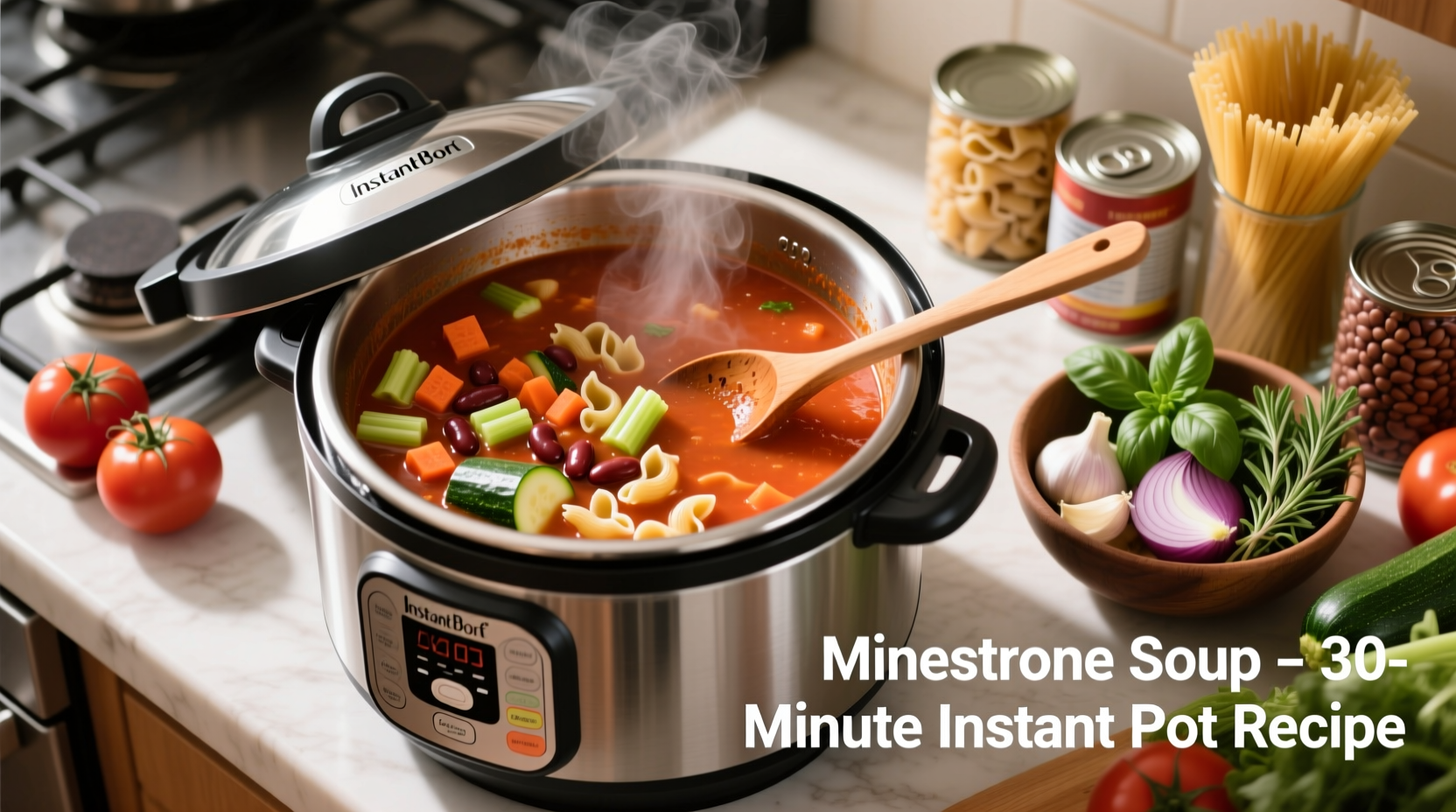
Minestrone (pronounced mee-neh-STROH-neh) is a thick Italian vegetable soup originating in rural households across northern and central Italy. Its name derives from the Italian word *minestra*, meaning “soup” or “that which is served,” underscoring its role as a foundational dish rather than a specialty. Unlike consommé or brodo, which emphasize clarity and simplicity, minestrone embraces abundance. It typically includes a rotating cast of seasonal vegetables—carrots, celery, onions, zucchini, green beans, cabbage, tomatoes—combined with legumes (often cannellini or kidney beans), small pasta or rice, herbs, and sometimes cured meats like pancetta. The broth base can be water, vegetable stock, or meat stock, enriched over time by the slow melding of ingredients.
There is no single “correct” version of minestrone. Regional variations abound: in Liguria, pesto may be swirled in at the end; in Emilia-Romagna, Parmesan rind simmers in the pot; in Tuscany, leftover bread thickens the stew. What unites all versions is their improvisational spirit and respect for ingredients. In the Instant Pot, this tradition evolves without betrayal. The sealed high-pressure environment accelerates extraction of flavor from aromatics and bones (if used), softens fibrous vegetables quickly, and hydrates dried beans efficiently—all while preserving nutrients better than prolonged boiling.
Key Characteristics
- Flavor profile: Savory, earthy, slightly sweet from carrots and tomatoes, with herbal brightness from basil, oregano, and parsley.
- Aroma: Warm, inviting, with toasted garlic, sautéed onions, and sun-dried tomato notes when included.
- Texture: Hearty and chunky; each spoonful should contain multiple ingredients.
- Color: Rustic mosaic of red (tomatoes), orange (carrots), green (zucchini, greens), white (beans, pasta).
- Culinary function: Standalone meal, freezer-friendly staple, vegetable utilization vehicle.
- Shelf life: Up to 5 days refrigerated, 3 months frozen (best without pasta, which softens upon thawing).
- Dietary flexibility: Naturally vegetarian; easily made vegan or gluten-free with substitutions.
Practical Usage: How to Build Minestrone in the Instant Pot
The Instant Pot transforms minestrone from a slow weekend project into a weeknight reality. By leveraging the “Sauté” function followed by high-pressure cooking, you replicate the layered development of flavor usually reserved for stovetop techniques. Below is a detailed, tested method suitable for both novice and experienced users.
Core Ingredients (Serves 6–8)
- 2 tablespoons olive oil
- 1 large yellow onion, diced
- 2 medium carrots, peeled and sliced
- 2 celery stalks, sliced
- 3 garlic cloves, minced
- 1 medium zucchini, diced
- 1 cup green beans, trimmed and cut into 1-inch pieces
- 1 (14.5 oz) can diced tomatoes (preferably fire-roasted)
- 1 (15 oz) can cannellini beans, drained and rinsed
- 1 (15 oz) can kidney beans, drained and rinsed
- 6 cups low-sodium vegetable broth (or chicken broth for non-vegetarian version)
- 1 Parmesan rind (optional but highly recommended)
- 1 teaspoon dried oregano
- 1 teaspoon dried basil
- ½ teaspoon red pepper flakes (optional)
- Salt and freshly ground black pepper to taste
- ¾ cup small pasta (ditalini, elbow, or small shells)
- 2 cups chopped kale or spinach
- Freshly grated Parmesan cheese, for serving
- Fresh basil or parsley, chopped, for garnish
Step-by-Step Instructions
- Sauté the aromatics: Set the Instant Pot to “Sauté” mode. Add olive oil. Once shimmering, add onion, carrots, and celery. Cook for 5–7 minutes, stirring occasionally, until softened and lightly golden.
- Add garlic and spices: Stir in garlic, oregano, basil, and red pepper flakes. Cook for 30 seconds until fragrant—do not let garlic brown.
- Build the base: Add diced tomatoes (with juice), zucchini, green beans, beans, broth, Parmesan rind, and seasonings. Stir well to combine. Use a wooden spoon to deglaze the bottom of the pot, scraping up any browned bits—this prevents burn warnings.
- Pressure cook: Seal the lid, set valve to “Sealing.” Cook on “Manual” or “Pressure Cook” at high pressure for 8 minutes. The pot will take 10–15 minutes to come to pressure before timing begins.
- Natural release: After cooking, allow the pressure to release naturally for 10 minutes, then carefully turn the valve to “Venting” to release remaining steam.
- Add pasta and greens: Open the lid. Remove the Parmesan rind. Stir in pasta and cook again using the “Sauté” function for 6–8 minutes, or until pasta is al dente. Add kale or spinach during the last 2 minutes of cooking.
- Season and serve: Taste and adjust salt and pepper. Serve hot, topped with freshly grated Parmesan and a drizzle of extra virgin olive oil.
Pro Tip: To extend shelf life and maintain texture, cook the pasta separately and add it to individual bowls when serving. This prevents mushiness during storage and reheating.
Variants & Types
One of minestrone’s greatest strengths is its versatility. The Instant Pot adapts seamlessly to regional and dietary variations, allowing customization without sacrificing efficiency.
Regional Styles Adapted for Pressure Cooking
- Ligurian Pesto Minestrone: Stir in 2–3 tablespoons of fresh basil pesto after cooking. Omit red pepper flakes to preserve herbal balance.
- Tuscan Bread-Thickened: Add 1 cup cubed stale rustic bread during the last 5 minutes of Sauté mode. It dissolves slightly, adding body and authenticity.
- Southern Italian ‘Nduja Version: Brown ¼ cup spicy ‘nduja sausage during the initial sauté for a smoky, fiery depth.
- Winter Root Vegetable: Replace zucchini and green beans with diced sweet potato, parsnip, or turnip. Extend pressure time to 10 minutes.
- Summer Garden: Use fresh tomatoes instead of canned, reduce broth by 1 cup, and add fresh corn and green beans. Cook for only 5 minutes under pressure to preserve crunch.
Dietary Modifications
| Modification | Adjustments | Notes |
|---|---|---|
| Gluten-Free | Use gluten-free pasta or omit entirely; substitute with quinoa or rice (add pre-cooked) | Ensure broth and canned goods are certified GF |
| Vegan | Omit Parmesan rind; use nutritional yeast for umami | Add 1 tbsp soy sauce or miso paste for depth |
| Low-Carb/Keto | Replace beans with chopped mushrooms; omit pasta and starchy vegetables | Use bone broth and increase olive oil for fat content |
| High-Protein | Add shredded rotisserie chicken or turkey at end, or include lentils | Lentils require 6 minutes pressure cook time |
Comparison with Similar Ingredients
Minestrone is often confused with other soups due to overlapping ingredients. Understanding distinctions ensures proper technique and expectations.
| Soup Type | Key Differences | Instant Pot Suitability |
|---|---|---|
| Minestrone | Vegetable- and bean-heavy, contains pasta, thick texture, Italian herbs | Excellent—pressure enhances flavor integration |
| Vegetable Soup | Broth-forward, fewer legumes, rarely includes pasta, less seasoning complexity | Good—but lacks depth without extended simmering |
| Chicken Noodle Soup | Centered on poultry, uses egg noodles, American-style seasoning (thyme, bay leaf) | Better with whole chicken for shredding; different flavor profile |
| Pasta e Fagioli | Bean-dominant, more blended texture, often puréed partially, heavier on garlic | Very good—similar method, reduce vegetables, increase beans |
“The beauty of minestrone lies in its imperfection. It’s not about precision—it’s about presence. The Instant Pot respects that tradition by delivering soulful results without demanding hours. You’re not shortcutting flavor; you’re optimizing effort.” — Chef Elena Ricci, Culinary Instructor, Florence Center for Regional Cuisine
Practical Tips & FAQs
Can I use dried beans instead of canned?
Yes, but with planning. Rinse ½ cup dried cannellini or Great Northern beans and add them directly to the pot with the broth—no soaking required. Increase pressure cooking time to 35 minutes with a natural release. Dried beans yield creamier texture and lower sodium.
Why did my Instant Pot display a “Burn” message?
This occurs when food sticks to the base. Prevent it by deglazing thoroughly after sautéing, ensuring no food particles remain. Using enough liquid (at least 1.5 cups above the sauté line) and stirring in tomato paste last (if used) helps avoid scorching.
Can I freeze minestrone?
Absolutely. Cool completely and store in airtight containers for up to 3 months. For best results, freeze without pasta and add freshly cooked pasta when reheating.
How do I thicken minestrone?
For a richer texture, remove 1 cup of soup after pressure cooking, blend until smooth, and stir back in. Alternatively, mash some beans against the pot wall before adding pasta.
What pasta works best?
Small, sturdy shapes hold up well: ditalini, tubetti, elbows, or small shells. Avoid long or delicate pastas like spaghetti or orzo, which can overcook or disintegrate.
Is it safe to reheat minestrone in the Instant Pot?
Yes. Use the “Sauté” function on low, stirring frequently. Add a splash of broth or water to loosen if needed. Do not re-pressurize unless adding raw ingredients.
Can I make it in a slow cooker instead?
You can, but results differ. Slow cooking develops deeper sweetness over 6–8 hours, but vegetables may become overly soft. The Instant Pot offers superior texture control and faster turnaround.
Storage Guide: Refrigerate in covered containers for up to 5 days. Flavors deepen overnight. Reheat gently on stove or in microwave. Freeze in portion-sized jars (leave 1-inch headspace) for easy single servings.
Ingredient Substitution Checklist
- No celery? Use fennel bulb (adds slight licorice note) or ½ tsp celery seed.
- No zucchini? Substitute yellow squash or peeled summer chayote.
- No green beans? Use fresh peas, broccoli florets, or asparagus tips (add in last 2 minutes).
- No Parmesan rind? Add 1 tbsp nutritional yeast or 2 tsp soy sauce for umami.
- No fresh herbs? Dried work well here—use ⅓ the amount (dried herbs are more concentrated).
Summary & Key Takeaways
Minestrone soup in the Instant Pot is not a compromise—it’s an evolution. By combining traditional Italian principles with modern convenience, home cooks can produce a nourishing, flavorful meal in under an hour. The key lies in understanding the synergy between technique and ingredients: sautéing builds foundation, pressure cooking extracts essence, and finishing touches elevate texture and aroma.
Success hinges on a few core practices: deglazing thoroughly to prevent errors, adjusting pasta handling for storage needs, and embracing flexibility in vegetables and seasonings. Whether you follow a classic formula or adapt to dietary needs, the result remains true to minestrone’s spirit—abundant, resourceful, and deeply satisfying.
This dish exemplifies sustainable cooking: it reduces food waste, supports plant-forward diets, and delivers restaurant-quality results with minimal effort. Once mastered, Instant Pot minestrone becomes a repeatable template—a culinary anchor for busy weeks, chilly evenings, and moments when comfort and nutrition must coexist.
Challenge Yourself: Try making a “clean-out-the-fridge” minestrone once a week. Use leftover roasted vegetables, wilting greens, or forgotten beans. Note what works and refine your approach. Over time, you’ll develop an intuitive sense for balancing flavors—just like generations of Italian cooks before you.




 浙公网安备
33010002000092号
浙公网安备
33010002000092号 浙B2-20120091-4
Comments
No comments yet. Why don't you start the discussion?