
The idea of placing a raw onion in a sock may sound unusual, even absurd, to modern ears. Yet this folk remedy has persisted for generations across multiple cultures, often promoted as a natural way to fight colds, draw out toxins, or improve overall wellness. While it lacks robust scientific validation, the practice continues to circulate in home remedy circles, parenting forums, and alternative health communities. This article examines the origins, purported benefits, and practical applications of using an onion in a sock—not as a culinary technique, but as a traditional wellness method. It also explores the biochemical properties of onions that may lend partial credibility to some claims, separates myth from mechanism, and offers guidance for those curious about integrating such practices safely.
Definition & Overview
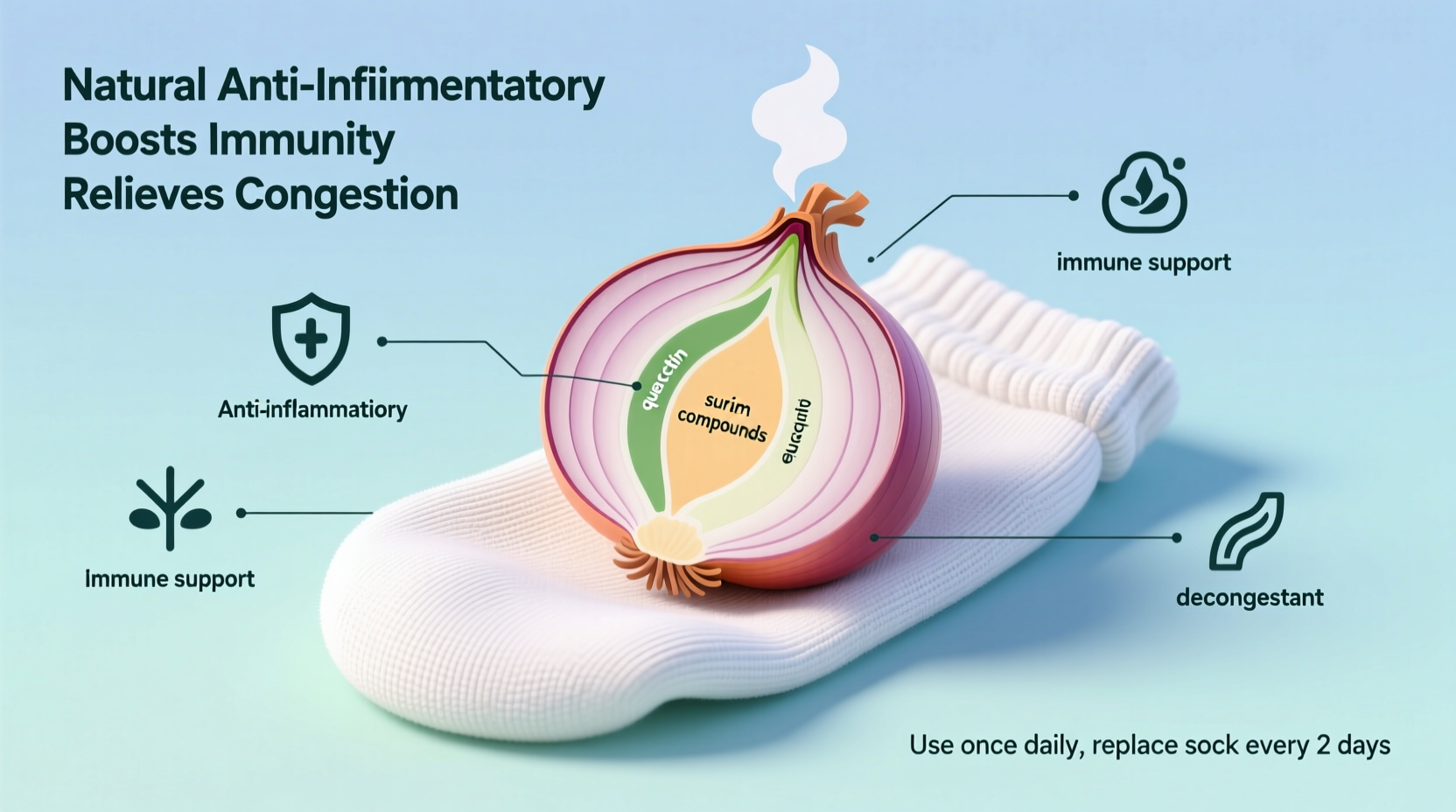
The practice of “using an onion in a sock” refers to slicing a raw onion, placing it inside a clean cotton sock (often worn on the foot overnight), and leaving it in contact with the skin for several hours. Advocates believe the onion absorbs pathogens, draws out infection, or releases healing compounds through the pores of the feet. Though not a cooking method per se, it leverages the same allium vegetable central to global cuisines—Allium cepa, the common onion.
Onions are bulbous plants belonging to the Amaryllidaceae family, cultivated for thousands of years for both flavor and medicinal use. Historically, civilizations from ancient Egypt to Indigenous North American tribes used onions topically and internally for respiratory ailments, wound care, and immune support. The sock method appears to be a modern adaptation of these older traditions, particularly rooted in 19th-century European and Appalachian folk medicine.
While no peer-reviewed clinical trials confirm the efficacy of wearing an onion in a sock, anecdotal reports persist. Understanding this phenomenon requires examining both cultural context and the known phytochemical profile of onions—particularly their sulfur-containing compounds, flavonoids like quercetin, and antimicrobial properties.
Key Characteristics of Onions Relevant to the Remedy
| Property | Description |
|---|---|
| Flavor Profile | Pungent, sharp when raw; sweetens with cooking. Contains volatile sulfur compounds responsible for eye irritation and strong aroma. |
| Aroma | Strong, acrid when cut or crushed due to release of syn-propanethial-S-oxide and other thiosulfinates. |
| Color/Form Used | Raw white, yellow, or red onion slices—typically halved or quartered and placed cut-side down against the sole of the foot. |
| Active Compounds | Quercetin (antioxidant), allicin (antimicrobial), organosulfur compounds, phenolic acids. |
| Culinary Function | Aromatic base in cooking; adds depth, sweetness, and umami. |
| Shelf Life | Fresh bulbs last 1–3 months in cool, dry storage; sliced onions degrade within days. |
| Skin Interaction | Can cause mild irritation or redness due to acidity and sulfur content; generally safe for short-term topical use. |
Claimed Benefits of Using an Onion in a Sock
Proponents of the onion-in-sock remedy attribute a range of health effects to the practice. These are largely based on tradition rather than clinical evidence, but they reflect long-standing beliefs about detoxification and natural immunity:
- Boosting Immunity During Illness: Believers claim that placing an onion near the feet helps the body fight off colds or flu by stimulating lymphatic drainage or absorbing viruses through the skin.
- Reducing Fever: Some parents report lower fevers in children after one night of application, attributing the change to the onion’s “drawing” power.
- Detoxifying the Body: A core tenet of many folk remedies is that toxins exit via the feet. The onion is said to “pull” these out, turning black or brown as proof of absorption.
- Improving Sleep and Comfort: Despite the odor, some users say their children sleep better with the remedy in place, possibly due to placebo effect or ritual comfort.
- Preventing Illness Spread: In household settings, families sometimes apply the method at the first sign of illness to prevent others from getting sick.
The darkening of the onion overnight is frequently cited as visual confirmation of its effectiveness—supposedly showing absorbed toxins. However, this discoloration is more likely a result of oxidation, moisture exposure, and enzymatic browning, similar to how apples turn brown when exposed to air.
Scientific Perspective: What Does Research Say?
There is currently no scientific evidence supporting transdermal absorption of pathogens into an external onion. Human skin acts as a protective barrier, and while certain substances can penetrate it (e.g., nicotine, corticosteroids), there is no mechanism by which viruses or bacteria would migrate from internal organs to the soles of the feet and then into plant tissue.
However, onions themselves do possess biologically active compounds with documented properties:
- Antimicrobial Activity: Studies have shown that onion extracts inhibit the growth of bacteria such as Escherichia coli, Staphylococcus aureus, and Bacillus subtilis in vitro (Kubo et al., 2004). This effect comes from sulfur compounds and flavonoids, but it occurs in controlled lab environments—not through socks.
- Anti-inflammatory and Antioxidant Effects: Quercetin, abundant in onions, reduces oxidative stress and modulates immune responses. Oral consumption—not topical application—is required for systemic benefit.
- Respiratory Support: Traditional preparations like onion syrup (cooked with honey) have demonstrated expectorant and cough-suppressant effects in small studies, suggesting real therapeutic potential when ingested.
In short, while the onion itself has legitimate health-promoting qualities, the method of placing it in a sock does not align with known physiological processes. Any perceived benefits are likely attributable to concurrent treatments (rest, hydration, medication), the placebo effect, or coincidental recovery.
TIP: If you're drawn to natural remedies, consider using onions in evidence-backed ways: make homemade onion-honey syrup for coughs, include raw onions in salads for antioxidant intake, or sauté them as part of immune-supportive meals rich in vegetables and garlic.
Practical Usage: How to Use an Onion in a Sock (Step-by-Step)
Despite limited scientific backing, some individuals choose to try the onion-in-sock method as a complementary home practice. If doing so, follow these steps carefully to minimize risk and maximize hygiene:
- Select a Fresh Onion: Choose a firm, unblemished yellow or white onion. These varieties tend to be more pungent and are traditionally preferred for medicinal use.
- Wash and Slice: Rinse the onion under running water. Cut it into ¼-inch thick slices or quarters, ensuring the cut surface is exposed.
- Prepare the Sock: Use a clean, breathable cotton sock. Place one or two onion slices inside, positioning them so the cut side rests directly against the sole of the foot—typically under the arch or heel.
- Wear Overnight: Put the sock on before bed. Wear a second, outer sock if needed to contain moisture and odor. Avoid direct skin contact if sensitivity is a concern.
- Dispose Properly: Remove and discard the onion in the morning. Do not reuse. Wash feet and inspect for any signs of irritation.
- Repeat if Desired: Some regimens suggest nightly use until symptoms resolve, though no standard duration exists.
This process should never replace medical treatment. It is not recommended for infants under one year, individuals with diabetes, peripheral neuropathy, or compromised skin integrity, as even minor irritation could lead to complications.
Variants & Types of Application Methods
The basic onion-in-sock method has inspired several variations, often blending ingredients believed to enhance its effects:
- Onion and Garlic Combo: A clove of crushed garlic is added to the sock for stronger antimicrobial action. Garlic contains allicin, which has proven antiviral and antibacterial properties.
- Vinegar-Soaked Onion: Some soak the onion slice in apple cider vinegar before insertion, citing improved drawing ability. ACV is acidic and may increase skin permeability slightly, but also raises irritation risk.
- Onion Poultice (Warm Compress): Instead of a sock, the onion is mashed, heated gently, wrapped in cloth, and applied to the chest for congestion relief. This method allows aromatic vapors to be inhaled and has more plausible mechanisms of action.
- Foot Bath Addition: Chopped onions are added to warm foot baths, combining heat, hydrotherapy, and mild phytochemical exposure without prolonged skin contact.
- Dried Onion Powder: In commercial or DIY blends, dehydrated onion powder is mixed with herbs and placed in sachets inside socks—less messy, but chemically less potent than fresh.
Each variant alters the intensity, safety, and sensory experience. The poultice and foot bath methods offer greater plausibility since they involve inhalation or temporary dermal exposure to volatile compounds.
Comparison with Similar Folk Remedies
The onion-in-sock practice belongs to a broader category of topical “drawing” remedies—methods intended to pull illness or impurities from the body. Below is a comparison with related techniques:
| Remedy | Method | Claimed Benefit | Scientific Plausibility |
|---|---|---|---|
| Onion in sock | Raw slice worn on foot overnight | Draws out infection, reduces fever | Low – no transdermal pathogen transfer |
| Mustard plaster | Ground mustard seed + flour/water paste applied to chest | Relieves congestion, stimulates circulation | Moderate – causes local vasodilation and warming sensation |
| Charcoal poultice | Activated charcoal mixed with water, wrapped on skin | Detoxifies, reduces swelling | Limited – effective externally for venom or toxin exposure, not systemic detox |
| Epsom salt foot soak | Feet soaked in magnesium sulfate solution | Reduces fatigue, draws out toxins | Partially supported – magnesium absorption possible, relaxation benefits confirmed |
| Garlic on foot | Garlic clove taped to sole overnight | Prevents colds, boosts immunity | Low – allicin cannot be systemically delivered this way |
Unlike activated charcoal or Epsom salts, which have measurable physical interactions with tissues, the onion-in-sock lacks a defined pathway for systemic impact. Its persistence lies more in cultural memory than biochemical feasibility.
Practical Tips & FAQs
Can onions really draw toxins out of the body?
No credible scientific evidence supports the idea that onions—or any food—can absorb toxins through the skin from internal organs. The liver and kidneys perform detoxification naturally. Discoloration of the onion results from normal decomposition, not toxin collection.
Is it safe to put an onion in a sock?
For most healthy adults, short-term use is low-risk. However, avoid it if you have sensitive skin, allergies to alliums, or conditions like diabetes that impair foot sensation. Always monitor for redness, blistering, or discomfort.
Why do people believe it works?
Placebo effects, confirmation bias, and coincidental timing contribute. Many viral illnesses resolve within a few days regardless of intervention. When someone recovers after using the onion, they may credit the remedy—even if it played no role.
Are there safer, more effective alternatives?
Yes. Consuming onions in soups, broths, or syrups delivers their beneficial compounds effectively. Try simmering chopped onions with honey for a natural cough suppressant, or add them to chicken soup for anti-inflammatory support.
Does organic vs. conventional onion matter?
From a chemical standpoint, organosulfur compounds and quercetin levels are similar. However, organic onions reduce pesticide residue exposure, which may be preferable for topical or ingestible use.
How long should I leave the onion in the sock?
Typically 6–8 hours overnight. Never exceed this without consulting a healthcare provider. Prolonged moisture and acidity may damage skin integrity.
Can I use cooked onion instead?
No. Cooking denatures many of the volatile compounds (like allicin) that proponents believe are active. Only raw onion is used in this remedy.
EXPERT INSIGHT: “Folk remedies often emerge from observable plant properties—onions *do* kill microbes in a petri dish. But translating that to whole-body healing requires ingestion or targeted delivery. Topical placement on the foot doesn’t bridge that gap.” — Dr. Lena Tran, Integrative Nutrition Specialist
Summary & Key Takeaways
The practice of using an onion in a sock is a culturally enduring folk remedy with roots in historical herbalism. While it lacks scientific validation, its popularity endures due to generational transmission, anecdotal testimonials, and the appeal of natural solutions.
Key points to remember:
- The onion-in-sock method involves placing sliced raw onion inside a sock worn overnight, typically on the foot.
- It is claimed to reduce cold symptoms, draw out toxins, and lower fever—but these effects are not supported by clinical research.
- Onions contain valuable compounds like quercetin and allicin, which have proven antioxidant and antimicrobial properties—best accessed through eating, not topical use.
- Variants include combining onions with garlic, vinegar, or using them in poultices or foot baths for more plausible delivery routes.
- While generally low-risk for healthy adults, the method should not replace medical care, especially in vulnerable populations.
- More effective ways to harness onion benefits include making onion-honey syrup, adding raw onions to salads, or using them in soups and stews.
Ultimately, the onion-in-sock remedy reflects humanity’s deep connection between food and healing. While modern science may dismiss its mechanisms, respecting traditional knowledge means understanding its context—not rejecting it outright, but refining it with evidence. For those intrigued by natural wellness, the real power of the onion lies not in the sock, but on the plate.
Have you tried the onion-in-sock remedy? Share your experience or explore our guide on making medicinal onion syrup—a scientifically grounded way to use this versatile vegetable for respiratory health.




 浙公网安备
33010002000092号
浙公网安备
33010002000092号 浙B2-20120091-4
Comments
No comments yet. Why don't you start the discussion?