
Liquid motion cases, commonly known as Quicksand phone cases, have surged in popularity thanks to their mesmerizing swirls of colored particles suspended in fluid. While visually captivating, these cases are more delicate than standard silicone or hard plastic alternatives. The sealed liquid chamber is prone to leaks, bubbles, and discoloration if not handled properly. A leak not only ruins the aesthetic but can also compromise your phone’s water resistance and lead to internal damage. Fortunately, with informed care and preventive habits, you can significantly extend the lifespan of your Quicksand case and keep it looking pristine.
Understanding How Quicksand Cases Work
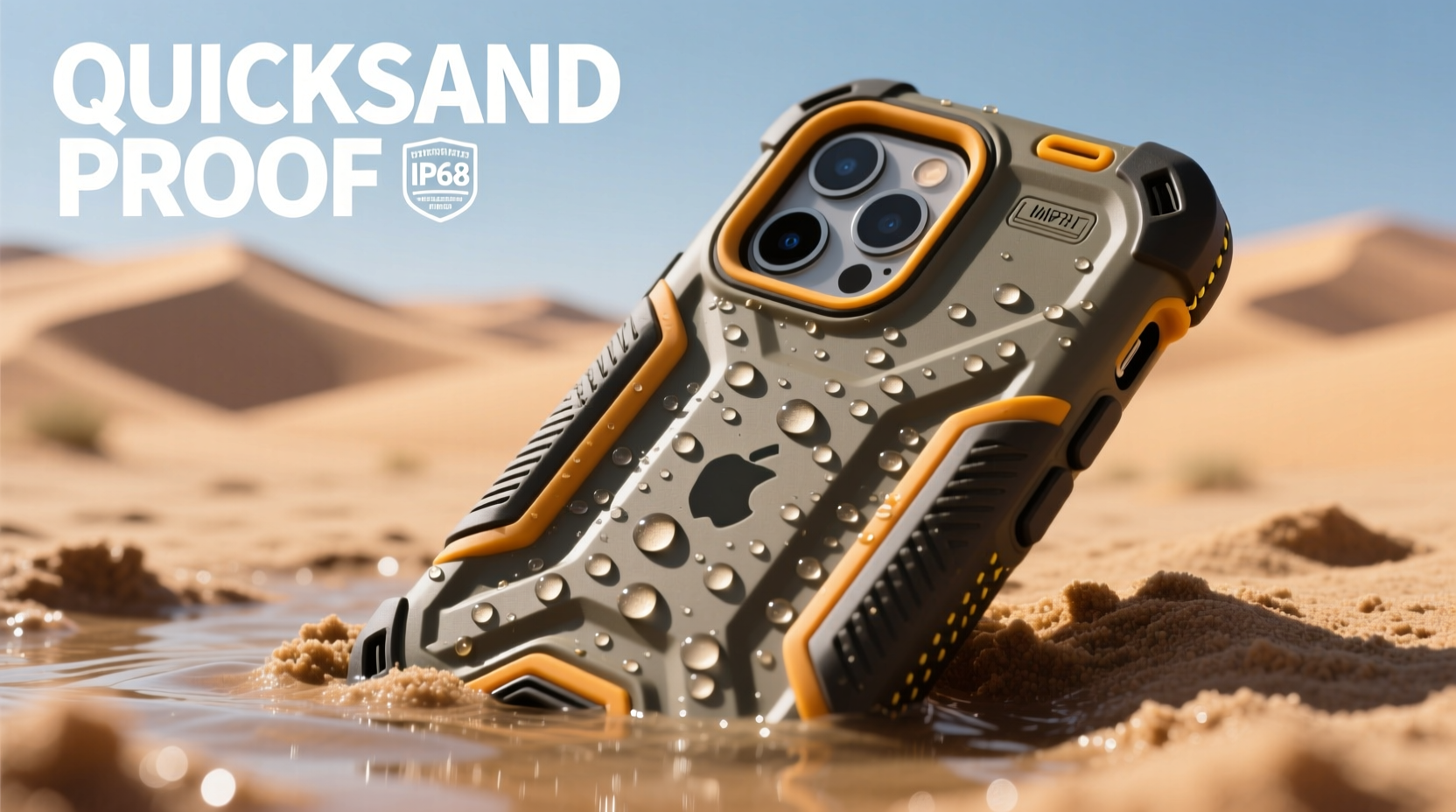
Quicksand cases contain a sealed layer of viscous liquid filled with glitter, microbeads, or metallic flakes that shift slowly when tilted. This effect mimics the movement of actual quicksand or galaxy swirls. The liquid is typically non-toxic and enclosed between two layers of TPU (thermoplastic polyurethane) or polycarbonate. However, the seal is vulnerable to stress, heat, and physical impact. Over time, microscopic cracks or weak points in the seal can develop, leading to slow seepage or sudden rupture.
The integrity of the case depends on three key factors: material quality, manufacturing precision, and user handling. Mass-produced budget models often use thinner seals and lower-grade adhesives, making them more susceptible to failure. Premium versions may offer better durability, but even high-end cases require careful maintenance.
“Many customers don’t realize that thermal expansion alone can compromise a liquid case. Leaving it in a hot car or under direct sunlight can create pressure buildup inside the chamber.” — Jordan Lee, Product Engineer at MobileShield Labs
Step-by-Step Guide to Prevent Leaks and Damage
Preventing leaks starts with how you handle, store, and maintain your case daily. Follow this structured routine to minimize risks:
- Inspect Upon Arrival: When you receive a new Quicksand case, examine the edges closely for any visible gaps, cloudiness, or trapped air bubbles. Gently flex the corners to test structural integrity—excessive give may indicate weak sealing.
- Allow Acclimatization: If the case was shipped in cold or hot conditions, let it rest at room temperature for 24 hours before installing it on your phone. Sudden temperature shifts can stress the seal.
- Install Carefully: Align your phone slowly into the case. Avoid forcing it, especially near the charging port or camera cutouts, as this can strain the liquid chamber.
- Avoid Pressure Points: Never place heavy objects on top of your phone when it’s in the case. Sitting on your phone or stacking books over it can cause internal fractures.
- Monitor for Changes: Check weekly for signs of leakage such as sticky residue, discoloration, or shrinking fluid volume. Early detection allows for replacement before damage occurs.
Do’s and Don’ts: Best Practices Table
| Do’s | Don’ts |
|---|---|
| Store in a cool, shaded area away from direct sunlight | Leave in a car during summer or freezing winter |
| Clean with a soft microfiber cloth and mild soapy water | Use alcohol-based cleaners or abrasive wipes |
| Use a screen protector and avoid over-tightening screen edges | Apply excessive pressure when inserting or removing the phone |
| Rotate between multiple cases to reduce wear | Drop the phone frequently or use without a protective screen |
| Check manufacturer warranty terms for seal defects | Attempt to open or repair the case yourself |
Real Example: How One User Extended Case Lifespan by 8 Months
Sophia, a college student and frequent traveler, bought a popular Quicksand case online. Within weeks, friends reported their cases had leaked or turned cloudy. Determined to avoid the same fate, Sophia implemented a strict care routine. She kept her phone in a padded pouch inside her backpack, never left it in her car, and cleaned the case every Sunday using a damp cloth. She also avoided placing it face-down on rough surfaces. After ten months, her case remained fully sealed and vibrant—far outlasting the average six-month lifespan reported by others. Her secret? Consistent, mindful usage combined with environmental awareness.
This example underscores that user behavior plays a critical role. Even with identical products, outcomes vary drastically based on handling.
Essential Maintenance Checklist
To ensure your Quicksand case remains leak-free and functional, follow this monthly maintenance checklist:
- ✅ Inspect all edges for swelling, cloudiness, or residue
- ✅ Wipe down the exterior with a lint-free cloth
- ✅ Test fit: Remove and reinsert your phone gently to check for tightness
- ✅ Evaluate color vibrancy—fading may indicate UV exposure damage
- ✅ Rotate to a backup case if used daily to reduce long-term stress
- ✅ Store in a fabric-lined drawer or box when not in use
Frequently Asked Questions
Can I fix a leaking Quicksand case myself?
No. Attempting to seal a leak with glue or tape will likely worsen the issue and may trap moisture against your phone. Most manufacturers do not recommend repairs, and tampering voids warranties. Your best option is to replace it promptly.
Why does my case look foggy or cloudy?
Cloudiness usually indicates moisture infiltration or chemical breakdown of the liquid solution. It can result from prolonged exposure to humidity, extreme temperatures, or low-quality manufacturing. Once clouding begins, it typically progresses irreversibly.
Are all Quicksand cases prone to leaking?
Not equally. Higher-end brands use multi-layer sealing technology and undergo pressure testing. Look for cases labeled “double-sealed” or “leak-tested.” Customer reviews mentioning longevity are strong indicators of reliability.
Final Thoughts and Action Plan
Your Quicksand phone case is both a fashion statement and a functional accessory—but its beauty comes with responsibility. Unlike traditional cases, it demands proactive care to preserve its unique design. By understanding the vulnerabilities of the liquid chamber, avoiding environmental stressors, and following a disciplined maintenance routine, you can enjoy its hypnotic swirls for many months beyond the typical failure window.
Start today: inspect your current case, clean it gently, and store it properly. If you notice any warning signs, consider retiring it before a leak damages your device. Invest in quality replacements from reputable sellers, and always keep a secondary case available. Small habits make a big difference in protecting both your phone and your favorite accessories.




 浙公网安备
33010002000092号
浙公网安备
33010002000092号 浙B2-20120091-4
Comments
No comments yet. Why don't you start the discussion?