
In an age where awareness of chemical exposure is growing, many people are turning to natural alternatives for everyday needs—including protection from biting insects. Commercial bug sprays often contain synthetic ingredients like DEET, which, while effective, can cause skin irritation or raise health concerns with prolonged use. A safer, more sustainable option lies in the power of essential oils. Derived from plants, these concentrated extracts not only smell pleasant but also possess natural insect-repelling properties. With a few simple ingredients and basic tools, you can create a highly effective, all-natural bug repellent at home that’s gentle on your skin and tough on mosquitoes, ticks, and other pests.
The Science Behind Essential Oils as Insect Repellents
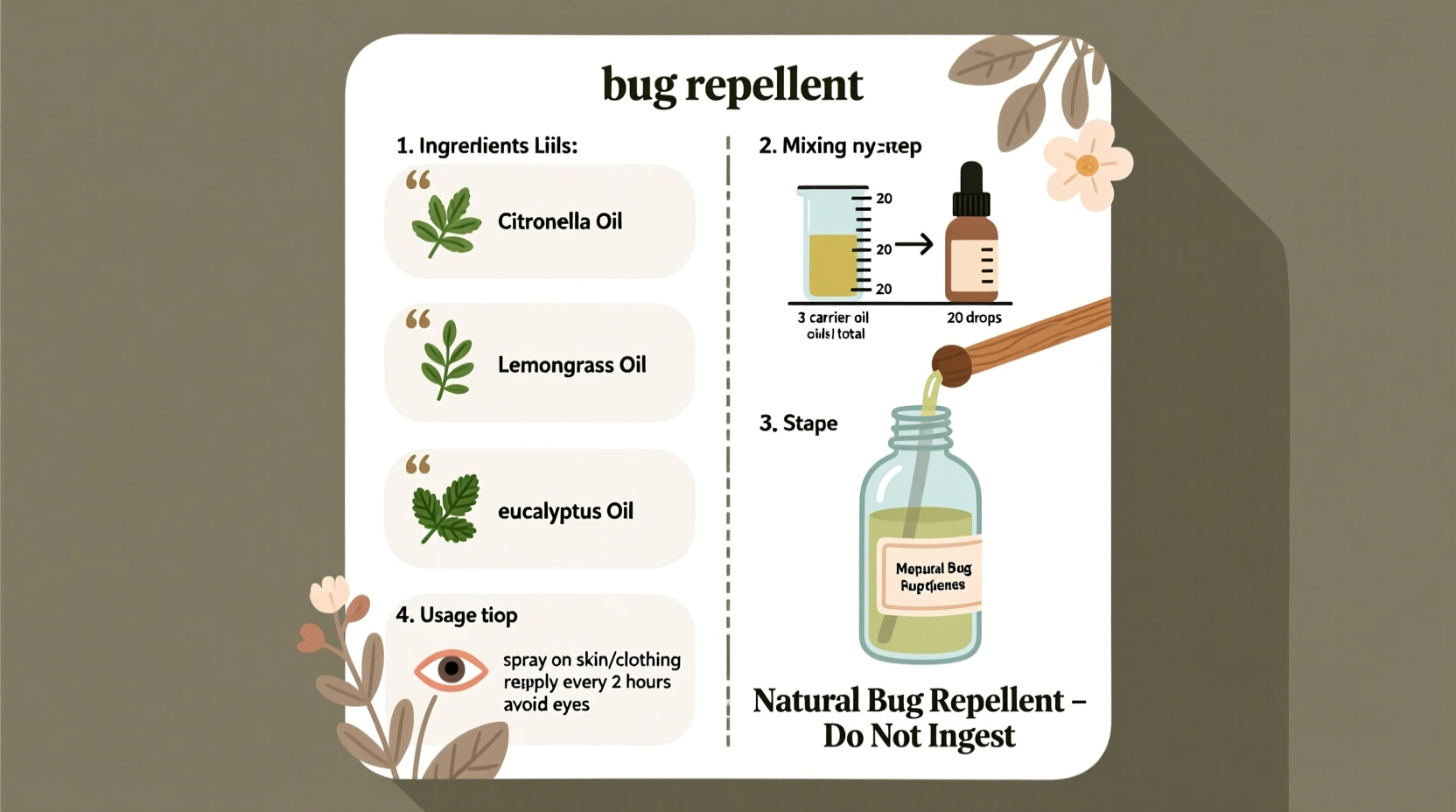
Essential oils have been used for centuries in traditional medicine and aromatherapy, but their role in pest control is backed by modern research. Many essential oils contain volatile compounds that insects find unpleasant or confusing, disrupting their ability to locate hosts. For example, mosquitoes rely heavily on carbon dioxide and body odor to find their targets. Certain aromatic molecules in essential oils mask these signals or irritate the insect’s sensory receptors, making humans less detectable or undesirable.
According to a 2019 review published in the *Journal of Insect Science*, several essential oils—particularly those high in monoterpenes and phenolic compounds—demonstrate significant repellent activity against common biting insects. Among the most effective are citronella, eucalyptus, lavender, peppermint, tea tree, and lemongrass. These oils work best when combined, as different compounds target various insect species and extend the duration of protection.
“Plant-based repellents can offer meaningful protection, especially when formulated correctly. Oils like lemon eucalyptus have even been recognized by the CDC as effective against mosquitoes.” — Dr. Lena Patel, Entomologist and Natural Health Researcher
Choosing the Right Essential Oils for Maximum Effectiveness
Not all essential oils are equally effective at repelling insects. Some offer broad-spectrum protection, while others target specific pests. Below is a breakdown of the top essential oils used in natural repellents and their benefits:
| Essential Oil | Primary Target Pests | Key Benefits | Notes |
|---|---|---|---|
| Citronella | Mosquitoes, flies | Well-known, widely studied | Loses potency quickly; best combined with fixatives |
| Lemon Eucalyptus (OLE) | Mosquitoes, ticks | CDC-approved alternative to DEET | Use only pure oil; avoid synthetic versions |
| Lavender | Mosquitoes, moths, fleas | Soothes skin, calming scent | Natural antiseptic; good for sensitive skin |
| Peppermint | Spiders, ants, mosquitoes | Cooling effect, strong aroma | Avoid near pets; may irritate some skin types |
| Tea Tree | Flies, lice, mites | Antifungal and antibacterial | Powerful disinfectant; dilute well |
| Lemongrass | Mosquitoes, ticks | High citral content | Similar to citronella; long-lasting effect |
Step-by-Step Guide to Making Your Own Natural Bug Spray
Creating your own bug repellent is straightforward and allows full control over ingredients. This recipe yields approximately 4 ounces (120 ml) of spray and uses witch hazel and carrier oil to stabilize the essential oils and support skin absorption.
- Gather Supplies: You’ll need a clean glass spray bottle (plastic can degrade with essential oils), 2 ounces of witch hazel, 2 ounces of distilled water, 1 ounce of carrier oil (such as jojoba, almond, or fractionated coconut oil), and 50–60 drops of essential oils in total.
- Select Your Oil Blend: Combine oils based on desired protection. Example blend: 20 drops citronella, 15 drops lemon eucalyptus, 10 drops lavender, 10 drops peppermint, 5 drops tea tree.
- Mix the Base: Pour witch hazel and carrier oil into the spray bottle first. This helps disperse the essential oils evenly.
- Add Essential Oils: Drop in your chosen essential oils. Secure the lid and shake gently to mix.
- Add Water: Top off with distilled water. Avoid tap water, which may introduce bacteria or minerals.
- Label and Store: Label the bottle with ingredients and date. Store in a cool, dark place. Shake well before each use.
This spray can be applied directly to exposed skin or clothing (test on fabric first). Reapply every 2–3 hours, especially after sweating or swimming. For children under 3, reduce essential oil concentration by half and avoid using peppermint or eucalyptus.
Real-World Application: A Weekend Camping Trip
Sarah, a mother of two from Oregon, was planning a family camping trip in late summer—a peak season for mosquitoes and ticks. Concerned about exposing her kids to chemical sprays, she decided to try a homemade essential oil repellent. She followed the recipe above, adjusting it slightly by omitting peppermint (due to her youngest’s sensitive skin) and increasing lavender for its soothing properties.
She prepared two bottles—one for daily use and one diluted further for her toddler. During the three-day trip, her family applied the spray every morning and after hikes. While other campers reached for conventional sprays, Sarah’s family reported minimal bites. Her daughter did develop a small red spot after sitting near tall grass, but it resolved quickly with tea tree oil. Sarah now makes a fresh batch before every outdoor adventure and shares it with friends who’ve since adopted the practice.
Do’s and Don’ts of Using Natural Bug Repellents
To ensure safety and effectiveness, follow these guidelines when using or making essential oil-based repellents.
| Do’s | Don’ts |
|---|---|
| Do patch test on a small area of skin before widespread use. | Don’t apply undiluted essential oils directly to skin. |
| Do reapply every 2–3 hours for continuous protection. | Don’t use citrus oils (like bergamot) before sun exposure—they increase photosensitivity. |
| Do store in amber or cobalt glass bottles away from sunlight. | Don’t expect 8-hour protection like some DEET products—natural options require more frequent application. |
| Do use a lower concentration for children (25–30 drops per 4 oz). | Don’t use on infants under 6 months old. |
| Do combine with protective clothing and mosquito nets when possible. | Don’t rely solely on natural sprays in high-risk areas for diseases like Zika or Lyme. |
Frequently Asked Questions
Can I use vodka instead of witch hazel?
Yes, high-proof alcohol like organic vodka can replace witch hazel as a dispersant. However, alcohol may dry out the skin more than witch hazel, so consider increasing the carrier oil proportion slightly to maintain moisture balance.
How long does homemade bug spray last?
When stored properly in a cool, dark place, your spray will remain effective for up to 6 months. Over time, essential oils oxidize and lose potency. If the scent weakens significantly or separation becomes difficult to remix, it’s time to make a fresh batch.
Is this safe for pets?
Some essential oils—especially tea tree, eucalyptus, and citrus—are toxic to cats and dogs. Do not use human-formulated sprays on pets. Instead, consult a veterinarian for pet-safe alternatives, such as sprays made with diluted cedarwood or chamomile.
Expanding Beyond Sprays: Other Natural Repellent Forms
Bug sprays aren’t the only way to use essential oils for protection. Depending on your lifestyle and preferences, consider these alternative formats:
- Roll-On Repellents: Ideal for targeted application. Use a 10 ml roller bottle filled with carrier oil and 20–30 drops of essential oils. Great for wrists, neck, and ankles.
- Repellent Wipes: Soak cotton rounds or reusable cloths in your spray solution and store in a sealed container. Convenient for travel or quick touch-ups.
- Diffuser Blends: Use in outdoor patios or screened-in areas. Combine 10 drops citronella, 5 drops lemongrass, and 5 drops lavender in a diffuser to deter flying insects.
- Sachets: Fill small fabric pouches with dried herbs like rosemary, mint, and lavender, then add a few drops of essential oils. Place in drawers, tents, or backpacks to repel moths and bugs.
Checklist: Creating Your First Batch of Natural Bug Repellent
- ☐ Choose a 4-ounce amber glass spray bottle
- ☐ Gather witch hazel and distilled water
- ☐ Select a carrier oil (jojoba, almond, or fractionated coconut oil)
- ☐ Pick 3–5 essential oils based on target pests
- ☐ Measure: 2 oz witch hazel, 1 oz carrier oil, 2 oz water
- ☐ Add 50–60 drops of essential oils (reduce for children)
- ☐ Shake well and label with date and ingredients
- ☐ Perform a patch test on inner arm
- ☐ Store in a cool, dark cabinet
- ☐ Reapply every 2–3 hours during outdoor activity
Final Thoughts: Embracing Nature’s Protection
Switching to a natural bug repellent isn’t just about avoiding chemicals—it’s about aligning daily habits with a healthier, more mindful lifestyle. Essential oils offer a powerful, eco-friendly alternative that works in harmony with your body and environment. While they may require more frequent application than synthetic options, the trade-off is cleaner ingredients, customizable scents, and peace of mind.
Start small: make one batch, test it during a backyard barbecue or garden session, and refine the formula to suit your needs. As you gain confidence, you might expand into creating seasonal blends—lighter citrus-mint mixes for summer days, deeper herbal-cedar versions for fall hikes. The process itself becomes part of a more intentional way of living.




 浙公网安备
33010002000092号
浙公网安备
33010002000092号 浙B2-20120091-4
Comments
No comments yet. Why don't you start the discussion?