
Every day, millions of disposable cotton rounds are used and discarded after a single use. These small items contribute significantly to household waste, especially when they’re made from non-recyclable materials or contaminated with makeup residue. A simple yet powerful alternative is making your own reusable makeup remover pads from soft, washable fabrics. Not only do they reduce environmental impact, but they also save money over time and tend to be gentler on sensitive skin.
Creating your own pads at home doesn’t require advanced sewing skills or expensive tools. With basic supplies and a bit of creativity, you can craft a set that’s both functional and personalized. Whether you're new to DIY beauty products or looking for ways to live more sustainably, this guide walks through everything you need to know—from choosing the right fabric to care instructions and real-world usage tips.
Why Switch to Reusable Makeup Remover Pads?
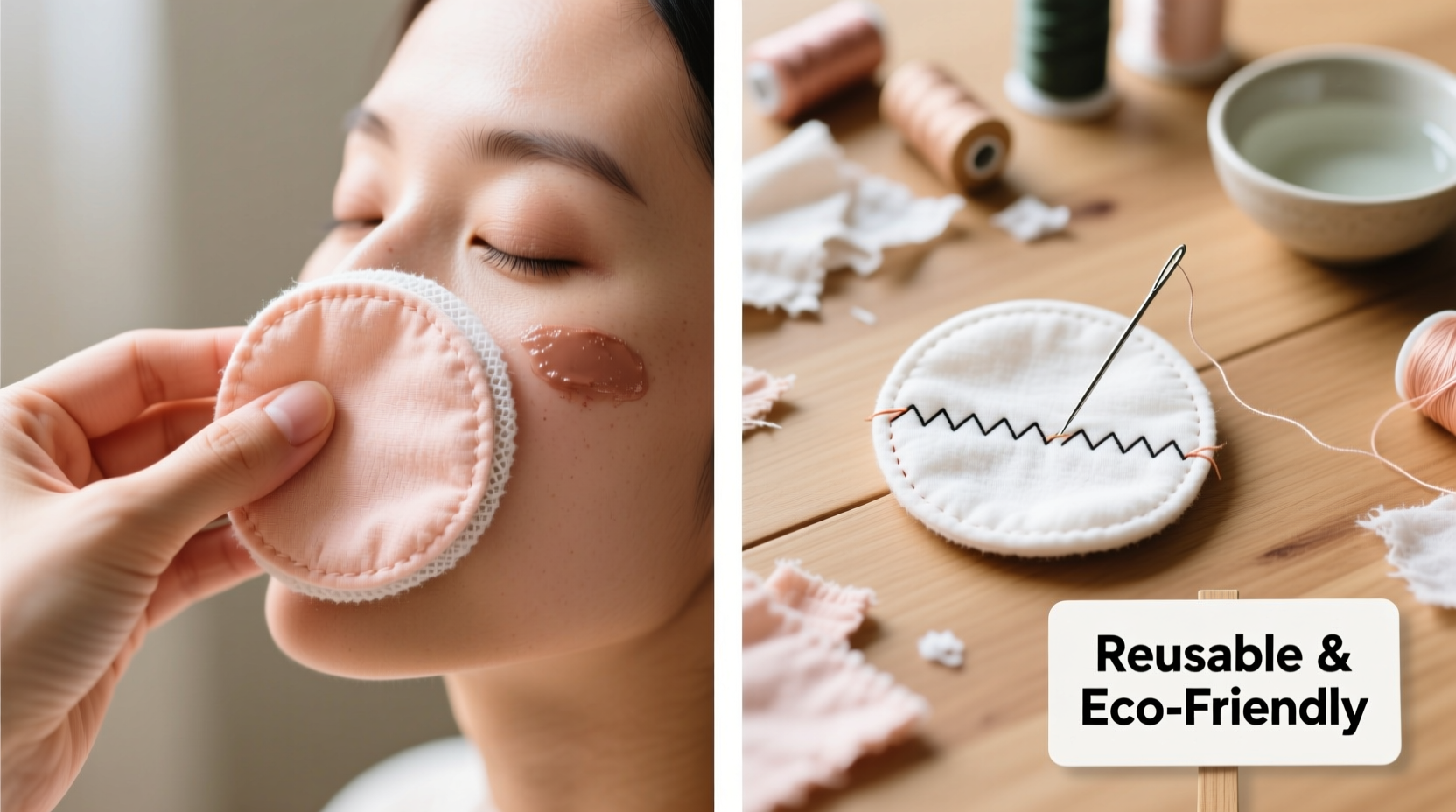
The shift toward reusables in personal care isn't just a trend—it's a practical response to growing concerns about sustainability, health, and long-term costs. Disposable cotton rounds often come in plastic-wrapped packs, aren't biodegradable if blended with synthetics, and may contain chemical residues from processing.
In contrast, handmade reusable pads:
- Reduce waste: One set replaces hundreds of disposables.
- Save money: Initial investment pays off within months.
- Feel softer: High-quality natural fabrics are less abrasive than standard cotton.
- Are customizable: Choose colors, textures, and sizes based on preference.
- Support ethical consumption: You control material sourcing and labor conditions.
“Switching to reusables like cloth pads is one of the easiest zero-waste swaps with immediate impact.” — Dr. Lena Torres, Environmental Health Researcher
Selecting the Right Fabric for Softness and Performance
The effectiveness and comfort of your homemade makeup remover pads depend largely on fabric choice. The ideal material should be absorbent, durable, soft against the skin, and able to withstand frequent washing without breaking down.
Here are the most recommended options:
| Fabric Type | Benefits | Potential Drawbacks | Best For |
|---|---|---|---|
| Organic Cotton Flannel | Extremely soft, highly absorbent, breathable | May pill slightly over time | Sensitive skin, daily use |
| Bamboo Terry | Natural antibacterial properties, ultra-absorbent, eco-friendly | Slightly more expensive | Oily skin, heavy makeup removal |
| Microfiber (Recycled) | Excellent at lifting foundation and mascara, quick-drying | Can feel synthetic; avoid low-quality versions | Travel, deep cleansing |
| Velour (Cotton or Bamboo Blend) | Luxuriously smooth texture, good absorption | Less scrubbing power for stubborn products | Gentle evening routine |
| Waffle Weave Cotton | Textured side helps lift debris, lightweight | May require two sides for full cleaning | Multifunctional use (cleansing + toning) |
Step-by-Step Guide to Making Your Own Pads
With just a few tools and under an hour of time, you can create a full set of reusable pads. Follow this detailed process for consistent, professional-looking results.
- Gather Supplies
- Soft fabric (at least ½ yard to make 10–12 pads)
- Scissors or rotary cutter
- Ruler or quilting square
- Chalk or washable marker
- Sewing machine (or needle for hand-sewing)
- Thread (poly-cotton blend recommended)
- Pins or clips
- Cut Fabric Squares or Circles
Decide on size—most users prefer 3” diameter circles or 3”x3” squares. Use a template (like a jar lid or cardboard cutout) to ensure uniformity. Cut two layers per pad: one top layer (decorative or textured) and one backing (absorbent).
- Align and Pin Layers
Place the two pieces together with right sides facing inward. Secure edges with pins or clips to prevent shifting during sewing.
- Sew Around the Edges
Using a ¼” seam allowance, stitch around the perimeter. Leave a 1.5-inch gap on one side for turning. If making circles, use a smaller zigzag or tight straight stitch to reduce bulk when flipping.
- Turn and Press
Flip the pad right-side out through the opening. Use a blunt tool (like a chopstick) to gently push out corners or curves. Lightly press with an iron on low heat to flatten seams and prepare for final stitching.
- Topstitch for Durability
Sew around the entire edge again, about ⅛” from the border. This closes the gap and reinforces the pad. Topstitching also gives a polished look and prevents layers from separating after repeated washes.
- Repeat and Batch Process
Make multiple pads at once to maximize efficiency. Ten pads is a typical starter set—enough to rotate while others are being washed.
Optional Upgrades
- Add a contrasting trim or embroidery for personalization.
- Create double-sided pads: one terry side for makeup removal, one velour side for toning.
- Use snap buttons to pair pads into matching sets for easier laundry sorting.
Care and Maintenance Tips
To ensure longevity and hygiene, proper care is essential. Unlike disposable rounds, reusable pads must be cleaned regularly to avoid bacterial buildup and odor retention.
Washing Instructions
- After each use, place pads in a ventilated container or wet bag until laundry day.
- Wash every 2–3 days if used daily.
- Use cold or warm water with mild, fragrance-free detergent.
- Avoid fabric softeners—they coat fibers and reduce absorbency.
- Tumble dry on low or air-dry flat to preserve elasticity and shape.
Deep Cleaning Routine
Once a month, soak pads in a mixture of warm water and one tablespoon of baking soda or oxygen bleach for 30 minutes. This removes embedded oils and brightens discoloration from foundation or lipstick.
“Cloth pads maintain their integrity best when washed consistently and not left damp for extended periods.” — Maria Chen, Textile Care Specialist
Real-Life Example: Sarah’s Transition to Zero-Waste Skincare
Sarah, a graphic designer from Portland, started making her own makeup remover pads after learning about microplastics in conventional cotton rounds. She initially bought a pre-made bamboo set but found them too thin and prone to fraying.
Determined to find a better solution, she repurposed leftover flannel from a baby blanket project. Using a mason jar lid as a circular template, she crafted 12 thick, plush pads with pink floral tops and cream backs. She added a tiny topstitched star on each to distinguish the front side.
Now six months in, Sarah reports her skin feels less irritated, and she saves approximately $180 annually compared to buying organic cotton rounds. “They last forever,” she says. “I even made a second batch for my sister as a birthday gift.”
FAQs About Reusable Makeup Remover Pads
Can I use these pads with waterproof makeup?
Yes, but pairing them with an effective oil-based cleanser improves results. Gently press the soaked pad onto eyelids for 10–15 seconds before wiping to loosen stubborn mascara or liner.
How long do homemade pads typically last?
With proper care, most last 1–2 years. Signs it’s time to replace them include thinning fabric, loose threads, or persistent stains despite deep cleaning.
Are these suitable for acne-prone skin?
Absolutely—especially when made from breathable, natural fibers like bamboo or organic cotton. Just ensure they’re washed frequently and never shared between users to prevent cross-contamination.
Checklist: Make & Maintain Your Reusable Pads
- ☐ Choose soft, absorbent fabric (e.g., flannel, bamboo terry)
- ☐ Pre-wash fabric to prevent shrinkage
- ☐ Cut 3” squares or circles (two layers per pad)
- ☐ Sew with ¼” seam allowance, leaving gap for turning
- ☐ Flip, press, then topstitch closed
- ☐ Store used pads in a mesh bag between washes
- ☐ Wash every 2–3 days in mild detergent
- ☐ Deep clean monthly with baking soda soak
- ☐ Replace when fabric becomes thin or frayed
Final Thoughts and Call to Action
Making your own reusable makeup remover pads is more than a craft project—it’s a step toward mindful beauty habits. By investing a small amount of time upfront, you gain a sustainable tool that enhances your skincare routine while reducing waste. The softness of high-quality fabric makes removal feel luxurious rather than abrasive, and knowing exactly what touches your skin adds peace of mind.
Start with a modest batch of eight to ten pads. Experiment with different fabrics and stitching styles. Share your creations with friends or online communities. As demand grows for eco-conscious alternatives, your DIY effort contributes to a larger cultural shift—one gentle swipe at a time.




 浙公网安备
33010002000092号
浙公网安备
33010002000092号 浙B2-20120091-4
Comments
No comments yet. Why don't you start the discussion?