
Betta fish are known for their vibrant colors, flowing fins, and bold personalities. One of the most striking behaviors they display is gill flaring—when they expand their opercula (gill covers) to appear larger and more intimidating. While this behavior can be impressive, it’s not always a sign of health or happiness. In fact, frequent or prolonged flaring often signals underlying stress, territorial instincts, or environmental discomfort. Understanding why your betta flares its gills is essential to providing proper care and ensuring long-term well-being.
The Biology Behind Gill Flaring
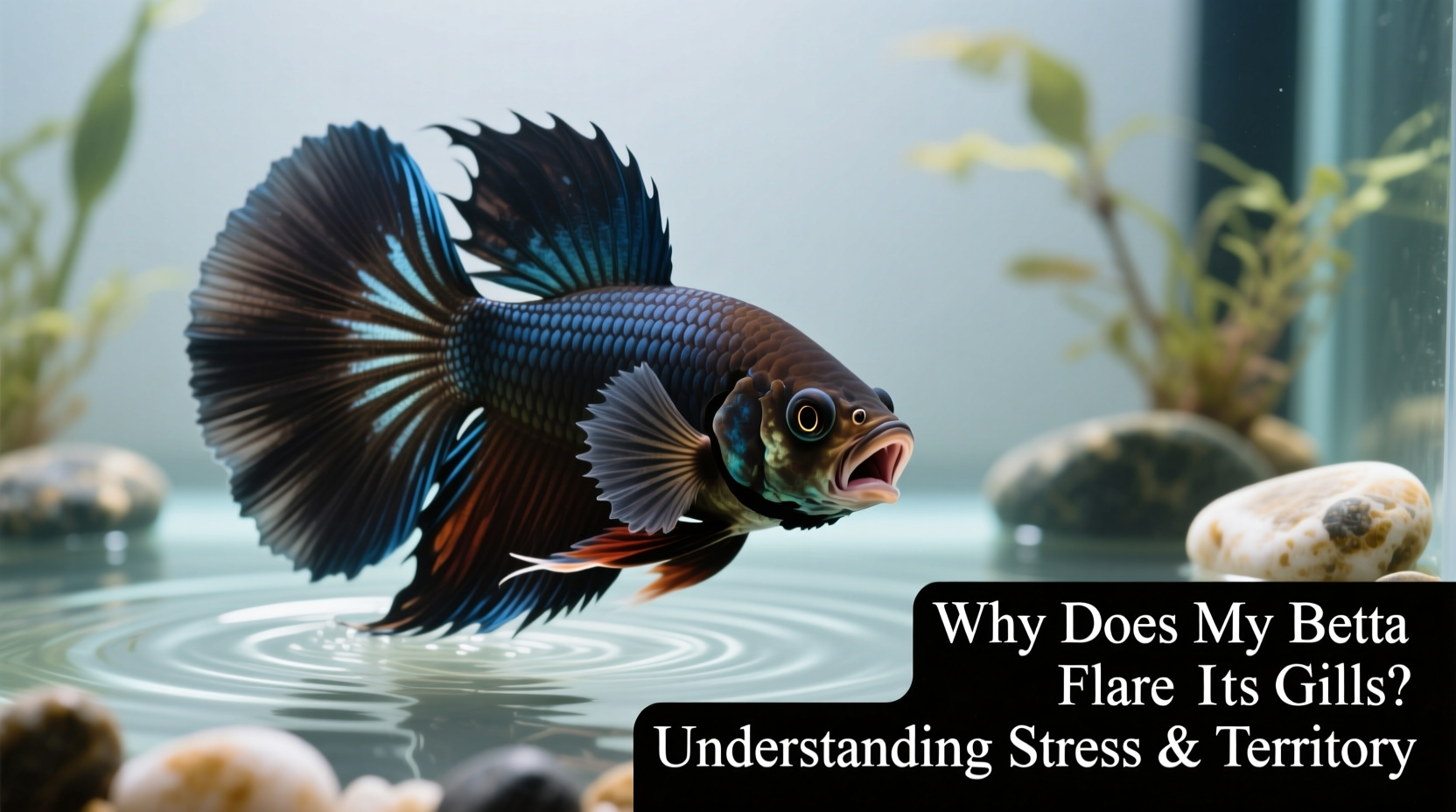
Gill flaring in bettas is a natural physiological response rooted in survival. The operculum, or gill cover, protects the delicate gill filaments used for respiration. When a betta flares, it spreads these covers outward, exposing the darkened gill membranes. This creates the illusion of a larger, more threatening presence—an evolutionary tactic used primarily during confrontations.
Flaring is controlled by the autonomic nervous system and is closely linked to the fish’s emotional state. It occurs in response to stimuli such as visual threats, reflections, sudden movements, or the presence of other fish. While occasional flaring is normal, especially during brief territorial displays, chronic activation of this behavior can lead to physical strain and increased vulnerability to disease.
Interestingly, male bettas are far more prone to flaring than females due to their heightened territorial nature. In the wild, males defend small pockets of water, often among rice paddies or shallow ponds in Southeast Asia. This instinct remains strong in captivity, making them reactive to perceived intrusions—even if the “intruder” is their own reflection.
Stress Triggers That Cause Excessive Flaring
While territory defense is a primary reason for flaring, stress plays a significant role in triggering and prolonging the behavior. Chronic stress suppresses the immune system, reduces appetite, and shortens lifespan. Recognizing the common stressors that provoke flaring helps owners create a calmer, more stable environment.
Poor water quality is one of the leading causes of stress in aquarium fish. Ammonia, nitrite, or fluctuating pH levels irritate gills and skin, prompting defensive behaviors like flaring. Bettas thrive in clean, warm water (78–80°F) with minimal ammonia and nitrite. Regular testing and partial water changes are crucial.
Overstimulation from constant movement near the tank—such as children tapping on the glass, bright overhead lights, or nearby TVs—can keep a betta in a heightened state of alertness. This leads to repeated flaring, which over time becomes exhausting.
Inadequate tank size also contributes to stress. Although bettas can survive in small containers, they do best in tanks of at least 5 gallons. A cramped space amplifies territorial behavior and limits swimming room, increasing frustration and aggression.
Another overlooked factor is lack of hiding places. Without plants, caves, or driftwood, bettas have no refuge from perceived threats. This forces them to remain on high alert, resulting in frequent flaring even when no real danger exists.
Territorial Instincts and Social Behavior
Bettas, particularly males, are naturally solitary and highly territorial. In the wild, males establish dominance through visual displays rather than direct combat whenever possible. Flaring serves as a warning: “This area is mine.” When another male enters the scene—or appears to via reflection—the resident responds with an expanded gill display to assert control without risking injury.
This instinct doesn’t disappear in captivity. Many betta owners unknowingly trigger territorial responses by placing mirrors near the tank or housing multiple males in close proximity (even with dividers). While some use mirrors briefly for exercise, prolonged exposure can cause psychological fatigue.
Females are less aggressive but still exhibit social hierarchies. In community tanks, female bettas (often kept in groups called “sororities”) establish pecking orders through subtle displays, including mild flaring. However, overcrowding or insufficient hiding spots can escalate tensions, leading to excessive flaring and potential harm.
Housing a male betta with other species requires careful consideration. Peaceful, fast-moving bottom dwellers like corydoras or snails are generally safe. But fin-nippers like tetras or overly active fish can provoke defensive flaring. Similarly, brightly colored or long-finned fish may be mistaken for rivals, triggering aggressive posturing.
“Betta flaring is a communication tool—it’s not inherently bad, but when it becomes constant, it’s a red flag for stress or poor tank conditions.” — Dr. Laura Simmons, Aquatic Veterinarian
How to Differentiate Normal vs. Problematic Flaring
Not all flaring is cause for concern. Occasional displays—especially when you approach the tank or during feeding—are part of normal betta behavior. The key is assessing frequency, duration, and context.
A healthy betta will flare briefly, then return to normal activity: swimming, exploring, resting. If flaring lasts several minutes or occurs repeatedly throughout the day, especially in isolation, it may indicate distress.
To help distinguish between healthy and harmful flaring, consider the following checklist:
- Does it flare every time it sees its reflection?
- Is flaring accompanied by rapid breathing or lethargy?
- Has appetite decreased recently?
- Are there signs of fin clamping or color fading?
- Does it flare at inanimate objects or tank decorations?
If you answered yes to two or more, reassess your tank setup and water parameters.
Step-by-Step Guide to Reducing Unnecessary Flaring
Reducing chronic flaring involves addressing both environmental and behavioral factors. Follow this step-by-step approach to promote a calmer, healthier betta:
- Test water parameters weekly. Use a liquid test kit to monitor ammonia, nitrite, nitrate, pH, and temperature. Ideal ranges: 0 ppm ammonia/nitrite, under 20 ppm nitrate, pH 6.5–7.5, temperature 78–80°F.
- Upgrade to a larger tank if necessary. Move your betta to a minimum 5-gallon aquarium with a gentle filter. Avoid strong currents; use a sponge pre-filter to diffuse flow.
- Add live or silk plants and hiding spots. Provide caves, PVC pipes, or botanicals like Indian almond leaves to create secure zones where your betta can retreat.
- Eliminate reflections. Cover outside tank walls with background paper or place the aquarium away from windows and shiny surfaces. Avoid mirrored toys or decorative elements inside the tank.
- Limit mirror exposure. If using a mirror for stimulation, limit sessions to 30–60 seconds once every few days. Never leave a mirror propped against the tank.
- Observe tank mates carefully. Remove any fish that provoke aggression or compete for space. Remember: bettas are not typically social and do best alone.
- Establish a consistent routine. Feed at the same times daily, perform water changes on a schedule, and minimize loud noises or sudden movements near the tank.
Real-Life Example: Calming a Chronically Flaring Betta
Mark, a beginner aquarist, noticed his red crown-tail betta, Zeus, flared constantly—especially in the morning when sunlight hit the tank. The 2.5-gallon bowl had no heater, no filter, and sat on a windowsill. Mark initially thought Zeus was “excited to see him,” but over time, the fish began eating less and spending more time at the bottom.
After researching betta care, Mark upgraded Zeus to a heated 5-gallon tank with a sponge filter, added floating hornwort, and applied a black background to one side. He stopped using a mirror toy he’d placed earlier and began performing weekly 25% water changes.
Within two weeks, Zeus’ flaring decreased significantly. He resumed normal swimming patterns, regained his appetite, and only flared occasionally during feeding—likely out of habit. Mark realized that what he once interpreted as personality was actually a cry for better living conditions.
Do’s and Don’ts of Betta Flaring Management
| Do | Don’t |
|---|---|
| Use brief mirror sessions (under 1 minute) for mental stimulation | Leave mirrors or reflective objects near the tank for hours |
| Provide hiding spots with plants or decorations | Keep the tank completely bare |
| Maintain stable water temperature with a heater | House bettas in unheated bowls or cups |
| Observe flaring in context—note timing and triggers | Assume all flaring means your betta is happy or aggressive |
| Test water regularly and keep nitrates low | Ignore water quality because “betta survived last week” |
Frequently Asked Questions
Is gill flaring harmful to my betta?
Occasional flaring is not harmful and is a natural part of betta behavior. However, chronic flaring due to stress, poor water conditions, or constant threats can lead to exhaustion, weakened immunity, and reduced lifespan. The act itself isn’t damaging, but the underlying causes often are.
Why does my betta flare when I come near the tank?
Your betta may associate your presence with feeding and is displaying excitement. Alternatively, it could perceive your face or hand movements as a threat. If flaring is brief and followed by normal behavior, it’s likely harmless. If it persists after you leave, consider reducing visual stimuli or adjusting your approach routine.
Can female bettas flare too?
Yes, female bettas can and do flare, though usually less dramatically than males. They use flaring during social interactions, especially in sorority setups, to establish hierarchy. Watch for signs of bullying—if one female is constantly targeted, she should be separated.
Conclusion: Observing With Empathy
Understanding why your betta flares its gills goes beyond curiosity—it’s an invitation to observe with empathy. What might look like aggression or pride is often a signal of stress, discomfort, or instinctual response to an environment that doesn’t meet its needs. By tuning into your betta’s behavior, testing water diligently, and designing a thoughtful habitat, you transform flaring from a red flag into an occasional, natural expression.
Bettas are intelligent, sensitive creatures capable of forming bonds with their caregivers. When their basic needs are met, they become more relaxed, colorful, and engaged. Instead of reacting to flaring with amusement, respond with awareness. Your attention today can prevent health issues tomorrow.




 浙公网安备
33010002000092号
浙公网安备
33010002000092号 浙B2-20120091-4
Comments
No comments yet. Why don't you start the discussion?