
The aroma of sizzling meat seasoned with warm, earthy spices wafting from a street-side grill—this is the essence of shawarma. While many rely on store-bought mixes, few realize that crafting your own shawarma spice blend unlocks deeper flavor, better control over ingredients, and the ability to tailor it to personal taste. Commercial blends often contain fillers, excess salt, or preservatives, diluting authenticity. By making your own, you engage directly with centuries-old Middle Eastern culinary traditions, adapting them precisely to your palate and dietary needs. This guide provides everything needed to create, understand, and use a homemade shawarma spice blend with confidence and expertise.
Definition & Overview
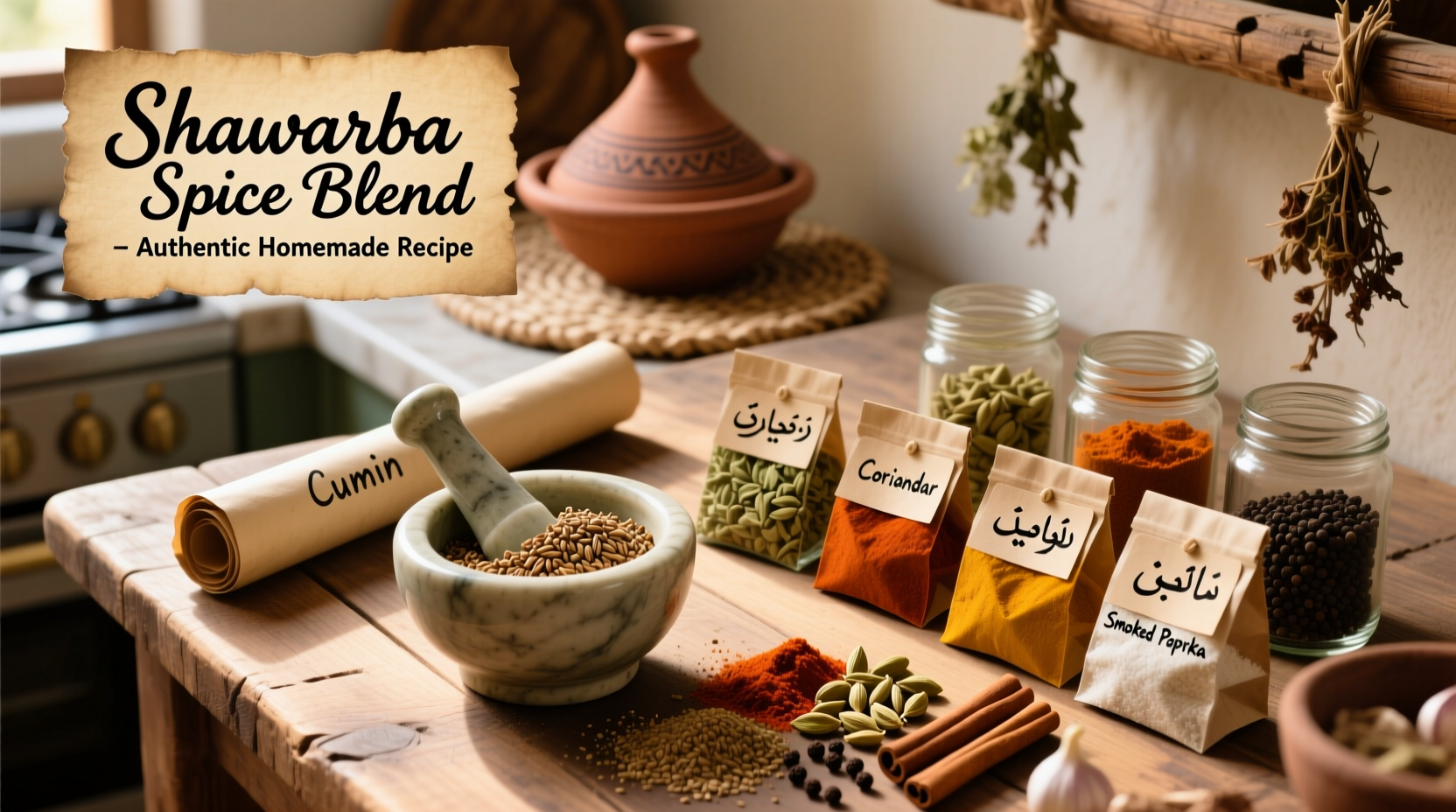
Shawarma spice blend is a fragrant combination of ground spices traditionally used to season meats—most commonly lamb, chicken, or beef—before slow-roasting on a vertical spit. Originating in the Ottoman Empire and now central to Levantine, Egyptian, and broader Middle Eastern cuisines, the blend enhances proteins with warmth, depth, and subtle complexity without overwhelming heat. Unlike fiery rubs or marinades, shawarma seasoning emphasizes aromatic balance: earthiness from cumin, sweetness from cinnamon, and brightness from coriander and cardamom. The result is a layered profile that supports rather than dominates, allowing the natural richness of the meat to shine through.
While regional variations exist—from Beirut to Cairo to Tel Aviv—the core identity of the blend remains consistent: it is not a single dominant spice but a harmonious ensemble. It functions both as a dry rub and a marinade base when combined with oil, lemon juice, yogurt, or garlic. Its versatility extends beyond traditional meat applications; modern cooks use it in roasted vegetables, grain bowls, dips, and even plant-based proteins.
Key Characteristics
| Characteristic | Description |
|---|---|
| Flavor Profile | Warm, earthy, slightly sweet, with citrusy notes and mild peppery warmth |
| Aroma | Richly spiced, inviting—dominated by toasted cumin, cinnamon, and allspice |
| Color | Deep golden to reddish-brown, depending on paprika and turmeric content |
| Heat Level | Mild to moderate (adjustable); not inherently spicy unless cayenne is added |
| Culinary Function | Dry rub, marinade enhancer, flavor base for sauces and stews |
| Shelf Life | 6–8 months in an airtight container away from light and heat |
Core Ingredients & Their Roles
Understanding each component allows for intelligent customization. The following are foundational elements found across most authentic versions:
- Ground Cumin (1 tbsp): Provides earthy warmth and a slightly nutty backbone. Essential for depth and authenticity.
- Ground Coriander (1 tbsp): Offers citrusy, floral top notes that lift heavier spices. Balances cumin’s intensity.
- Paprika (1 tbsp): Adds color and mild sweetness. Smoked paprika can be used sparingly for a charred-grill nuance.
- Ground Cinnamon (1 tsp): Contributes gentle sweetness and warmth. Use true cinnamon (Ceylon) if available for subtlety.
- Ground Allspice (1 tsp): Often called “bahar” in Arabic, it brings clove-like, peppery-sweet complexity reminiscent of jerk seasoning but more restrained.
- Ground Cardamom (½ tsp): Imparts bright, eucalyptus-like fragrance. Green cardamom is preferred; avoid black for this application.
- Ground Turmeric (½ tsp): Lends golden hue and mild bitterness that rounds out sweetness.
- Garlic Powder (½ tsp): Ensures consistent garlic flavor without moisture degradation in storage.
- Onion Powder (½ tsp): Complements garlic with savory umami depth.
- Salt (1 tsp, optional): Enhances overall flavor. Omit if blending will be used in high-sodium preparations.
- Black Pepper (½ tsp): Adds subtle bite and aids digestion of rich meats.
\"The magic of shawarma isn’t in any one spice—it’s in the way they coalesce into something greater than the sum of their parts. Balance is non-negotiable.\" — Chef Leila Nassar, Culinary Instructor at Arabesque Kitchen Institute
Basic Homemade Shawarma Spice Blend Recipe
This standard version yields approximately ¼ cup—enough to season 2–3 pounds of meat.
- In a small bowl, combine 1 tablespoon each of ground cumin, coriander, and paprika.
- Add 1 teaspoon each of ground cinnamon, allspice, and ½ teaspoon each of cardamom, turmeric, garlic powder, onion powder, and black pepper.
- Mix thoroughly using a whisk or fork until uniformly blended.
- Store in an airtight glass jar away from sunlight and moisture.
Pro Tip: For maximum freshness, toast whole spices before grinding. Heat cumin seeds, coriander seeds, cardamom pods, and allspice berries in a dry skillet over medium-low heat for 2–3 minutes until fragrant. Cool completely, then grind using a spice grinder or mortar and pestle. This step deepens flavor significantly and separates amateur from expert results.
Variants & Regional Adaptations
Shawarma seasoning is not monolithic. Cultural preferences and local availability shape distinct profiles. Adapting the base recipe allows for regional authenticity or creative interpretation.
Chicken Shawarma Blend (Levantine Style)
- Increase coriander to 1½ tbsp for brightness.
- Add ¼ tsp ground nutmeg for creaminess—common in Syrian and Lebanese preparations.
- Omit turmeric or reduce to a pinch to preserve pale meat color.
Beef or Lamb Shawarma (Egyptian-Inspired)
- Add ½ tsp dried mint for cool contrast.
- Increase allspice to 1½ tsp for stronger warmth.
- Include ¼ tsp ground cloves for deeper resonance (use sparingly).
Vegetarian/Vegan Adaptation
- Boost smoked paprika to 1½ tsp to mimic grilled meat smokiness.
- Add ½ tsp ground fenugreek for savory, maple-like depth.
- Increase turmeric slightly for visual appeal in tofu or cauliflower steaks.
Spicy Red Shawarma (Gulf Variation)
- Add ½–1 tsp cayenne pepper or crushed red pepper flakes.
- Increase paprika to 1½ tbsp for amplified heat and color.
- Optional: Add a pinch of ground mace for floral heat.
Comparison with Similar Spice Blends
Shawarma seasoning is frequently confused with other Middle Eastern or Mediterranean blends. Understanding distinctions prevents misuse and expands culinary precision.
| Blend | Key Differences | When to Use |
|---|---|---|
| Curry Powder | Contains more turmeric (giving yellow color), often includes ginger and mustard; Indian origin with different balance. | For curries, lentils, or coconut-based dishes—not suitable for shawarma. |
| Herbes de Provence | Lavender-forward, herb-dominant (thyme, rosemary); French, not Middle Eastern. | Roasted chicken or vegetables needing floral-herbal notes. |
| Chinese Five-Spice | Star anise dominant, licorice-like; Chinese in origin. | Duck, pork, stir-fries—wholly different flavor universe. |
| Za’atar | Thyme, sumac, sesame seeds; tangy and herbal, not warm or sweet. | Flatbreads, labneh, olive oil dips—distinct category. |
| Advieh (Persian Blend) | Often includes rose petals, more cinnamon; floral and perfumed. | Rice dishes like tahdig; can substitute partially but lacks cumin depth. |
Practical Usage: How to Apply Shawarma Spice Blend
A spice blend is only as good as its application. Proper technique ensures flavor penetration and optimal texture.
As a Dry Rub
Coat 1–1.5 pounds of meat (chicken thighs, beef sirloin, lamb shoulder) evenly with 1–2 tablespoons of the blend. Press gently to adhere. Let rest for at least 30 minutes at room temperature before cooking. Ideal for grilling, pan-searing, or air-frying.
As a Marinade Base
Combine 2 tablespoons spice blend with ¼ cup olive oil, 2 tablespoons lemon juice or yogurt, 2 minced garlic cloves, and 1 tablespoon water. Marinate protein for 4–12 hours refrigerated. Yogurt-based marinades tenderize chicken exceptionally well.
For Vegetables & Plant Proteins
Toss cubed potatoes, cauliflower, chickpeas, or pressed tofu with 1–2 teaspoons of blend and olive oil. Roast at 400°F (200°C) for 25–35 minutes until caramelized. Excellent in grain bowls or wraps.
In Sauces & Dips
Stir ½–1 teaspoon into tahini sauce, Greek yogurt, or mayonnaise for instant shawarma-flavored condiment. Adjust with lemon juice and garlic to taste.
With Grains & Legumes
Toast ½ teaspoon in oil before adding rice or bulgur for pilaf. Or mix into cooked lentils for spiced salad bases.
Marinating Time Guide:
• Chicken: 4–12 hours (yogurt marinade)
• Beef/Lamb: 2–8 hours
• Tofu/Tempeh: 1–4 hours
• Vegetables: 30 minutes–1 hour (longer may cause breakdown)
Storage, Shelf Life & Quality Control
Homemade spice blends degrade faster than commercial ones due to absence of anti-caking agents and preservatives. To maximize potency:
- Use amber or cobalt glass jars with tight seals.
- Store in a cool, dark cupboard—never above the stove or near the dishwasher.
- Label with date of creation.
- Grind in small batches (¼ to ½ cup) to ensure freshness.
Shelf life is typically 6 months. After that, volatile oils diminish, resulting in muted aroma and flavor. Test potency by rubbing a small amount between fingers and inhaling. If scent is faint, it’s time to refresh the blend.
Substitutions & Flexibility
No pantry has every spice on hand. Intelligent substitutions maintain integrity without compromising outcome.
- No coriander? Use equal parts cumin plus a squeeze of lemon zest in the final dish.
- No allspice? Combine equal parts ground cloves, cinnamon, and nutmeg (1:1:1 ratio).
- No cardamom? Substitute a pinch of ginger plus a few drops of orange extract (sparingly).
- No paprika? Use a blend of sweet red bell pepper powder (dehydrated) or omit and increase turmeric slightly for color.
\"Flexibility is part of tradition. Grandmothers in Aleppo didn’t measure—they adjusted based on what was available. The goal is harmony, not rigidity.\" — Dr. Amal Farid, Food Anthropologist, American University of Beirut
Common Mistakes to Avoid
- Over-salting: Many blends include salt, but it’s better added during cooking to control sodium levels.
- Using old spices: Ground spices lose potency within 6–12 months. Check dates and smell before use.
- Uneven mixing: Clumping leads to inconsistent flavor. Sift or whisk thoroughly.
- Applying to wet surfaces: Pat meat dry before rubbing to ensure adhesion and proper searing.
- Over-marinating delicate proteins: Acidic marinades (lemon/yogurt) can turn chicken mushy beyond 12 hours.
Practical Tips & FAQs
Can I use this blend for vegetarian dishes?
Absolutely. The blend excels with roasted vegetables, falafel, hummus enhancement, or spiced lentil loaves. Increase smoked paprika or add a touch of liquid smoke for meatless depth.
Is shawarma spice blend gluten-free?
Yes, provided all individual spices are certified gluten-free. Some commercial brands may process in facilities with wheat, so verify labels if cross-contamination is a concern.
Can I double or triple the batch?
Yes, but ensure thorough mixing. Store in smaller containers to minimize air exposure upon opening.
What’s the best oil to pair with the blend?
Extra virgin olive oil is ideal for marinades and roasting. For high-heat grilling, use avocado oil to prevent burning while carrying flavor.
How do restaurants achieve such intense flavor?
Commercial shawarma uses continuous vertical rotisseries where layers of meat baste each other over hours. At home, layering—stacking seasoned meat with fat (like lamb tail) or marbling—and slow-cooking in a covered skillet mimics this effect.
Can I freeze the spice blend?
Not recommended. Freezing introduces moisture, which degrades powdered spices and encourages clumping. Store in a dry, dark place instead.
Summary & Key Takeaways
Creating your own shawarma spice blend is a simple act with profound culinary implications. It shifts control from manufacturers to the cook, enabling customization, freshness, and authenticity. The blend’s foundation—cumin, coriander, paprika, cinnamon, allspice, and cardamom—forms a balanced profile of warmth, sweetness, and earthiness, adaptable to chicken, beef, lamb, vegetables, and plant-based alternatives.
Key advantages include eliminating additives, adjusting heat and salt, and tailoring flavors to regional styles. When applied correctly—as a dry rub, marinade base, or seasoning agent—it elevates everyday proteins into restaurant-quality meals. Proper storage ensures longevity, while understanding substitutions maintains flexibility.
Ultimately, mastering this blend is not just about replicating a flavor—it’s about connecting with a living culinary tradition. Each adjustment reflects personal taste and cultural context, turning a simple jar of spices into a signature expression of home cooking excellence.
Try making a batch this week. Use it in a chicken wrap, roasted sweet potatoes, or spiced lentil soup. Notice how a few grams of thoughtfully combined spices can transform the ordinary into the exceptional. Then experiment: adjust ratios, toast your own spices, or adapt for dietary needs. Your perfect shawarma blend awaits.




 浙公网安备
33010002000092号
浙公网安备
33010002000092号 浙B2-20120091-4
Comments
No comments yet. Why don't you start the discussion?