
Perfume is more than a scent—it's an extension of identity, a subtle signature that lingers in memory. Yet nothing diminishes the experience faster than a fragrance that vanishes within an hour. While high-end perfumes often promise longevity, even the most luxurious scents can fade quickly depending on skin chemistry, application method, and environmental factors. The good news? You don’t need expensive primers or specialty lotions to extend your fragrance’s lifespan. With a few smart, science-backed household tricks, you can dramatically improve how long your perfume lasts—using items already in your kitchen, bathroom, or linen closet.
Understanding Why Perfume Fades
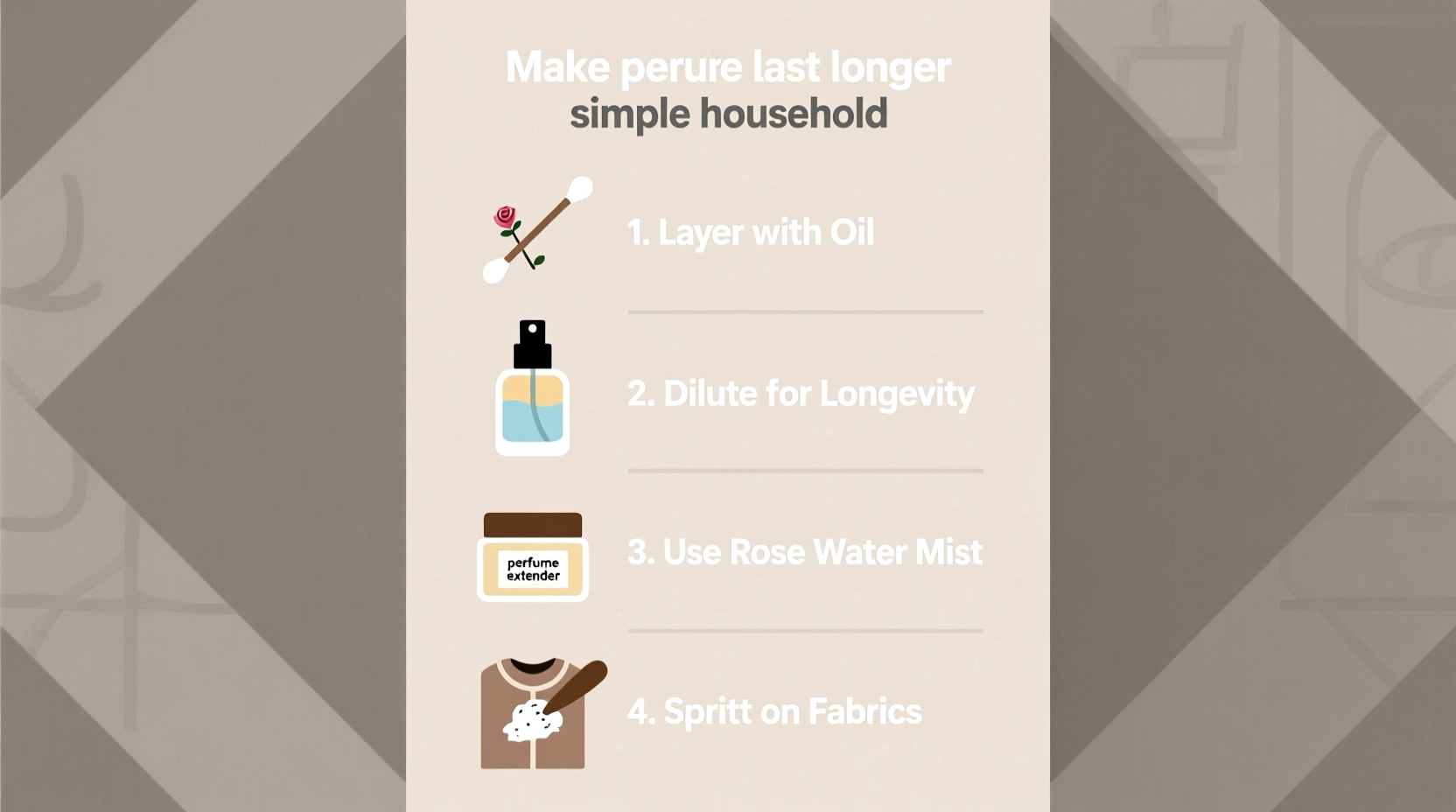
Before diving into solutions, it helps to understand why perfume doesn’t always last as expected. Fragrance longevity depends on several interrelated factors: skin type, pH levels, hydration, body temperature, and the concentration of aromatic compounds (e.g., eau de parfum vs. eau de toilette). Oily skin tends to hold scent longer because oils bind with fragrance molecules, while dry skin lacks this natural retention. Sweat, humidity, and exposure to UV rays also accelerate evaporation.
But beyond biology, the way you apply perfume plays a crucial role. Spraying once on the wrist and walking away is not enough. Most people under-apply or misapply, targeting areas that don’t optimize scent projection or endurance. The key is layering, anchoring, and protecting the fragrance using everyday materials already at your disposal.
“Fragrance longevity isn’t just about the juice in the bottle—it’s about preparation, placement, and preservation.” — Lena Moretti, Cosmetic Chemist & Scent Formulator
5 Proven Household Tricks to Extend Perfume Life
1. Moisturize with Natural Oils Before Applying
Dry skin is fragrance’s worst enemy. Without a hydrating base, alcohol-based perfumes evaporate rapidly. Instead of reaching for branded moisturizers, use what you likely already have: coconut oil, almond oil, shea butter, or even plain petroleum jelly.
These dense, oily substances create a sticky surface that traps fragrance molecules, slowing their release into the air. Apply a small amount to pulse points—wrists, neck, behind ears—before spraying. Let it absorb slightly (about 30 seconds), then mist your perfume. The oil acts like a sponge, soaking up volatile top notes and releasing them gradually.
2. Use Unscented Lotion as a Scent Base
If oils feel too heavy, switch to an unscented body lotion. Unlike perfumed creams—which can clash with your fragrance—plain lotions provide hydration without altering the scent profile. Apply generously after showering when pores are open and skin is most absorbent.
The principle is simple: hydrated skin holds onto fragrance longer. A 2020 study published in the Journal of Cosmetic Science found that participants who applied fragrance over moisturized skin experienced up to 60% longer scent detection compared to those who applied it on dry skin.
3. Dampen Skin Slightly Before Spraying
This counterintuitive trick leverages basic chemistry. Water molecules help dissolve and disperse fragrance compounds, allowing them to bind more effectively with the skin. Lightly mist your wrists and neck with water from a spray bottle—or run them under cool tap water and pat dry—before applying perfume.
The dampness creates a temporary film that slows alcohol evaporation, giving the scent time to adhere. Avoid over-wetting; just a light sheen is enough. This method works especially well in dry climates where air saps moisture from the skin.
4. Store Perfume in a Cool, Dark Place
Heat, light, and oxygen degrade fragrance compounds over time. A perfume stored on a sunny bathroom counter may lose potency within months, even if unopened. To preserve its integrity—and ensure every spritz performs optimally—store bottles in a dark cabinet, drawer, or even the refrigerator.
Cool temperatures slow molecular breakdown. While refrigeration might seem extreme, many perfumers recommend it for preserving delicate florals and citrus-based scents. Just be sure the cap is tightly sealed to prevent contamination from food odors.
5. Layer with Matching or Complementary Scents
You don’t need a matching body wash to layer your fragrance. Get creative with household items that share similar olfactory families. For example:
- If your perfume has vanilla or amber notes, rub a tiny bit of vanilla extract (pure, not imitation) on your inner elbows before spraying.
- For citrus-forward fragrances, lightly wipe skin with a lemon or orange peel (avoid direct sunlight after, as citrus can cause photosensitivity).
- Woody or musky perfumes pair well with a dab of unscented hair conditioner containing sandalwood or cedar (check ingredients).
This technique builds a scent “pyramid” that unfolds gradually. The base note from the household item anchors the fragrance, preventing it from fading abruptly.
Step-by-Step Routine for Maximum Longevity
Follow this five-minute ritual each morning to ensure your perfume lasts from dawn to dusk:
- Shower with warm (not hot) water – Opens pores and removes excess sebum without stripping natural oils.
- Pat skin dry, leaving it slightly damp – Retains moisture for better absorption.
- Apply unscented lotion or natural oil – Focus on pulse points: wrists, neck, décolletage, behind knees.
- Mist skin lightly with water – Enhances adhesion of fragrance molecules.
- Spray perfume from 6–8 inches away – Aim for multiple pulse points, not just wrists. Let it settle naturally—don’t rub.
- Optional: Reapply to clothing – Spray the inside of your collar or scarf (test for staining first).
This sequence maximizes skin compatibility, minimizes evaporation, and ensures consistent projection throughout the day.
Do’s and Don’ts: Common Mistakes That Kill Fragrance Life
| Do | Don’t |
|---|---|
| Store perfume in a cool, dark place | Leave bottles in direct sunlight or humid bathrooms |
| Apply to hydrated or oiled skin | Apply to dry, flaky skin |
| Spray on clothes made of natural fibers | Spray on silk or delicate fabrics without testing |
| Use unscented base layers | Mix multiple scented lotions or deodorants |
| Refrigerate spare bottles | Expose perfume to extreme temperature changes |
Real Example: How Sarah Doubled Her Perfume’s Wear Time
Sarah, a 34-year-old teacher from Portland, loved her floral-woody perfume but was frustrated it disappeared by mid-morning. She wasn’t willing to spend extra on niche brands or layering products. After reading about oil-based anchoring, she tried rubbing a pea-sized amount of almond oil on her wrists and neck before spraying.
Within days, she noticed a dramatic difference. Classmates began commenting, “You smell amazing—did you just put that on?” even at 3 PM. Encouraged, she added a second step: lightly misting her scarf with the same fragrance. Now, her scent lasts all day, and she re-applies only once, if at all. Total cost of the solution: $0, since she already had almond oil for cooking.
“It felt like a magic trick,” she said. “I didn’t change my perfume—I changed how I used it.”
Checklist: Daily Habits for Lasting Fragrance
Keep this checklist handy until the routine becomes second nature:
- ☑ Shower using lukewarm water
- ☑ Pat skin dry, leave slightly damp
- ☑ Apply unscented lotion or natural oil to pulse points
- ☑ Lightly mist skin with water
- ☑ Spray perfume from a short distance—don’t rub
- ☑ Consider applying to clothing (inside collar, scarf)
- ☑ Store perfume away from heat and light
- ☑ Carry a travel decant for touch-ups (if needed)
Frequently Asked Questions
Can I use baby oil as a base for perfume?
Yes, baby oil is an excellent option. It’s lightweight, odorless, and widely available. Most baby oils are mineral-based, which means they don’t go rancid like plant oils. Apply a small amount to pulse points before spraying your fragrance for extended wear.
Why does my perfume last longer on clothes than on skin?
Fabric fibers trap scent molecules more effectively than skin, especially natural materials like cotton, wool, and linen. Unlike skin, clothes don’t produce sweat or oils that break down fragrance. However, always test on an inconspicuous area first—perfume can stain light-colored or delicate fabrics.
Is it safe to store perfume in the fridge?
Yes, for most perfumes. Refrigeration slows oxidation and preserves volatile top notes. Use a dedicated container to avoid cross-contamination with food odors. Bring the bottle to room temperature before use to ensure proper spray dispersion.
Final Thoughts: Small Changes, Big Results
Extending your perfume’s lifespan doesn’t require luxury products or complicated rituals. The most effective strategies are rooted in simple chemistry and everyday habits. By preparing your skin, choosing the right application method, and storing your fragrance properly, you unlock the full potential of every bottle.
What makes these household tricks so powerful is their accessibility. You don’t need to buy anything new—just rethink how you use what you already have. Whether it’s a drop of coconut oil, a splash of water, or a cool storage spot, these micro-adjustments compound into lasting results.




 浙公网安备
33010002000092号
浙公网安备
33010002000092号 浙B2-20120091-4
Comments
No comments yet. Why don't you start the discussion?