
Perfume has the power to define a moment, elevate confidence, or leave a lasting impression. Yet, nothing is more frustrating than applying your favorite fragrance in the morning only to find it has faded by midday. While some believe longevity is solely determined by price or concentration, the truth is that how you wear your scent plays an equally important role. One of the most effective—and often overlooked—methods for extending your perfume’s lifespan is strategic layering. By combining complementary scented products in a deliberate sequence, you can anchor volatile top notes and amplify the depth of your fragrance, allowing it to evolve beautifully over time.
Layering isn’t just for fashion; it’s a sensory strategy used by perfumers and fragrance enthusiasts alike. When done correctly, it transforms a fleeting aroma into a personal olfactory signature that lingers from sunrise to evening. This guide breaks down practical, science-backed layering techniques anyone can use—without requiring expensive product lines or complicated rituals.
Understanding Fragrance Longevity: Why Perfumes Fade
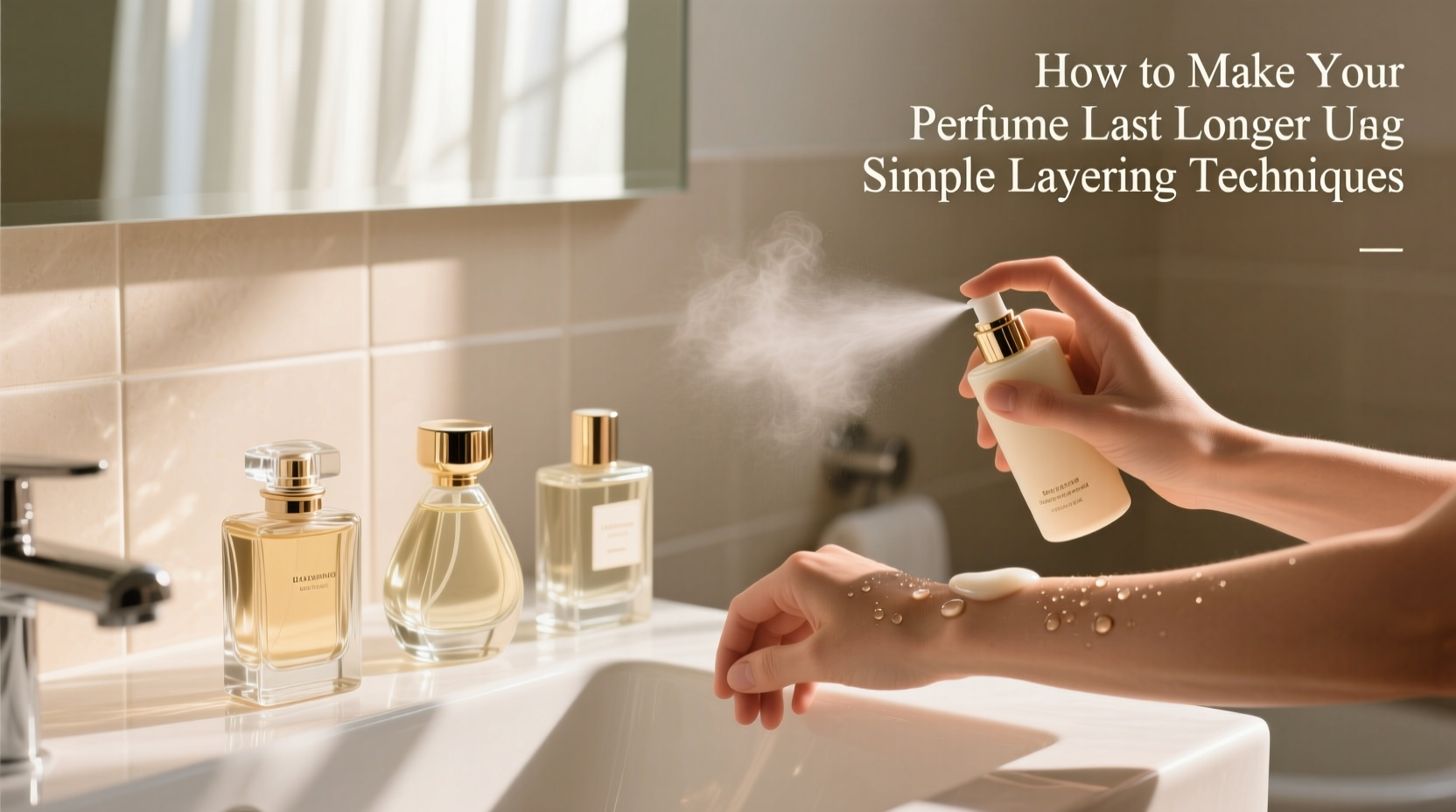
Fragrances are composed of volatile aromatic compounds that evaporate at different rates. These are categorized into three phases: top, middle (heart), and base notes. Top notes—like citrus, bergamot, or green accords—are the first impressions but typically dissipate within 15–30 minutes. Heart notes emerge next, forming the core character of the scent, lasting 2–4 hours. Base notes—such as sandalwood, vanilla, amber, or musk—are the slowest to develop but provide the longest-lasting foundation, sometimes lingering up to 8–12 hours on skin.
The rate at which these notes fade depends on several factors:
- Skin chemistry: pH levels, oil production, and moisture content affect how fragrances interact with your body.
- Humidity and temperature: Warm, humid environments accelerate evaporation, while dry air may mute scent projection.
- Fragrance concentration: Eau de Parfum (15–20% oil) lasts longer than Eau de Toilette (5–15%).
- Application method: Spraying on clothes vs. pulse points yields different results.
However, even the most concentrated perfume will fade prematurely without proper support. That’s where layering comes in—not as a luxury trick, but as a functional approach to enhancing molecular adherence and scent retention.
The Science Behind Scent Layering
Layering works because it creates a “scent reservoir” on the skin. Instead of relying solely on alcohol-based sprays that evaporate quickly, you build multiple aromatic layers using products with varying absorption rates. Moisturizers, body oils, and unscented lotions act as fixatives—they contain emollients like shea butter or jojoba oil that bind fragrance molecules and slow their release.
According to Dr. Anika Patel, a cosmetic chemist specializing in fragrance formulation:
“Oily bases increase the residence time of fragrance compounds on the skin. When you layer a scented balm under a spray, you’re essentially creating a diffusion barrier that controls how fast the aroma escapes.” — Dr. Anika Patel, Cosmetic Chemist
This principle mirrors how fine perfumes were traditionally worn in ancient cultures—where aromatic oils were massaged into skin before lighter mists were applied. Modern layering revives this practice with accessible products and intentional sequencing.
Step-by-Step Guide to Effective Fragrance Layering
Follow this five-step routine to maximize your perfume’s staying power. The process takes less than two minutes and integrates seamlessly into your daily hygiene regimen.
- Start with a neutral or matching scented shower gel. Use a cleanser that either matches your target fragrance family (e.g., woody, floral) or is unscented to avoid clashing. Cleansing opens pores and removes sebum buildup, creating a clean canvas.
- Apply a hydrating, unscented body lotion or cream. Focus on pulse points: wrists, inner elbows, neck, and behind ears. Hydrated skin holds scent better than dry skin. If available, opt for a thick cream with natural oils (like almond or coconut).
- Use a matching scented body balm or oil (optional but powerful). This is the core of layering. Dab a small amount of a concentrated, oil-based version of your fragrance—such as a perfume oil, solid balm, or matching body oil—onto key pulse points. These areas generate heat, helping diffuse the scent gradually.
- Spray your eau de parfum or toilette from 6–8 inches away. Target the same pulse points, but avoid rubbing your wrists together—this breaks down molecules and accelerates evaporation.
- Finish with a light mist on clothing or hair (if appropriate). Natural fibers like cotton, wool, and silk absorb fragrance well and release it slowly. Avoid synthetic fabrics that may react poorly or stain.
This sequence ensures that each layer supports the next: the moisturizer anchors the oil, which in turn stabilizes the spray. As the day progresses, the fragrance doesn't vanish—it transforms.
Choosing Compatible Products for Layering
Not all products work well together. To avoid olfactory clashes or diminished performance, follow these guidelines when selecting items for your layering stack.
| Product Type | Best For Layering? | Why / Why Not |
|---|---|---|
| Unscented Lotion | ✅ Yes | Provides hydration without competing aromas; ideal base layer. |
| Scented Body Wash (same fragrance line) | ✅ Yes | Reinforces scent theme; subtle background trail. |
| Perfume Oil (concentrated) | ✅ Yes | Long-lasting, skin-adherent; excellent middle layer. |
| Eau de Toilette | ⚠️ Conditional | Lower oil content fades faster; best paired with richer bases. |
| Different Fragrance Family (e.g., floral + gourmand) | ❌ No | Mixing unrelated scents causes dissonance and muddy notes. |
| Alcohol-heavy Room Sprays | ❌ No | Not designed for skin; may irritate or disrupt layers. |
When possible, choose products from the same fragrance collection—brands like Jo Malone, Diptyque, and Le Labo often offer coordinated body creams, shower gels, and oils designed specifically for layering. However, if those aren’t available, a high-quality unscented moisturizer combined with your existing perfume can still yield dramatic improvements in longevity.
Real Example: A Day in the Life of Layered Scent
Consider Maria, a project manager who commutes via subway and spends long days in back-to-back meetings. She loves her niche floral-woody perfume but noticed it disappeared by lunchtime. After learning about layering, she adjusted her routine:
- Morning shower with a gentle, unscented wash.
- Applied a rich shea butter lotion to damp skin.
- Dabbed a drop of sandalwood-infused perfume oil on her wrists and neck.
- Sprayed her favorite eau de parfum directly over the oiled areas.
- Lightly misted her scarf before leaving.
The result? Her fragrance remained perceptible through four meetings, a gym session, and dinner with friends. Colleagues commented on her “soft, warm scent,” and she didn’t feel the need to reapply once. The layered approach didn’t make the perfume stronger—it made it last smarter.
Common Layering Mistakes to Avoid
Even with good intentions, incorrect layering can shorten scent life or create unpleasant blends. Watch out for these pitfalls:
- Rubbing wrists together after spraying: This friction generates heat and breaks down delicate top notes.
- Using heavily scented lotions from different brands: Clashing accords create a confusing aroma profile.
- Overloading on product: Too much oil or spray overwhelms the senses and may cause headaches.
- Skipping moisturization: Dry skin absorbs fragrance too quickly, leading to rapid dissipation.
- Storing perfume improperly: Heat and sunlight degrade fragrance compounds, weakening all layers over time.
“Layering isn’t about quantity—it’s about synergy. One well-placed drop of oil can do more than three sprays on dry skin.” — Julien Moreau, Master Perfumer, Grasse Institute
Fragrance Layering Checklist
Use this checklist each morning to ensure optimal scent performance:
- ☐ Shower using a neutral or complementary scented wash
- ☐ Pat skin dry, leaving slight dampness
- ☐ Apply unscented or matching body lotion to pulse zones
- ☐ Dab a small amount of perfume oil or solid balm on wrists, neck, décolletage
- ☐ Spray perfume from a short distance onto skin (don’t rub)
- ☐ Optional: Mist hairbrush or natural-fiber clothing lightly
- ☐ Store remaining products in a cool, dark place
FAQ: Your Layering Questions Answered
Can I layer different perfume brands or scents?
Yes—but with caution. Intentional blending (like pairing a citrus top with a musky base) can create unique signatures. However, random mixing often leads to olfactory confusion. If experimenting, start with one dominant scent and add subtle supporting notes. Always test during low-stakes moments.
Does layering work for all skin types?
It works for everyone, but results vary. Oily skin naturally retains fragrance longer due to lipid content, while dry skin benefits significantly from moisturizing layers. Sensitive skin should patch-test scented oils to avoid irritation.
How often should I reapply when layering?
With proper layering, most users find they don’t need to reapply for 6–8 hours. If desired, a single spritz on clothes (not skin) midway through the day can refresh the aura without overwhelming.
Final Thoughts: Make Your Scent Stay, Not Just Spray
Perfume is more than a finishing touch—it’s an extension of identity. But its impact shouldn’t vanish before noon. By embracing simple layering techniques, you take control of your fragrance’s journey. You’re no longer dependent on chance or concentration alone. Instead, you craft a deliberate, enduring presence grounded in chemistry and care.
You don’t need a full vanity of matching products to begin. Start tonight: after your shower, apply your usual moisturizer, then dab a bit of your perfume onto your wrist and let it sink in. Tomorrow, notice the difference. Small changes compound into remarkable results.




 浙公网安备
33010002000092号
浙公网安备
33010002000092号 浙B2-20120091-4
Comments
No comments yet. Why don't you start the discussion?