
Fragrance is more than a scent—it’s an extension of identity, mood, and presence. Yet few experiences are more frustrating than applying your favorite perfume in the morning only to find it has vanished by midday. The good news: longevity isn’t just about the quality of the fragrance. It’s shaped by how you apply it, what you apply it on, and how you build your scent profile throughout the day. With the right layering strategy and mindful application techniques, even lighter eau de toilettes can linger well into the evening. This guide breaks down the science and artistry behind lasting fragrance, offering actionable steps to keep your scent alive from dawn to dusk.
Understanding Fragrance Longevity
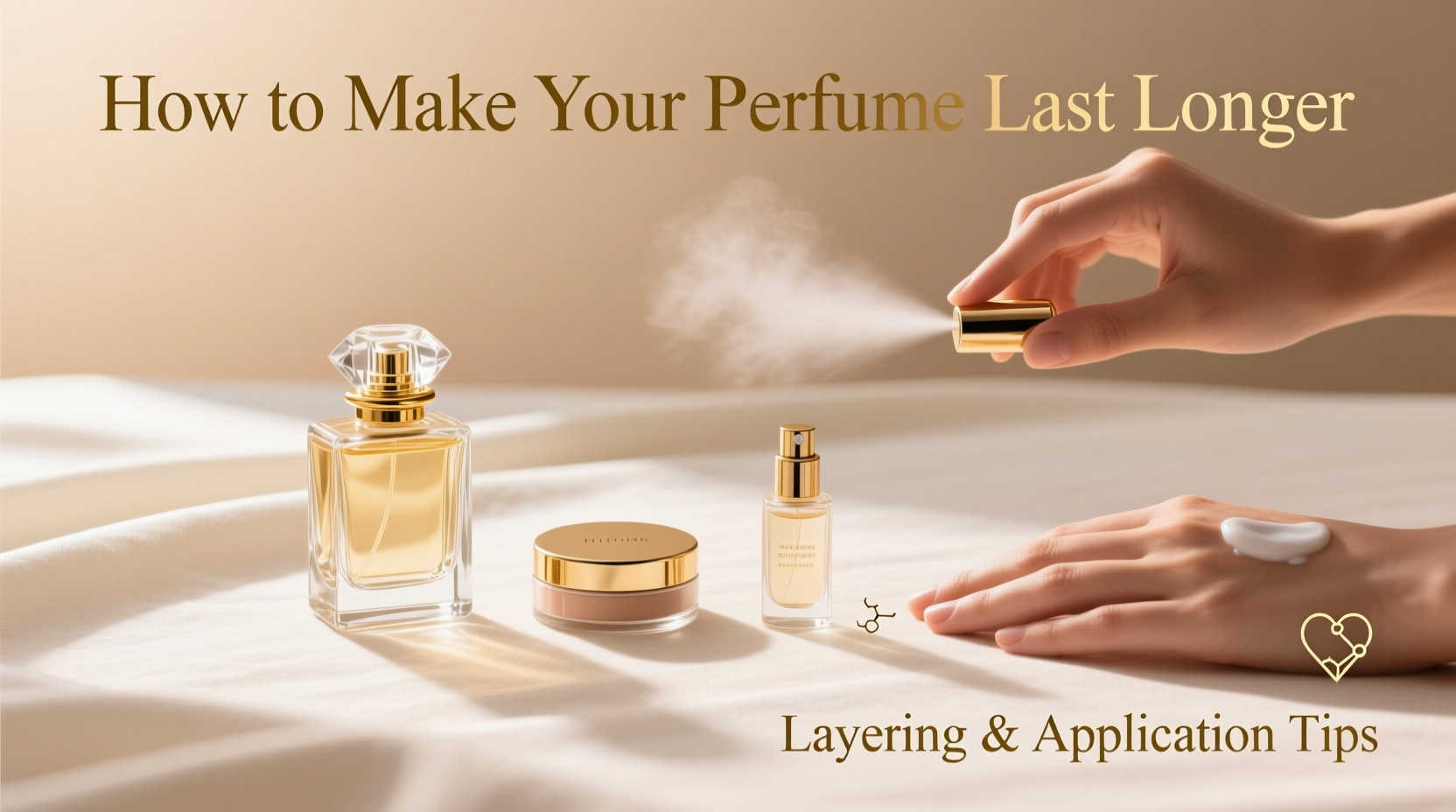
Perfume longevity depends on several factors: concentration, skin chemistry, environmental conditions, and application method. Fragrances come in varying concentrations—parfum (the strongest), eau de parfum, eau de toilette, and cologne—each with different oil-to-alcohol ratios. Higher oil content means slower evaporation and longer wear. However, even the most concentrated perfumes fade faster on dry or acidic skin types.
Skin acts as a canvas. Oily skin tends to hold onto fragrance longer because oils help trap scent molecules. Dry skin, on the other hand, lacks this natural retention, causing fragrances to evaporate quickly. Humidity, temperature, and even diet also influence how a scent develops and lasts. But beyond these variables, intentional layering and strategic application can dramatically extend wear time.
The Art of Scent Layering
Layering isn’t just for fashion—it’s a powerful tool in fragrance performance. Scent layering involves using multiple products from the same fragrance line (or complementary scents) to create a deeper, longer-lasting olfactory experience. The principle is simple: the more layers of matching or harmonizing notes you apply, the stronger and more resilient the scent becomes.
Start with a scented body wash or soap that matches your perfume. This creates a subtle base note that lingers beneath your primary fragrance. Follow with a matching body lotion or unscented moisturizer. Moisturized skin holds scent better than bare skin, and a lotion infused with the same fragrance compounds reinforces the top, heart, and base notes over time.
For maximum effect, use a fragrance trio: matching bath gel, body cream, and eau de parfum. Each product contains varying concentrations of aromatic oils, creating a cumulative release pattern that unfolds gradually throughout the day.
“Layering is like building a fragrance wardrobe. You’re not just wearing a scent—you’re living inside it.” — Clara Montaigne, Perfume Formulator & Nose at Atelier des Fragrances
Step-by-Step Layering Routine
- Shower with a matching scented cleanser – Begin with a fragrance-specific body wash to prime the skin.
- Apply a rich body lotion or balm – Use an unscented or matching moisturizer while skin is still damp.
- Allow the lotion to absorb fully – Wait 2–3 minutes before applying perfume to avoid chemical interference.
- Spray your perfume on pulse points – Focus on wrists, neck, behind ears, and inner elbows.
- Refresh midday with a matching solid perfume or spray – Carry a travel-sized version for touch-ups.
Strategic Application Techniques
Where and how you apply perfume significantly impacts its staying power. Most people spray once on the wrist and call it a day—but that approach wastes potential. To maximize longevity, consider both placement and method.
Pulse points are traditional for a reason: they emit heat, which helps diffuse scent. Key areas include the wrists, neck, behind the ears, and inner elbows. But don’t stop there. Less obvious spots like the back of the knees, ankles, and even the hair (using a dedicated hair mist) can provide subtle, long-lasting trails of fragrance.
Avoid rubbing your wrists together after spraying. This common habit breaks down delicate top notes and accelerates evaporation. Instead, let the alcohol evaporate naturally, allowing the scent to develop on the skin without agitation.
Another pro technique: spray into the air and walk through it. This creates an even, soft cloud of scent that settles lightly on clothes and skin. While this method is less precise, it reduces direct alcohol contact with skin and provides a more balanced sillage (the trail of scent left behind).
| Application Method | Longevity Impact | Best For |
|---|---|---|
| Pulse Points (skin) | High – heat activates scent | Daily wear, intimate settings |
| Clothing Sprays | Moderate to High – fabric holds scent longer | Evening events, cool weather |
| Air Walk-Through | Low to Moderate – lighter diffusion | Subtle presence, sensitive environments |
| Hair Mist | High – hair fibers retain oils | All-day wear, romantic scents |
| Layering with Lotion | Very High – creates scent reservoir | Dry skin, light eau de toilettes |
Choosing the Right Base: Skin vs. Clothing
While skin application allows fragrance to interact with your chemistry—creating a unique, evolving scent—clothing often provides superior longevity. Natural fibers like cotton, wool, and silk absorb and hold fragrance longer than synthetic materials. However, caution is needed: some perfumes contain dyes or alcohol levels high enough to stain delicate fabrics, especially light-colored silks or linens.
To minimize risk, test a small, hidden area first. Alternatively, use a dedicated fabric spray or apply perfume to underlayers rather than outer garments. Scarves, collars, and hems are excellent secondary carriers that won’t risk visible staining.
One overlooked factor is hydration. Well-moisturized skin acts like a sponge for fragrance oils. Using a thick, oil-based balm—especially one enriched with shea butter, jojoba, or almond oil—creates a sticky surface where scent molecules adhere and release slowly. In contrast, dry, flaky skin sheds too quickly, taking the fragrance with it.
“Hydration is the invisible ingredient in long-lasting perfume. If your skin drinks up moisture, it’ll drink up scent too.” — Dr. Lena Petrov, Cosmetic Chemist & Skincare Formulation Expert
Avoiding Common Mistakes That Kill Longevity
Even with premium fragrances, poor habits can sabotage staying power. Awareness of these pitfalls is the first step toward correction.
- Storing perfume in the bathroom – Heat, humidity, and light degrade fragrance compounds. Keep bottles in a cool, dark drawer or closet.
- Over-applying – Too much perfume overwhelms the nose and accelerates olfactory fatigue, making you think the scent has faded when it hasn’t.
- Using conflicting scented products – Mixing different branded lotions, deodorants, or shampoos can clash with your perfume, altering its character and reducing coherence.
- Not reapplying strategically – A midday refresh isn’t cheating. Use a rollerball or solid perfume for discreet, targeted touch-ups.
Do’s and Don’ts of Perfume Longevity
| Do | Don't |
|---|---|
| Store perfume in a cool, dark place | Leave bottles in direct sunlight or humid bathrooms |
| Moisturize before applying fragrance | Apply perfume to dry, flaky skin |
| Use matching scent family products | Mix strongly scented lotions from different brands |
| Reapply with solid or rollerball perfumes | Over-spray trying to revive a faded scent |
| Spray on natural fiber clothing | Spray directly on silk or light-colored fabrics without testing |
Real Example: How Sarah Extended Her Signature Scent
Sarah, a marketing executive in Toronto, loved her floral-woody eau de toilette but found it disappeared by lunchtime. She assumed it was a “weak” fragrance and considered switching. Instead, she experimented with layering. She began using the brand’s matching body wash in the morning, followed by their unscented shea butter cream. Then, she applied two sprays—one on each wrist and one behind the neck.
The difference was immediate. Not only did the scent last until she left the office, but colleagues began complimenting her fragrance more frequently. Encouraged, she added a solid perfume mini to her purse for a mid-afternoon refresh. By combining hydration, layering, and strategic reapplication, she extended her perfume’s life by over six hours—without changing her original scent.
FAQ: Common Questions About Perfume Longevity
Does drinking water really help my perfume last longer?
Indirectly, yes. Hydrated skin retains moisture and oils more effectively, providing a better surface for fragrance adherence. Dehydrated skin tends to be dry and flaky, causing scent to lift off faster. Drinking water supports overall skin health, which in turn supports scent longevity.
Can I layer different perfume brands together?
You can, but it requires caution. Combining fragrances from different houses can lead to clashing notes or muddy results. If you want to experiment, stick to complementary families—like a citrus top with a woody base—and apply one to your skin and the other lightly to clothing. Test first to ensure harmony.
Why does my perfume smell different on me than on my friend?
Skin chemistry varies due to pH levels, diet, hormones, and natural oils. These factors alter how fragrance notes unfold. What smells sweet and warm on one person may read sharp or metallic on another. This is why sampling on your own skin—over several hours—is essential before committing to a full bottle.
Final Checklist: Make Your Perfume Last All Day
- ✅ Shower using a matching scented body wash
- ✅ Apply unscented or matching moisturizer to damp skin
- ✅ Spray perfume on pulse points—don’t rub
- ✅ Consider clothing or hair application for added longevity
- ✅ Store your perfume away from light and heat
- ✅ Carry a travel-sized rollerball for midday refresh
Conclusion: Own Your Scent, Extend Its Life
Lasting fragrance isn’t magic—it’s method. By understanding how your skin interacts with scent, choosing the right layering products, and applying perfume with intention, you transform a fleeting aroma into a persistent signature. The goal isn’t just to smell good in the moment, but to leave a memorable impression that endures. Whether you're navigating a busy workday, preparing for a date, or simply enjoying your personal ritual, these techniques empower you to wear your fragrance with confidence and consistency.




 浙公网安备
33010002000092号
浙公网安备
33010002000092号 浙B2-20120091-4
Comments
No comments yet. Why don't you start the discussion?