
Meal prepping saves time, reduces stress, and supports healthier eating habits. But one common complaint derails even the most dedicated planners: repetition. Eating the same dish three days in a row can turn nutritious intentions into culinary fatigue. The solution isn’t to abandon meal prep—it’s to rethink how you approach it. With intentional variety, flavor layering, and strategic reinvention, you can enjoy consistent prep benefits while keeping your taste buds engaged all week long.
Break the Monotony with Flavor Rotation
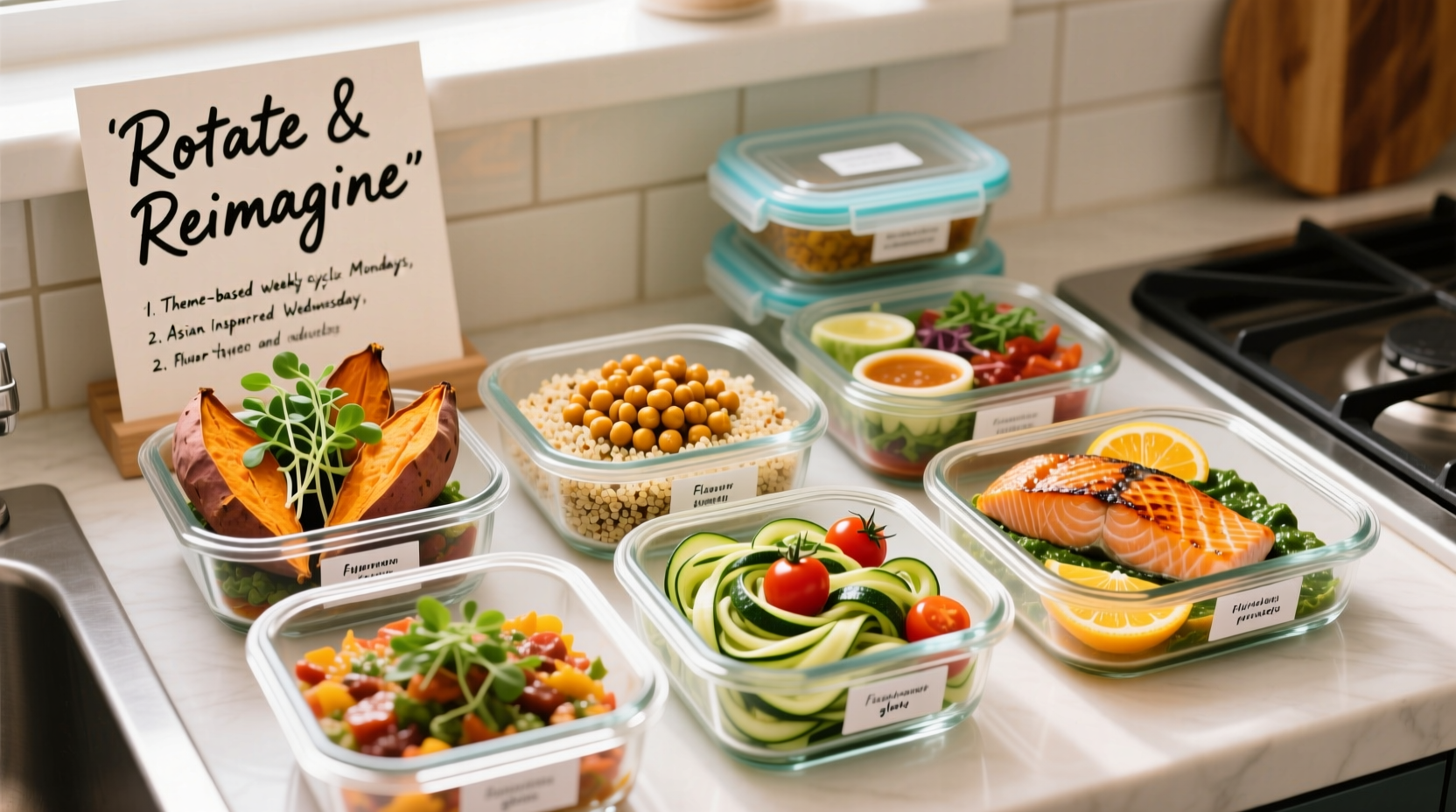
The core issue behind leftover boredom isn’t the act of reheating food—it’s sensory fatigue from repetitive ingredients and seasoning. A chicken and rice bowl on Monday might feel nourishing, but by Wednesday, it can seem dull if nothing changes. Instead of preparing five identical containers, design meals around rotating flavor profiles.
Use a weekly theme system that draws from global cuisines. For example:
- Monday: Mediterranean (olive oil, lemon, oregano, feta)
- Tuesday: Thai-inspired (coconut milk, lime, ginger, cilantro)
- Wednesday: Mexican (cumin, smoked paprika, lime, avocado)
- Thursday: Moroccan (cinnamon, turmeric, dates, almonds)
- Friday: Japanese (soy sauce, mirin, sesame, pickled ginger)
This doesn’t require cooking five different main dishes. You can use the same protein base—like grilled chicken or tofu—and alter sauces, spices, and garnishes during assembly. This method reduces cooking time while maximizing variety.
Reinvent Leftovers Like a Chef
Chefs rarely serve yesterday’s entrée as-is. They repurpose. Apply this mindset at home. View each prepped component as modular—not a final dish, but a building block for multiple meals.
For instance, roasted vegetables can become:
- A grain bowl topping on Day 1
- A frittata filling on Day 2
- A wrap or sandwich layer on Day 3
- A pasta mixer with pesto on Day 4
The same applies to proteins. Shredded chicken used in a taco Monday can be tossed into a creamy pasta Tuesday or blended into a pot pie filling Wednesday.
“Leftovers aren’t meant to be repeated—they’re meant to be reimagined.” — Chef Marcus Chen, Culinary Instructor at Pacific Food Arts
Step-by-Step Guide: The 5-Day Reinvention Plan
Follow this timeline to stretch one batch of prepped ingredients into five distinct meals:
- Day 1 – Original Assembly: Prepare your base recipe (e.g., chili). Serve over rice with cheese and green onions.
- Day 2 – Deconstruct & Rebuild: Use chili as a baked potato topper. Add sour cream and chives for contrast.
- Day 3 – Texture Shift: Blend half the chili into a soup consistency, add broth, and serve with crusty bread.
- Day 4 – Global Twist: Stir chili into tortillas with coleslaw for Korean-Mexican fusion tacos.
- Day 5 – Breakfast Remix: Scramble eggs with leftover chili and top with avocado.
This strategy leverages familiarity while introducing novelty through format, temperature, and pairing.
Build a Flexible Meal Prep Framework
Rigid meal plans often fail because they don’t account for changing moods or cravings. Instead of scripting every meal, create a “prepped pantry” of components ready to mix and match.
Divide your prep into four categories:
| Category | Examples | Storage Tips |
|---|---|---|
| Proteins | Grilled chicken, hard-boiled eggs, lentils, tofu | Store in airtight containers; use within 4 days |
| Vegetables | Roasted sweet potatoes, sautéed greens, raw veggie sticks | Keep crisp veggies separate from cooked ones |
| Carbohydrates | Quinoa, brown rice, whole wheat pasta, barley | Cool completely before storing to prevent sogginess |
| Sauces & Toppings | Pesto, tahini dressing, salsa, toasted nuts, herbs | Use small jars or ice cube trays for portion control |
Each day, assemble a new combination based on what you crave. One day it might be a Buddha bowl with quinoa, roasted carrots, chickpeas, and harissa yogurt. The next, a cold noodle salad with peanut sauce and shredded chicken. The structure stays consistent, but the experience feels fresh.
Case Study: How Sarah Revived Her Meal Prep Routine
Sarah, a project manager in Chicago, used to quit meal prepping by mid-week. “I’d make a big batch of turkey meatballs and zucchini noodles,” she said. “By Thursday, I was sneaking fast food because I couldn’t face another plate.”
After learning about modular prep, she changed her approach. On Sundays, she now roasts two trays of mixed vegetables (one with Italian herbs, one with curry powder), cooks a pound of lean ground turkey, prepares quinoa, and makes three sauces: chimichurri, tzatziki, and peanut-ginger.
Her week unfolds like this:
- Monday: Turkey and roasted veggies over quinoa with chimichurri
- Tuesday: Stuffed sweet potatoes with spiced turkey and tzatziki
- Wednesday: Grain-free lettuce wraps with turkey, veggies, and peanut sauce
- Thursday: Skillet bake using leftovers topped with egg
- Friday: Cold quinoa salad with chopped roasted veggies and herbs
“I’m not just avoiding boredom—I actually look forward to lunch now,” Sarah shared. “It feels like I have options, even though I only spent two hours cooking.”
Prep Smarter: The Weekly Checklist
Follow this checklist every Sunday to ensure variety and reduce decision fatigue during the week:
- Choose 1–2 proteins to cook in bulk
- Select 3–4 vegetables (mix textures: crunchy, soft, roasted, raw)
- Prepare 1–2 carbohydrate bases (rotate grains weekly)
- Create 3 different sauces or dressings (include one creamy, one tangy, one spicy)
- Roast or blanch extra veggies for snacks or side additions
- Portion snacks separately (nuts, fruit, yogurt) to avoid impulse buys
- Label containers with dates and primary ingredients
- Plan one “wildcard” meal using leftovers in a new format
This routine takes 90 minutes or less and sets the stage for flexible, satisfying meals throughout the week.
Avoid Common Pitfalls That Kill Variety
Even well-intentioned preppers fall into traps that lead to flavor burnout. Recognize these patterns and adjust accordingly:
| Mistake | Why It Causes Boredom | Better Approach |
|---|---|---|
| Over-relying on one cuisine | Limits spice palette and texture range | Rotate global flavors weekly |
| Assembling full meals before storage | Leaves no room for creativity later | Store components separately |
| Using the same cooking method | All food tastes similar (e.g., everything roasted) | Mix grilling, steaming, sautéing, and raw prep |
| Neglecting finishing touches | Misses opportunities for freshness and crunch | Add herbs, seeds, citrus, or pickles at serving |
Small shifts in technique can dramatically improve perceived variety—even when using the same ingredients.
Frequently Asked Questions
Can I still save time if I’m making varied meals?
Absolutely. The time savings come from bulk prep of ingredients, not identical meals. Chopping five vegetables at once, cooking one batch of grains, and seasoning proteins efficiently still cuts weekday effort. The variety comes in how you combine them, not how you prepare them.
How do I keep food safe when repurposing leftovers?
Always reheat food to an internal temperature of 165°F (74°C). Store components in shallow, airtight containers and refrigerate within two hours of cooking. Use proteins within 3–4 days and grains/veggies within 5 days. When in doubt, freeze portions for later use.
What if I don’t like strong flavors or spicy food?
Variety doesn’t require heat or intensity. Focus on texture contrasts (creamy vs. crunchy), temperature changes (warm bowls vs. cold salads), and subtle herb infusions. Try lemon-thyme chicken one day and rosemary-mushroom quinoa the next. Even mild palates benefit from structural diversity.
Conclusion: Make Meal Prep Work for Your Taste Buds
Meal prepping shouldn’t mean sacrificing flavor or excitement. The key to lasting success lies in designing flexibility into your system. By treating ingredients as interchangeable parts, embracing global seasonings, and reinventing dishes instead of reheating them identically, you turn leftovers into opportunities rather than obligations.
You don’t need elaborate recipes or hours in the kitchen. Just a shift in perspective—from rigid planning to creative scaffolding. Start small: pick one batch-cooked protein, two vegetable styles, and two sauces this weekend. See how many unique combinations you can create. You’ll likely be surprised at how much variety you can generate with minimal effort.




 浙公网安备
33010002000092号
浙公网安备
33010002000092号 浙B2-20120091-4
Comments
No comments yet. Why don't you start the discussion?