
Mixing scented candles can transform a room’s atmosphere, turning an ordinary space into a sensory sanctuary. When done thoughtfully, fragrance layering enhances mood, evokes memory, and elevates interior ambiance. However, poor combinations can result in overwhelming, muddy, or even nauseating smells—turning a relaxing evening into a headache-inducing experience. Unlike visual decor, where clashing colors are immediately apparent, fragrance missteps aren’t always obvious until they’ve already spoiled the air.
The art of blending scented candles goes beyond simply lighting two favorites at once. It involves understanding scent families, volatility, strength, and personal sensitivity. With the right approach, you can create harmonious olfactory compositions that feel intentional and luxurious. This guide breaks down the science and style behind successful candle mixing, offering practical strategies to avoid common pitfalls and craft custom atmospheres with confidence.
Understanding Scent Families and Compatibility
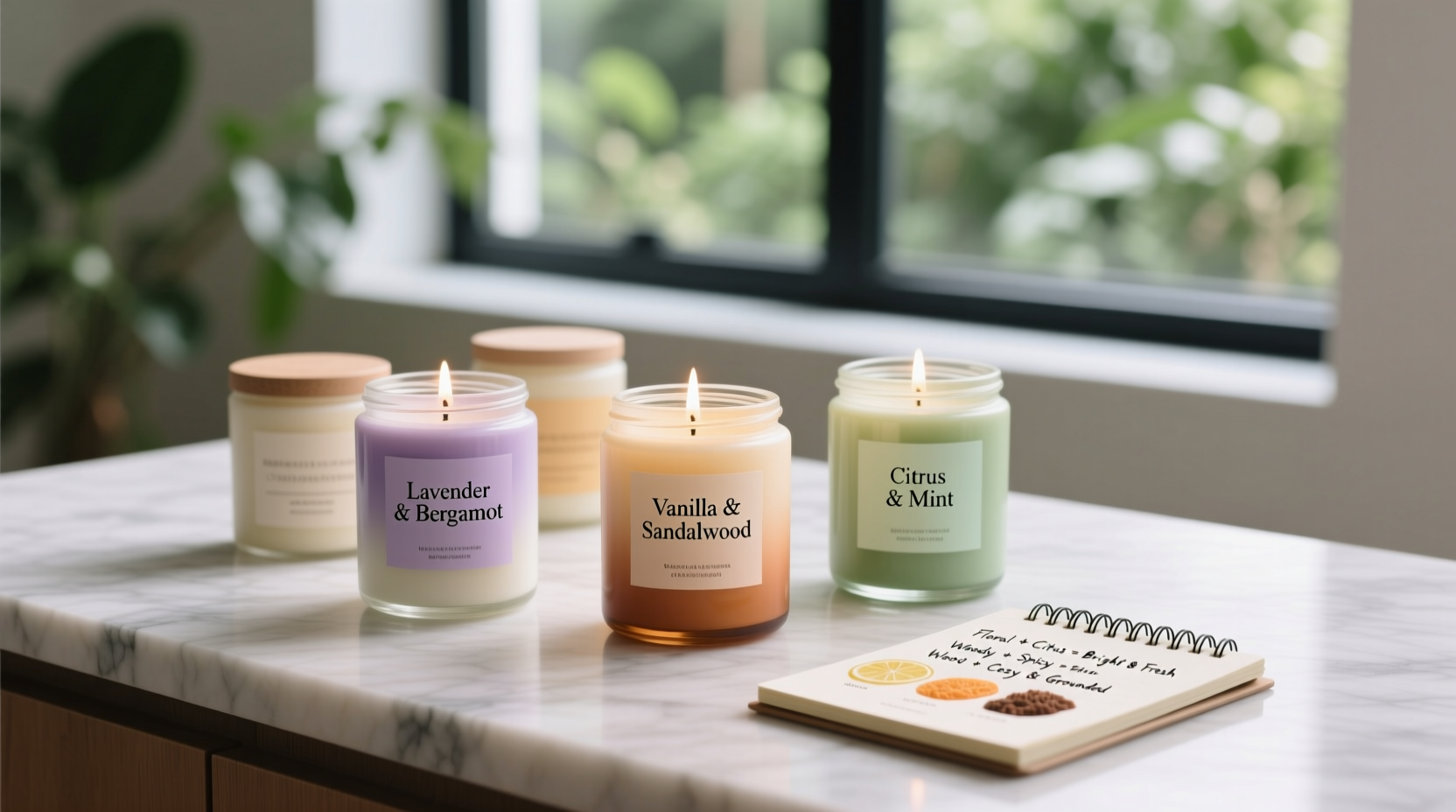
Fragrances are categorized into families based on their dominant notes and emotional resonance. Recognizing these groups is essential for predicting which scents will blend well and which may clash. The primary scent families include:
- Floral: Rose, jasmine, lavender, peony
- Fruity: Citrus, peach, berry, mango
- Woody: Sandalwood, cedar, vetiver, patchouli
- Fresh: Oceanic, linen, rain, cucumber
- Spicy: Cinnamon, clove, cardamom, ginger
- Gourmand: Vanilla, caramel, coffee, baked goods
- Green: Cut grass, galbanum, tomato leaf
- Balsamic/Resinous: Frankincense, myrrh, pine, amber
Candles from the same or adjacent scent families typically blend more seamlessly. For example, pairing a sandalwood (woody) candle with vanilla (gourmand) creates a warm, inviting base. Similarly, citrus (fruity) and fresh scents often complement each other, mimicking the crispness of a summer breeze.
Clashes tend to occur when opposing scent profiles compete—such as combining a heavy patchouli (earthy/spicy) with a delicate lily (floral), or layering a gourmand cookie scent with a sharp pine aroma. These combinations can confuse the nose, resulting in a chaotic or unbalanced effect.
A Step-by-Step Guide to Safe Fragrance Layering
Blending scents should be approached like composing music: balance, harmony, and pacing matter. Follow this five-step process to ensure your candle combinations enhance rather than overwhelm.
- Choose a Base Note Candle: Begin with a deeper, longer-lasting fragrance such as sandalwood, amber, or vanilla. These anchor the blend and provide stability.
- Select a Middle Note: Add a complementary scent that bridges the base and top layers. Florals, spices, or mild fruits work well here.
- Add a Top Note for Brightness: Introduce a light, volatile scent like lemon, bergamot, or eucalyptus to lift the blend. These evaporate faster but offer initial appeal.
- Test One at a Time: Light candles individually first. Let each burn for 15–20 minutes and assess its throw and intensity before combining.
- Layer Gradually: Burn the base candle first, wait 10 minutes, then introduce the second. Avoid lighting multiple strong candles simultaneously.
This method prevents olfactory overload and allows your nose to adjust. If the blend feels off, extinguish the newest addition and reassess.
Do’s and Don’ts of Candle Mixing
| Do’s | Don’ts |
|---|---|
| Pair candles with similar intensity levels (e.g., both medium throw) | Mix a very strong candle (like concentrated patchouli) with a subtle one (like dewy rose) |
| Use candles from the same brand or wax type for consistent burn behavior | Combine soy and paraffin candles without testing—different melt points affect fragrance release |
| Limit combinations to two or three candles max in a single room | Light four or more scented candles at once—this almost guarantees muddiness |
| Allow space between candles to prevent heat interference | Cluster candles too closely; overlapping heat pools distort scent dispersion |
| Rotate combinations seasonally to keep things fresh | Stick to the same blend year-round—your nose adapts, reducing perceived effect |
Real Example: Creating a Cozy Autumn Vibe
Sophie wanted to create a welcoming atmosphere in her living room during fall evenings. She loved the smell of pumpkin spice but found it too sweet when burned alone. Her solution was a layered approach:
She started with a sandalwood-vanilla candle in the corner—its warm, creamy base provided depth without sweetness. After 15 minutes, she lit a second candle with notes of cinnamon and clove, adding spice without overpowering. Finally, she introduced a faint apple-cider scent from a tea-light-sized candle on the coffee table.
The result was a balanced, evolving aroma: the woodiness grounded the blend, the spice added warmth, and the apple offered a bright, tart contrast. Guests consistently commented on the “inviting” and “homely” scent profile. By avoiding a third gourmand candle and spacing the flames appropriately, Sophie prevented cloying sweetness and maintained clarity in the fragrance.
Expert Insight on Olfactory Balance
“Fragrance layering is not about quantity—it’s about intentionality. Just as a chef balances salt, acid, and fat, a skilled candle mixer balances top, heart, and base notes. Overloading a space with scent is like playing every instrument at full volume. Harmony requires restraint.” — Dr. Lena Torres, Aroma Chemist & Sensory Consultant
Dr. Torres emphasizes that the human nose fatigues quickly, especially with synthetic or heavily amplified fragrances. She recommends using natural essential oil-based candles when possible, as they tend to evolve more gracefully over time and are less likely to cause sensory irritation.
Checklist: How to Mix Candles Safely
Before lighting multiple scented candles, run through this checklist to ensure a pleasant outcome:
- ☐ Identify the scent family of each candle
- ☐ Assess the strength (light, medium, strong) of each fragrance
- ☐ Choose no more than three candles for one space
- ☐ Test individual scents first to gauge personal preference
- ☐ Burn candles in order: base, middle, top
- ☐ Space candles at least 2 feet apart
- ☐ Monitor for headaches or nausea—signs of olfactory conflict
- ☐ Extinguish and ventilate if the blend becomes overwhelming
- ☐ Rotate combinations weekly to maintain freshness
- ☐ Clean wax residue between uses to avoid scent carryover
Frequently Asked Questions
Can I mix different candle brands?
Yes, but with caution. Different brands use varying wax types, wick sizes, and fragrance concentrations. A high-performance soy candle from Brand A might dominate a weaker paraffin candle from Brand B. Always test combinations at low burn times first and monitor performance.
Why do some candle mixes give me a headache?
Headaches from mixed candles often result from overexposure to volatile organic compounds (VOCs) or conflicting scent signals confusing the brain. Strong florals combined with sharp citruses, or multiple musky scents, can trigger sensory overload. Reduce the number of candles, increase ventilation, or switch to unscented or essential oil-based options.
How do I know if two scents clash?
A clashing blend often feels “off”—muddy, chemical, or indistinct. You might notice a sour undertone, excessive sweetness, or a lack of coherence. If you can’t clearly identify any of the original scents after mixing, the combination is likely incompatible. Trust your nose: if it feels unpleasant, it probably is.
Conclusion: Craft Your Signature Atmosphere
Mixing scented candles isn’t just about filling a room with fragrance—it’s about curating an experience. With awareness of scent chemistry, thoughtful layering, and respect for sensory limits, you can design aromatic environments that reflect your personality and enhance your daily rituals. Whether you’re setting a romantic mood, boosting focus, or creating a calming retreat, the right blend makes all the difference.
Start small. Experiment deliberately. Keep notes on what works and what doesn’t. Over time, you’ll develop an intuitive sense for pairings that resonate. The goal isn’t perfection—it’s pleasure. And when you find that perfect harmony of sandalwood and orange zest, or rain-kissed linen and wild fig, you’ll understand why the art of candle mixing is worth mastering.




 浙公网安备
33010002000092号
浙公网安备
33010002000092号 浙B2-20120091-4
Comments
No comments yet. Why don't you start the discussion?