
Blending vintage and modern design elements—whether in fashion or interior decor—can create a space or outfit that feels rich with character, depth, and intention. But when done poorly, the result can appear cluttered, inconsistent, or stuck in the past. The key lies not in avoiding old or new pieces, but in harmonizing them with purpose. With thoughtful curation, balance, and an understanding of design principles, you can craft a look that’s timeless rather than dated.
This guide explores actionable strategies for combining vintage charm with contemporary minimalism across both interiors and personal style. From choosing anchor pieces to maintaining visual cohesion, the goal is clarity: how to honor the past while living fully in the present.
Establish a Clear Design Foundation
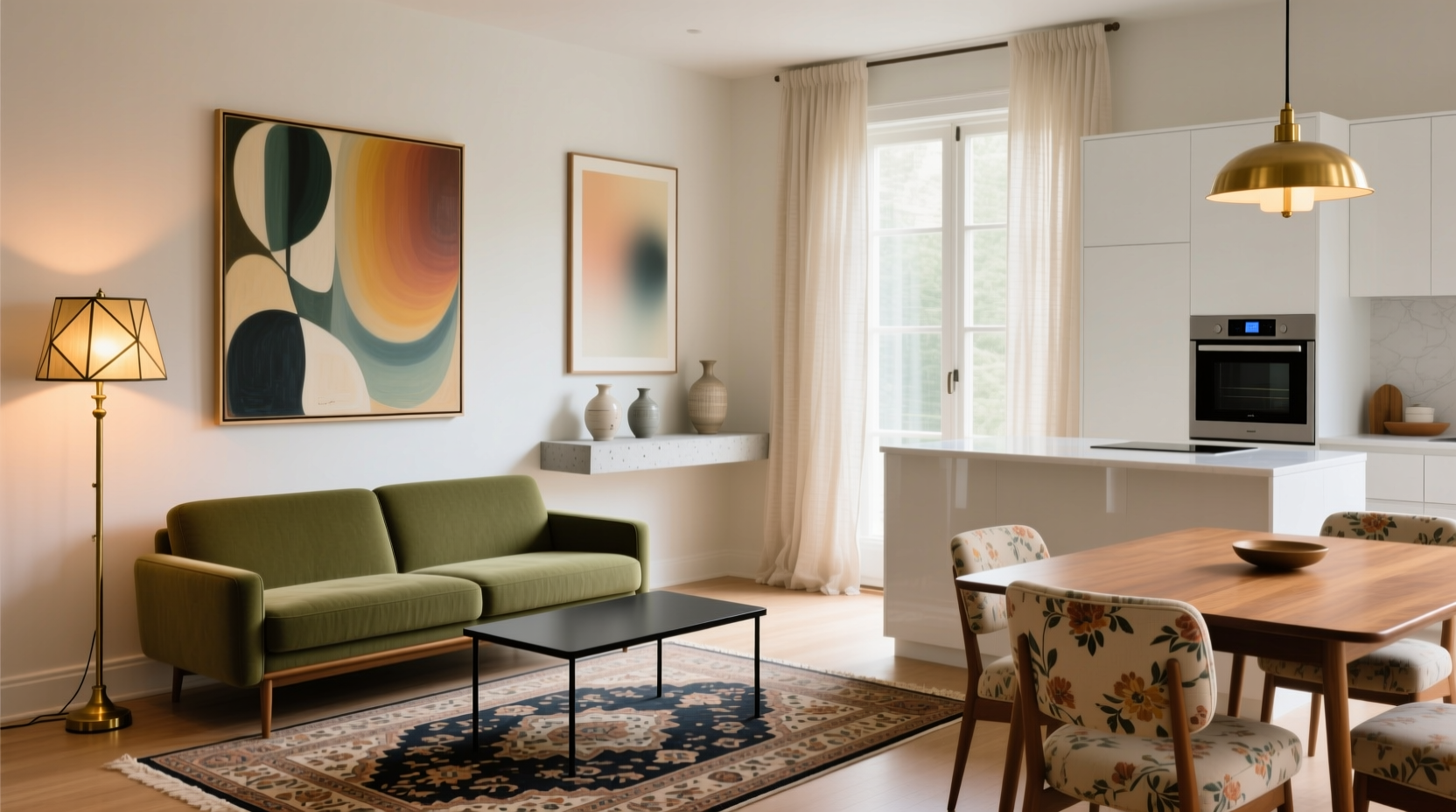
Before introducing vintage items into a modern setting—or vice versa—it's essential to define the underlying aesthetic. A strong foundation prevents haphazard layering and gives coherence to mixed eras. Ask yourself: Is the dominant tone minimalist, industrial, rustic, or mid-century? This base becomes the filter through which all other choices are evaluated.
For example, a Scandinavian-inspired room with clean lines, neutral tones, and functional furniture provides an ideal backdrop for a 1960s teak credenza or a brass Art Deco mirror. The contrast between sleek simplicity and ornate detail becomes intentional, not accidental. Similarly, in fashion, pairing a vintage silk blouse with tailored modern trousers works because the silhouette remains grounded in current proportions.
Balance Proportions and Scale Thoughtfully
Mismatched scale is one of the most common reasons mixed-era spaces feel off. A massive Victorian armoire in a tiny minimalist apartment overwhelms the room. Likewise, wearing a voluminous 1940s skirt with an oversized modern hoodie creates imbalance.
The solution lies in proportion. In interiors, consider footprint, height, and visual weight. If your living room features low-slung modern sofas, introduce a vintage coffee table with similar horizontal emphasis rather than a tall, intricately carved cabinet. In fashion, pair structured vintage outerwear—a 1970s wool coat, for instance—with streamlined modern pants or dresses to maintain silhouette harmony.
Another approach is the 70/30 rule: let either modern or vintage dominate (70%), with the other serving as accent (30%). This avoids visual competition and establishes hierarchy.
| Room / Outfit Area | Dominant Style (70%) | Accent Style (30%) | Example Combination |
|---|---|---|---|
| Living Room | Modern | Vintage | Sleek sectional + 1950s Danish armchair |
| Bedroom | Vintage | Modern | Antique bed frame + crisp white linens and LED lighting |
| Work Attire | Modern | Vintage | Blazer and jeans + 1980s brooch or scarf |
| Casual Look | Modern | Vintage | White sneakers + 1970s denim jacket |
Use Color and Material as Unifiers
Color palettes and material finishes are powerful tools for bridging time periods. Even if a piece originates from a different era, shared hues or textures can make it feel like a natural part of the ensemble.
For interiors, choose a cohesive color story—such as warm neutrals (beige, taupe, walnut), cool grays (steel, charcoal, concrete), or earthy tones (terracotta, olive, ochre). A 1930s leather club chair in cognac brown will feel at home beside a contemporary sofa in camel linen if both sit within the same warm spectrum.
In fashion, materials matter just as much. A vintage lace top pairs more naturally with modern silk or cotton-blend pieces than with synthetic athleisure wear. Stick to consistent fabric weights and finishes—matte metals with matte metals, polished wood with smooth stone, etc.
“Harmony isn’t about matching ages—it’s about matching energy. When materials and colors speak the same language, eras become irrelevant.” — Lena Torres, Interior Stylist & Author of *Timeless Spaces*
Curate with Intention: Quality Over Quantity
One of the pitfalls of mixing vintage and modern is over-accessorizing. Too many statement pieces—from a retro lamp to a bold print dress to a mid-century sideboard—create visual noise. Instead, adopt a curator’s mindset: select only the pieces that serve a purpose or evoke genuine emotion.
Ask these questions before adding an item:
- Does this enhance the overall mood of the space or outfit?
- Is it well-made and in good condition?
- Does it complement, rather than compete with, existing elements?
- Would I still love it in five years?
Limit standalone vintage “statements” to one or two per room or ensemble. Let them breathe. A single Eames lounge chair in a minimalist living room commands attention precisely because it’s not surrounded by competing antiques.
Mini Case Study: Emma’s Brooklyn Apartment
Emma, a graphic designer in Brooklyn, wanted her apartment to reflect her love of history without feeling like a period reenactment. She began with a modern foundation: white walls, recessed lighting, and light oak flooring. Then she introduced carefully selected vintage pieces: a 1960s Italian floor lamp, a refurbished roll-top desk from the 1920s, and framed botanical prints from the 1890s.
To unify the space, she used a consistent palette of navy, cream, and brass. Modern textiles—like a textured wool rug and linen curtains—softened the vintage edges. The result? A home that feels collected over time, not costumed. Visitors often remark that it’s “cozy yet current,” exactly what Emma aimed for.
Step-by-Step Guide to Mixing Eras Successfully
Follow this six-step process to confidently blend vintage and modern elements:
- Define Your Core Aesthetic: Decide whether your base style leans modern, traditional, or somewhere in between. Stick to one dominant direction.
- Start with Key Modern Pieces: Furnish or dress around foundational modern items (e.g., sofa, bed, blazer, jeans) that reflect current comfort and function.
- Select 1–2 Vintage Focal Points: Choose standout vintage items that have strong design merit—unique craftsmanship, interesting patina, or historical significance.
- Match Finishes and Tones: Ensure metals, woods, and fabrics share undertones. For example, pair rose gold jewelry with warm-toned vintage accessories, not cool silver ones.
- Create Breathing Room: Avoid clustering multiple vintage items together. Space them out so each can be appreciated individually.
- Edit Ruthlessly: Remove anything that feels forced or redundant. If a piece distracts rather than enhances, set it aside.
Checklist: Pre-Purchase Evaluation for Vintage Items
Before buying a vintage piece, run through this checklist to ensure it fits your modern context:
- ✅ Does it align with my dominant color scheme?
- ✅ Is the scale appropriate for the space or body type?
- ✅ Are there shared material finishes (e.g., brass, walnut, ceramic)?
- ✅ Is it structurally sound (no wobbly legs, stains, tears)?
- ✅ Can it be cleaned or restored easily?
- ✅ Does it serve a functional purpose, or is it purely decorative?
- ✅ Will it still feel relevant in 3–5 years?
Avoid These Common Mistakes
Even well-intentioned blending can go wrong. Watch out for these missteps:
- Overdoing nostalgia: Displaying too many sentimental items (e.g., family heirlooms, collectibles) without editing creates clutter.
- Mixing too many styles: Combining Art Deco, Mid-Century, and Industrial in one small room confuses the narrative.
- Ignoring comfort: Vintage furniture may look stunning but lack ergonomic support. Prioritize livability.
- Using outdated fabrics: Orange shag carpet or polyester suits from the 1970s rarely translate well today unless intentionally styled.
- Forgetting lighting: Modern LED fixtures can clash with vintage rooms. Opt for adjustable, dimmable lights with classic silhouettes.
“The best interiors aren’t about eras—they’re about stories. When every object has meaning and fits the narrative, time stops mattering.” — Rafael Singh, Architect & Design Educator
FAQ
Can I mix vintage and modern in a small space?
Absolutely. In fact, small spaces benefit from the contrast. Use a single vintage statement piece—like a painted dresser or retro chair—against a backdrop of modern minimalism to add depth without overcrowding.
How do I know if a vintage piece is worth restoring?
Evaluate craftsmanship, rarity, and emotional value. Solid wood, hand-turned legs, and original hardware suggest quality. If restoration costs exceed 50% of a comparable new item’s price, reconsider unless it holds sentimental or collector’s value.
Is it okay to mix vintage clothing with fast fashion?
Yes, but aim for balance. Pair high-quality vintage tops or jackets with well-fitting modern basics. Avoid clashing textures or ill-fitting combinations that undermine the vintage piece’s integrity.
Conclusion: Create a Look That Transcends Trends
Mixing vintage and modern isn’t about following a trend—it’s about crafting a personal expression that evolves over time. The most enduring spaces and wardrobes aren’t defined by when something was made, but by how thoughtfully it’s chosen and combined. By anchoring your design in clarity, balancing proportions, and curating with care, you create environments and outfits that feel authentic, lived-in, and perpetually fresh.




 浙公网安备
33010002000092号
浙公网安备
33010002000092号 浙B2-20120091-4
Comments
No comments yet. Why don't you start the discussion?