
Deciding the gender of your future child may seem like a matter of chance, but many couples wonder if there are natural ways to influence whether they conceive a boy or a girl. While no method guarantees results, scientific research offers insights into biological factors that may tilt the odds slightly in favor of conceiving a baby girl. This article separates fact from fiction, presenting evidence-based strategies, common misconceptions, and actionable steps grounded in reproductive biology.
The Science Behind Baby Gender Determination
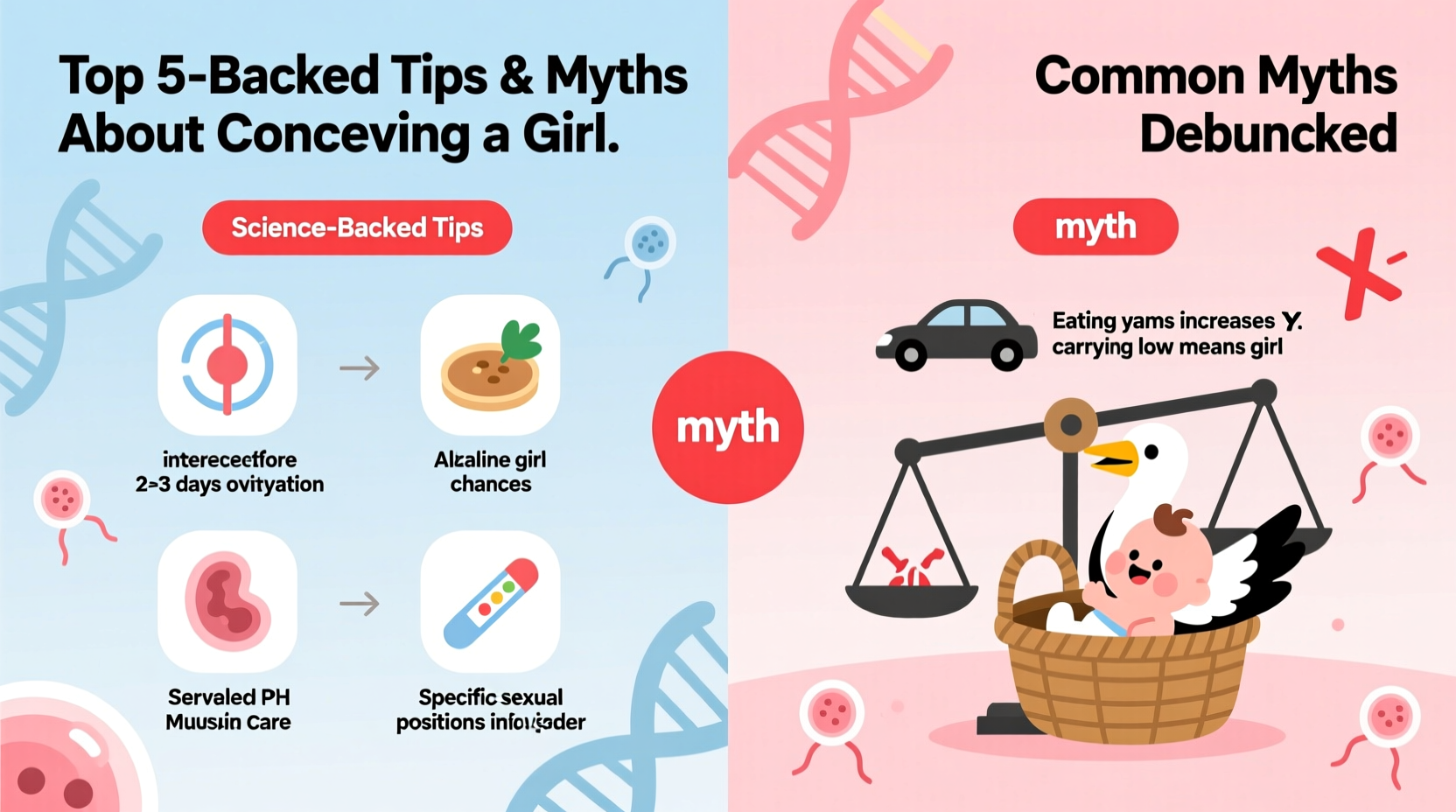
Human gender is determined at conception by the combination of sex chromosomes. The mother always contributes an X chromosome via her egg, while the father contributes either an X or a Y chromosome via his sperm. If the sperm carrying an X chromosome fertilizes the egg, the result is XX — a girl. If a Y-carrying sperm fertilizes the egg, the result is XY — a boy.
Sperm carrying the X chromosome (girl-producing) are believed to be slower but more resilient in acidic environments, while Y-carrying sperm (boy-producing) are faster but more fragile. This difference forms the basis of several natural methods aimed at increasing the likelihood of conceiving a girl.
“While parental influence over fetal sex isn’t guaranteed, timing intercourse and modifying cervical conditions may create a more favorable environment for X-chromosome sperm.” — Dr. Laura Hernandez, Reproductive Endocrinologist
Natural Methods That May Increase Chances of Conceiving a Girl
Though none of these techniques offer 100% accuracy, some are supported by limited scientific studies and widespread anecdotal use. Here’s what the research suggests:
1. Timing Intercourse Relative to Ovulation
The Shettles Method, developed by Dr. Landrum Shettles in the 1960s, remains one of the most cited approaches. It proposes that having intercourse 2–3 days before ovulation favors conceiving a girl because X-bearing sperm survive longer in the reproductive tract than Y-bearing sperm.
A study published in *The New England Journal of Medicine* found no significant link between intercourse timing and baby gender. However, other smaller studies suggest a modest effect when combined with other factors like cervical pH.
2. Dietary Adjustions to Influence Conception Odds
Diet may play a subtle role. Research from the *Proceedings of the Royal Society B* (2008) observed that women with higher calorie intake, particularly breakfast cereals, were slightly more likely to have boys. Conversely, lower sodium and calcium intake correlated with female conceptions.
To potentially support a girl-friendly environment:
- Reduce salt and potassium-rich foods (bananas, potatoes)
- Increase intake of magnesium-rich foods (leafy greens, nuts)
- Moderate overall caloric intake without compromising nutrition
- Focus on plant-based proteins over red meat
3. Creating an Acidic Cervical Environment
X-carrying sperm are thought to thrive better in more acidic conditions. Some suggest mild dietary or hygiene practices to encourage this, though medical experts caution against unsafe interventions.
Safe, natural ways to support a slightly acidic vaginal environment include:
- Eating yogurt with live cultures to maintain healthy flora
- Avoiding douching or harsh soaps that disrupt pH balance
- Using pH-balanced intimate washes (pH 4–5)
⚠️ Note: Do not attempt to alter pH using vinegar or other home remedies — this can cause infections or irritation.
Common Myths About Conceiving a Girl — Debunked
Despite abundant folklore, many popular beliefs lack scientific backing. Here's a breakdown of myths versus reality:
| Myth | Reality |
|---|---|
| Eating only vegetarian meals guarantees a girl | No direct causation; diet may have minor influence but won't override biology |
| Sexual position determines baby gender | No evidence supports this claim; sperm reach the cervix regardless of position |
| If you conceive during a full moon, it’s more likely a girl | Lunar cycles have no proven impact on fetal sex |
| Mother’s mood or stress level affects gender | Stress impacts fertility but not proven to influence X/Y sperm selection |
| Older parents are more likely to have girls | Data is mixed; some studies show slight increase in female births with paternal age, but not consistent |
Step-by-Step Guide to Naturally Trying for a Baby Girl
If you're planning to conceive and hoping for a daughter, follow this timeline based on current understanding of reproductive science:
- Track Your Cycle (Days 1–28): Use a fertility tracker app or basal thermometer to pinpoint ovulation day.
- Identify Ovulation Window: Look for changes in cervical mucus (egg-white consistency) or use LH test strips.
- Plan Intercourse 2–3 Days Before Ovulation: Avoid sex on the day of ovulation or after to reduce chances of faster Y-sperm reaching the egg first.
- Adjust Diet Gradually: Begin eating more magnesium-rich foods and less salt two months before trying to conceive.
- Maintain Vaginal Health: Wear cotton underwear, avoid tight clothing, and stay hydrated to support a balanced pH.
- Stay Consistent and Patient: These methods may take several cycles to show any potential effect.
Mini Case Study: The Thompsons’ Journey
Sarah and Mark Thompson, both in their early 30s, had two sons and hoped for a daughter. After consulting their OB-GYN, they decided to try natural methods rather than pursue gender-selective technologies like IVF with PGD.
Over six months, Sarah began tracking her cycle meticulously, used ovulation tests, and adjusted her diet to include more leafy greens and less processed salt. They timed intercourse approximately 48 hours before predicted ovulation. Eighteen months later — after two miscarriages unrelated to gender — Sarah gave birth to a healthy baby girl.
While they credit no single factor, Sarah noted that “understanding our cycle made us feel more in control, even if we couldn’t choose the outcome.” Their story reflects the patience and emotional resilience often required when trying to conceive with specific goals.
Frequently Asked Questions
Can I really influence my baby’s gender naturally?
There is no guaranteed natural method, but some evidence suggests that timing intercourse earlier in the fertile window and adjusting diet may slightly increase the odds of having a girl. Success rates vary, and genetics ultimately play the largest role.
Does the father’s diet affect the baby’s gender?
Preliminary research indicates that a man’s diet and lifestyle can influence the ratio of X to Y sperm. Diets high in potassium and sodium may favor Y-sperm, while balanced, moderate diets could support more X-sperm production. More human studies are needed to confirm this.
Are commercial gender selection kits effective?
Most over-the-counter kits (such as gender prediction powders or dyes) are not scientifically validated. Some fertility-focused kits that guide timing and pH testing may help users align with methods like Shettles’, but they don’t guarantee results.
Final Thoughts and Actionable Checklist
While modern medicine offers precise gender selection through assisted reproductive technologies, most couples rely on natural family planning. Understanding the biology behind conception empowers you to make informed decisions — even if the final outcome remains a beautiful surprise.
Below is a concise checklist summarizing the key actions supported by science:
- ✅ Track ovulation using reliable methods (LH strips, temperature charting)
- ✅ Have intercourse 2–3 days before ovulation
- ✅ Eat a balanced diet lower in sodium and animal protein
- ✅ Support vaginal health with pH-safe hygiene practices
- ✅ Encourage partner to maintain good sperm health through diet and lifestyle
- ✅ Stay patient and avoid stress — repeated attempts are normal
“The desire to plan family composition is understandable, but the health of mother and child should remain the top priority.” — Dr. Anita Patel, Obstetrician & Fertility Counselor
Take the Next Step
Whether you're just beginning your journey or have been trying for months, small, consistent changes can make a difference — not just in gender preference, but in overall reproductive wellness. Share your experiences, ask questions, and connect with others navigating similar paths. After all, every pregnancy begins with hope, and sometimes, a little science helps turn that hope into reality.




 浙公网安备
33010002000092号
浙公网安备
33010002000092号 浙B2-20120091-4
Comments
No comments yet. Why don't you start the discussion?