
Living with limited space doesn’t mean sacrificing style or functionality. A tiny closet can be transformed into a highly efficient storage hub with just a few clever tweaks—and you don’t need to spend hundreds to do it. In fact, some of the most effective organizing tools are available for less than $2 at your local dollar store. From repurposed baskets to adhesive hooks and tension rods, everyday discount finds can solve real organizational challenges when used creatively. This guide reveals practical, tested strategies that turn overlooked dollar store products into powerful allies in maximizing small closet space.
Why Dollar Store Hacks Work for Small Closets
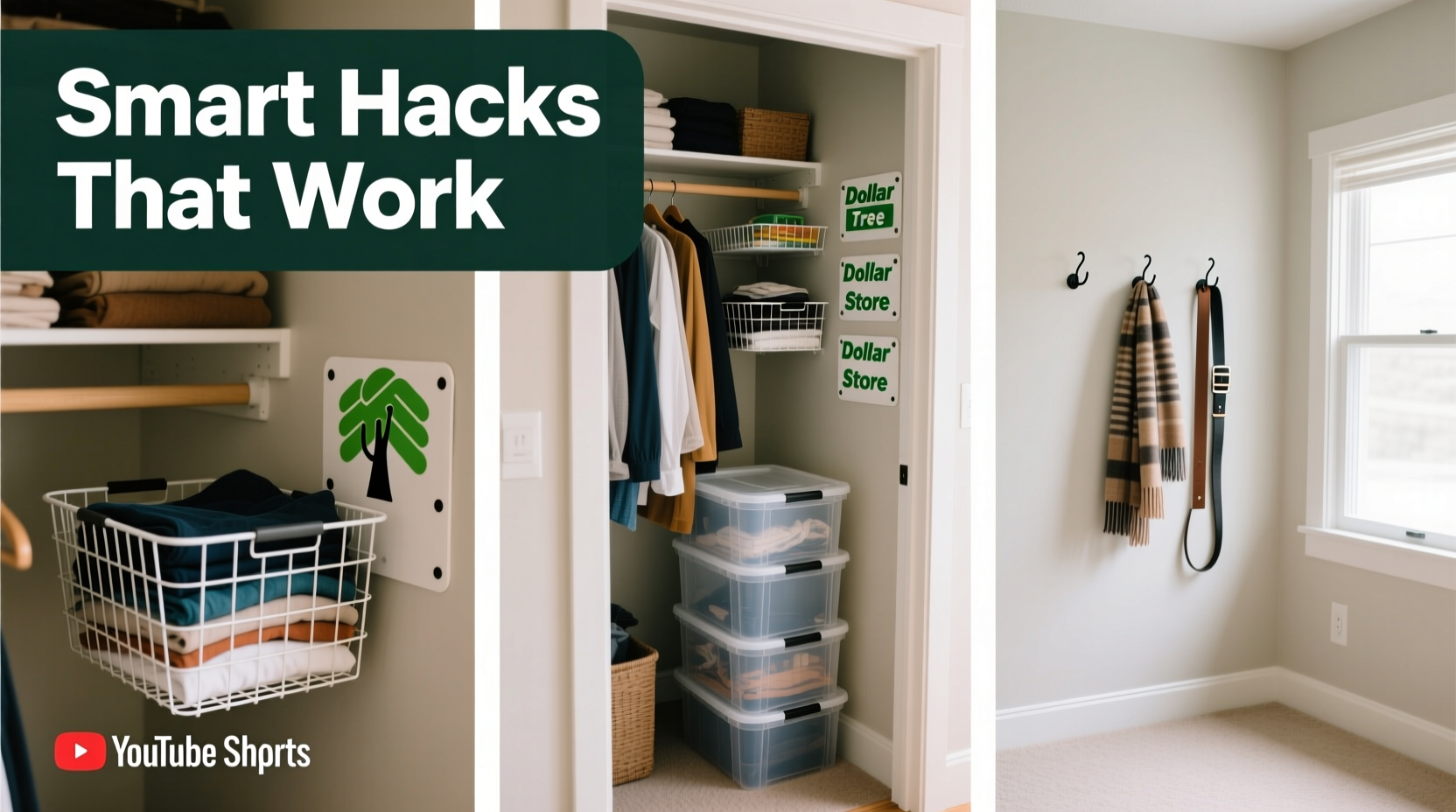
The appeal of dollar store organization lies not just in affordability, but in accessibility and versatility. Most dollar stores stock household essentials like bins, trays, hangers, and adhesive organizers that, while designed for general use, can be adapted to meet specific storage needs. When working with a tight footprint—such as a reach-in closet under 3 feet wide—every inch counts. The key is selecting multipurpose items that promote vertical stacking, compartmentalization, and visual clarity.
According to home organization expert Linda Kim, “The psychology of order starts with visibility. If you can see what you own, you’re more likely to use it efficiently.” Many dollar store containers come in clear plastic or bright colors, helping users quickly identify contents without rummaging. Additionally, because these items cost so little, experimentation carries minimal risk. Try one configuration; if it fails, swap it out for another solution without financial regret.
“Affordable tools remove the barrier to starting. People wait for the ‘perfect’ system, but progress begins with action—even if it’s imperfect.” — Marcus Tran, Minimalist Living Consultant
Essential Dollar Store Items That Maximize Space
Not all dollar store purchases are equally useful. Focus on durable, rigid materials over flimsy ones. Prioritize items that support structural organization rather than decorative add-ons. Below is a curated list of proven performers:
- Clear stackable bins – Ideal for folded clothes, accessories, or seasonal items.
- Over-the-door shoe organizers – Repurpose pockets for scarves, belts, socks, or toiletries.
- Plastic drawer dividers – Separate jewelry, underwear, or electronics inside existing shelves.
- Adhesive hooks (pack of 6) – Hang robes, bags, or frequently worn items without drilling.
- Tension rods (single or double pack) – Create extra hanging layers within a single rod setup.
- Wire mesh baskets – Mount on walls or doors for ventilation and visibility.
- Non-slip shelf liners – Prevent sliding bins and protect surfaces from scratches.
- Small mirrors with clips or stands – Clip onto shelves for quick outfit checks.
Step-by-Step: Transform Your Tiny Closet in One Afternoon
Follow this timeline-based plan to reorganize your closet from cluttered to cohesive in under three hours. All required supplies should cost less than $15.
- Hour 1: Empty & Assess (30–45 minutes)
- Remove everything from the closet.
- Sort items into categories: tops, pants, outerwear, accessories, off-season.
- Declutter ruthlessly—donate or discard anything unworn in the past year.
- Hour 1: Shop Smart (15 minutes)
- Visit a nearby dollar store with your category list and closet dimensions.
- Purchase only what aligns with your layout goals (e.g., two stackable bins for sweaters).
- Avoid overbuying—start simple and expand later if needed.
- Hour 2: Install Structural Upgrades (45 minutes)
- Install a second tension rod below the main clothing rod to create a double-hang zone for shirts and blouses.
- Mount an over-the-door organizer on the back for small rolled items.
- Apply adhesive hooks to side walls for bags or hats.
- Line shelves with non-slip matting to stabilize containers.
- Hour 3: Organize & Label (45 minutes)
- Place stackable bins on high shelves for off-season storage or infrequently used items.
- Use drawer dividers inside shallow shelves to corral socks, bras, or sunglasses.
- Fold clothes vertically (KonMari-style) in bins so each piece is visible.
- Label bins with masking tape and marker for instant recognition.
Creative Repurposing: Unexpected Uses for Common Items
The true power of dollar store hacks lies in thinking beyond intended use. Here are five unconventional applications that deliver real results:
| Item | Original Purpose | Smart Repurpose Idea |
|---|---|---|
| Plastic cutlery caddy | Store knives/forks | Hold rolled t-shirts or tank tops upright in a drawer |
| Bathroom sink organizer | Hold soap and toothbrushes | Store jewelry on a closet shelf—compartments prevent tangling |
| Shoebox-sized bin with lid | General storage | Slide under hanging clothes for delicate lingerie or workout gear |
| Wire basket with handle | Grocery carrying | Hang from ceiling hook (if available) or place on shelf for handbags |
| Plastic plate rack | Kitchen cabinet insert | Mount vertically to hold folded jeans or scarves |
Mini Case Study: Sarah’s 2x3-Foot Reach-In Closet
Sarah, a studio apartment dweller in Chicago, struggled with a narrow closet that couldn’t accommodate both her winter coats and daily outfits. She resorted to piling sweaters on a chair, creating morning chaos. After spending $12.99 at her local dollar store, she implemented the following changes:
- Installed a second tension rod beneath the primary one, enabling short-hang for blouses above long-hang for dresses.
- Mounted a clear over-the-door shoe organizer to store scarves, gloves, and rolled belts.
- Used two deep bins labeled “Winter Hats/Mittens” and “Yoga Gear,” placed on the top shelf.
- Added four adhesive hooks inside the door for her most-used crossbody bags.
Within two weeks, Sarah reported getting dressed 10 minutes faster each morning. “I finally *see* everything,” she said. “Before, I’d forget half my clothes existed until spring cleaning.” Her success wasn’t due to new clothes or renovations—it came from strategic placement of low-cost tools.
Do’s and Don’ts of Budget Closet Organization
To avoid common pitfalls, follow this concise checklist when planning your overhaul.
| Do’s | Don’ts |
|---|---|
| Measure shelves and hanging space before buying bins | Buy containers that exceed shelf depth |
| Use vertical space with stackable units | Leave upper shelves empty “just in case” |
| Group like items together (e.g., all workout wear) | Mix formal and casual clothing in one bin |
| Label every container clearly | Rely solely on memory for bin contents |
| Reassess layout every 3 months | Set it and forget it—clutter creeps back |
FAQ: Common Questions About Dollar Store Closet Hacks
Are dollar store bins sturdy enough for long-term use?
While not all are built for heavy loads, many modern dollar store plastics are surprisingly durable. Look for reinforced corners and thicker walls. For heavier items like denim or sweaters, limit stack height to two levels. Reinforce weak bins by placing them inside fabric boxes or wooden crates.
Can I use these hacks in a shared closet?
Absolutely. Use color-coded bins or labels to designate zones for each person. For example, blue lids for Partner A, green for Partner B. Tension rods and over-door organizers allow personalized sections without permanent modifications—ideal for rentals or temporary setups.
What if my closet has no shelves or rods?
Dollar stores often carry basic wire shelving units or freestanding racks that fit in tight spaces. Alternatively, use stackable bins directly on the floor, arranging them by category. Add a portable garment rack (sometimes sold seasonally) beside the closet if hanging space is insufficient.
Your Action Plan: Start Small, Think Big
Organization isn’t about perfection—it’s about progress. Begin with one change: install a tension rod, hang a shoe organizer, or sort socks into a small bin. Once that feels functional, build upon it. The cumulative effect of small, intelligent adjustments creates lasting order.
You don’t need designer systems or custom carpentry to gain control over a cramped closet. What matters is consistency, creativity, and the willingness to try affordable solutions. Every dollar spent wisely adds value far beyond its price tag—not just in saved space, but in reduced stress and increased daily efficiency.




 浙公网安备
33010002000092号
浙公网安备
33010002000092号 浙B2-20120091-4
Comments
No comments yet. Why don't you start the discussion?