
In compact homes, studio apartments, or even larger houses where space is at a premium, the closet often becomes a catch-all for everything from seasonal clothing to forgotten accessories. A cluttered closet doesn’t just waste valuable square footage—it adds mental load every time you open the door. The good news? Even the tiniest closet can be transformed into an efficient, calming hub of order with smart strategies, thoughtful systems, and a few clever upgrades. This guide walks through proven methods to maximize every inch, reduce decision fatigue, and create a wardrobe system that works effortlessly.
Assess Your Space and Habits First
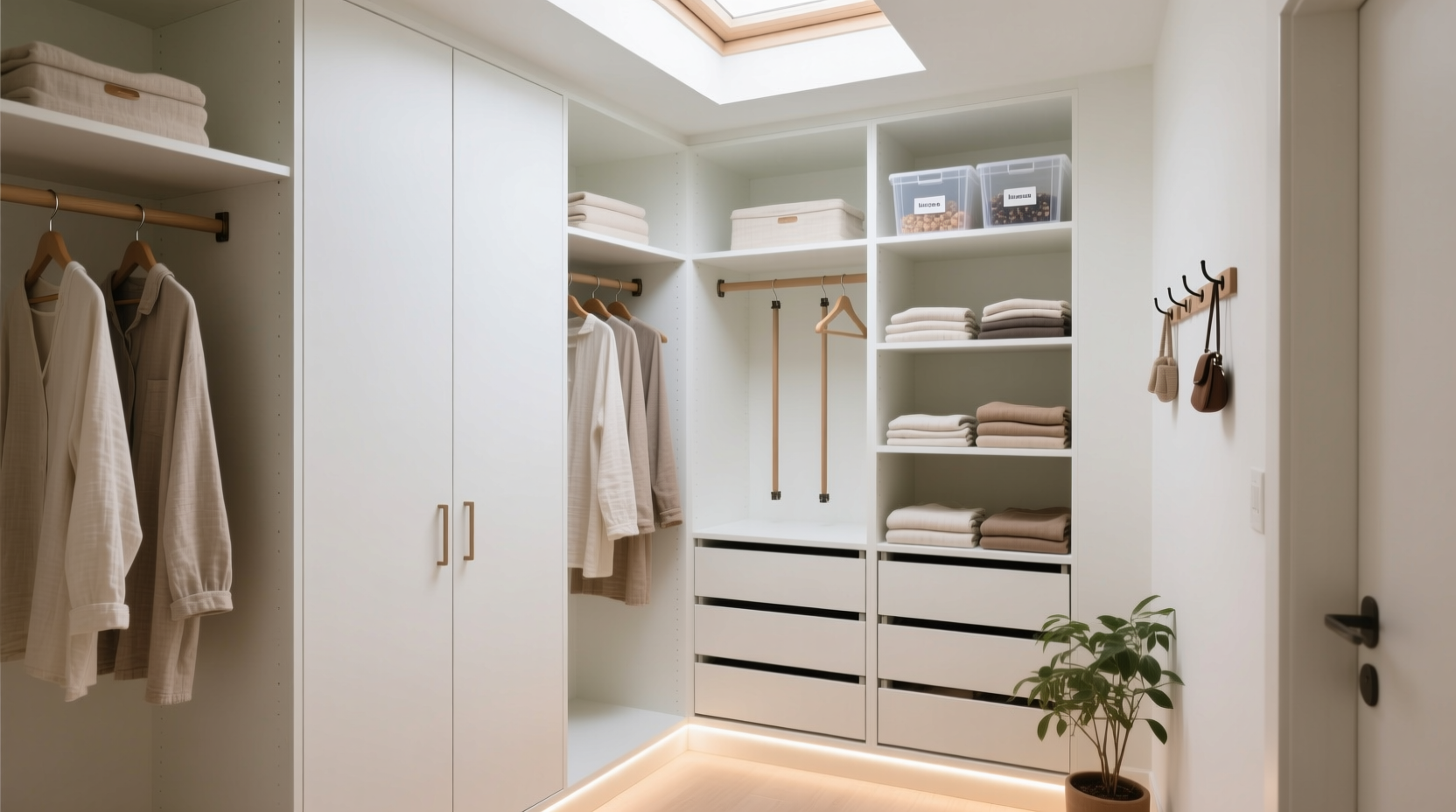
Before adding shelves or buying organizers, take stock of what you’re working with—and how you actually use your closet. Measure the interior dimensions: height, width, depth, and clearance around doors. Note existing features like hanging rods, shelves, or vents. Then evaluate your daily routine. Do you dress in the dark? Reach for jeans first? Struggle to find matching shoes?
Understanding your behavior prevents investing in solutions that look good but don’t function. For example, if you wear mostly folded clothes, a double-hang setup might be overkill. If you accessorize frequently, drawer dividers may matter more than shoe racks.
“Organization fails when it fights human behavior instead of supporting it.” — Laura Adams, Residential Organizer & Author of *Small Space, Big Impact*
Declutter Ruthlessly (But Strategically)
The foundation of any effective closet system is editing what stays. Clutter isn’t just physical—it’s cognitive. Every item you keep demands attention, even subconsciously. Begin by removing everything from the closet. Yes, everything. This forces a fresh evaluation and prevents items from being “hidden” in place.
Sort belongings into five categories:
- Keep: Fits well, worn in the past year, emotionally meaningful or seasonally essential.
- Donate/Sell: In good condition but no longer used.
- Repair/Alter: Needs minor fixes to become wearable again.
- Store Seasonally: Winter coats in summer, beachwear in winter—rotate these out.
- Discard: Stained, torn, or unwearable items.
Use the 90/90 rule: if you haven’t worn it in the last 90 days and won’t wear it in the next 90, let it go. Exceptions apply for formalwear or specialty gear, but be honest about usage frequency.
Mini Case Study: Emma’s 3x3 Closet Transformation
Emma, a graphic designer living in a downtown micro-apartment, had a closet measuring just 3 feet wide and 2.5 feet deep. It held 47 hangers, most doubled up, plus piles of sweaters on the floor and shoes stacked precariously in the corner. After pulling everything out, she discovered she wore only 12 tops and 6 bottoms regularly. She donated 68% of her wardrobe, kept 18 core pieces, and stored off-season layers in vacuum bags under her bed. With fewer items, she gained breathing room and could finally see what she owned.
Maximize Vertical and Hidden Space
Tiny closets rely on verticality. Most standard closets have unused airspace above the rod or below the shelf. Here’s how to exploit every dimension:
- Add a second hanging rod below the primary one – Ideal for shirts, pants, or children’s clothing. Leave at least 36 inches between rods.
- Install adjustable shelving above the top rod – Use for bins, hats, or folded denim. Adjustable units allow reconfiguration as needs change.
- Use the back of the door – Over-the-door organizers hold scarves, belts, jewelry, or cleaning supplies. Choose slim-profile versions to avoid interfering with swing.
- Utilize the floor efficiently – Stackable bins or low-profile drawers fit neatly beneath hanging clothes. Avoid bulky plastic containers that trap moisture.
- Hang a tension rod horizontally near the base – Suspend it 6–8 inches above the floor to hang delicate items or create a shoe rack using clip-on hangers.
Table: Smart Storage Solutions by Closet Zone
| Zone | Best Use | Recommended Organizers |
|---|---|---|
| Top Shelf (Above Rod) | Off-season storage, luggage, memorabilia | Fabric-covered bins, labeled boxes |
| Primary Hanging Area | Everyday shirts, dresses, jackets | Slim velvet hangers, cascading hooks |
| Lower Hanging Area | Pants, skirts, long garments | Double rod, trouser hangers |
| Floor | Shoes, baskets, rolling bins | Low-profile shoe trays, stackable drawers |
| Back of Door | Accessories, small items | Over-door pockets, hook strips |
Create Zones for Everything
Order thrives on predictability. Assign dedicated zones within your closet so each category has a permanent home. Grouping similar items reduces search time and makes maintenance easier. Consider this logical flow:
- Workwear – Hang together, ideally near the front.
- Casual Wear – Folded tees, loungewear in drawers or bins.
- Seasonal Layers – Sweaters, jackets stored in breathable containers.
- Accessories – Belts on hooks, scarves rolled in trays, jewelry in compartmentalized boxes.
- Shoes – Heels together, flats stacked, sneakers ventilated.
Fold bulkier knits vertically using the KonMari method—this saves space and lets you see every piece. Store handbags inside one another only if they’re similar in shape; otherwise, use tissue paper to maintain structure and place them on shelves.
“Zoning turns chaos into clarity. When everything has a place, putting things away becomes automatic.” — Marcus Reed, Professional Home Organizer
Upgrade Hardware for Efficiency
Stock closet builders prioritize cost over function. Upgrading hardware transforms usability without structural changes. Invest in:
- Velvet hangers – Thin, non-slip, and uniform. They save up to 50% more space than bulky wooden ones.
- Adjustable shelving kits – Let you customize heights based on changing needs.
- Pull-out baskets or slide-out trays – Especially useful for deep closets where back corners are hard to reach.
- LED motion-sensor lights – Battery-powered strips illuminate dark interiors automatically.
- Modular drawer units – Fit under hanging clothes and offer customizable compartments.
If your closet has sliding doors, consider replacing them with bi-fold or pocket doors to free up swing space. Alternatively, remove doors entirely and hang a curtain for soft separation.
Step-by-Step Guide: 5-Day Closet Rebuild
Transform your tiny closet without overwhelm. Follow this realistic timeline:
- Day 1: Empty & Evaluate
Remove all contents. Clean walls, baseboard, and floor. Take measurements and snap photos. - Day 2: Sort & Purge
Go through every item using the five-category system. Bag donations immediately. - Day 3: Plan Layout
Sketch a simple diagram. Decide on zones, hanging levels, and storage types. Order missing organizers. - Day 4: Install Systems
Mount shelves, rods, door organizers, and lighting. Let adhesive products cure overnight if needed. - Day 5: Restock Mindfully
Place items back by category and frequency of use. Label bins for clarity.
Checklist: Tiny Closet Success Essentials
Ensure nothing is missed with this actionable checklist:
- ☐ Measure closet interior (height, width, depth)
- ☐ Remove all items and clean thoroughly
- ☐ Sort clothing into Keep, Donate, Repair, Store, Discard
- ☐ Identify top 5 most-worn categories
- ☐ Sketch a new layout with zones
- ☐ Purchase slim hangers, shelf dividers, and bins
- ☐ Install additional rods or shelves if needed
- ☐ Add lighting for visibility
- ☐ Label all containers
- ☐ Perform monthly 10-minute tidy-up
FAQ
Can I organize a tiny closet without drilling holes?
Absolutely. Use over-the-door organizers, stackable bins, tension rods, and freestanding racks. Adhesive hooks and peel-and-stick shelf liners also help without permanent modifications. Renters especially benefit from non-invasive solutions.
How do I prevent my closet from getting messy again?
Build in maintenance habits. Adopt the “one in, one out” rule: when you buy something new, remove an old item. Schedule a 10-minute weekly reset to realign zones. Store off-season items elsewhere to reduce density.
What’s the best way to store shoes in a small closet?
Use vertical solutions: hanging shoe bags, tiered racks, or wall-mounted cubbies. Avoid stacking unless using shoe boxes with photos on the label. For limited floor space, consider a narrow pull-out shoe carousel that tucks behind the door.
Maintain the System with Minimal Effort
A once-perfect closet degrades without upkeep. The key is designing for ease. If restocking feels like a chore, the system is too complex. Optimize for frictionless returns: hangers should glide, bins should slide, labels should be clear. At the end of each week, pause for two minutes to straighten misaligned items. This micro-habit prevents clutter from accumulating.
Seasonal rotation is another critical touchpoint. Every three months, swap out weather-specific clothing. Use this moment to reassess what’s still relevant. You’ll likely find pieces you forgot existed—and others you’re ready to release.
Conclusion
Organizing a tiny closet isn’t about fitting more in—it’s about creating calm, clarity, and control. With intentional editing, strategic zoning, and the right tools, even the smallest space can support a streamlined, stress-free routine. The goal isn’t perfection; it’s sustainability. A closet that works quietly in the background frees up energy for what matters most. Start small, stick to the process, and watch how a single organized corner can ripple into broader confidence and peace.




 浙公网安备
33010002000092号
浙公网安备
33010002000092号 浙B2-20120091-4
Comments
No comments yet. Why don't you start the discussion?