
For anime fans, plushies are more than just toys—they’re collectibles, emotional anchors, and expressions of fandom. But as collections grow, so does the risk of turning a cozy bedroom into a tangled jungle of fabric and stuffing. The good news? Organization doesn’t mean sacrificing display or sentiment. With thoughtful planning and practical strategies, you can showcase your favorite characters while maintaining a clean, spacious environment.
The key lies in balancing visibility with order. Whether you own five plushies or fifty, an intentional system prevents clutter from creeping in. From vertical storage to rotation practices, this guide outlines actionable methods that prioritize both aesthetics and functionality—so your space remains livable, enjoyable, and true to your passion.
Create a Collection Philosophy
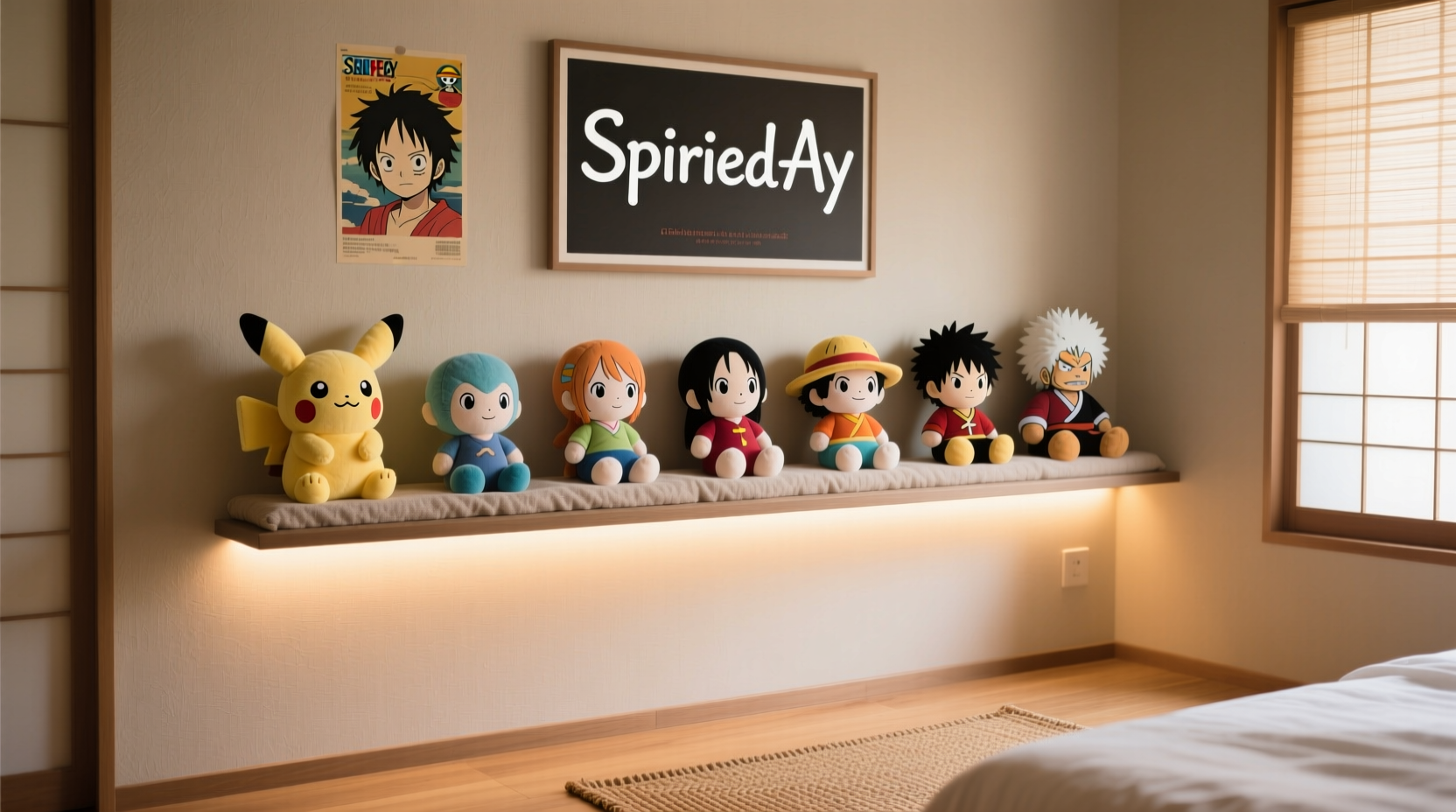
Before arranging plushies, define what your collection means to you. Is it about nostalgia? Display artistry? Completing a series? Establishing a purpose helps filter decisions about what stays visible, what gets stored, and what might be better suited for occasional display rather than permanent residence.
A clear philosophy reduces emotional attachment to every single item, making it easier to curate thoughtfully. For example, some collectors choose to keep only one representative plushie per anime, rotating others seasonally. Others designate tiers: “display tier” for favorites, “rotation tier” for sentimental backups, and “storage tier” for rarely shown pieces.
Maximize Vertical Space with Smart Shelving
Floor space is precious. Instead of letting plushies sprawl across nightstands and beds, shift focus upward. Wall-mounted shelves, floating ledges, and bookcase units turn unused vertical real estate into curated galleries.
Install staggered shelving at eye level to create visual interest. Use depth strategically—deeper shelves accommodate larger plushies, while narrow ledges work for slimmer figures. Arrange by theme (e.g., Studio Ghibli corner), color gradient, or size progression to add design cohesion.
Consider modular cube organizers like IKEA Kallax. These allow flexible configurations and can double as seating when topped with cushion covers. Insert fabric bins within cubes to hide overflow plushies while keeping them accessible.
“Vertical organization isn’t just about saving floor space—it’s about transforming clutter into intentional decor.” — Lila Chen, Interior Designer & Pop Culture Collector
Implement a Rotation System
Not every plushie needs to be on display all year. A rotation system keeps your room feeling fresh and prevents visual fatigue. Choose a seasonal or monthly schedule to swap out plushies based on themes, holidays, or current anime interests.
For example:
- Spring: Soft pastel-colored plushies or nature-themed characters (Totoro, Jiji).
- Summer: Energetic or beach-vibes characters (Luffy, Deku).
- Fall: Spooky or school-uniform designs (Nezuko, Rei Ayanami).
- Winter: Holiday editions or snow-themed characters (Santa Naruto, Frosty Pikachu).
Store off-season plushies in labeled, breathable containers. Vacuum-sealed bags may compress volume but can deform stuffing over time. Opt instead for cotton-lined bins or canvas storage boxes placed under beds or inside closets.
Step-by-Step: Setting Up a Rotation Schedule
- Inventory all plushies and categorize by theme, size, or seasonality.
- Select 5–7 primary display pieces for the current season.
- Photograph each setup for social media or personal logs (optional).
- Pack away rotated items in clean, dry containers with silica gel packs.
- Set calendar reminders to switch displays every 3 months.
Use Furniture That Doubles as Storage
Multi-functional furniture is a game-changer for plushie lovers. Ottomans with hollow interiors, storage benches, and platform beds with drawers provide hidden compartments ideal for less-frequently displayed plushies.
Choose pieces with easy-access lids or pull-out trays to avoid frustration. Line interiors with soft fabric to prevent dust accumulation and minor damage. These spaces are especially useful for limited-edition plushies you want to preserve long-term.
Even standard dressers can be repurposed. Dedicate one drawer exclusively to plushie storage. Fold soft blankets or towels at the bottom as padding, then place plushies upright or side-by-side to minimize creasing.
Do’s and Don’ts of Plushie Storage Furniture
| Do’s | Don’ts |
|---|---|
| Use breathable fabric liners in storage compartments | Store plushies in plastic bags long-term (traps moisture) |
| Choose furniture with smooth interior edges | Overstuff drawers, causing fabric strain |
| Include desiccant packs to control humidity | Place near radiators or windows with direct sunlight |
| Label drawers or bins by character or anime | Mix plushies with strong-smelling items (perfumes, cleaning supplies) |
Display Creatively Without Overcrowding
Strategic display turns a collection into art. Avoid clustering plushies tightly together—this creates visual noise and makes individual pieces harder to appreciate. Instead, use negative space to highlight standout characters.
Try these creative approaches:
- Shadow Boxes: Frame smaller plushies like artwork using deep picture frames with glass fronts. Ideal for rare or delicate editions.
- Mini Dioramas: Place plushies in themed settings—a tiny desk for a study-mode character, a cardboard train car for a travel scene.
- Hanging Displays: Suspend plushies from ceiling hooks (with clear fishing line) for a floating effect—great for flying characters like Howl or Pikotchi.
- Bookshelf Integration: Weave plushies among books and plants to blend fandom with everyday decor.
Lights can enhance presentation. Small LED spotlights or battery-powered puck lights draw attention without generating heat. Avoid halogen bulbs, which can fade fabrics over time.
Mini Case Study: Rina’s Minimalist Plushie Wall
Rina, a university student in Osaka, owns over 40 anime plushies but lives in a 12-square-meter apartment. To avoid clutter, she installed a single 1.5-meter-wide pegboard wall above her bed. Using adjustable hooks and fabric pockets, she rotates eight plushies at a time in a grid pattern. Each month, she changes the layout based on her favorite currently airing anime. Off-display plushies are stored in vacuum-compressed cubes under her bed. Her room feels open, personalized, and easy to clean—proof that even large collections can coexist with minimalism.
Maintenance and Long-Term Care
Organization isn’t complete without upkeep. Dust accumulates quickly on fabric surfaces, especially near windows or vents. Wipe plushies weekly with a microfiber cloth or use a handheld vacuum with a brush attachment on low suction.
For deeper cleaning:
- Check care labels first. Most plushies are surface-wash only.
- Spot-clean stains with mild detergent and a damp cloth.
- Air-dry completely before returning to shelves—never machine-dry, as heat damages fibers and adhesives.
Inspect seams and embroidery every few months. Repair loose threads early to prevent unraveling. Keep plushies away from pets and high-traffic areas where they might be knocked over or stepped on.
Plushie Organization Checklist
Follow this checklist to build and maintain an organized plushie space:
- ☐ Take inventory of all plushies and group by anime, size, or sentimental value.
- ☐ Designate a primary display area using shelves, shadow boxes, or furniture.
- ☐ Invest in at least two storage solutions (e.g., under-bed bin + closet organizer).
- ☐ Label all storage containers clearly.
- ☐ Set up a rotation calendar (seasonal or monthly).
- ☐ Clean plushies monthly and inspect for wear.
- ☐ Declutter annually—donate, gift, or sell duplicates or unused items.
Frequently Asked Questions
How many plushies are too many for a small room?
There’s no fixed number—it depends on organization. Even 30 plushies can fit neatly in a small room if stored vertically and rotated. The real issue isn’t quantity, but visibility. If surfaces feel crowded or movement is restricted, it’s time to reassess display choices and increase storage usage.
Can I store plushies in attics or basements?
Generally not recommended. Attics often get too hot, causing fabric fading and glue degradation. Basements tend to be humid, increasing mold risk. Ideal storage is climate-controlled, dark, and dry—such as a closet interior or under-bed container in a main living area.
What if I want to display fragile or limited-edition plushies?
Preserve rare pieces by placing them in sealed display cases or acrylic boxes. These protect against dust, sunlight, and accidental handling. Avoid direct window exposure to prevent UV damage. Handle only with clean hands when rearranging.
Final Thoughts: Passion Meets Practicality
Organizing anime plushies isn’t about hiding your love for the medium—it’s about honoring it. When each piece has a place and purpose, your room becomes a gallery of memories, creativity, and fandom pride. Clutter happens when systems fail, not when collections grow. By applying smart storage, creative display, and consistent maintenance, you ensure your space remains welcoming, functional, and deeply personal.
Start small. Pick one shelf, one drawer, one rotation cycle. Build habits gradually. Over time, you’ll find that loving your plushies and loving your space aren’t mutually exclusive—they’re best enjoyed together.




 浙公网安备
33010002000092号
浙公网安备
33010002000092号 浙B2-20120091-4
Comments
No comments yet. Why don't you start the discussion?