
Packing lunch for work doesn’t have to mean relying on single-use plastics or disposable packaging. With growing awareness of environmental impact, many professionals are turning to zero waste solutions that eliminate plastic from their daily routines—starting with their midday meal. A plastic-free lunch isn't just better for the planet; it’s often healthier, more cost-effective, and surprisingly simple to manage once you establish a routine.
The core idea behind a zero waste lunch is to avoid anything destined for landfill or incineration. This means no plastic wrap, zip-top bags, Styrofoam containers, or disposable cutlery. Instead, you rely on durable, reusable items that can be washed and used again. The goal isn’t perfection—it’s progress. Even small changes, like swapping plastic sandwich bags for cloth wraps, reduce long-term waste and set a powerful example in your workplace.
Why Avoid Plastic Containers?
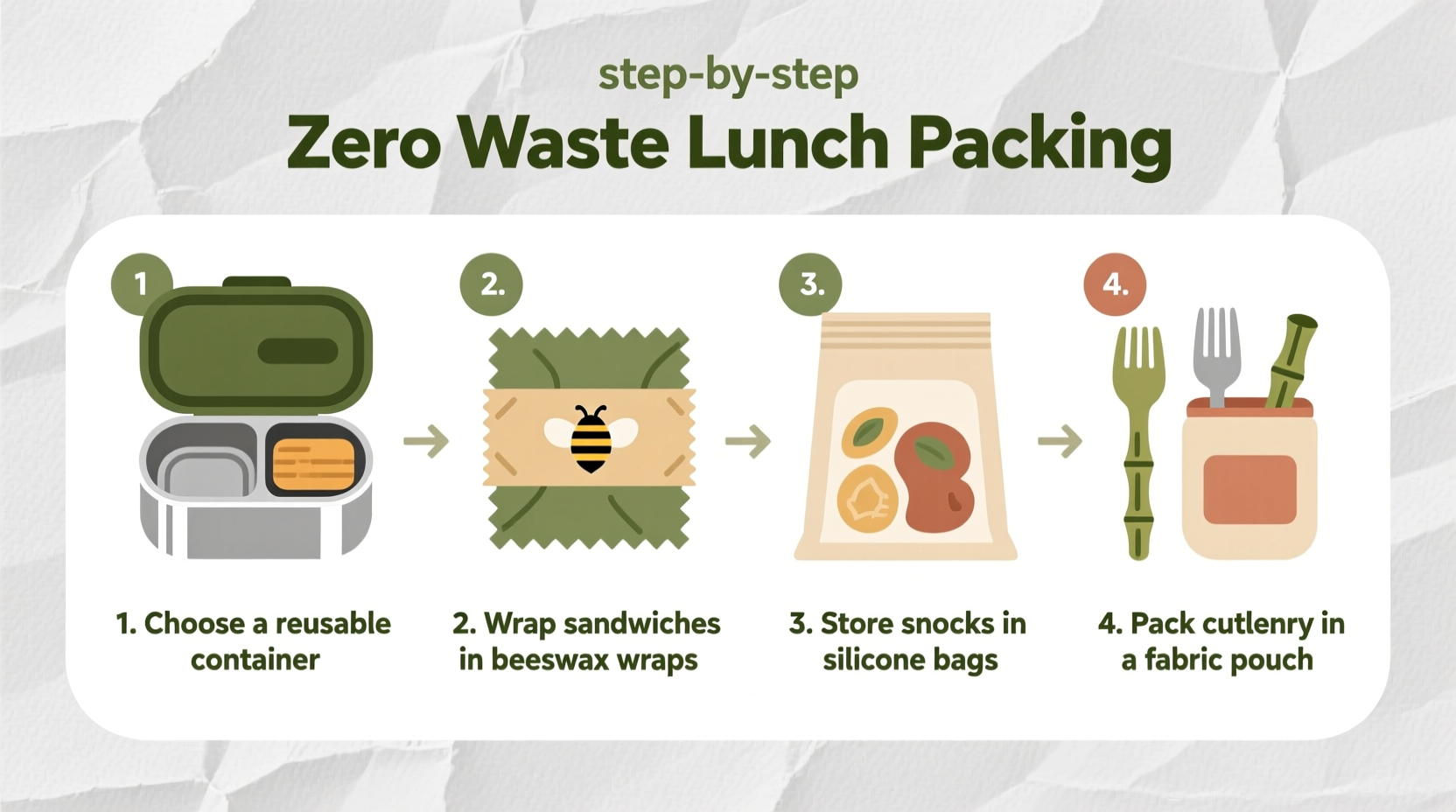
Plastic has become synonymous with convenience, but its environmental cost is staggering. Over 300 million tons of plastic are produced annually, and food-related packaging accounts for nearly half of all single-use plastic waste. Most of this ends up in landfills, oceans, or ecosystems where it takes centuries to break down—releasing microplastics and toxins along the way.
Even so-called \"recyclable\" plastic containers often aren’t recycled due to contamination, lack of infrastructure, or low market demand. According to National Geographic, only about 9% of all plastic ever made has been recycled. The rest persists in the environment, harming wildlife and entering the human food chain.
“Every piece of plastic ever made still exists in some form. Eliminating unnecessary plastic use is one of the most direct ways individuals can reduce their environmental footprint.” — Dr. Sarah Lang, Environmental Scientist & Circular Economy Researcher
Beyond environmental concerns, plastic containers can leach harmful chemicals like BPA and phthalates into food, especially when heated or exposed to acidic ingredients. Opting for non-plastic alternatives supports both planetary and personal health.
Essential Reusable Alternatives to Plastic
The foundation of a zero waste lunch is investing in high-quality, reusable tools designed to last. These replacements not only eliminate waste but also enhance the eating experience through better insulation, durability, and design.
- Stainless Steel Bento Boxes: These compartmentalized containers keep foods separate without leaking. They’re lightweight, rust-resistant, and safe for hot and cold meals.
- Beeswax Wraps: Made from cotton infused with beeswax, resin, and jojoba oil, these pliable wraps mold around sandwiches, fruits, or bowls. They last up to a year with proper care.
- Silicone Lids and Stretch Covers: Replace plastic wrap by using reusable silicone lids that fit over bowls and plates.
- Cloth Sandwich Bags: Washable fabric pouches with snap or zipper closures offer a colorful, durable alternative to plastic baggies.
- Insulated Stainless Steel Bottles: For soups, stews, or beverages, these maintain temperature for hours and prevent spills.
- Reusable Cutlery Sets: Compact kits with fork, knife, spoon, and even chopsticks fit easily in a lunch bag.
When selecting products, prioritize materials that are non-toxic, easy to clean, and repairable. Look for brands offering take-back programs or warranties to extend product life cycles.
Step-by-Step Guide to Packing Your First Plastic-Free Lunch
Transitioning to a zero waste lunch doesn’t require an overnight overhaul. Follow this practical timeline to build a sustainable habit gradually.
- Day 1–3: Audit Your Current Routine
Track what you typically eat and identify every disposable item involved—plastic bags, cling film, yogurt cups, etc. Note pain points (e.g., soggy sandwiches, messy containers). - Week 1: Acquire Core Tools
Purchase one or two key replacements: start with a stainless steel container and a set of beeswax wraps. Test them during weekend meals before bringing them to work. - Week 2: Prepare a Complete Zero Waste Meal
Pack a full lunch using only reusables. Include a main dish, side, drink, and utensils. Pay attention to cleaning needs after use. - Week 3: Optimize Storage and Workflow
Designate a space in your kitchen for lunch prep. Keep containers clean and ready. Pre-wash produce or batch-cook grains to save time. - Week 4: Refine and Share
Adjust based on feedback—was the soup too hot? Did the wrap leak? Once comfortable, share your system with coworkers or post about it on social media to inspire others.
This phased approach prevents overwhelm and ensures each tool proves its worth before expanding your collection.
Do’s and Don’ts of Plastic-Free Lunch Packing
| Do’s | Don’ts |
|---|---|
| Use wide-mouth jars for salads—layer dressing at the bottom to prevent sogginess. | Don’t use old takeout containers as long-term solutions; they degrade quickly and may leach chemicals. |
| Label containers with your name using removable tags or etching. | Don’t store oily or acidic foods in untreated wood or bamboo containers unless lined properly. |
| Rinse containers immediately after eating to prevent staining and odor buildup. | Don’t wash beeswax wraps in hot water—it melts the wax coating. |
| Carry a small towel or napkin in your lunch bag for wiping spills or drying hands. | Avoid decorative containers with glued-on elements that can chip or harbor bacteria. |
Real-Life Example: Maya’s Transition to a Plastic-Free Lunch
Maya, a marketing analyst in Portland, used to spend $8 daily on takeout or pre-packaged meals. Her desk drawer was cluttered with empty snack bags and sauce packets. After watching a documentary on ocean pollution, she decided to make a change.
She started by replacing her plastic water bottle with a stainless steel one and brought leftovers in a single bento box. Within two weeks, she added cloth napkins and a spork. By month’s end, she had eliminated all disposables from her lunch routine.
“I was surprised how little extra effort it took,” she said. “Now I save about $150 a month, and my coworkers ask me where I got my cool lunchbox.” She now leads a “Zero Waste Wednesdays” challenge in her office, encouraging colleagues to go plastic-free one day a week.
Her biggest tip? “Start with what you already have. Repurpose glass jars from pasta sauce or pickles. You don’t need to buy everything at once.”
Building a Sustainable Lunch Routine
Sustainability isn’t just about materials—it’s about systems. To maintain a zero waste lunch long-term, integrate these practices into your weekly rhythm:
- Meal Plan Weekly: Dedicate one evening to plan lunches. This reduces impulse buys and food waste while ensuring balanced nutrition.
- Batch Cook: Prepare grains, proteins, and roasted vegetables in bulk. Portion them into containers for grab-and-go mornings.
- Shop Smart: Buy dry goods like rice, nuts, and spices from bulk bins using cloth produce bags. Choose seasonal produce to minimize packaging.
- Keep a Lunch Kit Ready: Store your container, cutlery, napkin, and drink vessel together in a tote or insulated bag so nothing gets forgotten.
- Wash Efficiently: Rinse containers at work if possible, or place them directly in the dishwasher when you get home. Air-dry upside down to prevent moisture buildup.
Zero Waste Lunch Checklist
Use this checklist each morning to ensure you're fully prepared:
- ✅ Main dish in reusable container
- ✅ Side (fruit, veggies, salad) in separate compartment or jar
- ✅ Reusable drink bottle filled
- ✅ Utensils and cloth napkin packed
- ✅ Insulated bag or cooler (if needed)
- ✅ Ice pack or frozen bottle (optional)
- ✅ Container labels securely attached
- ✅ Leftover container returned to bag after eating
Hang this list on your fridge or save it on your phone for quick reference.
Frequently Asked Questions
Can I heat my food if I’m using non-plastic containers?
Yes—stainless steel and glass containers are generally microwave and oven-safe (remove lids first). Avoid microwaving beeswax wraps or silicone products unless labeled heat-safe. For metal containers, transfer food to a ceramic dish if reheating in a microwave.
What if my office doesn’t have dishwashing facilities?
Rinse your container with a reusable water bottle or wipe it with a damp cloth and biodegradable soap. Many people store rinsed containers in a sealed bag until they can wash them at home. Some bring a collapsible sink basin for quick scrubbing at the office sink.
How do I keep cold foods cold without plastic coolers?
Use an insulated fabric lunch bag with a stainless steel ice pack or a frozen water bottle. These stay cold for 6–8 hours and are reusable indefinitely. Avoid gel packs with single-use plastic shells—opt for metal or plant-based refillable versions instead.
Conclusion: Make Every Bite Count
Packing a zero waste lunch without plastic containers is more than an eco-friendly trend—it’s a meaningful shift toward mindful consumption. Each time you choose a stainless steel bento box over a disposable tray, or wrap a sandwich in beeswax instead of cling film, you contribute to a larger movement reducing humanity’s reliance on throwaway culture.
You don’t need to be perfect. Start with one change. Master it. Then add another. Over time, your plastic-free lunch becomes second nature—a quiet act of resistance against waste, done one meal at a time.




 浙公网安备
33010002000092号
浙公网安备
33010002000092号 浙B2-20120091-4
Comments
No comments yet. Why don't you start the discussion?