
A fashion wallet is more than just a functional accessory—it’s a daily companion that reflects personal style, organizational habits, and long-term investment sense. With countless options flooding the market, from minimalist cardholders to luxury designer pieces, distinguishing true quality from superficial appeal can be challenging. Many consumers unknowingly pay premium prices for poorly constructed accessories that wear out within months. Understanding what sets a genuinely high-quality wallet apart empowers you to make smarter purchases, avoid costly replacements, and enjoy both aesthetic pleasure and practical durability.
Material Matters: What Your Wallet Is Made Of
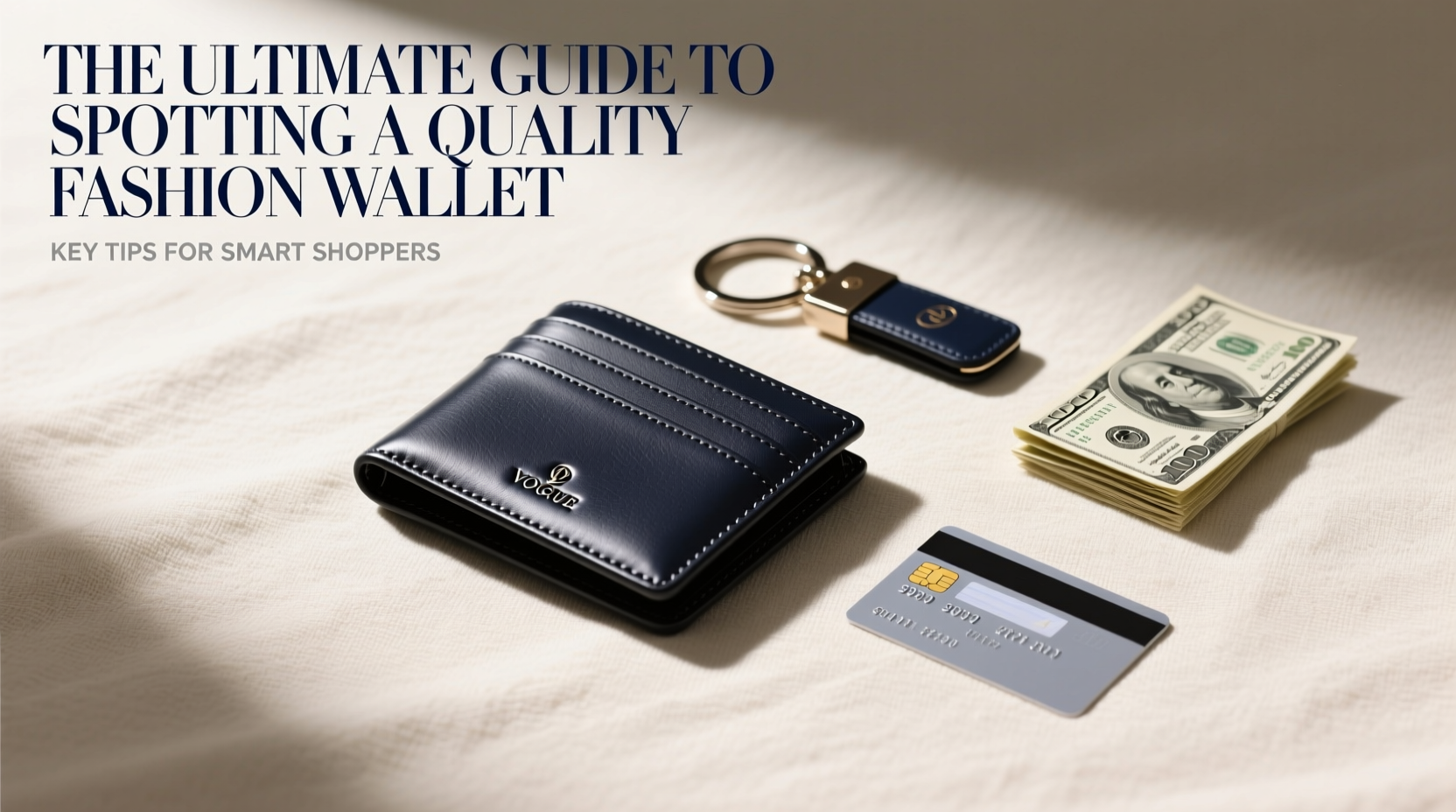
The foundation of any quality wallet lies in its material. While aesthetics matter, longevity and performance are dictated by what the product is built from. Leather remains the gold standard, but not all leather is created equal.
- Full-grain leather is the highest quality available. It retains the natural grain and fibers of the hide, making it incredibly durable and resistant to wear. Over time, it develops a rich patina, enhancing its character.
- Top-grain leather is sanded and refinished, offering a smoother look but less resilience. It’s more affordable but tends to age less gracefully.
- Genuine leather is often misleading—it simply means “real leather,” but typically refers to lower layers bonded with adhesives. These degrade faster and lack structural integrity.
- Synthetic materials like PU or vegan leather may appeal for ethical reasons, but they rarely match the breathability, strength, or aging potential of natural hides.
Craftsmanship: The Hidden Details That Define Quality
Beyond material, construction techniques reveal whether a wallet was made to last or mass-produced for quick turnover. Pay attention to stitching, lining, and edge finishing—details often overlooked but critical to longevity.
Look for saddle stitching, where two threads interlock through each hole. Unlike machine stitching, which uses a single thread, saddle stitching prevents complete unraveling if one section breaks. Double-stitching along stress points like corners and card slots adds reinforcement.
The edges of a premium wallet should be burnished—smoothed and sealed to prevent fraying. Sloppy, rough, or peeling edges indicate rushed production. Similarly, inspect the interior: high-end wallets use fabric linings like cotton twill or microfiber that resist tearing and moisture absorption. Cheap alternatives often use flimsy polyester that pills quickly.
“Stitching isn’t just decorative—it’s structural. A well-made wallet should feel tight, precise, and balanced in hand.” — Daniel Reeves, Artisan Accessory Designer
Functional Design: Balancing Style and Practicality
A beautiful wallet fails if it doesn’t serve its purpose. Smart design considers ergonomics, capacity, and daily usability. Too many compartments create bulk; too few lead to clutter. The ideal balance depends on lifestyle, but certain principles apply universally.
Consider how you carry your essentials. If you rely heavily on cards, opt for a slim organizer with dedicated slots rather than overstuffed pockets. For cash users, ensure the billfold compartment is deep enough to hold folded notes without stretching the material. RFID-blocking features are useful in high-theft areas, but only effective if properly shielded—not just labeled as such.
Size also plays a role. Oversized wallets strain back pockets, distort clothing lines, and increase wear. A compact bifold or minimalist front-pocket design often offers better comfort and protection against bending or creasing.
| Wallet Type | Best For | Potential Drawback |
|---|---|---|
| Bifold | Balanced storage, traditional fit | Can thicken over time |
| Trifold | High capacity, formal settings | Bulky, hard to open one-handed |
| Cardholder | Minimalists, front-pocket carry | Limited cash space |
| Money Clip Wallet | Quick access, sleek profile | May lose grip with thick bills |
How to Spot Marketing Hype vs. Real Value
Brands often use buzzwords like “luxury,” “handcrafted,” or “premium” without substantiating claims. To cut through the noise, focus on verifiable indicators of quality rather than branding alone.
Ask: Does the manufacturer provide transparency about sourcing? Are materials named specifically (e.g., “Italian full-grain calf leather” vs. “genuine leather”)? Is there a warranty or repair policy? Reputable brands stand behind their products with lifetime repairs or satisfaction guarantees.
Check customer reviews with photos—real-world images after months of use reveal how a wallet ages. Be wary of listings with overly perfect stock photography and no user-generated content.
Mini Case Study: From Bargain Buy to Regret
Sophie purchased a \"designer-inspired\" wallet online for $35, drawn by its sleek appearance and five-star rating. Within six weeks, the corners began peeling, the stitching near the coin pocket unraveled, and the faux leather cracked at the folds. She ended up buying a $120 full-grain leather wallet from a transparent brand. Two years later, it remains in excellent condition, developing a warm patina she now cherishes. Her total cost per use? Less than half of her initial impulse buy when factoring in replacement frequency.
Your Smart Shopping Checklist
Before making a purchase, go through this concise checklist to ensure you're investing wisely:
- ✅ Identify the exact material—avoid vague terms like “genuine” or “synthetic leather.”
- ✅ Examine stitch density—at least 8–10 stitches per inch indicates care.
- ✅ Test flexibility—bend the wallet gently. It should flex smoothly, not crack or crease sharply.
- ✅ Check edge finish—edges should be smooth, sealed, and free of fraying.
- ✅ Assess interior lining—should be durable, non-slip, and well-attached.
- ✅ Look for brand transparency—origin, materials, and warranty details should be clear.
- ✅ Read long-term user reviews—focus on feedback after 6+ months of use.
Frequently Asked Questions
Is a more expensive wallet always better?
Not necessarily. Price can reflect branding, markup, or exclusivity more than actual quality. Some mid-range brands offer superior craftsmanship compared to overpriced fast-fashion labels. Focus on materials and construction first.
How do I maintain my wallet to extend its life?
Keep it away from moisture and extreme heat. Wipe down leather monthly with a dry cloth; condition every 3–6 months using a pH-balanced leather conditioner. Empty it weekly to relieve tension on seams and allow the shape to reset.
Are minimalist wallets worth it?
For those who carry only essentials, yes. Minimalist designs reduce bulk, prevent pocket strain, and encourage organization. However, they require discipline—if you tend to accumulate receipts or multiple cards, a slightly larger format may suit you better.
Final Thoughts: Invest in Integrity, Not Just Image
A quality fashion wallet shouldn’t be chosen solely for Instagram appeal or seasonal trends. It’s an intimate item, handled dozens of times a day, exposed to friction, oils, and environmental stress. Choosing one built with integrity means selecting something that ages with grace, performs reliably, and aligns with your values—whether that’s sustainability, craftsmanship, or timeless design.
Next time you shop, slow down. Touch, test, and research. Ask questions. Walk away from deals that seem too good to be true—because they usually are. When you find a wallet that passes every test of material, build, and function, you’re not just buying an accessory. You’re acquiring a tool designed to serve you well for years.




 浙公网安备
33010002000092号
浙公网安备
33010002000092号 浙B2-20120091-4
Comments
No comments yet. Why don't you start the discussion?