
Anime collectibles—figures, statues, Nendoroids, and limited-edition resin pieces—are more than decorative items. For collectors, they represent passion, investment, and personal connection. But when it comes time to ship them, whether for sale, trade, or relocation, the risk of damage is high. A single crack or broken limb can drastically reduce value and emotional significance. Unlike mass-produced goods, these items are often hand-painted, made from brittle PVC or delicate resin, and feature intricate details that are easily chipped.
Packing them properly isn’t optional—it’s essential. The right approach combines material knowledge, structural protection, and awareness of handling risks during transit. This guide walks through every critical step, from selecting packaging materials to final sealing, ensuring your prized collectibles arrive intact, no matter the distance.
Selecting the Right Packaging Materials
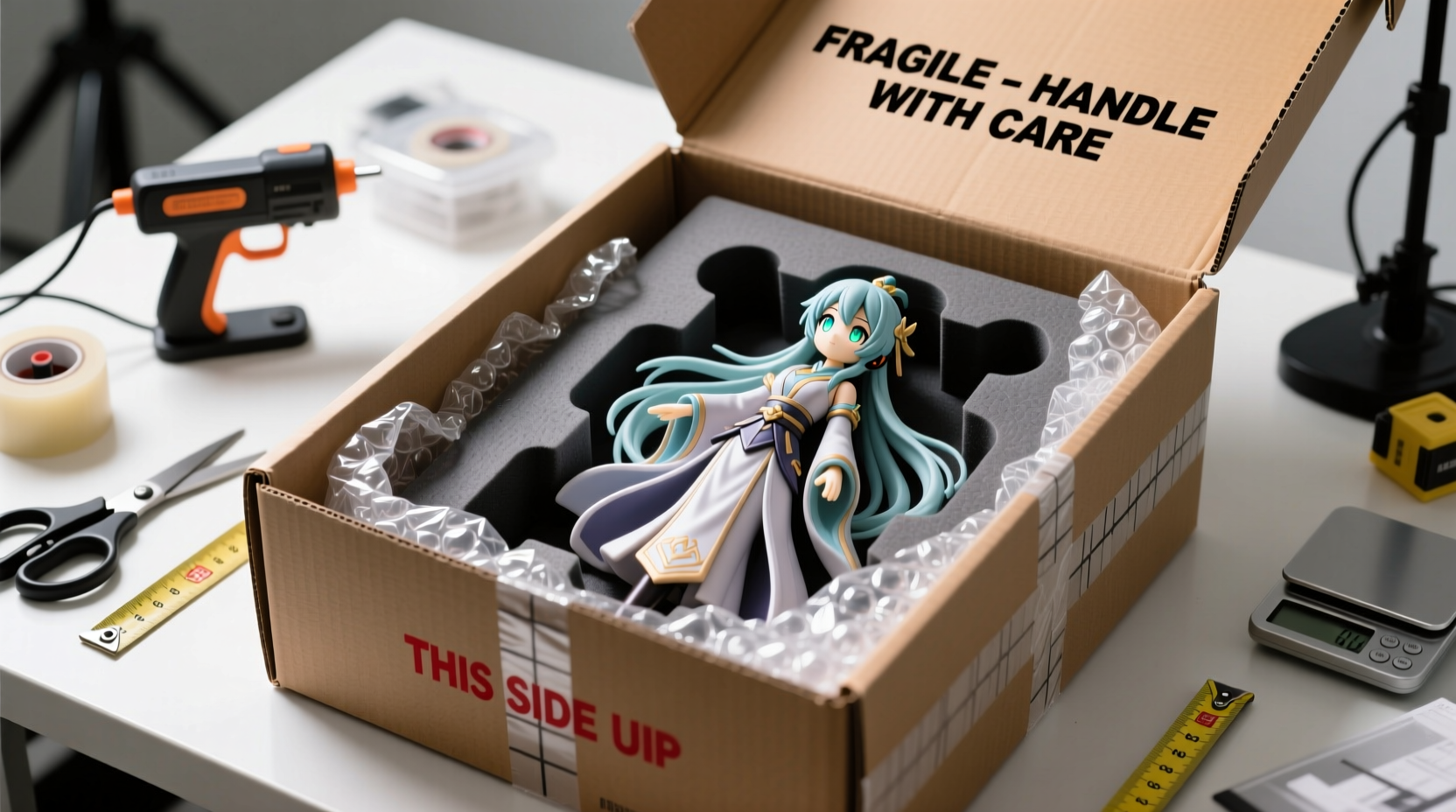
The foundation of safe shipping lies in choosing appropriate materials. Not all boxes or cushioning products offer equal protection. Using subpar supplies increases the likelihood of shifting, crushing, or impact damage.
Start with a sturdy corrugated cardboard box—one that’s double-walled if possible. Single-wall boxes may suffice for small figures under 6 inches, but anything larger or heavier requires reinforced walls. The box should be slightly larger than the item (about 2–3 inches on each side), allowing space for padding without excessive movement.
Cushioning is where most mistakes occur. Common household alternatives like newspaper or tissue paper compress too quickly and provide minimal shock absorption. Instead, use:
- Bubble wrap (preferably 1/4 inch or “double bubble”): Ideal for wrapping individual parts and creating air pockets around protrusions.
- Expanded polystyrene foam (EPS) inserts: Custom-cut foam fits snugly around irregular shapes and prevents lateral movement.
- Polyethylene foam sheets: Denser than bubble wrap, excellent for lining box interiors.
- Packing peanuts or air pillows: Use only as secondary fillers once the item is immobilized; never rely on them alone.
Step-by-Step Guide to Securing Fragile Figures
Follow this sequence to ensure maximum protection at every stage of packing:
- Disassemble removable parts: Detach weapons, wings, stands, or accessories. Wrap each separately in bubble wrap and place them in labeled ziplock bags. Reattaching damaged parts later is harder than protecting them upfront.
- Wrap the main figure: Begin with a layer of soft microfiber cloth to prevent surface scratches, then apply bubble wrap starting from the base upward. Pay special attention to raised areas like hair, hands, and facial features. Use tape only on non-visible surfaces to avoid adhesive residue.
- Create a cradle: Cut two pieces of rigid foam board into L-shapes that fit the bottom and sides of the box. Place one piece at the base, set the wrapped figure inside, then secure it with the second piece. This sandwich method restricts movement in all directions.
- Fill voids: Surround the cradle with additional foam padding or tightly packed bubble-wrapped layers. No empty spaces should remain—compression over time creates room for sliding.
- Seal and reinforce: Close the box with high-strength packing tape in an H-pattern (two strips along the length, one across the width, plus flaps). Reinforce edges if shipping internationally or via ground freight.
For multi-figure shipments, never stack items directly. Each must have its own isolated compartment within the same box or be placed in separate containers.
Do’s and Don’ts When Packing Anime Figures
| Do’s | Don’ts |
|---|---|
| Use double-boxing for high-value items (inner box inside a larger outer box with gap filled with cushioning) | Ship figures in original packaging without added external protection |
| Label packages clearly with “Fragile” and “This Side Up” arrows | Assume couriers will handle boxes gently regardless of labeling |
| Take photos before packing for insurance documentation | Forget to remove batteries from light-up bases (risk of leakage) |
| Choose carriers with tracking and insurance options | Under-declare value to save on shipping costs |
| Test fit all components before final sealing | Overstuff boxes trying to save on shipping fees |
Real Example: Shipping a Limited-Edition Reaper Zenitsu Statue
A collector in Osaka prepared to ship a 1:8 scale Demon Slayer statue valued at $450 to a buyer in Toronto. The piece stood 14 inches tall, featured translucent sword effects, and had individually glued hair strands vulnerable to snapping.
Instead of relying on the original styrofoam insert—which only secured the base—the seller upgraded the packaging. They disassembled the sword and stand, wrapped each component in three layers of bubble wrap, and embedded them in custom-cut polyurethane foam blocks inside a new double-walled box. The inner box was suspended using corner protectors and surrounded by 2 inches of closed-cell foam on all sides. The entire assembly was double-boxed with a 1-inch air gap filled with recycled paper composite padding.
The package was labeled with orientation arrows and marked “Fragile – Do Not Stack.” It traveled via express courier with full declared value insurance. Upon arrival, the buyer confirmed zero movement, no cosmetic wear, and perfect condition—even the delicate glow effect remained undamaged.
This case illustrates how investing extra time and materials pays off in preservation and trust-building between collectors.
Expert Insight on Long-Distance Figure Transport
“Most damage occurs not from drops, but from sustained vibration and temperature shifts during transit. Proper isolation using layered damping materials reduces micro-movements that lead to stress fractures.” — Dr. Hiro Tanaka, Packaging Engineer & Collector of 17 Years
Dr. Tanaka emphasizes that while major impacts are rare, constant jostling on delivery trucks causes cumulative strain, especially on jointed figures or those with thin extensions. He recommends combining flexible wraps (like bubble film) with rigid barriers (such as die-cut foam) to absorb both sudden shocks and low-frequency vibrations.
Essential Checklist Before Sealing the Box
Before handing over your package, verify the following:
- ✅ All detachable parts are removed and individually wrapped
- ✅ Figure is clean and free of dust or oils (which attract debris)
- ✅ Bubble wrap covers all protruding elements with no exposed edges
- ✅ Inner packaging fully immobilizes the item (no wobble when tilted)
- ✅ Outer box is structurally sound with no tears or weak seams
- ✅ Void spaces are filled—nothing shifts when box is shaken
- ✅ Labels include return address, recipient details, and handling warnings
- ✅ Photos of unpacked and packed item are saved digitally
- ✅ Carrier insurance matches declared value
- ✅ Tracking number is recorded and shared securely
Frequently Asked Questions
Can I reuse original manufacturer packaging for shipping?
You can, but only if it’s in pristine condition and placed inside a larger, reinforced outer box with additional cushioning. Original boxes often lack durability after multiple openings and may collapse under pressure. Also, many anime figure boxes use thin internal foam that doesn’t survive long-distance transport without supplemental support.
Is it safe to ship figures in cold or hot weather?
Extreme temperatures pose real risks. Cold makes PVC brittle and prone to cracking on impact; heat can soften glue joints and warp paint finishes. If shipping in winter, avoid leaving packages outside overnight. In summer, don’t let boxes sit in direct sunlight or hot vehicles. Consider expedited shipping to minimize exposure, and avoid shipping during heatwaves or freezing conditions unless necessary.
What carrier offers the best protection for fragile anime items?
No carrier guarantees breakage-free delivery, but services with end-to-end tracking, climate-controlled options (like FedEx Priority Overnight or UPS Express Critical), and optional white-glove handling provide better oversight. Always choose a provider that allows you to file claims with photo evidence and purchase adequate insurance. Local courier services with hand-checked routing may outperform large networks for regional deliveries.
Final Recommendations for Confident Shipping
Packing fragile anime collectibles demands precision, patience, and respect for the materials involved. Rushing the process or cutting corners on supplies invites regret. Remember: the goal isn’t just to get the item into a box—it’s to simulate a protective cocoon that isolates the figure from every hazard encountered en route.
Double-boxing, strategic disassembly, and intelligent use of damping materials form the core of professional-grade packing. Combine these techniques with proper labeling, insurance, and communication, and you significantly increase the odds of a flawless delivery.
Every figure tells a story. Protecting it during transit ensures that story continues uninterrupted in its new home.




 浙公网安备
33010002000092号
浙公网安备
33010002000092号 浙B2-20120091-4
Comments
No comments yet. Why don't you start the discussion?