
Moving is stressful enough without the added anxiety of potentially losing cherished holiday decorations or heirloom glassware. Fragile ornaments—whether made of glass, porcelain, resin, or delicate metal—are especially vulnerable during transit. A single misstep in packing can turn a beloved family keepsake into shattered fragments. The good news: with proper preparation, technique, and materials, you can move even the most delicate items safely across town or across the country. This guide provides practical, field-tested strategies to ensure your ornaments arrive intact, preserving both their physical form and emotional value.
Choose the Right Materials for Maximum Protection
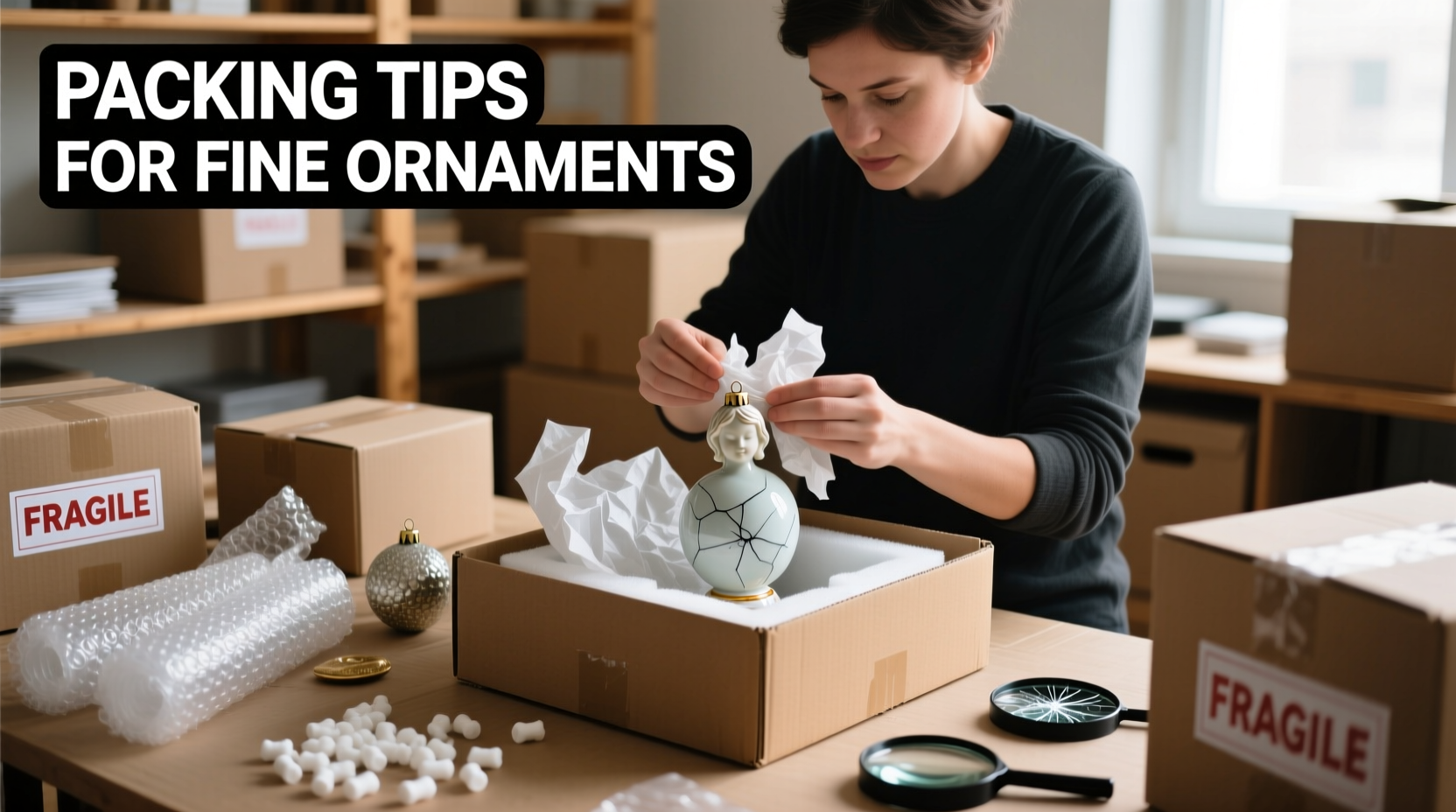
The foundation of safe ornament transport lies in using high-quality packing supplies. Not all boxes and wraps offer equal protection. Standard grocery bags or reused newspaper won’t cut it when safeguarding delicate pieces. Invest in professional-grade materials designed specifically for fragile items.
Begin with a sturdy double-walled cardboard box. These resist crushing under stacked weight and maintain structural integrity in less-than-ideal storage conditions. Line the bottom with at least two inches of crumpled packing paper or bubble wrap for cushioning. Avoid using foam peanuts alone—they shift easily and leave items exposed to impact.
For wrapping, acid-free tissue paper is ideal, especially for vintage or antique ornaments. It prevents chemical transfer that could degrade finishes over time. For modern glass or plastic ornaments, standard tissue or soft bubble wrap works well. Use wrap sizes appropriate to the ornament: small baubles need only a few layers, while large or intricately shaped pieces may require multiple sheets.
Step-by-Step Guide to Packing Ornaments Safely
Packing fragile ornaments isn’t just about tossing them into a box—it’s a deliberate process that minimizes movement, absorbs shock, and isolates each piece from potential damage. Follow this sequence to maximize safety:
- Sort by fragility and size: Group ornaments into categories: very fragile (hand-blown glass, antique), moderately fragile (resin, painted wood), and durable (plastic, rubber). Pack the most delicate first.
- Wrap individually: Wrap each ornament in at least two layers of tissue or bubble wrap. For extra protection, use corner guards on protruding parts like hooks or figurine limbs.
- Use compartmentalized containers: Insert dividers or egg cartons into the box to create individual cells. If unavailable, fashion partitions from cardboard strips taped securely across the box.
- Place vertically or flat: Lay spherical ornaments flat if possible. For long or irregular shapes (angels, icicles), position them upright to prevent rolling.
- Fill gaps: After placing wrapped ornaments, fill empty spaces with loosely crumpled paper. Avoid over-packing, which increases pressure; aim for snug but not compressed placement.
- Seal and label: Close the box with strong packing tape. Mark “Fragile – This Side Up” on all sides using a bold marker.
Stack no more than two ornament boxes on top of each other during transport. Place them near the top of the moving truck, ideally secured against a wall to reduce shifting.
Do’s and Don’ts When Packing Delicate Decorations
Even experienced movers make avoidable mistakes when handling fragile items. The table below outlines key best practices and common pitfalls to avoid.
| Do | Don't |
|---|---|
| Use double-walled boxes rated for heavy or fragile items | Reuse old, worn-out boxes with weakened corners |
| Wrap each ornament separately before boxing | Bundle multiple ornaments together in one wrap |
| Label boxes clearly with contents and fragility level | Assume movers will know what's inside unmarked boxes |
| Keep original packaging for specialty ornaments (e.g., music boxes) | Discard custom foam inserts or rigid cases |
| Transport irreplaceable items in your personal vehicle | Leave heirlooms in the moving truck overnight |
One often-overlooked rule: never store packed ornament boxes in areas with fluctuating temperatures or humidity. Basements and attics are risky due to moisture and mold. Instead, keep them indoors in climate-controlled rooms until the move.
Real Example: Preserving a Family Heirloom Collection
Sarah Thompson of Portland, Oregon, inherited a set of hand-blown Polish glass ornaments from her grandmother—each dated between 1920 and 1950. When she relocated to Denver, she faced the daunting task of moving 38 delicate pieces, some with intricate wire hangers and fragile paint detailing.
Instead of relying on standard moving supplies, Sarah invested in archival-quality materials. She used acid-free tissue paper to wrap each ornament and placed them in custom-cut foam trays within a reinforced wooden crate. She labeled each slot and sealed the crate with tamper-proof tape. During transit, she kept the crate in her SUV rather than the moving van.
Upon arrival, every ornament was intact. One had a slightly bent hook, but the glass remained uncracked. “I knew these couldn’t be replaced,” she said. “Spending an extra $60 on proper materials saved decades of memories.” Her experience underscores the importance of treating truly valuable ornaments as art objects—not just decorations.
Expert Insight: What Professional Movers Recommend
Industry professionals emphasize precision and planning when handling fragile decor. According to James Reed, a senior relocation specialist with National Moving & Storage Alliance, the key is eliminating movement within the container.
“Movement causes impact, and impact breaks glass. The goal isn’t just to wrap tightly—it’s to immobilize. If an ornament can shift even half an inch inside the box, that’s enough to cause chipping or fracture during sudden stops.” — James Reed, Certified Moving Consultant
Reed also advises against using stretch wrap directly on ornaments. While convenient, it can trap moisture and degrade certain finishes. He recommends double-boxing for maximum security: place the filled ornament box inside a larger outer box with at least two inches of cushioning material on all sides. This creates a shock-absorbing buffer zone.
Checklist: Pre-Move Ornament Preparation
Use this checklist in the days leading up to your move to ensure nothing is overlooked:
- ✔ Inventory all ornaments and note any that are irreplaceable
- ✔ Gather supplies: double-walled boxes, acid-free tissue, bubble wrap, packing tape, markers
- ✔ Designate a clean, dry workspace for packing
- ✔ Test hangers and hooks for weakness; replace brittle wires
- ✔ Disassemble multi-part ornaments (e.g., tree toppers with detachable crowns)
- ✔ Photograph each unique or valuable ornament for insurance purposes
- ✔ Pack non-ornament decorations (lights, garlands) separately to free up space
- ✔ Schedule time to unpack and inspect boxes immediately after moving
This checklist helps prevent last-minute rushes and ensures consistency across multiple boxes. Print it out and check off items as you go.
Frequently Asked Questions
Can I use regular gift wrap tissue paper to pack ornaments?
While colorful gift tissue looks appealing, it often contains dyes and acids that can transfer to delicate surfaces over time, especially in warm or humid conditions. Opt for plain, acid-free tissue paper designed for archival use. It’s inexpensive and widely available online or at craft stores.
Is it safe to pack ornaments in suitcases or garment bags?
Suitcases lack the structural rigidity needed to protect fragile items during stacking and loading. Garment bags offer zero crush resistance. Neither provides adequate shock absorption. Use only purpose-built moving boxes with proper cushioning. If you must use a suitcase temporarily, line it with towels and place it on top of the load—never underneath.
How do I pack large, oddly shaped ornaments like nutcrackers or snow globes?
Large ornaments require customized support. For nutcrackers, wrap the head and hands separately and secure limbs with soft straps or fabric ties. Place in a box with molded polystyrene or custom-cut cardboard braces. Snow globes should be packed upright at all times—laying them sideways can dislodge internal elements or cause leaks. Use a box tall enough to accommodate vertical placement and mark “Do Not Lay Flat” on all sides.
Final Tips for Stress-Free Ornament Transport
Packing fragile ornaments doesn’t have to be overwhelming. With thoughtful preparation, the right materials, and attention to detail, you can safeguard even the most delicate pieces. Remember that not every ornament needs museum-level preservation—but knowing which ones do is half the battle. Prioritize based on sentimental value, rarity, and fragility.
If you’re downsizing or simplifying, consider digitizing your collection. Take high-resolution photos of each ornament and compile them into a digital album. This preserves the memory even if you choose not to move every physical item.




 浙公网安备
33010002000092号
浙公网安备
33010002000092号 浙B2-20120091-4
Comments
No comments yet. Why don't you start the discussion?