
Grout lines in showers are prone to accumulating dirt, soap scum, and mildew due to constant exposure to moisture and daily use. Over time, once-bright grout can turn gray, yellow, or even black, making an otherwise clean shower look dingy. While commercial cleaners promise quick fixes, many contain harsh chemicals that irritate the skin, damage grout, or pollute indoor air. A safer, proven alternative is using a simple baking soda paste—one of the most effective natural cleaning agents available.
Baking soda, or sodium bicarbonate, works as a gentle abrasive that lifts embedded grime without scratching tile surfaces. When combined with water or vinegar into a thick paste, it penetrates deep into porous grout, breaking down organic buildup and neutralizing odors. This method is cost-effective, eco-friendly, and accessible to nearly every household. With proper technique and consistency, you can restore your shower’s grout to near-original condition—no toxic fumes required.
The Science Behind Baking Soda Cleaning Power
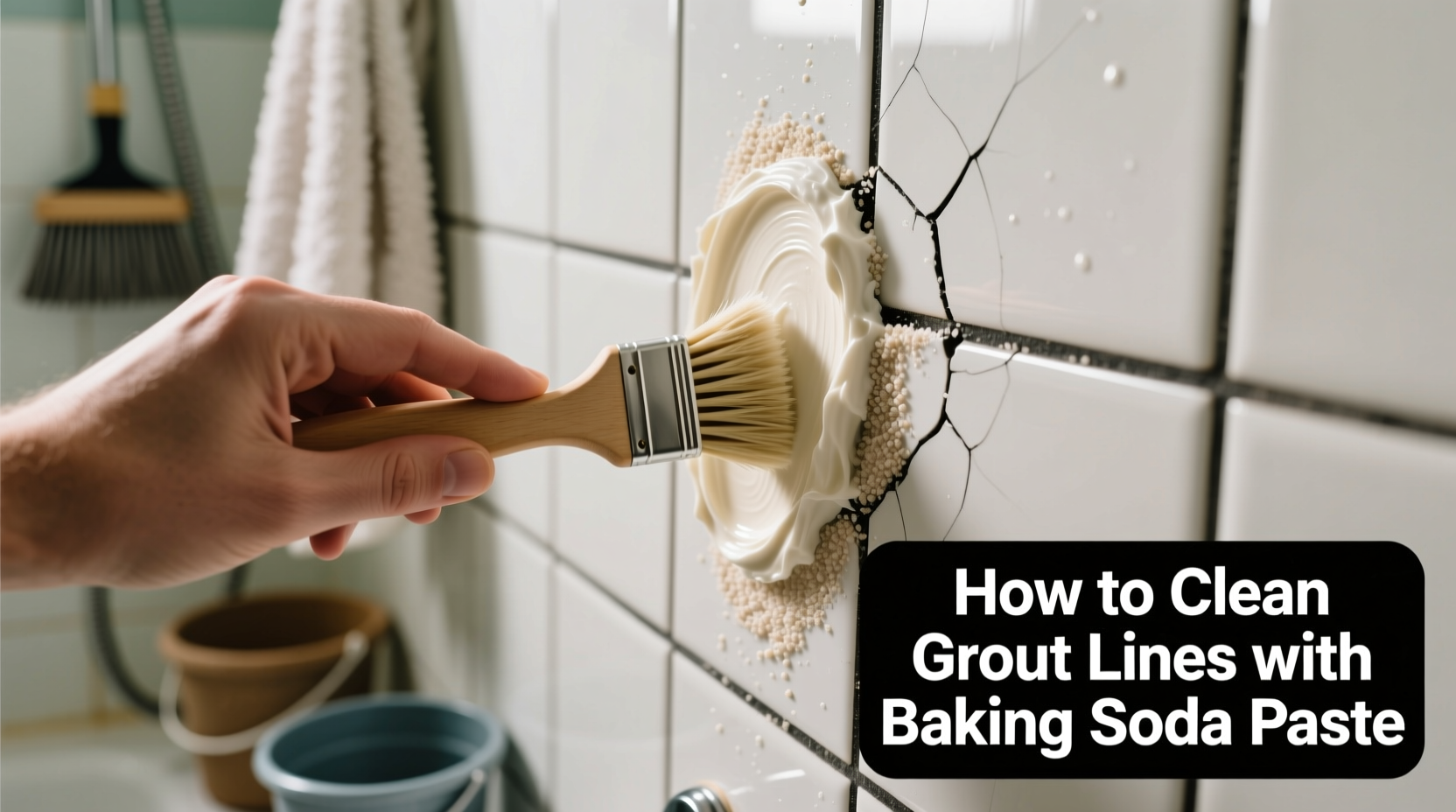
Baking soda’s effectiveness lies in its physical and chemical properties. As a mild alkali (pH around 8.3), it helps dissolve grease, soap residue, and acidic stains like those from hard water. Its fine granular structure acts as a non-scratching scrubbing agent, ideal for textured surfaces such as sanded grout. Unlike bleach-based products that only disinfect on the surface, baking soda physically dislodges particles trapped within the grout matrix.
When mixed with liquid, baking soda forms a viscous paste that adheres to vertical surfaces—critical when cleaning shower walls. This cling allows extended dwell time, giving the compound more opportunity to break down stubborn deposits. For enhanced performance, some people combine baking soda with hydrogen peroxide or white vinegar. However, caution is needed: mixing baking soda with vinegar creates a foaming reaction (carbon dioxide gas), which can reduce contact time if not managed properly.
“Baking soda is one of the few truly multipurpose cleaners—it cleans, deodorizes, and buffers pH—all while being safe for families and pets.” — Dr. Laura Greene, Environmental Health Scientist
Step-by-Step Guide to Cleaning Grout with Baking Soda Paste
Cleaning grout with baking soda requires minimal tools and effort but yields impressive results when done correctly. Follow this detailed timeline to maximize effectiveness and ensure long-lasting cleanliness.
- Prepare the Area: Remove all bottles, loofahs, and shower accessories. Sweep or wipe away loose debris from tiles and grout lines. Pre-rinsing with warm water softens surface buildup and prepares grout for treatment.
- Mix the Baking Soda Paste: In a small bowl, combine ½ cup of baking soda with 2–3 tablespoons of water. Stir until it reaches a toothpaste-like consistency. For extra cleaning power, substitute water with hydrogen peroxide (3%)—this adds mild bleaching action without chlorine.
- Apply the Paste: Using an old toothbrush or grout brush, spread the paste directly onto stained grout lines. Work in small sections (about 1–2 square feet at a time) to prevent drying. Press the bristles gently into the grooves to force the paste deep inside.
- Let It Sit: Allow the paste to dwell for 30 to 60 minutes. Do not let it dry completely; if cracking occurs, mist lightly with water. Extended dwell time improves penetration, especially for deeply set stains.
- Scrub Thoroughly: Re-wet the brush and scrub each line in a back-and-forth motion. Focus on darkened areas. You’ll notice visible residue lifting from the grout. Add a drop of dish soap to the brush for additional degreasing effect.
- Rinse Completely: Rinse the area with warm water using a handheld showerhead or spray bottle. Wipe down with a microfiber cloth to remove any remaining paste residue.
- Dry and Inspect: Dry the surface with a clean towel. Check for lingering discoloration. Repeat the process on persistent spots if necessary.
Enhancing Results: Pro Tips and Combinations
While plain baking soda paste delivers strong results, strategic additions can boost performance depending on the type of grime present.
- Baking soda + vinegar (with timing): Apply baking soda paste first. After 15 minutes, lightly spritz with white vinegar. The fizzing action helps loosen compacted residue. Immediately scrub and rinse—don’t wait too long, or the reaction will end before doing useful work.
- Baking soda + hydrogen peroxide: Ideal for mold-prone areas. Hydrogen peroxide provides antimicrobial action and mild whitening. Mix ½ cup baking soda with ¼ cup 3% hydrogen peroxide. Let sit for 30 minutes under cover (plastic wrap prevents evaporation).
- Baking soda + liquid castile soap: Adds lubrication and cuts through oily film. Combine ⅓ cup baking soda, 2 tbsp castile soap, and 1 tbsp water. Effective for bathrooms with heavy shampoo and conditioner buildup.
Avoid mixing baking soda with bleach—this combination produces hypochlorite gas, which is hazardous to breathe. Always ventilate the bathroom during and after cleaning by opening windows or running an exhaust fan.
Do’s and Don’ts of Natural Grout Cleaning
| Do’s | Don’ts |
|---|---|
| Test the paste on a small hidden area first | Use steel wool or abrasive pads that scratch tiles |
| Clean grout monthly to prevent severe buildup | Leave baking soda paste overnight unless covered |
| Use circular motions when scrubbing corners | Mix baking soda with chlorine bleach |
| Seal cleaned grout every 6–12 months | Ignore signs of mold growth behind baseboards |
| Wear gloves to protect sensitive skin | Rely solely on wiping—mechanical agitation is essential |
Real Example: Reviving a 10-Year-Old Shower
Sarah M., a homeowner in Portland, Oregon, had struggled for years with dark grout in her master bathroom shower. Despite weekly wiping and occasional bleach sprays, the grout between her white ceramic tiles remained discolored and streaky. Frustrated and concerned about chemical exposure with two young children, she decided to try baking soda paste based on a friend’s recommendation.
She followed the step-by-step guide over a weekend afternoon, dedicating two hours to treat all four walls and the floor. She used baking soda mixed with hydrogen peroxide for extra whitening and covered treated sections with plastic wrap to maintain moisture. After rinsing, she was stunned by the transformation—grout lines were visibly lighter, and the entire shower appeared brighter. Six months later, with monthly maintenance using diluted baking soda solution, her grout remains clean without further deep treatments.
“I wasted money on specialty sprays that barely worked,” Sarah said. “This simple paste did more in one session than anything I’ve tried before.”
Checklist: Your Complete Baking Soda Grout Cleaning Routine
Follow this checklist to ensure no step is missed during your cleaning session:
- ☐ Remove all items from the shower stall
- ☐ Pre-rinse tiles and grout with warm water
- ☐ Mix baking soda paste (adjust thickness as needed)
- ☐ Apply paste directly to grout lines with a brush
- ☐ Allow 30–60 minute dwell time (cover if using peroxide)
- ☐ Scrub thoroughly with stiff nylon brush
- ☐ Rinse completely with warm water
- ☐ Dry surface and inspect for remaining stains
- ☐ Reapply to stubborn areas if needed
- ☐ Seal grout after full drying (optional but recommended)
FAQ: Common Questions About Baking Soda Grout Cleaning
Can baking soda damage tile or grout?
No—baking soda is a low-abrasion cleaner suitable for most glazed tiles and cured cement-based grouts. However, avoid using it on unsealed natural stone (like marble or travertine), where even mild abrasives may cause etching. Always test in an inconspicuous spot first.
How often should I clean grout with baking soda paste?
For preventative maintenance, apply a light baking soda wash every 4–6 weeks. Deep cleaning with thick paste is typically needed every 3–6 months, depending on usage and ventilation. High-humidity households may require more frequent attention.
Will baking soda remove black mold from grout?
Baking soda helps remove surface mold and inhibits regrowth due to its mild antifungal properties. However, for extensive mold infestations (especially if accompanied by musty smells or spreading beyond grout), professional remediation may be necessary. Baking soda alone won’t eliminate mold roots embedded deep in substrate materials.
Final Thoughts and Call to Action
Cleaning grout lines in showers doesn’t require expensive products or dangerous chemicals. With just a box of baking soda and a little elbow grease, you can achieve professional-level results safely and sustainably. The method is backed by chemistry, supported by real-world success, and adaptable to different types of stains and surfaces. More importantly, it empowers homeowners to take control of their indoor environment without compromising health for cleanliness.
Start today—gather your supplies, roll up your sleeves, and give your shower the refresh it deserves. Once you see the difference a simple paste can make, you may never reach for a chemical cleaner again. Share your before-and-after experience in the comments or with friends looking to simplify their cleaning routine. Small changes lead to lasting transformations, one grout line at a time.




 浙公网安备
33010002000092号
浙公网安备
33010002000092号 浙B2-20120091-4
Comments
No comments yet. Why don't you start the discussion?