
In today’s hyper-connected world, relying on a single phone is no longer enough. Whether you're managing personal and professional lives across two devices, switching between an older and newer model, or simply want to mirror notifications and data, pairing two mobile phones can dramatically improve your productivity and convenience. The good news: it doesn’t require technical expertise. With the right approach, you can synchronize contacts, messages, photos, and even calls—ensuring both devices work in harmony.
This guide walks through proven methods to connect two smartphones—regardless of brand—with minimal friction. From Bluetooth tethering to cloud-based syncing and third-party tools, we’ll cover everything you need to achieve seamless interoperability.
Why Pair Two Mobile Phones?
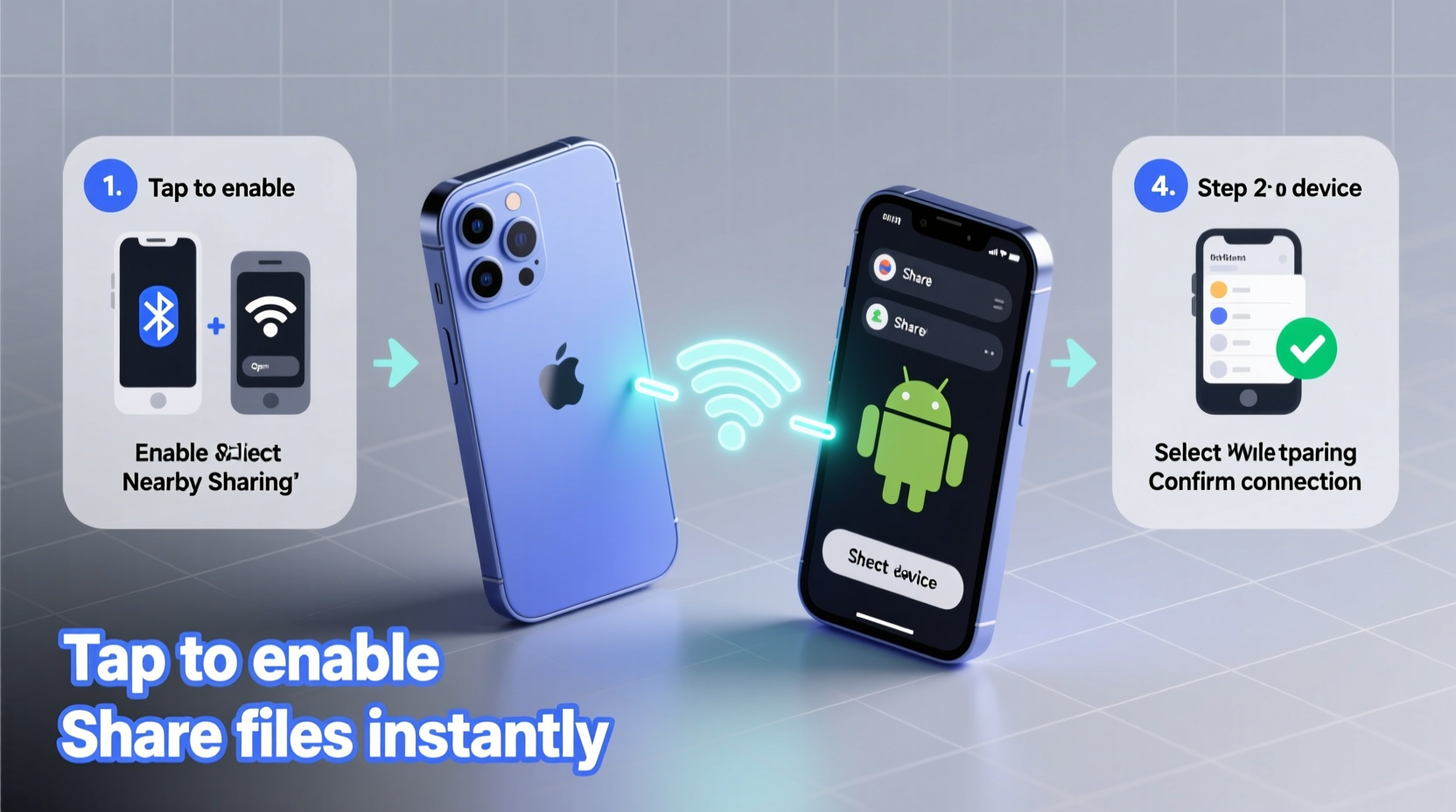
There are several practical reasons users choose to operate two phones simultaneously:
- Dual identity management: Separating work and personal communications without carrying multiple email accounts on one device.
- Data migration: Transitioning from an old phone to a new one while maintaining access to both during the transition.
- Backup redundancy: Ensuring critical data like messages and photos are mirrored across devices as a fail-safe.
- Enhanced accessibility: Receiving alerts and messages on both devices when one might be out of reach (e.g., at home or charging).
“Seamless device pairing isn't just about convenience—it's about continuity of experience. When done right, users feel like they're operating one ecosystem, not two separate gadgets.” — Dr. Lena Patel, UX Researcher at Mobile Futures Lab
Step-by-Step Guide to Pairing Two Phones
Follow this structured process to ensure reliable, secure, and functional pairing between two mobile devices. These steps apply whether you’re using two Android phones, two iPhones, or a mix of both platforms.
- Verify compatibility and OS versions. Ensure both devices are updated to their latest operating system. Outdated software may lack necessary APIs for cross-device communication.
- Enable Bluetooth and location services. Even if syncing via Wi-Fi or cloud, many pairing protocols use Bluetooth for initial handshake authentication.
- Sign in with the same account (where applicable). On iOS, use the same Apple ID; on Android, use the same Google account to unlock native sync features.
- Use built-in pairing tools. For iPhone-to-iPhone, leverage Continuity and Handoff. For Android, explore Samsung Quick Switch or Google’s Smart Connect (on Pixel devices). <5> Establish a trusted network connection. Connect both phones to the same Wi-Fi network to facilitate faster file transfers and real-time syncing.
- Authorize device trust. When prompted, confirm that each phone trusts the other—especially important when transferring sensitive data like passwords or health info.
- Test functionality. Send a test message, make a mirrored call, or transfer a photo to verify synchronization works end-to-end.
Cross-Platform vs. Same-Ecosystem Pairing
The ease of pairing depends heavily on whether both phones belong to the same manufacturer ecosystem. Here’s how different combinations stack up:
| Pairing Type | Sync Capabilities | Setup Complexity | Recommended Tools |
|---|---|---|---|
| iPhone + iPhone | Full (messages, calls, apps, clipboard) | Low | iCloud, AirDrop, Continuity |
| Android + Android (same brand) | Near-full (contacts, SMS, media) | Medium | Samsung Smart Switch, Xiaomi Share, OnePlus Switch |
| Android + Android (different brands) | Partial (contacts, photos, files) | Medium-High | Google Drive, SHAREit, Snapdrop |
| iPhone + Android | Limited (photos, files, notes) | High | Move to iOS, Bridgefy, Microsoft Your Phone |
While Apple’s ecosystem offers the most frictionless internal integration, Android users benefit from greater flexibility—especially when leveraging Google’s universal sync framework. Cross-platform connections remain challenging but are improving thanks to emerging bridge technologies.
Real-World Example: A Freelancer’s Dual-Device Workflow
Consider Maria, a freelance graphic designer who uses an iPhone 13 for client communication and social media, and a Samsung Galaxy S23 for creative work and local backups. She needed a way to receive iMessages on her Android device and transfer design drafts quickly.
Maria used the following setup:
- Installed Microsoft Outlook on both phones to unify email and calendar events.
- Used OneDrive to auto-upload completed projects from her iPhone and access them instantly on her Galaxy.
- Enabled “Text Messages” syncing via Samsung’s Flow app, allowing her to reply to SMS sent to her iPhone directly from the Galaxy.
- Paired both devices via Bluetooth for emergency call forwarding when her iPhone was offline.
The result? She reduced context-switching time by 40% and never missed a deadline due to delayed notifications.
Essential Tips for Secure and Efficient Pairing
- Always enable two-factor authentication before linking devices.
- Avoid public Wi-Fi when transferring sensitive data between phones.
- Regularly review connected devices in your account settings (Google or Apple ID) and remove outdated ones.
- Use encrypted messaging apps like Signal or WhatsApp Web to maintain chat history across devices securely.
- Limit automatic photo uploads to private folders only—public albums may expose personal content.
Checklist: Before You Begin Pairing
Use this checklist to prepare both phones for successful pairing:
- ✅ Back up both devices independently before starting.
- ✅ Charge both phones to at least 50% battery.
- ✅ Disable any screen pinning or kiosk modes.
- ✅ Turn off airplane mode and enable Wi-Fi & Bluetooth.
- ✅ Install required companion apps (e.g., Smart Switch, Your Phone, AirDroid).
- ✅ Confirm both devices support the intended sync method (e.g., NFC, QR pairing).
Frequently Asked Questions
Can I receive iPhone calls on an Android phone?
Not natively. However, third-party solutions like Microsoft’s Your Phone app (when linked via Windows PC) or VoIP services such as Google Voice or Skype can route calls indirectly. True call mirroring remains exclusive to Apple’s Continuity feature within its ecosystem.
Is it safe to pair two phones together?
Yes, provided you use official tools and trusted networks. Avoid peer-to-peer file-sharing apps with poor privacy policies. Always review permissions granted during setup and revoke unnecessary access afterward.
How do I stop syncing between two phones?
On Android, go to Settings > Accounts > Google and disable sync for specific data types. On iPhone, go to Settings > [Your Name] > iCloud and toggle off apps you no longer wish to share. For Bluetooth pairing, unpair the device under Bluetooth settings.
Conclusion: Take Control of Your Connected Life
Pairing two mobile phones doesn’t have to be complicated. By understanding your ecosystem options, preparing devices properly, and using the right tools, you can create a fluid, responsive multi-device experience. Whether you're streamlining workflows, safeguarding data, or simply staying reachable, seamless connectivity empowers smarter digital habits.




 浙公网安备
33010002000092号
浙公网安备
33010002000092号 浙B2-20120091-4
Comments
No comments yet. Why don't you start the discussion?